
Paragraph 1 (35 words):
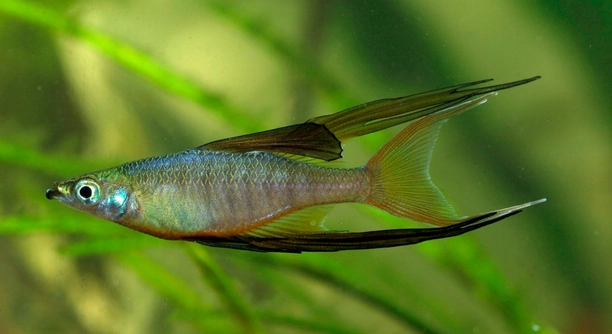
Threadfin Rainbowfish are small, vibrant fish that brighten any freshwater tank. Observing their physical appearance can reveal much about their health, making it easier for owners to care for them and maintain a thriving aquatic environment.
Paragraph 2 (40 words, bold):
Healthy Threadfin Rainbowfish display vivid coloration, intact fins, clear eyes, smooth scales, active swimming patterns, normal appetite, and consistent body shape. Monitoring these visual indicators regularly helps ensure their wellbeing and supports early detection of potential health issues.
Paragraph 3 (20 words):
Recognizing these signs is essential for proper care. Each indicator contributes to a clearer understanding of your fish’s overall health.
Vivid Coloration
Threadfin Rainbowfish are known for their bright, reflective colors. Healthy fish usually display vibrant blues, greens, and reds along their bodies, which indicate proper nutrition and good water conditions. Dull or faded colors may suggest stress, illness, or dietary deficiencies. Maintaining a balanced diet rich in protein and nutrients, alongside regular water changes, helps keep their colors strong. Additionally, lighting can influence how vivid their colors appear, so placing them under gentle, natural-like lighting encourages the full display of their hues. Observing these fish daily allows you to notice subtle changes early, which can prevent larger health problems. Coloration is not only an aesthetic feature but also a practical measure of overall wellbeing.
Bright, consistent colors are a clear indicator of a fish that is thriving and properly cared for in its environment.
Colors can also reflect mood and activity level. Fish with healthy coloration are more likely to swim actively and interact naturally with their environment, showing confidence and proper adaptation to the tank conditions.
Intact Fins
Fins should be fully formed without tears or fraying. Damage can indicate physical injury, poor water quality, or infection.
Healthy Threadfin Rainbowfish swim with smooth, deliberate fin movements. Damaged fins reduce mobility and may make fish vulnerable to disease. It is essential to maintain stable water parameters, avoid overcrowding, and monitor interactions with tankmates to prevent fin injuries. Regular observation allows prompt intervention if damage occurs. Some minor fin wear is normal in active fish, but consistent tearing or discoloration is a sign of a problem that needs attention. Nutrient-rich foods and proper tank hygiene help support fin regeneration and overall fish strength.
Fins play a key role in swimming efficiency and balance. Fish with healthy fins navigate the tank confidently, maintain proper posture, and display natural, graceful movements. Maintaining clean water, minimizing aggressive tankmates, and providing a varied diet all contribute to keeping fins intact. Over time, healthy fins enhance the fish’s appearance and ensure it can respond appropriately to environmental changes, including currents, feeding, and social interactions. Observing fin condition regularly provides insights into both physical and environmental factors affecting your Threadfin Rainbowfish’s wellbeing.
Clear Eyes
Clear, bright eyes indicate a healthy Threadfin Rainbowfish. Cloudy, bulging, or sunken eyes often signal illness or poor water quality.
Healthy eyes allow fish to navigate and respond to their environment efficiently. Cloudiness may develop from bacterial infections, parasites, or ammonia buildup. Regular water testing, maintaining proper pH, and ensuring a clean tank environment help prevent these issues. Eye health also reflects overall nutrition; a balanced diet rich in vitamins supports visual clarity and reduces the risk of deficiencies that can affect the eyes. Monitoring eyes daily allows early intervention before minor issues escalate, keeping your fish active and alert.
Eyes can also indicate stress. Sudden changes in clarity or behavior, such as hiding or erratic swimming, may point to environmental or dietary problems. Consistent care and observation ensure that your fish maintains healthy eyesight.
Smooth Scales
Smooth, intact scales show that your fish is physically well and free from disease. Scales should lie flat and appear uniform without raised areas or lesions.
Scales protect the fish from infections, parasites, and physical injuries. Any irregularities, such as missing patches or raised scales, may suggest bacterial or fungal infections. Maintaining stable water parameters, avoiding rough handling, and keeping the tank free from sharp decorations can prevent scale damage. Nutrient-rich foods containing vitamins A and C support skin and scale regeneration, helping the fish maintain a healthy, smooth exterior. Regular observation ensures early detection of scale issues.
Healthy scales contribute to overall immunity. Fish with smooth scales are better able to withstand environmental stressors and interact naturally within their tank. This outward sign of health reflects both the internal condition and the quality of care provided. Proper maintenance of water conditions and diet ensures scales remain glossy and resilient, highlighting the fish’s vitality. Consistent attention to scale health promotes longevity and reduces the risk of serious illness.
Active Swimming
Active swimming shows that Threadfin Rainbowfish are healthy and comfortable in their environment. Lethargy or erratic movements often indicate stress, illness, or poor water conditions.
Regular, smooth swimming is a positive sign of proper muscle function, balanced nutrition, and adequate oxygen levels in the tank.
Normal Appetite
A healthy appetite is essential for proper growth and energy. Fish that eat consistently and show interest in food are thriving.
Feeding small, frequent portions of a balanced diet helps maintain steady health. A sudden loss of appetite can indicate disease, poor water quality, or stress. Monitoring feeding behavior daily allows for quick intervention and ensures your fish receive necessary nutrients. Consistent eating patterns also support strong coloration, active swimming, and overall vitality.
Consistent Body Shape
Threadfin Rainbowfish should maintain a streamlined, even body shape without bloating, indentations, or abnormal lumps.
Deviations from the normal shape may indicate internal parasites, organ issues, or malnutrition. Regular observation, proper diet, and clean water help preserve their natural form and support long-term health.
Vibrant Thread Fins
Thread fins should extend fully and move freely, enhancing the fish’s appearance and swimming ability.
Healthy fins indicate proper growth, strong muscles, and overall well-being.
FAQ
How can I tell if my Threadfin Rainbowfish is healthy?
A healthy Threadfin Rainbowfish shows bright colors, smooth scales, clear eyes, and intact fins. They swim actively, respond to food, and maintain a consistent body shape. Observing these visual indicators daily helps you notice any changes early, allowing for quick intervention.
What should I do if my fish’s colors start fading?
Fading colors can be caused by stress, poor diet, or suboptimal water conditions. Check water parameters like pH, temperature, and ammonia levels. Improve their diet with nutrient-rich foods containing vitamins and proteins. Adding gentle lighting and maintaining a calm tank environment can also enhance coloration over time.
Why are my fish fins fraying or torn?
Frayed fins often indicate physical damage, aggression from tankmates, or bacterial infections. Ensure there are no sharp decorations, maintain proper water quality, and monitor interactions among fish. If infection is suspected, consult a veterinarian or consider an appropriate antibacterial treatment.
What causes cloudy or bulging eyes?
Cloudy or bulging eyes can result from bacterial infections, parasites, or poor water quality. Regular water changes, clean tanks, and a balanced diet can prevent these issues. Immediate attention is required if the condition persists, as it may affect feeding and mobility.
How often should I monitor my fish’s behavior and appearance?
Daily observation is recommended. Small changes in color, appetite, or swimming patterns can be early signs of stress or illness. Taking notes or photos can help track subtle changes over time, ensuring timely adjustments in care or environment.
Can diet affect my Threadfin Rainbowfish’s health?
Yes. A balanced diet supports vibrant coloration, smooth scales, and active swimming. Include high-quality flakes, frozen or live foods, and occasional plant matter. Avoid overfeeding, as leftover food can degrade water quality and negatively affect fish health.
What environmental factors are critical for their health?
Stable water temperature, pH, and cleanliness are crucial. Threadfin Rainbowfish thrive in well-oxygenated water with moderate current. Avoid overcrowding and provide hiding spots. Good filtration, regular water changes, and monitoring for ammonia or nitrate spikes help maintain optimal conditions.
How can I prevent stress in my fish?
Stress can be reduced by maintaining consistent water parameters, providing adequate space, minimizing loud vibrations near the tank, and avoiding aggressive tankmates. Observing behavior and adjusting the environment promptly can prevent stress-related illness or color fading.
When should I seek professional help for my fish?
Seek professional help if your fish show persistent loss of appetite, rapid breathing, unusual lumps, severe fin damage, or cloudy eyes that do not improve. Early intervention can prevent serious illness or death. A veterinarian specializing in fish or aquatic health can provide accurate diagnosis and treatment.
How can I encourage natural behavior in Threadfin Rainbowfish?
Provide a spacious tank with plants, rocks, and hiding spots. Feed a variety of foods to simulate natural foraging. Observe interactions among tankmates and ensure a calm environment. Proper care and attention allow them to swim, explore, and display their natural social behaviors.
Are there long-term indicators of health I should watch for?
Long-term health indicators include consistent coloration, steady growth, active swimming, and strong appetite. Any persistent deviation from these norms may indicate chronic stress, nutritional deficiencies, or environmental issues. Regular monitoring ensures early detection and a healthier life for your fish.
How important is tank maintenance for their health?
Tank maintenance is essential. Frequent water changes, cleaning filters, and monitoring water parameters prevent diseases, support fin and scale health, and maintain vibrant colors. Neglecting maintenance can quickly lead to stress, infection, and declining fish wellbeing. Proper care ensures longevity and active, thriving fish.
Can Threadfin Rainbowfish live with other species?
Yes, but choose peaceful, similarly sized fish. Avoid aggressive or fin-nipping species. Proper tank size, adequate hiding spots, and careful monitoring reduce conflicts and stress, helping all fish remain healthy and active.
What signs indicate early illness in Threadfin Rainbowfish?
Early signs include faded colors, lethargy, reduced appetite, irregular swimming, frayed fins, or cloudy eyes. Identifying these signs promptly allows for corrective action, such as water adjustments, dietary improvements, or treatment, preventing more severe health problems.
Final Thoughts
Caring for Threadfin Rainbowfish involves more than simply keeping them in a tank. Observing their visual health indicators provides essential insight into their overall wellbeing. Bright colors, smooth scales, clear eyes, intact fins, and active swimming are all signs that your fish is thriving. By paying attention to these traits, you can catch potential health problems early, which makes it easier to address them before they become serious. Regular observation is a simple yet effective way to ensure your fish remain healthy, happy, and active in their environment. Over time, noticing small changes in behavior or appearance becomes second nature, allowing you to maintain a stable and comfortable home for them. This consistency not only benefits the fish but also improves your confidence as an aquarist, making the experience more enjoyable and rewarding.
Providing a proper diet is equally important for the long-term health of Threadfin Rainbowfish. A balanced diet supports coloration, strengthens immunity, and helps maintain smooth scales and strong fins. Small, frequent feedings of high-quality flakes, frozen or live foods, and occasional plant matter ensure your fish receive the nutrients they need. Avoiding overfeeding is crucial, as leftover food can deteriorate water quality and create conditions that may lead to illness. In addition to diet, environmental care is essential. Maintaining clean water with proper pH, temperature, and oxygen levels helps prevent stress, disease, and fin damage. Tank decoration and layout, such as plants and hiding spots, also play a role in reducing stress and encouraging natural behavior. Proper tank maintenance and thoughtful feeding practices work together to support every aspect of your fish’s health.
Monitoring behavioral cues is just as important as visual signs. Fish that swim actively, respond to food, and interact naturally with tankmates are generally healthy. Sudden changes, such as lethargy, erratic swimming, or hiding, may indicate stress, illness, or poor environmental conditions. Paying attention to these subtle behaviors allows for timely interventions, which can prevent long-term health issues. Building a routine of daily observation, feeding, and water testing ensures that your fish remain in optimal condition. In the end, healthy Threadfin Rainbowfish reflect the care and attention you provide. By combining observation, proper diet, environmental management, and consistent maintenance, you create a safe and supportive habitat. Over time, your efforts result in fish that display vibrant colors, strong fins, and confident behavior, offering both aesthetic enjoyment and the satisfaction of successful fishkeeping.

Hello,
If you enjoy the content that we create, please consider saying a "Thank You!" by leaving a tip.
Every little bit helps us continue crafting quality advice that supports the health, happiness, and well-being of pets around the world, for pets of all shapes, sizes, and species.
We really appreciate the kindness and support that you show us!