
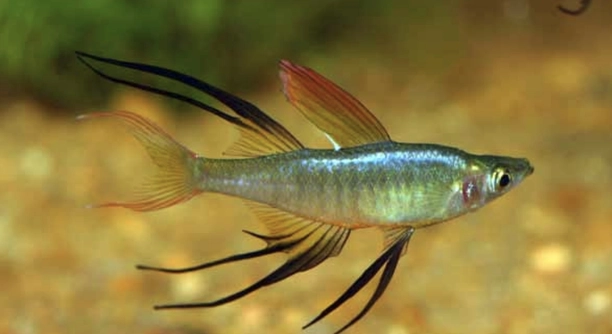
Threadfin rainbowfish are lively and colorful, often bringing energy to a home aquarium. Observing their behavior closely can help ensure they remain healthy and stress-free. Small changes in activity or appearance can indicate their need for attention.
Threadfin rainbowfish may require a break when signs of stress, overexertion, or environmental discomfort become evident. Indicators include reduced activity, loss of appetite, faded coloration, and unusual swimming patterns, which reflect both physiological strain and behavioral distress.
Monitoring these subtle cues will help you maintain a balanced environment, keeping your rainbowfish vibrant and comfortable in their habitat.
Signs of Lethargy
When a threadfin rainbowfish begins moving less than usual, it may be showing signs of needing a break. Normally energetic, these fish swim actively throughout the tank, exploring and interacting with their environment. If you notice them resting at the bottom, hiding more than usual, or avoiding other fish, it is important to take note. Lethargy can result from stress, poor water quality, or overfeeding. Sometimes even minor changes, like fluctuating water temperature or sudden rearrangements in the tank, can affect their energy levels. Observing these patterns daily helps identify if this behavior is temporary or chronic. Ensuring the tank has proper filtration, temperature, and hiding spaces can significantly improve their comfort. Additionally, adjusting feeding routines or checking for illness can help your rainbowfish regain its vitality. Lethargy is often an early sign that attention is needed before more serious health issues arise.
Reduced activity over extended periods indicates stress or environmental discomfort, signaling the need for rest and adjustments in care practices.
Creating a comfortable environment involves monitoring water conditions, providing sufficient space, and offering areas to hide. Even small changes can impact activity. Regular observation ensures early intervention, helping the rainbowfish remain healthy and active.
Loss of Appetite
A rainbowfish that suddenly eats less is showing a critical sign of stress. Reduced feeding can be caused by illness, water changes, or social tension in the tank.
Loss of appetite can affect health quickly. Fish may weaken or become more vulnerable to disease. Tracking feeding habits and offering a balanced diet is essential. Adjusting water temperature or spacing in the tank can also improve comfort.
Noticing a consistent drop in food intake means it’s time to evaluate the environment carefully. Check water quality for ammonia, nitrite, or nitrate spikes and make necessary corrections. Observe interactions with other fish; aggression can deter eating. Even subtle changes, like light exposure or new decorations, may affect appetite. Offering small, frequent feedings with high-quality food can encourage consumption while monitoring overall health. This ensures the rainbowfish receives adequate nutrition and reduces stress over time. Maintaining a calm, stable environment supports both appetite and long-term well-being, allowing the fish to recover fully from periods of strain.
Faded Coloration
Faded or dull colors in a threadfin rainbowfish can indicate stress or illness. Normally vibrant, their colors reflect health and comfort. A noticeable change often signals that it’s time to check water quality, diet, and tank conditions.
Color changes can result from poor water parameters, inadequate nutrition, or prolonged stress. Ammonia or nitrite spikes, low oxygen, or fluctuating temperatures can cause the rainbowfish to lose vibrancy. Feeding high-quality, varied food and ensuring proper tank maintenance helps restore natural coloration. Frequent observation of color patterns also allows early detection of issues, preventing long-term health problems.
Behavior and environment are linked to coloration. Aggressive tankmates, overcrowding, or insufficient hiding spaces can contribute to dull colors. Providing a calm and stable habitat encourages natural hues to return. Regular water changes, proper filtration, and attention to diet support both color and overall well-being.
Unusual Swimming Patterns
Erratic swimming or difficulty maintaining balance is a sign of stress or illness. This behavior requires immediate attention to prevent worsening conditions.
Unusual swimming can result from swim bladder issues, poor water quality, or sudden temperature shifts. Fish may float to the surface, sink to the bottom, or swim in circles. Monitoring these behaviors closely helps identify the underlying cause and allows timely corrective action.
Correcting water parameters, adjusting diet, and providing a stress-free environment often restores normal swimming. Observing interactions with other fish is also important, as aggression or bullying can disrupt swimming patterns. By ensuring proper tank conditions, including filtration, oxygenation, and space, you can help your rainbowfish regain stability. Small environmental adjustments, like rearranging decorations or adding hiding spots, often reduce stress, improving movement and overall health.
Hiding More Than Usual
A threadfin rainbowfish that hides excessively may be stressed or feeling unwell. Sudden changes in behavior, like avoiding open areas, often indicate a need for rest or environmental adjustments.
Hiding frequently can also result from aggressive tankmates or overcrowding. Ensuring calm surroundings and providing sufficient cover helps the fish feel safe and reduces stress levels.
Clamped Fins
Clamped fins, where the fins are held close to the body, signal discomfort or illness. This posture can indicate poor water conditions, stress, or disease, and should not be ignored.
Maintaining clean water, monitoring temperature, and observing interactions with other fish are key to correcting fin clamping. Small adjustments can improve comfort, reduce stress, and help the fins return to their natural spread.
Rapid Gill Movement
Rapid gill movement often indicates oxygen stress or water quality issues. Fish may struggle to get enough oxygen, signaling immediate attention is needed.
FAQ
How can I tell if my threadfin rainbowfish is stressed?
Stress in threadfin rainbowfish can appear in several ways. They may swim less, hide more, or show faded colors. Appetite loss and clamped fins are also common signs. Environmental changes, overcrowding, or poor water quality are frequent causes. Watching behavior closely daily helps identify stress early, allowing adjustments before serious health issues occur. Providing a calm, stable habitat with proper filtration, oxygenation, and hiding spaces supports both physical and behavioral well-being.
What should I do if my rainbowfish stops eating?
Loss of appetite can result from illness, stress, or changes in the tank. Check water parameters for ammonia, nitrite, and nitrate levels, and make sure the temperature is stable. Offering small, high-quality meals multiple times a day can encourage feeding. Observe interactions with other fish, as aggression may prevent eating. Removing aggressive tankmates or adding visual barriers can reduce stress and help restore appetite.
Why are my rainbowfish swimming oddly or losing balance?
Erratic swimming or difficulty maintaining balance often points to swim bladder issues, poor water quality, or temperature changes. Aggression from other fish can also disrupt normal movement. Correcting water parameters, providing a stress-free environment, and observing diet usually restores proper swimming. Rearranging decorations or adding hiding spots often helps fish regain confidence and stability.
What does it mean if their colors are fading?
Faded coloration is a clear sign of stress or poor health. It can be caused by inadequate nutrition, poor water quality, or extended stress. Aggressive tankmates or overcrowding can also contribute. Maintaining stable water conditions, offering high-quality food, and providing a calm environment allows colors to return naturally over time. Regular monitoring ensures early detection of issues before they worsen.
How do I prevent hiding behavior in my rainbowfish?
Excessive hiding usually indicates discomfort or stress. Overcrowding, aggressive fish, or lack of shelter can trigger this. Ensure there are sufficient plants, rocks, or other hiding spaces. Maintain consistent water parameters, monitor fish interactions, and minimize sudden changes to the tank setup. A stable, comfortable habitat encourages natural exploration and reduces stress-related hiding.
What causes clamped fins and how can I fix them?
Clamped fins often indicate discomfort, illness, or water problems. Check water quality and temperature first. Observe for aggression from other fish or possible infections. Improving tank conditions, providing hiding spots, and adjusting feeding routines helps the fins return to their natural spread. Timely action prevents further health decline.
Why is my rainbowfish breathing rapidly?
Rapid gill movement often signals low oxygen or poor water quality. Ensure the tank has proper aeration, clean water, and stable temperature. Overcrowding can also cause oxygen stress. Immediate attention to water conditions and tank setup reduces strain and supports the fish’s overall health.
How often should I monitor my rainbowfish for signs of stress?
Daily observation is ideal. Short, consistent checks help identify early behavioral changes, color fading, or appetite loss. Keeping a simple log of feeding habits, swimming patterns, and interactions can reveal trends that may indicate stress or illness. Early detection allows quick intervention and prevents long-term health problems.
Can diet improve my rainbowfish’s overall well-being?
Yes, a balanced diet is crucial. Providing a mix of high-quality flakes, pellets, and occasional live or frozen foods ensures proper nutrition. Nutrients support vibrant colors, energy levels, and immune health. Feeding smaller portions multiple times a day prevents overeating and reduces stress, contributing to overall well-being.
How do I create a stress-free environment for my rainbowfish?
Maintain clean water, stable temperature, and adequate oxygen. Provide hiding spots and space for swimming. Avoid overcrowding and aggressive tankmates. Minimize sudden changes in lighting or decorations. A consistent routine for feeding and maintenance helps the fish feel secure, promoting natural behavior and long-term health.
This FAQ section addresses common concerns, offering practical steps to monitor, support, and maintain the well-being of threadfin rainbowfish. Regular attention to behavior, diet, and tank conditions ensures they remain active, healthy, and vibrant.
Final Thoughts
Threadfin rainbowfish are lively, colorful fish that bring life to any aquarium. They thrive best in stable, well-maintained environments where their basic needs are met. Paying close attention to their behavior can make a significant difference in their health and happiness. Signs like reduced activity, hiding, loss of appetite, or faded coloration are not just minor quirks—they are indicators that the fish may need a break or some adjustments in their environment. Regular observation helps spot these issues early, allowing for quick action before problems become more serious. Simple steps like checking water quality, maintaining the right temperature, and providing hiding spaces can prevent stress and promote natural behavior. Ensuring the tank is neither overcrowded nor overly aggressive creates a calmer atmosphere that encourages rainbowfish to remain active, healthy, and colorful.
A consistent feeding routine is equally important for their well-being. Offering a balanced diet with a mix of flakes, pellets, and occasional live or frozen foods provides essential nutrients. Overfeeding can lead to water quality problems and stress, while underfeeding can weaken the fish, making them more prone to illness. Paying attention to changes in appetite is a valuable way to assess overall health. Coupled with proper tank maintenance, monitoring diet ensures that rainbowfish receive the energy and nutrition they need to thrive. Even small improvements in care, like splitting meals into smaller portions or rotating food types, can have a noticeable impact on vitality and coloration. Observing interactions with other fish also matters. Aggression or dominance by other tankmates can prevent rainbowfish from eating, swimming freely, or displaying natural colors, so creating a peaceful environment is essential.
Overall, caring for threadfin rainbowfish requires attention, patience, and consistency. Stress can develop from subtle changes in their environment, but most issues are manageable with timely adjustments. Regular water checks, proper filtration, and stable tank conditions support long-term health. Providing hiding spots, maintaining proper tank size, and minimizing sudden changes help the fish feel secure and reduce the likelihood of stress. By paying attention to subtle cues such as clamped fins, unusual swimming, or rapid gill movement, owners can intervene before serious health problems arise. Maintaining a balance between active monitoring and allowing the fish to enjoy a calm, stable environment ensures they remain vibrant and healthy. With thoughtful care, threadfin rainbowfish can live full, energetic lives, adding both beauty and activity to the aquarium while remaining resilient and stress-free.

Hello,
If you enjoy the content that we create, please consider saying a "Thank You!" by leaving a tip.
Every little bit helps us continue crafting quality advice that supports the health, happiness, and well-being of pets around the world, for pets of all shapes, sizes, and species.
We really appreciate the kindness and support that you show us!