
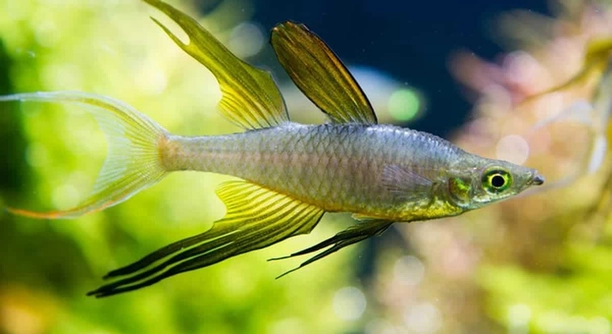
Do your threadfins seem to notice when you press your finger against the glass? Observing them swim gracefully in aquariums can be calming, yet these fish may react in ways that are subtle and intriguing. Their movements often reflect environmental cues.
Threadfins may respond to visual stimuli such as a finger on the glass due to their natural sensitivity to motion. This reaction is often mild, reflecting awareness rather than interaction, and is influenced by both species-specific behavior and aquarium conditions.
Understanding these subtle responses can enhance your experience as an observer and provide insight into their natural behaviors. Observing carefully helps connect with their environment more meaningfully.
Visual Awareness of Threadfins
Threadfins are highly attuned to movement in their environment. When a finger touches the glass, they may shift slightly, pause, or swim closer. These reactions are subtle and often overlooked, but they demonstrate the fish’s natural alertness. In aquariums, their eyesight allows them to detect motion and contrast, which is essential for finding food and avoiding potential threats. While threadfins do not interact socially with humans like pets, their awareness reflects instinctive behaviors that have developed in natural habitats. Observing these movements can be calming and educational, revealing patterns that might otherwise go unnoticed. Many aquarists find that learning these subtle signals improves understanding of fish behavior. Lighting, tank size, and water clarity can all influence how threadfins perceive movement. Over time, aquarists notice that fish may become accustomed to routine actions, such as tapping or gesturing near the glass, without showing stress.
The reaction is generally mild and short-lived, indicating recognition rather than fear.
Patience is key when observing threadfins. Consistent and careful observation allows you to notice their responses to subtle changes, providing insight into their sensory perception and natural habits.
Interpreting Their Movements
Threadfins respond mainly through small, deliberate motions that indicate attention.
Each movement has a reason. When a threadfin approaches the glass, it may be exploring its boundaries or simply reacting to light reflections. Their fins and bodies move in controlled ways, signaling alertness or curiosity rather than interaction. Understanding these cues requires watching them over time and noting repeated patterns. Some threadfins may show more pronounced movements, such as gentle circling or hovering near a hand, but these are still instinctive behaviors. Tank conditions, such as current and space, also impact how freely they move. Observing these responses can inform feeding practices, placement of decorations, and general tank maintenance. Threadfins are not seeking contact, yet their reactions can feel engaging. By recognizing their natural tendencies, aquarists can provide environments that minimize stress and encourage healthy activity, enhancing the overall quality of life for the fish. Awareness of these patterns also reduces unnecessary interference, letting the fish behave naturally while still offering insight into their habits and needs.
Factors Affecting Threadfin Reactions
Threadfin responses depend on tank size, lighting, and water clarity. Changes in these factors can make movements more noticeable or subdued.
Threadfins are highly sensitive to environmental conditions. In larger tanks, they may not notice subtle movements near the glass, while smaller tanks make their reactions more apparent. Lighting affects visibility, highlighting contrasts and reflections that catch their attention. Water clarity also matters, as murky conditions can limit their visual awareness. Even minor changes, such as repositioning decorations or adjusting feeding routines, can influence how and when they respond. Consistent tank maintenance helps the fish remain calm, ensuring that their reactions reflect natural curiosity rather than stress or confusion. Observing how environmental factors shape behavior allows you to better understand their natural instincts and adapt the tank setup to support healthy activity and comfort.
Monitoring these factors regularly improves observation accuracy. Threadfins respond more reliably when conditions remain stable and predictable.
Recognizing Signs of Stress
Unusual or rapid movements often indicate discomfort. Threadfins may dart, hide, or stay near the tank bottom.
Stress in threadfins is typically subtle but noticeable with careful observation. Sudden swimming bursts, erratic turns, or prolonged hiding can signal poor water quality, overcrowding, or inadequate nutrition. Changes in lighting or sudden loud noises may also trigger these responses. Understanding the difference between natural alert movements and stress-induced behavior is important. Observing patterns over time provides insight into their comfort levels and helps prevent long-term health issues. Adjusting tank conditions, such as water temperature, filtration, and space, reduces stress and encourages normal behavior.
Regularly checking water parameters, feeding schedules, and tank layout supports well-being. Stress signs decrease when the environment is stable, and threadfins show more consistent, calm movements.
Common Misinterpretations
Threadfins’ subtle movements are often mistaken for interaction. Most reactions are instinctive and not a sign of recognition.
Many behaviors interpreted as curiosity or engagement are actually responses to visual stimuli. Movement near the glass or changes in light trigger these reactions, reflecting natural awareness rather than intentional interaction.
Feeding Behavior and Responses
Threadfins may respond to a finger on the glass if they associate it with feeding time. They can learn to recognize patterns linked to food delivery. Over repeated observations, fish may swim closer or follow movements near the glass during feeding routines. These responses are conditioned rather than social; they reflect learned behavior from repeated exposure. Timing, consistency, and placement of food influence how strongly threadfins react. Observing these patterns can help optimize feeding strategies, ensuring the fish are comfortable and reducing stress. Understanding this behavior allows for better care and a calmer tank environment.
Maintaining a Calm Environment
Stable water conditions minimize unnecessary reactions. Consistency keeps threadfins comfortable and healthy.
FAQ
Do threadfins really notice my finger on the glass?
Yes, threadfins can detect movement near the glass. Their eyesight is sensitive to contrast and motion, which allows them to notice changes in their environment. While this recognition is instinctive, not social, it can make it seem like they are responding to you.
Why do they sometimes swim closer when I move my hand?
When threadfins swim closer to your finger, it is usually due to learned behavior associated with feeding or environmental changes. They may have associated movement with food delivery or a new visual stimulus, making them approach in anticipation rather than seeking interaction.
Are their reactions always safe to observe?
Yes, observing their responses is generally safe if the tank environment is stable. Threadfins are sensitive, so avoiding sudden taps or rapid movements prevents stress. Gentle observation allows you to notice their natural behaviors without disturbing their routine.
Can stress make their reactions more pronounced?
Stress can cause exaggerated movements or hiding behaviors. Poor water quality, overcrowding, or sudden environmental changes can make them appear more reactive. Monitoring water parameters, tank size, and feeding schedules reduces stress and helps maintain calm, natural responses.
Do all threadfins react the same way?
Reactions vary between individuals and species. Some threadfins may be more cautious and remain at a distance, while others may swim closer to the glass. Factors like age, previous experience, and tank conditions influence how they respond to stimuli.
Will they ever become accustomed to my presence?
Yes, over time, threadfins may habituate to frequent movement near the glass. Repeated, gentle actions allow them to learn that such stimuli are not a threat, resulting in calmer behavior and predictable reactions. Habituation does not indicate social bonding but reflects adaptation.
Does lighting affect how they respond?
Lighting plays a significant role. Bright lights or sharp contrasts can enhance movement detection, making their reactions more noticeable. Conversely, dim or diffuse lighting can reduce visibility, causing more subdued or delayed responses to finger movements. Adjusting lighting helps control the intensity of their reactions.
Can I use their reactions to improve feeding routines?
Yes, observing how threadfins respond to movements can inform feeding schedules and techniques. By noting the times they approach or pay attention near the glass, you can optimize food placement and timing, ensuring they feed efficiently while remaining comfortable.
Are their reactions purely visual?
Mostly, yes. Threadfins rely on sight to detect motion and environmental changes. Other senses, like lateral line detection, may contribute to understanding water movement, but responses to a finger on the glass are primarily visual. Consistent observation helps clarify which behaviors are instinctive and which are conditioned.
Is it possible to over-stimulate them?
Repeated tapping or frequent finger movements can create stress. Over-stimulation may lead to erratic swimming or avoidance. Maintaining minimal disturbance, observing calmly, and respecting their space ensures natural behavior without negative impact on their health or well-being.
Do younger threadfins react differently than adults?
Juvenile threadfins often exhibit more frequent or exaggerated responses due to higher sensitivity and curiosity. Adults may display slower, more deliberate reactions. Understanding age-related differences allows for more accurate observation and appropriate interaction with their environment.
Can tank setup influence their responses?
Absolutely. Tank size, decorations, hiding spaces, and water clarity all affect behavior. Open areas make reactions more noticeable, while cluttered or murky tanks can obscure movement. Optimizing setup provides comfort and reduces stress, resulting in natural and calm responses.
How can I tell if they are stressed or just curious?
Stress responses include rapid darting, prolonged hiding, or erratic swimming. Curious or alert behavior is subtle, such as gentle movement near the glass or following motion without showing fear. Consistent observation helps distinguish between stress and instinctive reactions, ensuring proper care and environment management.
Are there ways to encourage calm responses?
Yes, maintaining stable water parameters, consistent feeding routines, and minimal sudden disturbances encourages calm behavior. Gradually introducing changes allows threadfins to adapt without stress, leading to predictable and gentle reactions over time.
Is it normal for some threadfins to never react?
Yes, some individuals may remain indifferent to finger movements. This behavior is normal and often influenced by personality, species, or past experiences. Patience and observation are key, respecting their natural tendencies without forcing interaction.
Can I use finger movements to train them?
Finger movements can condition responses related to feeding, but they do not equate to social interaction. Repetition and consistency allow threadfins to anticipate routines, but reactions remain instinctive rather than a conscious response to humans.
Does water temperature affect their sensitivity?
Temperature can influence activity levels. Colder water may reduce movement, while warmer, optimal temperatures increase responsiveness. Maintaining species-appropriate temperatures ensures natural reactions and overall health.
Are threadfins more responsive at certain times of day?
Yes, they often react more during active feeding periods or when lighting mimics daytime conditions. Observing daily patterns helps predict when they are likely to notice movements near the glass.
Should I worry if they stop reacting?
A sudden lack of response may indicate stress, illness, or environmental issues. Monitoring water quality, tank conditions, and feeding routines can help identify and address underlying causes, ensuring the fish remain healthy and comfortable.
Do their reactions indicate intelligence?
Their responses reflect instinct, visual awareness, and learned behavior rather than complex cognition. While not social or conscious interaction, consistent observation of their reactions can provide meaningful insight into their habits and environmental needs.
Threadfins are fascinating fish that respond to changes in their environment in subtle ways. Observing their movements near the glass can reveal a lot about how they perceive the world around them. Their reactions are mostly instinctive, triggered by motion, light, or reflections, rather than intentional interaction with humans. Even though they may seem curious or attentive, these responses are primarily a reflection of their natural alertness. Understanding this helps in creating realistic expectations when watching them in an aquarium. By recognizing these patterns, it becomes easier to distinguish between instinctive behavior and signs of stress or discomfort. Consistent observation over time allows aquarists to become familiar with the individual tendencies of each fish, as some threadfins may react more noticeably than others.
Maintaining a stable and healthy environment is crucial for their well-being. Water quality, temperature, tank size, and lighting all influence how threadfins move and respond. Sudden changes or disturbances can cause stress, leading to exaggerated or erratic behavior. By keeping conditions consistent, threadfins are more likely to display calm and natural movements. Feeding routines also play a role in their responses. They may associate certain actions, like a finger near the glass, with the arrival of food. Over time, they may approach or follow movements as part of learned behavior. This conditioned response is not a sign of social interaction, but it does provide insight into their habits and how they adapt to their environment. Careful attention to tank setup and daily routines ensures that threadfins can exhibit natural behavior without unnecessary stress or discomfort.
Observing threadfins can be a rewarding experience when approached with patience and understanding. Their subtle reactions offer a glimpse into their natural instincts and sensory awareness. While it can be tempting to interpret every movement as curiosity or interaction, knowing that these responses are primarily instinctive helps maintain a realistic perspective. Regular monitoring of their health, behavior, and tank environment is essential for promoting comfort and longevity. Recognizing patterns in their reactions also allows aquarists to optimize feeding practices, lighting, and placement of decorations, creating a more suitable habitat. Over time, watching threadfins develop predictable responses to environmental cues can enhance the enjoyment of keeping them, while ensuring that their well-being remains the top priority. Being attentive, patient, and consistent ultimately supports both the fish’s natural behaviors and the overall harmony of the aquarium.

Hello,
If you enjoy the content that we create, please consider saying a "Thank You!" by leaving a tip.
Every little bit helps us continue crafting quality advice that supports the health, happiness, and well-being of pets around the world, for pets of all shapes, sizes, and species.
We really appreciate the kindness and support that you show us!