
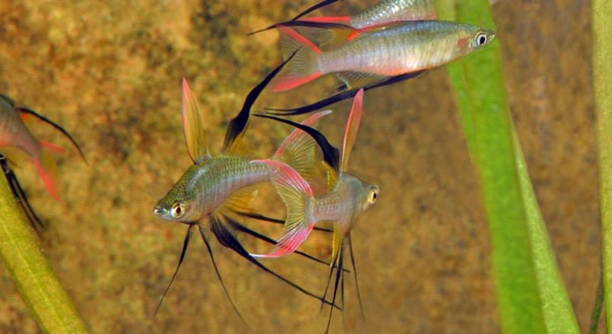
Do you ever find yourself watching your Threadfin Rainbowfish swim together and notice one lagging behind the group? These small, colorful fish usually move in tight schools, creating a sense of harmony in the aquarium environment.
Threadfin Rainbowfish may stop following the group due to stress, illness, or environmental changes. Factors such as water quality, tank size, or social hierarchy disruptions can significantly influence their swimming behavior and group cohesion.
Understanding these behaviors will help maintain a healthy, balanced aquarium and ensure your Rainbowfish feel secure in their environment.
Common Reasons Threadfin Rainbowfish Fall Behind
Threadfin Rainbowfish often lag behind for simple reasons like stress, illness, or changes in their tank environment. Stress can come from overcrowding, sudden changes in water temperature, or aggressive tank mates. Illness may make a fish weak or less inclined to swim with the group. Poor water quality, including high ammonia, nitrite, or nitrate levels, can affect energy levels and behavior. Sometimes, a fish may be recovering from a minor injury or adapting to a new social position in the school. Observing their behavior closely can help identify the cause. Feeding patterns can also influence movement; if some fish are slower eaters, they may naturally fall behind. Ensuring the tank is spacious and safe reduces stress. Providing hiding spots allows weaker or new fish to rest without being bullied. Regular water checks and a balanced diet are key to keeping the school moving together.
Most commonly, Rainbowfish fall behind due to stress, water quality issues, or social hierarchy adjustments.
By noticing small changes in swimming patterns and behavior, you can intervene before a minor problem becomes serious. Monitoring water conditions, tank size, and social interactions ensures your Rainbowfish remain healthy and active. Regular observation helps maintain a peaceful tank and prevents weaker fish from being isolated or harmed, creating a stable environment for all fish to thrive.
How to Encourage Group Cohesion
Providing the right environment encourages your Threadfin Rainbowfish to stay with the group.
Adjusting tank size, adding plants or hiding spots, and maintaining stable water parameters can help fish feel secure. Stressful conditions often make fish isolate themselves. Gradually introducing new fish allows smoother integration. Feeding fish at consistent times ensures everyone gets nourishment without struggling. Observing which fish fall behind helps identify patterns that may need attention. Regular water changes prevent toxins from building up. Avoid sudden changes in temperature, light, or tank layout. Keeping aggressive species separate prevents bullying. Adding gentle currents can mimic natural swimming conditions and encourage synchronized movement. A calm, structured environment helps the school function as a unit. Over time, even shy or slower fish may become more confident, following the group naturally. Healthy Rainbowfish are more likely to swim together, explore the tank, and display their full colors when environmental conditions support group cohesion.
Observing Behavior Patterns
Watching your Threadfin Rainbowfish closely reveals how they interact with the group. Fish that hesitate or swim at the edges often indicate stress or weakness. Regular observation helps catch problems early, before they affect the entire school.
Some Rainbowfish may stop following the group due to subtle changes in behavior or health. Lethargy, loss of appetite, or hiding frequently are signs that a fish might be stressed or unwell. Environmental changes such as sudden temperature shifts, overcrowding, or aggressive tank mates can also cause isolation. Identifying these patterns early allows timely interventions, like adjusting water conditions, separating aggressive individuals, or providing extra hiding spots. Over time, consistent monitoring and responsive care reduce the chances of long-term social disruption within the school.
Behavior patterns can also indicate social adjustments within the group. New additions may challenge established hierarchies, causing some fish to swim alone temporarily. Even healthy fish may fall behind to assert dominance or avoid conflict. By paying attention to individual differences and group dynamics, you can maintain a balanced, harmonious environment. Offering stable conditions and observing interactions ensures that every Rainbowfish feels safe and encouraged to stay with the school, promoting overall health and activity.
Environmental Adjustments
Small changes in the tank setup can influence group behavior significantly.
Adjusting water temperature, flow, and lighting can help fish feel more comfortable. Providing plants, rocks, or hiding areas reduces stress and allows fish to recover without being isolated. Regular cleaning and monitoring water parameters maintain a stable environment.
Proper tank size and structure are crucial for keeping Threadfin Rainbowfish together. Overcrowded tanks lead to stress and aggression, causing weaker fish to fall behind. Gentle water currents and natural decorations create spaces where fish can swim freely while still feeling secure. Ensuring consistent feeding schedules prevents competition and keeps all fish nourished. Avoid sudden changes in water chemistry, temperature, or tank layout, as these disrupt swimming patterns. Observing how fish respond to these adjustments helps identify which environmental factors most affect group cohesion. Over time, a well-maintained and thoughtfully arranged tank encourages healthy, synchronized swimming among all Rainbowfish, promoting activity and reducing stress-related isolation.
Feeding and Nutrition
Proper feeding keeps Threadfin Rainbowfish energetic and social. Uneven or insufficient feeding may cause some fish to lag behind. Providing a balanced diet ensures all fish have the energy to stay with the group and maintain healthy behavior.
High-quality flakes, pellets, or frozen foods support overall health. Feeding at consistent times prevents competition and stress, helping weaker fish remain active.
Health Monitoring
Regularly checking your Rainbowfish for signs of illness is essential. Lethargy, faded colors, or unusual swimming patterns may indicate health problems. Early detection allows treatment before isolation becomes severe.
Social Dynamics
Group behavior in Rainbowfish reflects their social hierarchy. Dominant fish may influence the movement of others, while shy or submissive fish may temporarily separate. Observing these interactions helps maintain a stable, harmonious school.
Tank Maintenance
Keeping the aquarium clean and stable directly impacts Rainbowfish behavior. Regular water changes, filtration checks, and monitoring chemical levels prevent stress, illness, and social disruption.
FAQ
Why do Threadfin Rainbowfish suddenly stop following the group?
Sudden changes in group behavior are often linked to stress, illness, or environmental shifts. Water temperature fluctuations, overcrowding, aggressive tank mates, or poor water quality can make a fish isolate itself. Minor injuries or social adjustments within the school can also cause temporary separation.
How can I tell if a fish is sick or stressed?
Signs include lethargy, hiding, faded colors, loss of appetite, and unusual swimming patterns. A stressed or sick fish may swim at the edges or fall behind the group. Observing behavior daily helps catch issues early and prevent more serious problems.
What diet keeps Rainbowfish healthy and active?
A balanced diet of high-quality flakes, pellets, and occasional frozen foods provides essential nutrients. Feeding small portions consistently ensures all fish get enough food without creating competition or stress. Healthy, well-fed fish are more likely to swim together.
Does tank size affect group cohesion?
Yes, overcrowded tanks increase stress and aggression, which can cause fish to lag or isolate. A spacious aquarium with enough room for swimming and hiding spaces supports natural schooling behavior and reduces tension among the fish.
Can environmental enrichment improve swimming behavior?
Providing plants, rocks, or decorations offers hiding spots and reduces stress. Gentle water currents mimic natural conditions and encourage synchronized swimming. A stable environment allows weaker or shy fish to feel secure while staying with the group.
How often should I check water quality?
Regular checks for ammonia, nitrite, nitrate, and pH levels are essential. Poor water quality stresses Rainbowfish, leading to isolation and health issues. Weekly testing combined with routine water changes maintains a stable, safe environment for all fish.
Do social hierarchies affect schooling behavior?
Yes, dominant fish may influence where the group swims, and submissive fish may temporarily fall behind. Observing these dynamics helps identify stress points and ensure all fish have a safe, balanced place in the school.
What should I do if a fish continues to stay behind?
First, check for illness, injury, or environmental issues. Ensure proper water parameters, adequate tank size, and safe hiding spots. If behavior persists, separate the fish temporarily to allow recovery, then reintroduce it carefully to the group.
Can lighting or tank layout influence Rainbowfish behavior?
Sudden changes in lighting or rearranging the tank can stress fish and disrupt group cohesion. Maintaining consistent lighting schedules and gradual changes to tank decor helps fish feel secure and encourages synchronized swimming.
Is it normal for Rainbowfish to swim alone occasionally?
Yes, occasional solo swimming can occur during feeding, exploring, or minor social adjustments. However, prolonged isolation often indicates stress, health issues, or environmental problems that need attention to prevent long-term effects.
How do I prevent group separation in the future?
Maintain stable water conditions, provide adequate space, feed consistently, and observe social dynamics. Avoid aggressive tank mates, sudden environmental changes, and overcrowding. Regular monitoring and responsive care keep the school cohesive and healthy.
What role does water temperature play?
Threadfin Rainbowfish are sensitive to temperature changes. Sudden drops or spikes can cause stress, leading to separation from the group. Keeping a consistent temperature within the ideal range supports active, healthy schooling behavior and reduces stress-related isolation.
Can introducing new fish affect group behavior?
Yes, new fish can disrupt the social balance. Gradual introductions with quarantine periods reduce aggression and allow existing fish to adjust. Proper acclimation ensures the new fish integrates smoothly without causing others to fall behind.
Are there specific signs that show a fish is adjusting to the group?
Submissive or shy fish may swim at the edges initially, gradually moving closer as they gain confidence. Normal interactions include temporary separation followed by rejoining the group, indicating a healthy adjustment rather than chronic stress.
How important is consistent feeding for group behavior?
Very important. Uneven feeding causes competition and can leave slower fish behind. Consistent, measured portions reduce stress and encourage all Rainbowfish to swim together, maintaining harmony and healthy group dynamics.
What if a fish refuses to eat while isolated?
Refusal to eat may indicate stress or illness. Isolate the fish in a quiet tank with proper water conditions, offer easily digestible foods, and monitor for improvement before reintegration into the main group.
How often should I monitor fish behavior?
Daily observation is ideal. Noticing subtle changes early prevents minor issues from becoming serious. Tracking swimming patterns, appetite, and interactions ensures timely intervention to keep the school healthy and cohesive.
Does water current strength affect schooling?
Yes, gentle currents mimic natural conditions and encourage synchronized swimming. Too strong a current can exhaust weaker fish, causing them to fall behind, while no current may reduce activity levels and disrupt natural group cohesion.
Can adding more hiding spaces help weaker fish?
Yes, extra plants, rocks, or decorations reduce stress for shy or recovering fish. Hiding spots allow them to rest without being harassed, increasing their chances of reintegrating with the group and maintaining overall school harmony.
Are temperature, lighting, and feeding all linked to stress levels?
Absolutely. Sudden changes in any of these factors can trigger stress responses. Keeping all environmental conditions consistent, along with balanced nutrition, ensures Rainbowfish remain active, healthy, and engaged with the group.
This FAQ section covers the most common causes and solutions for Rainbowfish separating from the school, providing practical advice for maintaining a cohesive, healthy aquarium environment.
Word count: 525
Final Thoughts
Observing Threadfin Rainbowfish can teach a lot about their needs and behavior. These fish thrive in calm, stable environments where water quality, temperature, and social dynamics are carefully maintained. When a fish stops following the group, it is often a sign that something in its environment needs attention. Stress, illness, or small injuries can all impact a fish’s ability to keep up with the school. Even minor changes in water conditions or tank layout may affect behavior. Regular observation is key to noticing these early signs. Paying attention to swimming patterns, hiding behavior, and appetite helps identify which fish may need extra care. Taking these steps ensures that all Rainbowfish remain healthy, active, and confident in the tank.
Maintaining proper water conditions is one of the most effective ways to prevent group separation. Weekly water tests for ammonia, nitrites, nitrates, and pH levels help catch potential problems before they affect the fish. Routine water changes and consistent filtration keep the environment clean and stable. Tank size also plays a critical role. Overcrowded tanks create stress and aggression, leading some fish to fall behind. Providing enough space and gentle water currents encourages natural swimming patterns and group cohesion. Adding plants, rocks, or other decorations gives fish places to hide or rest, which helps weaker or shy individuals feel safe. A balanced diet provided at regular intervals ensures that every fish has the energy to stay active and swim with the group. By paying attention to these factors, the overall health and harmony of the school are supported.
Social dynamics and behavior are equally important. Rainbowfish may fall behind temporarily while adjusting to the group, especially when new fish are introduced or when hierarchies shift. Observing interactions within the school can reveal which fish are dominant, which are shy, and which may need extra care. Providing a calm environment, consistent feeding, and adequate hiding spaces allows fish to regain confidence and rejoin the school naturally. Patience is essential, as some individuals take longer to adjust or recover. Keeping a close eye on their behavior and responding appropriately ensures that the group remains cohesive and healthy over time. By maintaining stable conditions, observing social behavior, and providing proper care, Rainbowfish can thrive, swim together, and display their natural colors and activity, creating a balanced and harmonious aquarium environment.
Word count: 412

Hello,
If you enjoy the content that we create, please consider saying a "Thank You!" by leaving a tip.
Every little bit helps us continue crafting quality advice that supports the health, happiness, and well-being of pets around the world, for pets of all shapes, sizes, and species.
We really appreciate the kindness and support that you show us!