
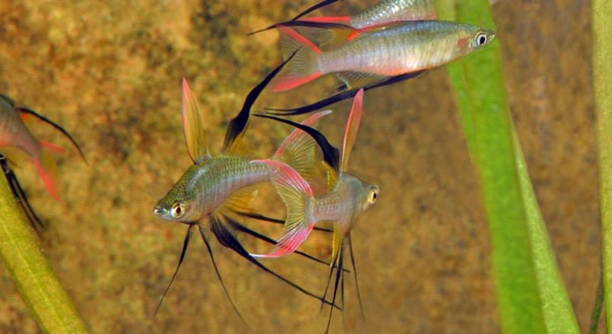
Threadfin Rainbowfish are vibrant, active fish that brighten any freshwater tank. They require consistent care to thrive, as sudden changes in their environment can cause them discomfort or distress. Understanding their needs helps maintain a healthy habitat.
Stress in Threadfin Rainbowfish is commonly triggered by overcrowding, poor water quality, sudden temperature fluctuations, aggressive tankmates, improper diet, insufficient hiding spaces, and frequent handling. These factors disrupt their natural behavior and physiological balance, leading to stress-related health issues.
Identifying these triggers early ensures your fish remain lively and healthy while promoting a balanced, peaceful aquarium environment.
Overcrowding in the Tank
Overcrowding is a major source of stress for Threadfin Rainbowfish. These fish thrive when they have enough space to swim freely. When too many fish share a tank, competition for food and territory increases. Aggressive behavior may emerge, and weaker fish may be chased or bullied. Overcrowding also affects water quality, as more waste accumulates, leading to higher ammonia and nitrite levels. This combination of stressors can weaken their immune system and make them more susceptible to disease. Providing adequate space, generally at least 10 gallons for every few fish, helps reduce conflicts and promotes natural behavior. Adding hiding spots and plants allows fish to retreat when needed. Regularly monitoring the number of fish and their interactions can prevent stress from escalating. Observing swimming patterns and behavior helps identify early signs of discomfort, allowing for timely adjustments. Ensuring a spacious, calm environment is key to keeping Threadfin Rainbowfish healthy and active.
Reducing the number of fish or upgrading to a larger tank can immediately lower stress levels and improve overall tank dynamics.
Proper stocking and thoughtful tank layout encourage harmony, letting Threadfin Rainbowfish display natural schooling and playful behaviors without constant competition for space.
Poor Water Quality
Dirty or unbalanced water is a direct stress factor for Threadfin Rainbowfish. High ammonia, nitrite, or nitrate levels irritate gills and can damage internal organs.
Maintaining clean, stable water conditions is essential. Regular water changes, testing parameters, and using efficient filtration prevent harmful chemical buildup and protect fish health.
Water quality affects fish behavior, coloration, and appetite. Threadfin Rainbowfish are sensitive to sudden shifts in pH, temperature, or hardness. Fluctuating conditions trigger stress responses like hiding, erratic swimming, or reduced feeding. Consistent maintenance routines help avoid these problems. Conditioning tap water to remove chlorine and balancing minerals ensures a safe environment. Overfeeding can also degrade water quality, so portion control is important. Monitoring water clarity and testing parameters weekly provides a clear picture of tank health. Plants and substrate management contribute to stability by reducing organic waste accumulation. Maintaining a predictable, clean aquatic environment keeps Threadfin Rainbowfish calm, encourages natural schooling, and supports strong immune function, helping them thrive over the long term.
Aggressive Tankmates
Aggressive fish create constant stress for Threadfin Rainbowfish. They chase, nip fins, and dominate feeding areas, leaving peaceful fish anxious and withdrawn. Avoiding territorial or predatory species helps maintain a calm, balanced tank environment.
Introducing compatible species is essential for harmony. Threadfin Rainbowfish prefer calm, similarly sized fish that school together. Aggressive or overly territorial tankmates increase stress hormones, reduce appetite, and may trigger illness. Observation is key—watch interactions closely after adding new fish. Rearranging plants or decorations can create separate territories, giving weaker fish safe spaces to retreat. Stress from aggression can escalate quickly, so immediate action prevents long-term health issues. Providing a well-structured environment and monitoring behaviors ensures peaceful coexistence.
Even subtle signs of aggression, like chasing or sudden darting, indicate discomfort. Adjusting tank composition early avoids serious injuries, allowing Threadfin Rainbowfish to swim freely and maintain their natural behaviors without fear.
Sudden Temperature Fluctuations
Threadfin Rainbowfish are sensitive to rapid temperature changes. Fluctuations stress their metabolism and immune system, making them prone to disease.
Stable water temperature is critical. A heater with a reliable thermostat prevents sudden drops, while gradual adjustments during maintenance avoid shock. Consistency supports feeding and activity levels, reducing stress.
Temperature swings impact both behavior and health. Sudden cold can slow metabolism, causing lethargy, while heat spikes increase respiration and aggression. Using a thermometer daily helps track conditions, and insulating the tank minimizes environmental influence. Gradual acclimation is important when introducing new fish to the tank. Proper temperature management ensures Threadfin Rainbowfish maintain energy, coloration, and normal schooling behavior. Combining stable water conditions with careful monitoring prevents stress and supports long-term well-being.
Improper Diet
An unbalanced diet weakens Threadfin Rainbowfish, causing stress and poor growth. Lack of variety or essential nutrients reduces energy and immunity, making them more vulnerable to disease.
Feeding high-quality flakes, pellets, and occasional live or frozen foods supports health. Avoid overfeeding, which can pollute water and increase stress levels.
Insufficient Hiding Spaces
Threadfin Rainbowfish need places to retreat. Without plants, rocks, or decorations, they feel exposed, increasing anxiety and stress levels in the tank.
Providing ample hiding spots allows fish to rest, escape aggression, and maintain natural behavior. Even small additions can significantly improve their comfort.
Frequent Handling
Excessive handling disturbs Threadfin Rainbowfish, leading to chronic stress. Nets, sudden movements, and constant interaction trigger fear responses, weakening their immune system and reducing vitality.
Limiting handling to necessary tasks, like tank maintenance or medical treatment, minimizes stress. Gentle, minimal contact preserves health and supports natural swimming and schooling patterns.
FAQ
What are the most common signs of stress in Threadfin Rainbowfish?
Stress in Threadfin Rainbowfish can appear in several ways. They may swim erratically, hide excessively, or lose their vibrant coloration. Loss of appetite and sudden lethargy are also common indicators. Some fish may develop clamped fins or show rapid gill movement, signaling discomfort. Observing behavior daily helps catch early signs before serious health issues develop.
How often should I test my aquarium water?
Testing water at least once a week is recommended. Key parameters like ammonia, nitrite, nitrate, pH, and temperature should be monitored. Keeping water within the ideal range ensures Threadfin Rainbowfish remain healthy and reduces the risk of stress-related illnesses. Using a reliable test kit provides accurate readings.
Can overfeeding cause stress?
Yes, overfeeding can directly affect water quality and fish health. Uneaten food decomposes, increasing ammonia and nitrite levels. This leads to poor water conditions, which stress the fish and can trigger disease. Feeding measured amounts and removing leftovers helps maintain both water quality and fish well-being.
Is it necessary to separate aggressive tankmates?
Separation is essential when aggression is persistent. Aggressive species can injure or intimidate Threadfin Rainbowfish, causing chronic stress. Using tank dividers or relocating aggressive fish prevents conflict. Providing sufficient hiding spots and structured territories can also reduce aggression and maintain a peaceful environment.
How can I reduce stress during tank maintenance?
Minimizing sudden changes is crucial. Gradually adjusting water parameters, handling fish gently, and avoiding frequent disturbances helps reduce stress. Cleaning filters, performing water changes, and arranging decorations carefully all contribute to a calm and stable tank environment. Regular routines create a predictable setting that Threadfin Rainbowfish respond well to.
Do temperature changes affect stress levels?
Absolutely. Rapid temperature fluctuations disrupt metabolism and weaken the immune system. Using a reliable heater and thermometer ensures stable temperatures. Gradual acclimation during water changes or new introductions prevents shock. Stable, consistent temperatures support feeding, activity, and overall health.
What role do hiding spots play in stress reduction?
Hiding spots provide safety and reduce anxiety. Plants, rocks, and decorations allow fish to retreat when feeling threatened or overwhelmed. These spaces mimic natural habitats, encourage natural behaviors, and reduce stress caused by overcrowding or aggressive tankmates. Even small adjustments can greatly improve comfort.
Can diet improve stress resilience?
A balanced diet strengthens health and reduces stress susceptibility. High-quality flakes, pellets, and occasional live or frozen foods provide essential nutrients. Vitamins and proteins support the immune system, improve coloration, and enhance energy levels. Feeding consistent portions prevents overfeeding and maintains water quality.
How can I tell if my fish are stressed due to overcrowding?
Signs include frequent chasing, fin nipping, and reduced swimming space. Fish may cluster in corners or behind decorations. Overcrowding increases competition for food and resources, leading to visible stress and aggressive behaviors. Adjusting stocking levels and providing sufficient space alleviates these issues.
Is frequent handling harmful to Threadfin Rainbowfish?
Yes, frequent handling causes stress. Nets and sudden movements trigger fear responses, weakening the immune system. Limiting handling to essential tasks, such as health checks or tank maintenance, keeps fish calmer. When necessary, handle gently and for the shortest time possible to avoid prolonged stress.
How quickly can stress affect fish health?
Stress can have immediate and long-term effects. Short-term stress may cause hiding or reduced feeding, while chronic stress can weaken the immune system, slow growth, and increase susceptibility to disease. Early detection and addressing stressors promptly are crucial to maintaining healthy Threadfin Rainbowfish.
What preventive steps are most effective?
Maintaining stable water conditions, providing adequate space, selecting compatible tankmates, offering hiding spots, and feeding a balanced diet are the most effective preventive measures. Regular observation and timely interventions help ensure Threadfin Rainbowfish remain healthy, active, and free from stress-related complications.
How can I tell if water quality is causing stress?
Fish may gasp at the surface, swim erratically, or show color fading. Testing ammonia, nitrite, nitrate, and pH levels reveals imbalances. Clear water, free from debris and odors, indicates a stable environment. Correcting chemical imbalances promptly prevents long-term stress and supports overall fish health.
Are there signs of stress that indicate immediate danger?
Yes, sudden lethargy, rapid gill movement, fin rot, or visible wounds suggest urgent problems. Immediate water testing, partial water changes, and isolating affected fish can prevent serious illness or mortality. Prompt action is essential for recovery and maintaining a safe environment.
Does tank layout affect stress levels?
Absolutely. Open spaces with insufficient hiding spots increase anxiety. Rearranging plants, rocks, and decorations creates territories and reduces conflict. A thoughtfully structured tank supports natural behavior, minimizes competition, and lowers stress caused by environmental instability.
Can Threadfin Rainbowfish recover from stress?
With proper care, they can recover. Stabilizing water conditions, reducing aggression, offering hiding spaces, and providing balanced nutrition helps restore health. Recovery may take days to weeks, depending on stress severity. Consistent care and observation ensure long-term well-being and a thriving aquarium environment.
How important is daily observation?
Daily observation is critical. Early detection of behavioral changes, aggression, or feeding issues allows for quick intervention. Monitoring swimming patterns, coloration, and appetite helps identify stress before it affects long-term health. A proactive approach supports thriving, resilient Threadfin Rainbowfish.
What role does tank size play in stress prevention?
Adequate tank size ensures sufficient swimming space and reduces competition. Overcrowding heightens aggression and stress. Larger tanks allow natural schooling, territorial spacing, and access to food without constant conflict. Choosing the right tank volume is a key preventive measure for stress-free Threadfin Rainbowfish care.
Final Thoughts
Threadfin Rainbowfish are lively, colorful additions to any freshwater tank, but they require careful attention to their environment to remain healthy and stress-free. Stress can arise from many sources, including overcrowding, poor water quality, aggressive tankmates, sudden temperature changes, improper diet, insufficient hiding spaces, and frequent handling. Each of these factors impacts their behavior, health, and overall well-being. Observing your fish closely on a daily basis allows you to spot signs of stress early, such as erratic swimming, hiding, loss of appetite, or faded coloration. Addressing these issues promptly helps prevent long-term health problems and ensures your fish thrive in a comfortable, balanced environment.
Maintaining stable water conditions is one of the most important steps in keeping Threadfin Rainbowfish stress-free. Regular testing of water parameters like ammonia, nitrite, nitrate, and pH ensures that the environment stays within safe ranges. Temperature stability is equally important, as sudden fluctuations can disrupt their metabolism and weaken their immune system. Providing clean water through consistent partial water changes, using a reliable filtration system, and avoiding overfeeding all contribute to a healthier, calmer tank. Plants, rocks, and decorations provide hiding spots, which reduce anxiety and allow fish to retreat when needed. Creating a well-structured tank with ample swimming space and secure territories promotes natural behaviors and reduces stress caused by overcrowding or aggressive tankmates.
Diet and routine care also play a significant role in supporting the health and stress resilience of Threadfin Rainbowfish. Offering a balanced diet that includes high-quality flakes, pellets, and occasional live or frozen foods ensures they receive essential nutrients to maintain energy, coloration, and immunity. Limiting handling to necessary tasks like tank maintenance or medical treatment prevents unnecessary stress. Regular observation of their behavior, appetite, and interactions with tankmates allows you to identify early signs of discomfort and adjust the environment accordingly. By focusing on water quality, tank structure, diet, and careful monitoring, you create a stable and comfortable habitat where Threadfin Rainbowfish can thrive. Consistency and attention to their needs help maintain their vibrant appearance, active behavior, and long-term health, ensuring that your fish remain healthy, happy, and stress-free in their aquatic home.

Hello,
If you enjoy the content that we create, please consider saying a "Thank You!" by leaving a tip.
Every little bit helps us continue crafting quality advice that supports the health, happiness, and well-being of pets around the world, for pets of all shapes, sizes, and species.
We really appreciate the kindness and support that you show us!