
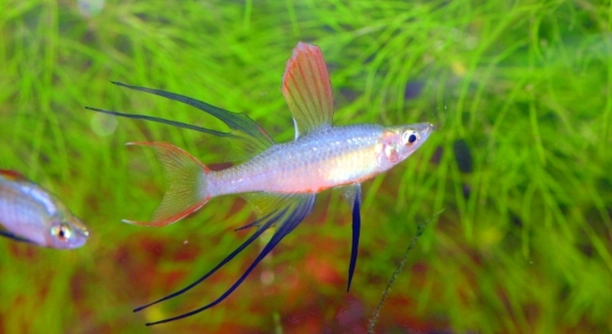
Have you ever noticed your threadfins swimming around their tank and pausing near certain decorations? Observing these subtle behaviors can be fascinating, especially when thinking about how fish might interact differently with their environment over time.
Threadfins are capable of developing preferences for certain tank objects. Research indicates that repeated exposure and environmental enrichment can influence their behavior, leading them to favor specific structures, substrates, or hiding spots within an aquarium.
Exploring these preferences can reveal more about their natural instincts and how to create a more engaging and comfortable habitat for your fish.
Observing Threadfins’ Interactions
Watching threadfins interact with objects in their tank can be surprisingly revealing. They often swim close to decorations or hover near particular rocks and plants, showing interest or comfort. Some threadfins explore new items cautiously at first, then gradually return to them. Patterns emerge as certain objects get more attention than others. It can feel rewarding to notice these little habits because they hint at what the fish find appealing. Factors like color, texture, and placement play a role in which items attract their attention. Over time, repeated interactions show consistent preferences. Some threadfins seem to favor objects that offer hiding spaces or areas where water flow feels gentle. Others show curiosity toward shiny or moving decorations. Tank size and lighting also affect how often a fish engages with an object. By noting these behaviors, caretakers can better understand each fish’s individual likes and adapt the aquarium environment to match their natural inclinations.
Fish often return to their favorite spots several times a day, indicating genuine preference rather than random choice.
Monitoring these patterns helps ensure that tank objects serve the fish’s comfort and mental stimulation. Reorganizing decorations based on their reactions can improve their well-being.
Factors That Influence Preferences
Object type, texture, and placement directly affect which tank items threadfins prefer. Smooth stones, driftwood, and artificial plants each offer different tactile and visual experiences, which the fish respond to in unique ways.
Lighting conditions and water flow also play significant roles. Some threadfins avoid strong currents, so objects placed in calmer areas get more attention. Colors that contrast with the tank’s background can draw curiosity, while items that blend in may be used for hiding. Additionally, tank size impacts exploration—smaller tanks can limit options, while larger spaces allow for selective engagement. Social dynamics among multiple threadfins also matter; some may claim certain objects as favored spots, influencing others’ behavior. Changes in tank objects, even minor ones, can prompt exploration or avoidance, signaling the fish’s preferences. Observing these interactions over weeks gives a clearer picture of individual inclinations. Environmental enrichment, including varied textures, hiding places, and safe open areas, can help promote natural behaviors and reduce stress, making the tank more engaging for threadfins overall.
Encouraging Object Interaction
Offering a variety of objects can stimulate threadfins to explore more. Items with different textures and shapes encourage natural behaviors like swimming, hiding, and investigating, keeping them active and engaged.
Some threadfins may initially ignore new objects, but repeated exposure often increases interaction. Placing items in areas they naturally frequent makes it easier for them to notice and investigate. Rotating objects occasionally can maintain curiosity, preventing boredom. Smooth stones, driftwood, and plastic plants each provide unique experiences, letting the fish choose what feels safest or most interesting. Watching which items attract more attention reveals individual preferences. Over time, these patterns help in designing a tank setup that supports mental stimulation and comfort.
Providing safe hiding spaces is particularly effective. Threadfins often gravitate toward objects that offer partial cover or visual separation from other fish. It helps them feel secure while exploring. Observing these choices allows caretakers to tailor the aquarium environment to each fish’s natural tendencies.
Monitoring Changes Over Time
Regular observation helps detect shifts in object preference. Threadfins might suddenly favor new items or ignore previous favorites, reflecting changes in comfort or curiosity levels.
Behavioral shifts often occur with age, health, or social dynamics. Younger fish may explore more, while older ones prefer familiar objects. Introducing new decorations gradually allows adjustment without causing stress. Changes in lighting, water flow, or tank layout can also influence which objects attract attention. Tracking interaction patterns over weeks provides insight into these preferences. Recording behaviors can highlight subtle trends, such as objects used for hiding versus active investigation. Consistent observation ensures that the tank setup continues to support natural instincts, mental stimulation, and overall well-being of the threadfins, allowing adjustments when needed.
Adjusting Tank Layout
Changing the placement of objects can reveal hidden preferences. Threadfins often respond to new arrangements by exploring areas they previously ignored.
Even small shifts, like moving a plant a few inches, can spark renewed interest. Observing reactions helps identify favored spots and promotes natural exploration patterns.
Recognizing Individual Choices
Each threadfin develops unique habits. Some may prefer open swimming spaces, while others favor enclosed or sheltered areas. Recognizing these differences allows caretakers to provide objects that suit each fish’s comfort and curiosity.
Balancing Stimulation and Safety
Providing too many items can overwhelm threadfins. Limiting objects to a manageable number ensures they can interact meaningfully without feeling stressed.
FAQ
Can threadfins remember objects in their tank?
Yes, threadfins can show recognition of objects they frequently interact with. They often return to familiar rocks, plants, or decorations, suggesting memory plays a role in their preferences. Repeated exposure strengthens this familiarity, helping them feel more secure in their environment.
How long does it take for threadfins to develop object preferences?
The timeline varies among individuals, but most threadfins begin showing noticeable preferences within a few weeks of consistent exposure. Younger fish may explore more before settling, while older fish might quickly favor certain objects. Consistent observation helps track these changes.
Do threadfins prefer natural or artificial objects?
Preferences depend on texture, shape, and placement rather than whether the item is natural or artificial. Driftwood, smooth stones, and artificial plants can all be attractive. Objects that mimic natural hiding spaces or create gentle water flow tend to be favored.
Can social behavior affect preferences?
Yes, the presence of other threadfins can influence which objects are used. Dominant fish may claim preferred spots, causing others to choose alternative objects. Social dynamics should be considered when arranging objects, ensuring all fish have options to explore or hide.
How often should I change tank objects?
Occasional rotation can encourage exploration without causing stress. Sudden or frequent changes may overwhelm the fish. A simple approach is to introduce minor adjustments once every few weeks while keeping some familiar items constant for security.
Do lighting and water flow affect object interaction?
Absolutely. Threadfins may avoid strong currents or brightly lit areas, preferring calm spaces with moderate light. Observing how they respond under different conditions can help determine the best placement for decorations and hiding spots.
Can preferences indicate health or stress levels?
Changes in behavior toward objects can signal health or stress concerns. Avoidance of previously favored items, reduced exploration, or increased hiding may indicate illness, poor water quality, or social stress. Regular observation supports early detection and timely action.
Is there a way to encourage shy threadfins to explore objects?
Yes, placing objects near areas they already frequent or adding partial cover can help shy fish feel safe. Gradual introduction and minimal disruption increase their willingness to interact with new items over time.
Are certain object types better for mental stimulation?
Objects that provide different textures, hiding spots, or slight movement in water promote curiosity and activity. Smooth stones, driftwood, and plants of varying heights offer varied experiences that engage their senses and natural instincts.
Can threadfins’ preferences change over time?
Yes, preferences are not fixed. Age, health, social dynamics, or environmental changes can shift which objects a fish favors. Monitoring interactions over weeks or months helps caretakers adapt the tank to the fish’s evolving needs.
How can I track preferences effectively?
Simple observation works well. Note which objects the fish approach first, how long they interact, and which items are avoided. Keeping a small log helps identify patterns and make informed decisions about tank setup.
Do all threadfins develop clear preferences?
Not necessarily. Some individuals explore all objects evenly or show minimal attachment. This variation is normal and should guide how many objects are added, ensuring options without overwhelming the fish.
Can environmental enrichment improve overall well-being?
Yes, providing diverse objects and safe hiding spots supports natural behaviors, reduces stress, and encourages activity. Thoughtful enrichment enhances both mental and physical health, making the tank more comfortable and engaging for threadfins.
Are there objects to avoid?
Sharp-edged or unstable items can pose risks. Avoid decorations that could injure fins or create unsafe spaces. Ensuring objects are smooth, secure, and non-toxic keeps the tank safe while allowing meaningful interaction.
How does tank size influence preferences?
Larger tanks allow more exploration and selective interaction, while smaller tanks may limit options. Observing how fish move and choose objects helps optimize layout and ensures that all threadfins can access preferred spots comfortably.
Can preferences help in designing a better tank setup?
Yes, understanding individual and group preferences informs object placement, selection, and variety. A well-planned tank balances stimulation, hiding spaces, and open swimming areas, catering to both natural instincts and comfort.
Should I prioritize individual or group preferences?
Both matter. Balancing objects to suit dominant and shy fish ensures all threadfins can engage meaningfully. Providing multiple options of similar type prevents conflicts while supporting exploration for every fish in the tank.
How do I know if a new object is accepted?
Acceptance is shown by regular interaction, frequent visits, or using it for hiding or resting. Avoidance or disinterest suggests the fish is not comfortable with the item, and its placement or type may need adjustment.
Can threadfins interact with multiple objects at once?
Yes, some fish move between items during exploration. This behavior often indicates curiosity and engagement. Offering a variety of safe objects encourages movement and mental stimulation, preventing boredom.
Do preferences affect feeding behavior?
Indirectly, yes. Fish may prefer feeding near familiar objects or in comfortable areas. Using favorite spots for feeding can reduce stress and encourage natural foraging behaviors, creating a calmer, more predictable routine.
How important is patience in observing preferences?
Very important. Threadfins may take time to reveal true preferences. Regular, gentle observation without interference allows accurate understanding of habits, guiding the creation of a more comfortable and engaging tank environment.
Are there seasonal or environmental factors that change preferences?
Temperature, light cycles, or minor water parameter changes can influence exploration. Fish may favor certain objects in cooler or warmer conditions, so maintaining consistent water quality and observing seasonal behaviors supports long-term well-being.
Can preferences be predicted?
Patterns emerge over time, but individual differences make exact prediction difficult. Monitoring behavior, noting favored objects, and understanding natural tendencies provide guidance, though some trial and error may be necessary for optimal tank arrangement.
Do preferences ever conflict among multiple fish?
Yes, dominant fish may claim preferred spots, while others adapt by selecting alternative objects. Providing multiple options of similar type helps reduce competition and ensures all fish have engaging areas in the tank.
Can preferences inform breeding or care practices?
Yes, observing favored objects helps design safer, comfortable spaces for egg-laying or resting. Understanding individual behaviors ensures that breeding setups or specialized care align with natural instincts and preferences.
How can caretakers maintain long-term engagement?
Rotating objects, adding varied textures, and occasionally introducing subtle changes keep threadfins stimulated. Maintaining familiar favorites while introducing novelty supports both curiosity and comfort, promoting mental and physical health over time.
Final Thoughts
Observing threadfins in a tank can be more rewarding than it first appears. These fish show small but meaningful behaviors that hint at preferences for certain objects. They may hover near a plant, swim around a rock, or hide behind decorations repeatedly. These patterns are not random; they reflect choices that provide comfort, security, or mental stimulation. Each threadfin behaves slightly differently, and noticing these differences can help caretakers understand the individual needs of their fish. Over time, these preferences can become clear, showing which objects are favored and which are less interesting. Paying attention to these details allows for a more thoughtful approach to tank setup and management. Small adjustments, like moving an object or adding a new decoration, can change behavior, revealing new preferences or reinforcing existing ones. Observing and learning from these interactions helps create a space that feels familiar and safe for the fish.
Providing a variety of objects in the tank is essential to encourage natural behavior. Threadfins respond to differences in shape, texture, and placement, and they often choose objects that offer hiding spaces or areas where the water flow is gentle. Smooth stones, driftwood, and artificial plants all have their advantages depending on what the fish find interesting. Rotating or slightly adjusting these objects can maintain curiosity without causing stress. Overcrowding the tank with too many decorations can be counterproductive, as it may overwhelm the fish and limit their ability to make choices. A balance between familiar favorites and occasional novelty keeps threadfins mentally engaged. Additionally, tank size, lighting, and social dynamics influence how fish interact with objects. Observing their behavior in different conditions can guide decisions about object selection, placement, and overall tank organization, supporting both comfort and activity levels.
Consistency and patience are key when working with threadfins. Preferences develop over time, and behaviors may change due to age, health, or environmental shifts. Regular observation helps track these changes and ensures that the tank continues to meet the fish’s needs. Offering safe, diverse, and strategically placed objects promotes natural instincts, reduces stress, and supports overall well-being. Understanding individual tendencies alongside group dynamics allows caretakers to design a tank environment that balances exploration, hiding, and open swimming areas. By paying close attention to these subtle preferences, it is possible to create a space that feels stimulating yet secure, helping threadfins thrive. Observing their interactions is not just informative—it is a way to ensure that their daily lives in captivity are comfortable, enriching, and aligned with their natural behavior patterns.

Hello,
If you enjoy the content that we create, please consider saying a "Thank You!" by leaving a tip.
Every little bit helps us continue crafting quality advice that supports the health, happiness, and well-being of pets around the world, for pets of all shapes, sizes, and species.
We really appreciate the kindness and support that you show us!