
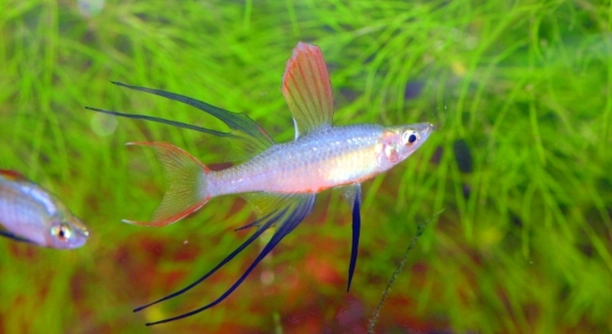
Do you ever wonder how your Threadfin Rainbowfish feel in their tank when left alone? These small, shimmering fish are known for their lively movements and colorful fins, often attracting attention in home aquariums.
Threadfin Rainbowfish are social animals and require a school to thrive. Keeping them in isolation can cause stress, reduced activity, and health problems. A minimum group of six individuals is recommended for proper social interaction and well-being.
Understanding their social needs can greatly improve your fish’s happiness and overall health in your aquarium environment.
Why Threadfin Rainbowfish Need a School
Threadfin Rainbowfish are naturally social and feel safest in a group. In the wild, they swim in schools, moving together for protection and comfort. When kept alone, they can become stressed, which often shows through dull colors, hiding, or reduced activity. A school provides more than companionship—it encourages natural behavior like exploring, foraging, and swimming actively. Without a school, these fish may develop weak immune systems and become more susceptible to illness. Observing a group of Threadfin Rainbowfish shows how they communicate through subtle fin movements and color changes, which helps maintain hierarchy and harmony. Even in a small tank, having at least six individuals can make a significant difference in their mental and physical health. Tanks with only one or two fish often result in lethargy and loss of appetite, whereas proper schooling stimulates activity, keeps them engaged, and promotes long-term well-being. Their schooling instincts are essential to a thriving aquarium setup.
Keeping fewer than six can cause stress and limited social interaction for your fish.
Providing a proper school creates a balanced and active tank environment. Fish swim together, explore more, and maintain brighter colors. The group dynamic prevents loneliness and stress-related behavior, making each fish more vibrant and healthy. Observing them interact is rewarding, and it reinforces the importance of proper schooling for their well-being.
Signs Your Rainbowfish Are Stressed
Stress in Threadfin Rainbowfish is often subtle but visible through behavior changes.
Common signs include hiding for long periods, loss of appetite, faded coloration, and reduced swimming activity. Stress can also cause them to dart suddenly or cling near tank decorations. Environmental factors like water quality, tank size, and lack of companions can worsen the issue. Keeping them in a school and providing ample space with plants or decorations allows them to feel secure and exhibit natural behaviors. Watching how they respond to each other in a group helps identify whether the school is functioning well. Stress management is critical for maintaining immune health and preventing disease.
Observing your fish daily can prevent long-term problems. Adjusting group size, adding hiding spots, or improving water conditions often alleviates stress. Even minor changes can lead to noticeable improvements in their activity levels, color vibrancy, and overall interaction. A healthy school not only keeps the fish physically fit but also mentally stimulated. Stress-free fish are more likely to eat well, reproduce, and display natural behaviors, making the tank lively and visually appealing. Proper social structure reduces aggressive tendencies and supports a harmonious environment. Tank decorations, moderate lighting, and water conditions should mimic natural habitats as much as possible. Over time, you will notice your Threadfin Rainbowfish becoming more confident, swimming openly, and responding positively to each other. Creating the right balance between group size and tank setup is essential for the fish’s long-term happiness.
Tank Setup for Schooling
A spacious tank with hiding spots is essential for Threadfin Rainbowfish. Plants, rocks, and open swimming areas help reduce stress and encourage natural schooling behavior.
The ideal tank size for a small school of six to eight Threadfin Rainbowfish is at least 30 gallons. Open swimming areas allow the fish to move freely, while dense planting provides security and reduces stress. Decorations like rocks or driftwood create boundaries that help the fish establish social hierarchies without constant conflict. Proper filtration ensures clean water, which is crucial for maintaining their health and vibrant colors. The combination of space, hiding spots, and clean water helps the school thrive together harmoniously.
Lighting and temperature also play a significant role in tank setup. Moderate lighting highlights their colors without overstressing them, and maintaining water temperature between 73–82°F supports their metabolism and activity. Avoid sudden temperature changes, as Threadfin Rainbowfish are sensitive to stress. Regular water testing and partial water changes are necessary to keep ammonia and nitrite levels low. Balanced nutrition with high-quality flakes or frozen food complements the proper environment, keeping the school energetic and healthy over time.
Feeding and Nutrition
Threadfin Rainbowfish eat a variety of foods to stay healthy and active.
A mix of high-quality flakes, pellets, and occasional live or frozen foods like brine shrimp or daphnia ensures balanced nutrition. Feeding small amounts two to three times a day prevents overfeeding and maintains water quality. Monitoring how each fish eats can reveal health issues early.
Nutritional variety supports vibrant colors, strong immunity, and proper growth. Live foods stimulate natural hunting instincts, encouraging activity within the school. Flakes and pellets provide essential vitamins and minerals, ensuring the fish receive complete nutrition. Avoid overfeeding, as leftover food can pollute the tank, affecting both water quality and fish health. Feeding in small portions allows the school to eat evenly, preventing dominant fish from monopolizing food and helping less assertive individuals thrive. Regular observation during feeding also strengthens understanding of the school’s dynamics and ensures all members are eating properly.
Social Behavior in a School
Threadfin Rainbowfish interact constantly within their school. They swim together, follow leaders, and respond to movements as a group.
Observing their social patterns helps identify stressed or sick fish early. A cohesive school shows active swimming, color changes, and minimal aggression, reflecting good overall health.
Breeding Considerations
Breeding Threadfin Rainbowfish is easier in a well-established school. Males display brighter colors and chase females gently, signaling readiness to spawn. Providing dense plants or spawning mops encourages egg laying, while separating eggs from adults increases survival rates. Consistent water conditions support successful reproduction.
Common Health Issues
Stress and poor water quality are leading causes of illness in Threadfin Rainbowfish. Regular monitoring and a balanced diet help prevent disease and maintain vibrant colors.
FAQ
Can Threadfin Rainbowfish live alone?
Threadfin Rainbowfish are social creatures and do not thrive when kept alone. Isolation can lead to stress, dull coloration, loss of appetite, and lower immunity. They need a group of at least six individuals to maintain natural behaviors, reduce stress, and remain healthy. Watching them in a proper school reveals their active swimming patterns and social interactions. Even a small group allows them to exhibit chasing, following, and subtle fin displays, which are essential for mental stimulation. Alone fish often become lethargic and hide more frequently, which can lead to long-term health issues.
What size tank is best for a school of Threadfin Rainbowfish?
A minimum of 30 gallons is recommended for a small school of six to eight Threadfin Rainbowfish. Larger tanks are better because they allow more swimming space and reduce stress from overcrowding. Open areas for swimming combined with plants and decorations for hiding spots help the fish establish social hierarchies naturally. Filtration is important to keep water clean, and regular water changes prevent ammonia and nitrite buildup. Adequate space ensures that all individuals in the school can eat without competition and exhibit natural behaviors freely.
How many Threadfin Rainbowfish should be kept together?
A school should ideally have at least six individuals, but eight to ten is often better for creating a more dynamic and natural social structure. Smaller groups may cause stress and aggression, while larger groups promote active swimming, interaction, and color vibrancy. Observing their interactions can help determine if the school is balanced or if some fish are being bullied. Proper group size is essential to maintain mental and physical health. It also allows all fish to participate in natural behaviors, including feeding, chasing, and synchronized swimming.
What do Threadfin Rainbowfish eat?
Threadfin Rainbowfish thrive on a varied diet that includes high-quality flakes, pellets, and occasional live or frozen foods like brine shrimp, daphnia, or bloodworms. Offering multiple food types ensures balanced nutrition, bright colors, and proper growth. Feeding small amounts two to three times a day prevents overfeeding and water pollution. Monitoring individual eating habits helps identify health issues early. Live foods stimulate hunting instincts and encourage swimming activity, which is especially important in a school. Maintaining a consistent feeding routine supports the overall well-being of all school members.
How do I prevent stress in Threadfin Rainbowfish?
Stress can result from isolation, poor water quality, sudden changes in temperature, or overcrowding. Providing a school, clean water, moderate lighting, and hiding spots helps reduce stress. Observing fish daily allows early detection of behavior changes like hiding, darting, or faded colors. Maintaining stable water temperature between 73–82°F and ensuring proper filtration improves their environment. Consistent feeding and minimizing sudden disturbances in the tank are also important. A well-maintained school with a balanced setup will remain active, healthy, and colorful.
Can Threadfin Rainbowfish breed in a home aquarium?
Yes, they can breed successfully when kept in a stable school. Males display brighter colors and gently chase females to encourage spawning. Providing dense plants or spawning mops gives them secure places to lay eggs. Separating eggs from adults increases survival rates, and maintaining consistent water parameters is crucial. Regular feeding with live or high-quality frozen foods boosts breeding readiness. Monitoring interactions ensures males are not overly aggressive and that females are safe. Breeding in a school environment mirrors their natural behavior and helps maintain a healthy, balanced tank ecosystem.
What are common health issues in Threadfin Rainbowfish?
Stress, poor water quality, and improper diet are the most common causes of illness. Signs include faded colors, reduced swimming, loss of appetite, and hiding. Preventing these issues requires proper schooling, a balanced diet, regular water changes, and monitoring water parameters. Observing the school for unusual behavior can detect problems early. Maintaining a clean and appropriately sized tank reduces the risk of bacterial or fungal infections. Balanced nutrition and minimizing stress ensure strong immunity, bright coloration, and longevity for all fish in the school.
How can I tell if my school is balanced?
A balanced school shows active swimming, synchronized movement, minimal aggression, and vibrant colors. All fish should have equal access to food, and no individual should be hiding constantly or being chased excessively. Proper group dynamics encourage natural behavior like following, fin displays, and coordinated swimming. Uneven schooling can indicate stress, illness, or improper tank conditions. Regular observation helps maintain balance and allows adjustments in tank setup, group size, or environmental enrichment to support the health and well-being of all Threadfin Rainbowfish.
Are there specific water conditions they prefer?
Threadfin Rainbowfish thrive in temperatures between 73–82°F with a pH of 6.5–7.5 and moderate water hardness. Stable water parameters are essential to prevent stress. Filtration, regular water changes, and avoiding sudden fluctuations in temperature or pH help maintain health. Adequate oxygenation and clean water reduce the risk of disease and support vibrant coloration. Proper water conditions also enhance schooling behavior, allowing fish to swim actively and interact naturally. Observing their behavior helps determine whether the water setup is optimal or needs adjustments.
How often should I feed Threadfin Rainbowfish?
Feeding small portions two to three times a day is ideal. Overfeeding can pollute the tank, while underfeeding can lead to stress and poor coloration. A varied diet ensures balanced nutrition and encourages active behavior. Monitoring their appetite helps identify health issues early. Feeding should be consistent, and leftovers should be removed promptly. Providing live or frozen foods occasionally stimulates natural hunting behavior within the school. A proper feeding schedule supports growth, immunity, and vibrant colors while keeping the tank environment clean and stress-free for all fish.
This FAQ provides guidance on keeping Threadfin Rainbowfish healthy, happy, and active within a school environment. Proper care, feeding, and observation are key to maintaining a thriving group.
Final Thoughts
Threadfin Rainbowfish are small, colorful fish that truly shine when kept in a proper school. Their natural behavior depends on having companions, and isolating them can cause stress and health problems. Observing them swim together, chase gently, and display subtle color changes shows how important social interaction is to their well-being. A minimum of six fish is recommended, but larger groups are even better for a more dynamic and natural environment. In addition to companionship, providing an appropriately sized tank with open swimming space, plants, and decorations helps reduce stress and encourages natural behaviors. A school of healthy Threadfin Rainbowfish creates a lively and balanced tank that is both visually pleasing and engaging to watch.
Maintaining their health requires attention to diet, water quality, and environmental conditions. Feeding a varied diet of high-quality flakes, pellets, and occasional live or frozen foods supports proper growth, bright colors, and strong immunity. Overfeeding should be avoided, as leftover food can pollute the tank and cause water quality issues. Daily observation of your fish allows you to notice changes in behavior, appetite, or coloration, which can indicate stress or illness. Regular water changes, proper filtration, and maintaining stable temperature and pH levels are essential for a thriving school. By keeping a clean, stable, and well-structured environment, you provide the ideal conditions for your Threadfin Rainbowfish to be active, social, and healthy.
A school of Threadfin Rainbowfish is more than just a group of fish—it is a small, interactive ecosystem that benefits from careful planning and consistent care. Watching the fish interact, explore, and respond to each other can be rewarding and educational. Understanding their needs and providing a suitable environment ensures that they remain vibrant, energetic, and free from stress. Even small adjustments, like adding plants for hiding spots or ensuring adequate swimming space, can make a noticeable difference in their behavior and health. Caring for Threadfin Rainbowfish is about more than just feeding and cleaning the tank—it is about creating a supportive environment where social interaction, nutrition, and stable conditions come together to promote long-term well-being. A well-maintained school not only keeps the fish healthy but also adds a sense of liveliness and balance to the aquarium, making it a truly enjoyable and engaging hobby.

Hello,
If you enjoy the content that we create, please consider saying a "Thank You!" by leaving a tip.
Every little bit helps us continue crafting quality advice that supports the health, happiness, and well-being of pets around the world, for pets of all shapes, sizes, and species.
We really appreciate the kindness and support that you show us!