
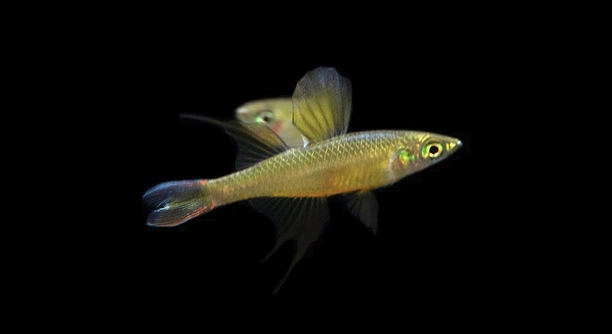
Threadfin Rainbowfish are small, colorful freshwater fish often kept in home aquariums. Observing their behavior can be both relaxing and fascinating, especially when they interact with their surroundings and respond to movements around them.
Threadfin Rainbowfish can recognize motion in their environment and often respond to nearby movements. Their reactions are generally subtle, including swimming toward or away from stimuli. This behavior is linked to their natural instincts for feeding, exploration, and avoiding potential threats.
Learning about these responses can improve how you care for your fish and create a more engaging aquarium environment. Understanding their habits allows for better interaction and observation.
How Threadfin Rainbowfish Notice Movements
Threadfin Rainbowfish have sharp eyesight that helps them notice changes in their environment quickly. They are small, yet active swimmers who use visual cues to detect both food and possible disturbances. When someone approaches the tank or makes noticeable movements nearby, these fish often shift their swimming patterns. They may swim closer to the glass, dart to another area, or hover with cautious attention. These behaviors are not signs of affection but natural instincts developed for survival. In their native habitats, noticing motion helps them avoid predators, find food, and maintain social awareness with other fish.
For aquarium keepers, these subtle behaviors can be seen as the fish acknowledging your presence. It shows that they are aware of activity outside the tank and are adjusting themselves accordingly.
The more time you spend near their tank, the easier it becomes to notice these small but meaningful reactions. With patience, their awareness feels more noticeable.
Why These Reactions Happen
Threadfin Rainbowfish respond to movement because they rely heavily on visual and environmental cues. These cues guide their instincts for feeding, safety, and social interactions within the aquarium setting.
In the wild, Threadfin Rainbowfish live in shallow freshwater habitats where light, shadows, and sudden disturbances are constant. Their awareness of these changes helps them survive, as predators and food sources can appear at any moment. In an aquarium, this instinct carries over, making them responsive to movement near their tank. When you pass by, tap lightly on the glass, or shift nearby objects, the fish may react by swimming closer or darting away. These responses are not random; they are linked to evolutionary behaviors that prioritize survival and awareness. Understanding this gives aquarists better insight into their needs, such as providing hiding spots, consistent feeding routines, and minimal stress. With the right conditions, their natural responses can be observed in a calm and engaging way.
How They React in Aquariums
In aquariums, Threadfin Rainbowfish often swim toward the glass when noticing movement, sometimes mistaking it for food. At other times, they may quickly dart away, showing their natural caution and alertness.
When they swim toward your movements, it can feel like interaction, but it is usually linked to their feeding response. Many fish associate nearby activity with food, especially if you feed them at regular times. Their darting or cautious swimming is also a sign of alertness. These small changes in behavior reveal how aware they are of their surroundings and how much outside activity influences their responses.
Observing their patterns over time allows you to see when they are relaxed and when they are cautious. Regular, calm presence near the tank often helps them become more accustomed to movements. As they adapt, you may notice them approaching more often without darting away immediately.
Creating a Comfortable Environment
Threadfin Rainbowfish feel safer when aquariums provide plants, hiding spots, and open swimming space. A balanced environment reduces stress and allows their natural behaviors to appear more clearly when reacting to nearby movements.
Placing live or artificial plants in the tank helps them feel protected, while open space lets them display their characteristic swimming style. A calm setting also reduces skittish behavior when movement occurs outside the tank. Feeding them at consistent times builds trust, and gentle lighting mimics natural conditions, making them more at ease. If the tank is too bare or overly exposed, the fish may remain nervous and less responsive. By combining plants, soft lighting, and routine care, their environment feels safe. This encourages healthier behavior, clearer movement responses, and makes observing them more enjoyable over time.
Common Misunderstandings
Many people believe Threadfin Rainbowfish reacting to movements means they are showing affection. In reality, these responses are instinctive, driven by survival and feeding habits rather than emotional bonding like other animals may display.
Another misunderstanding is thinking their reactions mean stress. While sudden darting can signal discomfort, calm swimming toward movements is often curiosity or expectation of food. Observing carefully helps distinguish between natural behavior and signs of poor tank conditions.
Observing Their Behavior
Watching Threadfin Rainbowfish consistently shows how sensitive they are to motion. By noticing whether they approach, retreat, or pause, you can understand their comfort levels. These subtle signals reveal how much their instincts shape their everyday actions in the tank.
Encouraging Positive Responses
Keeping movements near the aquarium calm helps Threadfin Rainbowfish feel secure. With time, they begin to associate your presence with safety and routine care, making their responses appear more relaxed and less startled by activity outside the tank.
FAQ
Can Threadfin Rainbowfish recognize specific people?
Threadfin Rainbowfish cannot recognize people the way dogs or cats might, but they can learn to associate certain movements with feeding. If you are the one who feeds them regularly, they may swim toward you when you approach the tank. This is not recognition in the emotional sense but rather a response to routine. They notice patterns and quickly link your presence with food. Over time, this can make it feel as if they recognize you, when in fact, they are responding to learned behavior.
Do sudden movements stress Threadfin Rainbowfish?
Yes, sudden or harsh movements can stress Threadfin Rainbowfish. Darting across the tank or hiding behind plants often signals that they are startled. Their natural instincts cause them to react quickly when something unexpected happens. Stress can weaken their immune system and make them more prone to illness, so it is best to move calmly around their tank. Providing plenty of plants and shaded areas also helps them feel secure when startled by quick movements outside their aquarium.
Why do Threadfin Rainbowfish sometimes dart away when I approach the tank?
Darting away is a survival instinct. In the wild, any shadow or sudden figure could mean danger. When they dart across the tank, it is their way of protecting themselves from what they interpret as a potential threat. With consistent, calm interaction, they may become less reactive over time. Giving them hiding spaces helps them feel safe, so even if they dart, they can quickly settle down and return to swimming normally without long-lasting stress.
Are Threadfin Rainbowfish social with people or just with other fish?
Threadfin Rainbowfish are naturally social within their species, often forming small groups and swimming together. Their interaction with people is limited to responses based on food, curiosity, or survival instincts. They do not form social bonds with humans like some pets do. However, their awareness of outside movement can feel interactive. Observing them respond when you are near the tank can create a sense of connection, even though it is rooted in instinct rather than companionship.
Do they respond differently during feeding time?
Yes, Threadfin Rainbowfish often show stronger reactions during feeding time. They may gather near the surface or rush toward the front of the tank as soon as they see you approach with food. This behavior is learned and linked to repetition. Over time, they anticipate feeding when they notice patterns in your actions. This makes their responses appear more excited and direct compared to their usual cautious reactions. Feeding time is often when their awareness of your movements becomes most visible.
Can lighting affect how they respond to movements?
Lighting plays an important role in how Threadfin Rainbowfish perceive movements. Bright lighting makes them more alert and aware, while softer lighting can make them calmer. Inconsistent or overly harsh lighting may increase skittish behavior. A steady lighting routine helps reduce unnecessary stress, making their responses to outside activity less frantic. Mimicking natural light patterns also supports their comfort. Balanced lighting, combined with consistent care, allows you to observe their movement responses in a healthier and more natural way.
Why do they sometimes freeze instead of swimming away?
Freezing is another survival instinct. In nature, staying still can help them avoid detection from predators. In an aquarium, they may freeze when they feel uncertain about a movement outside the tank. This behavior usually passes quickly once they realize no threat is present. It is a normal part of their instinctive reactions. Frequent freezing, however, could suggest that the environment feels too exposed, and adding more hiding places can make them feel more comfortable.
Is it possible to train Threadfin Rainbowfish to respond to my hand?
While you cannot train them in the same way as mammals, Threadfin Rainbowfish can become conditioned to certain movements. If you consistently feed them after placing your hand near the tank, they may begin to swim toward it expecting food. This is not true training but conditioning through repetition. Over time, they can become more accustomed to your hand being near the tank, responding with curiosity instead of fear. This conditioning creates a sense of interaction that many aquarists enjoy observing.
How do I know if their responses mean stress or curiosity?
Curiosity often looks like calm swimming toward the glass, gentle hovering near you, or exploring more actively. Stress, on the other hand, involves darting, hiding, or freezing for long periods. Observing their body language and frequency of these actions helps you distinguish the difference. Consistent stress signals may mean the tank setup needs adjustment, while curiosity shows comfort. Paying attention to these patterns helps you create an environment where their natural responses feel safe and healthy.
Do Threadfin Rainbowfish always respond to movements?
Not always. Sometimes, they may ignore movements if they feel secure, are resting, or are preoccupied with swimming in their group. Their responses vary depending on lighting, tank setup, and their general comfort level. A secure environment with regular care helps balance their behavior. Over time, their responses become easier to understand, showing when they are alert, curious, or simply uninterested in outside movement. This variation is natural and part of observing their unique personalities in the aquarium setting.
Final Thoughts
Threadfin Rainbowfish are fascinating to watch, especially when they respond to movements outside their aquarium. Their behavior is often subtle, yet it reflects important instincts carried over from their natural habitats. Whether they swim toward the glass, dart away, or hover with interest, these reactions are shaped by survival, curiosity, and their awareness of surroundings. While it may feel like a personal connection, their responses are not based on affection but on learned behavior and natural instincts. Understanding this makes observing them even more meaningful, as you can better appreciate how their awareness has developed to keep them safe and alert. Watching their reactions can become a calming routine, offering both insight and enjoyment without needing to expect more than what they naturally express.
Providing the right environment for Threadfin Rainbowfish allows their responses to appear in healthier, more relaxed ways. Aquariums with plants, hiding spots, and open areas give them choices, which reduces stress and helps them feel secure. Their comfort makes them more likely to show curiosity instead of fear when noticing movements outside the tank. Simple details like lighting, feeding schedules, and calm behavior nearby can also shape their reactions over time. Consistency helps them build familiarity with your presence, and this makes their responses more predictable and easier to interpret. With these adjustments, their behaviors become clearer to watch and more enjoyable to interact with on a daily basis.
Caring for Threadfin Rainbowfish goes beyond feeding and cleaning; it includes noticing how they respond to the world around them. Each movement you make, whether big or small, can influence their behavior in some way. By paying attention to these signals, you gain a better understanding of their needs and instincts. This not only improves their well-being but also deepens your experience as an aquarist. They may never recognize people the way other pets do, yet their awareness of movement provides a unique form of interaction. Over time, these subtle responses become part of the bond you share with them, even if it is rooted in instinct. Observing their reactions with patience and care allows you to see the beauty of their natural behavior, making your time with them both rewarding and meaningful.

Hello,
If you enjoy the content that we create, please consider saying a "Thank You!" by leaving a tip.
Every little bit helps us continue crafting quality advice that supports the health, happiness, and well-being of pets around the world, for pets of all shapes, sizes, and species.
We really appreciate the kindness and support that you show us!