
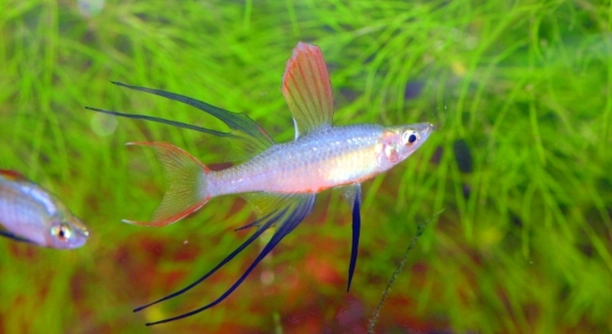
Have you ever admired the beauty of a Threadfin Rainbowfish and wondered if keeping just one in your aquarium would be enough? Their delicate fins and graceful movements often make them an attractive choice for fish enthusiasts.
Threadfin Rainbowfish are not suited to living alone, as they are shoaling fish that thrive in groups. Isolation can lead to stress, weakened health, and reduced activity. A group of at least six ensures their natural behavior and well-being.
Keeping these fish in groups brings out their colors and active personalities, creating a healthier and more engaging aquarium experience overall.
Why Threadfin Rainbowfish Should Not Live Alone
Threadfin Rainbowfish are shoaling fish, which means they naturally live in groups in the wild. When kept alone, they can become stressed, less active, and more prone to illness. Stress in fish weakens their immune systems, making them vulnerable to disease. In addition, a solitary fish often loses its vibrant coloring and displays less natural movement, reducing its beauty in the tank. A group environment provides security, encourages healthy interaction, and allows them to thrive. Ideally, six or more should be kept together, ensuring they feel safe and display their best behaviors within the aquarium setting.
Keeping them in groups ensures stronger social bonds, which also supports healthier eating habits.
A group of Threadfin Rainbowfish also makes your aquarium more visually appealing. Their synchronized swimming and bright displays of color bring a lively presence to the water, creating a balanced and healthier aquatic environment for long-term enjoyment.
How to Care for Threadfin Rainbowfish in Groups
Threadfin Rainbowfish require more than just companionship to stay healthy. They thrive in aquariums with clean water, stable temperatures, and plenty of swimming space. Proper care ensures they live longer, stay active, and show their natural brilliance daily.
When caring for them in groups, a spacious tank of at least 20 gallons is important, as these fish need room to move freely. Their water should be soft to moderately hard, with a slightly acidic to neutral pH, closely mimicking their natural habitat. Adding plants enhances their environment, providing hiding spots and reducing stress levels. Regular water changes are vital, as these fish are sensitive to poor water quality. A varied diet of high-quality flakes, live foods, and frozen options keeps them well-fed and energetic. Paying attention to tank mates is also crucial. Peaceful community fish make good companions, but aggressive or fin-nipping species should be avoided to protect their delicate fins.
Tank Conditions for Healthy Threadfin Rainbowfish
Threadfin Rainbowfish thrive in stable environments. They need warm water between 74–82°F, a neutral pH, and gentle filtration to avoid damaging their delicate fins. Providing these conditions helps maintain their health and encourages natural behavior in the aquarium.
A tank of at least 20 gallons allows them enough space to swim actively in groups. Live plants not only create hiding places but also improve water quality and reduce stress. Lighting should be moderate to highlight their colors without causing discomfort. Regular water changes are necessary to maintain stable conditions, as these fish are highly sensitive to fluctuations. Testing water parameters weekly prevents unnoticed imbalances that could harm their health. Consistent monitoring ensures they remain active, display bright colors, and stay stress-free. Maintaining proper conditions allows these fish to thrive and prevents common health problems often linked to poor water quality or unstable environments.
Diet plays a key role in supporting their health. High-quality flakes provide a base, but supplementing with live or frozen foods ensures balanced nutrition. Brine shrimp, daphnia, and micro worms are excellent protein-rich options. A varied diet prevents nutritional deficiencies and keeps them active. Feeding small portions twice daily reduces waste, helping maintain water quality.
Choosing Tank Mates for Threadfin Rainbowfish
Threadfin Rainbowfish are peaceful and do best with non-aggressive companions. Good choices include small tetras, rasboras, and other gentle rainbowfish. Avoid fin-nipping or territorial species, as they can stress or injure the delicate fins of Threadfin Rainbowfish over time.
Selecting the right tank mates helps reduce stress and creates a balanced community. Shoaling fish with similar temperaments are ideal because they share swimming space without conflict. Bottom dwellers like Corydoras catfish make excellent additions, as they keep to themselves and help clean up leftover food. Avoid overcrowding the tank, as it limits swimming space and increases waste levels. Peaceful, compatible species help create a lively yet calm environment. Providing enough hiding spots and open swimming areas also prevents competition, ensuring every fish feels secure. With the right choices, your aquarium will remain both harmonious and visually appealing.
Feeding Habits of Threadfin Rainbowfish
Threadfin Rainbowfish benefit from a varied diet that includes flakes, micro pellets, and live or frozen foods. This combination ensures they receive essential nutrients, promoting strong health, active swimming, and vibrant colors within the aquarium.
Feeding small portions twice daily prevents overfeeding, which can quickly pollute the water. Uneaten food lowers water quality and stresses the fish. Offering balanced meals in moderation supports proper digestion, reduces waste, and keeps the tank environment stable for long-term health.
Breeding Considerations for Threadfin Rainbowfish
Breeding Threadfin Rainbowfish requires clean water, stable temperatures, and the presence of both males and females. A separate breeding tank with fine-leaved plants or spawning mops encourages egg laying. Removing adults afterward prevents them from eating the eggs, increasing the chances of survival.
Lifespan of Threadfin Rainbowfish
Threadfin Rainbowfish can live up to five years when provided with proper care, stable conditions, and a well-balanced diet. Stress, poor water quality, or unsuitable environments may shorten their lifespan significantly, making attentive care essential for their longevity.
FAQ
Can a single Threadfin Rainbowfish survive alone?
While a single Threadfin Rainbowfish may survive for a short time, it will experience stress, reduced activity, and dull coloration. These fish are naturally shoaling and require companions to display healthy behavior, maintain vibrant colors, and feel secure in their environment.
How many Threadfin Rainbowfish should be kept together?
A minimum group of six is recommended. This number allows them to establish social interactions, reduces stress, and encourages natural swimming patterns. Smaller groups can lead to loneliness, aggression, or lethargy, while larger groups create a more dynamic and visually appealing aquarium.
What water conditions are best for Threadfin Rainbowfish?
They thrive in water between 74–82°F with a neutral pH and gentle filtration. Soft to moderately hard water is ideal. Regular water changes and monitoring of ammonia, nitrite, and nitrate levels help maintain a stable and healthy environment, reducing stress and disease risk.
What should I feed my Threadfin Rainbowfish?
A varied diet is crucial. High-quality flakes or micro pellets form the base, supplemented with live or frozen foods such as brine shrimp, daphnia, or micro worms. Feeding small portions twice daily prevents overfeeding and keeps water quality stable while ensuring optimal nutrition.
Can Threadfin Rainbowfish live with other species?
Yes, peaceful species like small tetras, rasboras, or Corydoras catfish are suitable companions. Avoid aggressive or fin-nipping fish, as they can stress or injure Threadfin Rainbowfish. Providing hiding spots and open swimming areas helps reduce competition and promotes harmony.
How do I breed Threadfin Rainbowfish?
Breeding requires a separate tank with fine-leaved plants or spawning mops. Maintain stable temperatures and clean water. Introduce both males and females, and remove adults after spawning to prevent egg predation. Regular monitoring ensures higher survival rates for the fry.
Why is my Threadfin Rainbowfish stressed or hiding?
Stress may result from poor water quality, aggressive tank mates, overcrowding, or being kept alone. Maintaining proper conditions, a suitable group size, and a peaceful tank environment encourages natural behavior and reduces hiding or lethargy.
How long do Threadfin Rainbowfish live?
Under proper care, they live up to five years. Lifespan is shortened by poor water quality, stress, or inadequate nutrition. Consistent monitoring, a balanced diet, and stable conditions are key to longevity.
Can Threadfin Rainbowfish tolerate fluctuating temperatures?
No, they are sensitive to sudden changes. Fluctuations can weaken their immune system and increase susceptibility to disease. Consistent temperature control is essential for their health, along with stable pH and water parameters.
Do Threadfin Rainbowfish need plants in their tank?
Plants provide hiding spots, reduce stress, and improve water quality. They also mimic the natural habitat, encouraging natural behavior and making the tank visually appealing. A mix of floating and rooted plants works best for their environment.
How often should I clean the tank for Threadfin Rainbowfish?
Regular partial water changes of 20–25% weekly help maintain water quality. Cleaning filters and monitoring water parameters prevent toxic buildup, ensuring a stable environment. Over-cleaning or disrupting the tank too frequently can also stress the fish, so balance is important.
What signs indicate illness in Threadfin Rainbowfish?
Lethargy, loss of appetite, faded colors, frayed fins, or unusual swimming patterns indicate stress or disease. Promptly checking water quality, reviewing diet, and isolating sick fish if necessary prevents further complications and supports recovery.
Can Threadfin Rainbowfish jump out of the tank?
Yes, they are active swimmers and may jump when startled or if water conditions are poor. Using a secure lid reduces the risk of escape and injury, helping them remain safe in the aquarium.
How do I introduce new Threadfin Rainbowfish to an existing tank?
Acclimate new fish slowly using the drip method to reduce stress and prevent shock. Introducing them in small groups helps maintain social stability and avoids aggression from existing tank mates. Monitoring behavior for the first few days is essential.
Are Threadfin Rainbowfish compatible with shrimp or snails?
Yes, they usually coexist peacefully with non-aggressive shrimp or snails. Avoid species that may nip or disturb the fish. Providing plenty of hiding spaces ensures all tank inhabitants remain safe and stress-free.
Do Threadfin Rainbowfish require special lighting?
Moderate lighting is ideal to highlight their colors without causing stress. Too much light can increase algae growth and stress the fish, while too little may dull their appearance. Lighting should also support any live plants in the tank.
How do I prevent fin damage in Threadfin Rainbowfish?
Avoid aggressive tank mates, sharp decorations, or overcrowding. Smooth surfaces and peaceful companions reduce the risk of torn fins. Regular water maintenance and a balanced diet also promote strong fin growth and overall health.
Can Threadfin Rainbowfish tolerate brackish water?
No, they prefer freshwater conditions. Exposure to brackish or heavily chlorinated water can cause stress, illness, or death. Maintaining clean, freshwater conditions is essential for their well-being.
What is the best way to monitor their health?
Observe behavior, coloration, and swimming patterns daily. Test water parameters weekly and adjust as needed. Prompt attention to changes in appetite or activity levels ensures early detection of problems, keeping them healthy and active.
Do Threadfin Rainbowfish require a heated tank year-round?
Yes, consistent warm water is necessary. They do not tolerate cold temperatures well, which can weaken their immune system and make them prone to illness. A reliable heater and thermometer help maintain stable conditions.
Final Thoughts
Threadfin Rainbowfish are beautiful and active freshwater fish that bring life and color to any aquarium. They are naturally social and thrive best when kept in groups, ideally six or more. Keeping a single fish may seem manageable, but it can lead to stress, lethargy, and a loss of vibrancy. Their health and behavior depend heavily on proper companionship, so planning for a small group from the start is important. A well-maintained tank with peaceful companions helps them feel secure, swim naturally, and display their full range of colors. Observing them in a group shows how social interactions influence their activity levels and overall well-being.
Providing the right tank conditions is equally important. They need stable water temperatures between 74–82°F, a neutral pH, and gentle filtration to prevent stress and fin damage. Regular water changes and testing water parameters prevent toxic buildup and maintain a healthy environment. Adding live plants enhances their space, provides hiding spots, and improves water quality, all of which reduce stress. A varied diet of flakes, micro pellets, and occasional live or frozen foods supports growth, vibrant colors, and strong immune systems. Feeding small portions twice daily keeps water clean and prevents overfeeding. Attention to these details ensures that Threadfin Rainbowfish not only survive but thrive for several years.
Choosing suitable tank mates is another key factor for success. Peaceful species like tetras, rasboras, or Corydoras catfish are ideal, while aggressive or fin-nipping fish should be avoided to prevent stress or injury. Providing enough open swimming space and hiding areas allows every fish to feel secure, reducing conflict and promoting harmony. Breeding can be accomplished with a separate tank, fine-leaved plants, and careful monitoring, but it requires careful attention to water quality and the removal of adults to protect eggs. By maintaining proper care, stable conditions, and social groups, Threadfin Rainbowfish can live up to five years or more, displaying lively behaviors and bright colors throughout their life. Focusing on these essentials creates a healthier, more engaging, and visually pleasing aquarium.

Hello,
If you enjoy the content that we create, please consider saying a "Thank You!" by leaving a tip.
Every little bit helps us continue crafting quality advice that supports the health, happiness, and well-being of pets around the world, for pets of all shapes, sizes, and species.
We really appreciate the kindness and support that you show us!