
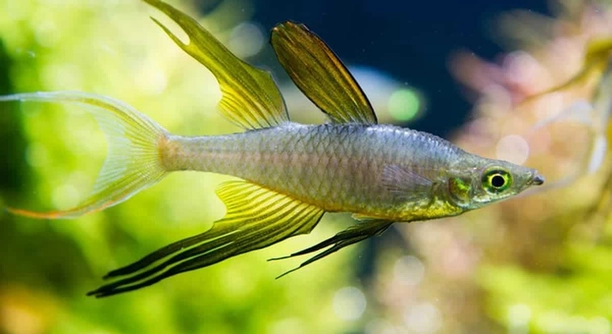
Are your threadfins not swimming as actively as you would like in your tank? Observing them glide gracefully can be calming, but sometimes they seem hesitant or restricted in their movement patterns.
Encouraging threadfins to swim more freely involves optimizing their environment, providing proper nutrition, and introducing stimuli that mimic natural conditions. Factors such as tank size, water quality, and social interaction play crucial roles in promoting their active behavior.
Implementing these adjustments can make a significant difference in your threadfins’ activity and overall well-being, leading to a livelier and healthier aquarium environment.
Adjust the Tank Layout
Creating an open swimming space is essential for threadfins. Remove unnecessary decorations that block their path while keeping a few hiding spots for security. Plants, rocks, and driftwood should be arranged to allow smooth movement. Threadfins prefer open mid-water areas, so maintaining a balance between cover and open space is important. Avoid overcrowding the tank with large ornaments. Gravel and substrate should be even and smooth to prevent stress or injury. Observing how your fish interact with their surroundings helps identify areas that may feel restrictive. A spacious layout encourages natural swimming patterns and reduces tension among tank mates. Providing vertical swimming space is also beneficial, as threadfins often use multiple layers of the tank. Regularly assess the arrangement to ensure that growth of plants or new additions does not limit their movement. Proper spacing allows them to glide naturally, which promotes overall health and reduces the risk of illness.
Open swimming areas reduce stress and allow threadfins to explore their environment freely.
Threadfins thrive in a well-arranged tank, where they can move easily without obstruction. Clear paths and open mid-water areas improve circulation and reduce aggression. Observing their swimming habits will help you fine-tune the layout for maximum comfort and activity.
Optimize Water Conditions
Maintaining stable water quality is key for active swimming. Proper filtration, temperature, and pH levels support threadfin health and behavior.
Consistent monitoring prevents sudden changes that could stress the fish and restrict their movement.
Water temperature should be suited to the species’ natural range. Sudden fluctuations can cause lethargy or hiding. Regular partial water changes help remove waste and maintain clarity, while a reliable filter ensures adequate oxygenation. Testing water parameters for ammonia, nitrites, and nitrates keeps conditions safe. Threadfins respond to clean, well-oxygenated water with increased activity. Avoid overcrowding to maintain proper oxygen levels, and provide gentle currents that mimic natural environments. Observing swimming patterns after adjustments will indicate improvements. Careful attention to water quality not only encourages freer swimming but also strengthens their immune system and overall vitality, reducing susceptibility to disease.
Provide Proper Nutrition
A balanced diet keeps threadfins active and healthy. Feeding high-quality food in appropriate portions supports energy levels and encourages swimming throughout the tank.
Offering a mix of live, frozen, and pellet foods ensures they receive all necessary nutrients. Live brine shrimp or small insects stimulate natural hunting behavior, which keeps them moving. Pellets fortified with vitamins and minerals maintain overall health. Feeding smaller amounts multiple times a day prevents overfeeding and water pollution, both of which can impact activity levels. Rotating food types keeps them interested and prevents selective eating. Observing their response to different foods helps identify preferences and adjust portions accordingly, supporting consistent swimming habits. Proper nutrition strengthens their muscles, improves stamina, and promotes more confident, lively movement across all areas of the tank.
Supplementing meals with occasional treats encourages interaction and adds variety.
Providing a nutritious diet ensures threadfins maintain strength and energy. Consistent feeding schedules, varied food types, and portion control foster active swimming and healthier growth.
Introduce Social Interaction
Threadfins are social fish and benefit from compatible tank mates. Properly chosen companions encourage natural movement and reduce isolation stress.
Observing how threadfins interact with others helps identify stress or aggression.
Keeping threadfins in small groups or with peaceful species promotes activity, as they often swim together. Avoid aggressive or overly dominant fish that can intimidate them and limit movement. Introducing new tank mates gradually reduces conflict and allows the threadfins to adjust. Social interaction also stimulates natural behaviors like schooling, chasing, or synchronized swimming, which increases overall activity. Maintaining a balanced group size prevents overcrowding and ensures each fish has enough space. Observing interactions regularly helps spot behavioral issues early. Encouraging social activity not only promotes freer swimming but also improves mental stimulation and general well-being.
Create Gentle Currents
Threadfins enjoy swimming against a mild current. Installing a gentle filter flow encourages movement without causing stress.
Adjusting the current allows them to exercise naturally and explore the tank. Avoid strong currents that could tire or injure them.
Use Environmental Enrichment
Adding floating plants, tunnels, or subtle décor stimulates exploration. Threadfins respond well to varied textures and hiding spaces. Providing changing elements in the tank encourages curiosity, keeps them active, and mimics natural conditions. Rotating decorations occasionally prevents boredom and helps maintain lively swimming behavior.
Maintain Proper Lighting
Consistent, moderate lighting supports activity cycles. Too dim or overly bright light can reduce movement and stress the fish.
Encourage Vertical Movement
Including taller plants or vertical structures promotes upward and downward swimming. Threadfins use these areas naturally, improving exercise and overall well-being.
FAQ
How often should I feed my threadfins to keep them active?
Feeding smaller portions two to three times a day works best. Frequent, moderate meals prevent overfeeding and maintain energy levels. Using a mix of live, frozen, and high-quality pellet food ensures balanced nutrition and encourages natural movement while foraging.
Can tank size affect how freely threadfins swim?
Yes, space is very important. Threadfins need enough room to move in open mid-water areas. Crowded or small tanks can restrict swimming and cause stress. Providing at least 30 gallons for a small group gives them proper space for exercise.
What water conditions promote active swimming?
Stable temperature, proper pH, and clean water are essential. Threadfins are sensitive to sudden changes. Consistent filtration, partial water changes, and regular testing for ammonia, nitrites, and nitrates help maintain an environment that encourages swimming.
Should I add tank mates to encourage movement?
Compatible companions can stimulate activity. Peaceful fish encourage schooling behavior, while aggressive species may restrict movement. Gradual introductions and observing interactions help prevent stress and allow threadfins to swim freely alongside others.
Do decorations affect swimming habits?
Yes, layout matters. Open swimming paths with a few hiding spots promote natural movement. Avoid overcrowding with tall plants or large ornaments that block mid-water areas. Rotating decorations occasionally keeps the environment interesting and encourages exploration.
How can I use lighting to support activity?
Moderate, consistent lighting helps maintain natural activity cycles. Too dim or overly bright lighting can make threadfins hide or reduce movement. Simulating day and night cycles keeps their behavior predictable and encourages regular swimming.
Is water current important for exercise?
A gentle current encourages natural swimming and keeps threadfins active. Strong currents can tire them or cause stress, so adjust flow carefully. Positioning filters to create mild circulation mimics natural environments and supports healthy activity.
What signs show my threadfins are not moving enough?
Lethargy, hiding excessively, or clinging to surfaces indicates low activity. Stress, poor water quality, or inadequate nutrition can reduce movement. Monitoring swimming patterns helps detect problems early and allows for timely adjustments.
Can diet variety affect swimming behavior?
Yes, variety keeps them engaged. Alternating between live, frozen, and fortified pellets stimulates natural hunting instincts, encouraging more movement. Avoid overfeeding and ensure meals are proportioned to prevent sluggishness or water pollution.
How often should I monitor tank conditions?
Daily observation is best. Check water parameters, fish behavior, and swimming patterns. Regular monitoring ensures that any changes affecting activity, such as temperature fluctuations or overcrowding, are addressed promptly to maintain a healthy, active tank.
Do threadfins benefit from vertical structures?
Including taller plants or vertical décor encourages up-and-down movement. This type of exercise supports muscle development, mental stimulation, and overall vitality. Threadfins naturally explore different layers, and vertical structures make their swimming more dynamic.
Are occasional environmental changes helpful?
Yes, small, gradual changes prevent boredom. Rotating decorations or introducing subtle new elements encourages exploration and stimulates activity. Avoid drastic changes, as sudden alterations can stress the fish and reduce swimming behavior.
How does stress impact swimming?
Stress reduces activity and can lead to hiding or sluggish behavior. Maintaining clean water, proper nutrition, compatible tank mates, and an open layout helps minimize stress, allowing threadfins to swim naturally and maintain their health.
What role does oxygenation play in activity?
Adequate oxygen supports metabolism and stamina. Poor oxygen levels make threadfins lethargic. Using proper filtration, gentle currents, and ensuring surface agitation helps maintain oxygen-rich water, encouraging consistent movement.
How can I encourage social swimming behavior?
Keeping threadfins in small groups or with peaceful companions promotes schooling and natural swimming patterns. Gradual introductions, balanced group sizes, and observing interactions allow them to interact safely while staying active.
Can seasonal changes in the tank affect movement?
Yes, fluctuations in temperature, light cycles, or water conditions can impact activity. Maintaining consistent environmental parameters minimizes seasonal effects and encourages continuous, natural swimming behavior year-round.
Are there any supplements that improve activity?
Vitamins in fortified pellets or occasional live foods support energy and muscle strength. Avoid over-supplementing, as proper diet and water quality are more effective in promoting active behavior and long-term health.
How long does it take to see improvements in swimming?
Improvements can appear within days to weeks after adjusting tank layout, water quality, or diet. Consistent care, observation, and gradual environmental enhancements lead to more confident, frequent, and natural swimming patterns.
Can overcrowding reduce swimming freedom?
Yes, too many fish limit space and increase stress, leading to reduced movement. Maintaining appropriate stocking levels ensures threadfins have enough room to explore, glide, and interact naturally without conflict.
What daily routines support active threadfins?
Feeding small portions, checking water quality, observing behavior, and ensuring proper lighting create a stable routine. These habits maintain energy, encourage swimming, and help detect potential issues early, supporting a lively and healthy aquarium environment.
Encouraging threadfins to swim freely requires attention to multiple aspects of their care. Providing enough space in the tank is one of the most important factors. Threadfins need open mid-water areas to glide and explore naturally. Removing excessive decorations while keeping a few hiding spots helps maintain a balance between security and freedom. Arranging plants, rocks, and driftwood in a way that does not block their paths ensures they can move without restriction. Overcrowding the tank with too many fish or large ornaments can make them feel confined and reduce activity. Observing how threadfins use the space allows adjustments to the layout, which can improve swimming patterns. Vertical structures and taller plants also provide opportunities for upward and downward movement, which is part of their natural behavior. By paying careful attention to the tank’s layout, you can create an environment that encourages exploration and exercise, leading to stronger, healthier fish.
Water quality and environmental conditions also play a major role in promoting activity. Threadfins are sensitive to changes in temperature, pH, and oxygen levels. Consistent water monitoring, partial water changes, and reliable filtration help maintain stable conditions. A gentle current from a properly adjusted filter encourages natural swimming, while sudden changes or overly strong currents can stress them and reduce movement. Lighting is another key factor, as moderate, consistent lighting helps maintain regular activity cycles. Too dim or overly bright light can make them hide or swim less. Clean, well-oxygenated water, combined with a stable environment, supports their metabolism and stamina. These conditions not only improve swimming activity but also reduce the risk of disease and other health issues. Maintaining the tank carefully and monitoring behavior ensures that threadfins remain active and well-adjusted to their environment over time.
Nutrition and social interaction further influence swimming habits. Feeding small, frequent meals with a mix of live, frozen, and fortified pellet foods provides balanced nutrition and stimulates natural hunting and foraging behaviors. Variety in the diet keeps them engaged and encourages movement across the tank. Social interaction is also important, as threadfins are naturally schooling fish. Compatible companions promote active swimming, while aggressive or overly dominant tank mates can restrict movement and create stress. Gradual introductions, appropriate group sizes, and observing interactions help maintain a peaceful environment. Environmental enrichment, such as rotating decorations or adding subtle changes, keeps the fish curious and encourages exploration. By combining proper space, clean water, balanced nutrition, and thoughtful social arrangements, threadfins are more likely to swim confidently and freely, supporting their overall health and well-being.

Hello,
If you enjoy the content that we create, please consider saying a "Thank You!" by leaving a tip.
Every little bit helps us continue crafting quality advice that supports the health, happiness, and well-being of pets around the world, for pets of all shapes, sizes, and species.
We really appreciate the kindness and support that you show us!