
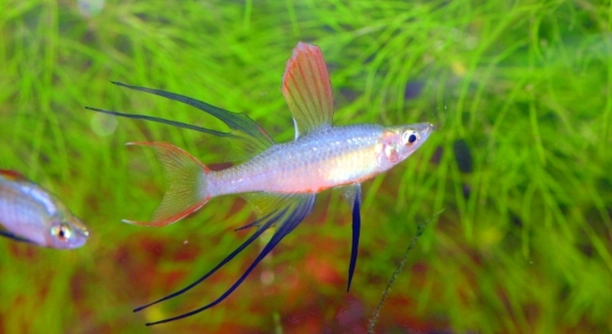
Threadfins are graceful fish that enjoy gliding through the water, filtering small particles for food. Sometimes, their environment changes, and the water filters can become stronger than usual, affecting their natural feeding habits.
When the filter is too strong, threadfins adjust by moving to calmer areas or swimming closer to surfaces where the current is weaker. This behavior allows them to continue feeding without expending excessive energy or risking injury from the strong flow.
Learning how threadfins cope with strong filtration helps you create a safer, more comfortable habitat for them to thrive. Understanding these behaviors can make caring for your fish simpler and more effective.
How Threadfins React to Strong Currents
Threadfins are sensitive to changes in water flow, and a filter that is too strong can make feeding difficult. They may struggle to stay in place, often being pushed backward or sideways by the current. Many threadfins respond by seeking calmer areas of the tank, such as corners, near decorations, or close to the surface. They adjust their body angle and fin movements to maintain stability. Some may even rest near the substrate where the water flow is slower, conserving energy. Over time, they may develop a preference for areas with gentler currents. Observing these behaviors can reveal a lot about their comfort levels. Threadfins also communicate subtle signs of stress, like rapid fin movement or hesitant swimming patterns. By noticing these signs early, you can adjust your filter setup to provide a more balanced environment. Consistent observation ensures your fish stay healthy while maintaining natural feeding habits.
Strong currents can make threadfins stressed and less active, which may affect their overall health.
Adjusting the filter or creating calmer zones helps threadfins regain energy. Providing floating plants or strategically placed decorations allows them to navigate without constant struggle. Threadfins often use these areas as feeding zones. Over time, they adapt their swimming patterns to cope, but prolonged exposure to strong currents can lead to fatigue. Ensuring the tank has multiple micro-environments is key. By observing where they spend the most time, you can identify the areas they feel safest. Strong water flow can also disperse food too quickly, making it harder for them to eat efficiently. Some threadfins may learn to wait for food near slower currents. Using a combination of adjustable filters, flow deflectors, or gentle aeration can create a balanced environment. Regularly monitoring their behavior allows timely changes before stress impacts growth or immunity. Providing an adaptable tank setup ensures that both feeding and swimming remain natural and comfortable for your fish.
Creating a Balanced Tank Environment
Calmer areas are essential for threadfins to feed and rest effectively.
A balanced tank environment requires thoughtful placement of filters, decorations, and plants to manage water flow. Strong currents can cause fatigue and reduce feeding efficiency, so creating gentle zones is necessary. Adjustable filters or deflectors allow control over flow strength, while floating plants or rock formations provide resting spots. Observing your threadfins’ preferred locations helps you determine which areas need modifications. Feeding patterns also improve in calmer zones, as food remains accessible longer, and fish expend less energy chasing it. Maintaining a balance between circulation for water quality and gentle zones for comfort supports both health and natural behavior. Over time, small adjustments, like redirecting filter output or adding soft plants, can make a significant difference in their activity levels. By combining careful observation with strategic tank design, threadfins can thrive without constant struggle against strong currents, making the tank environment safer and more enjoyable.
Adjusting Filter Strength
Reducing the filter flow helps threadfins feed and swim comfortably. Many tanks allow simple adjustments, and lowering the output creates calmer zones where fish can rest and conserve energy. Observing their reactions can guide the best setting for both water quality and comfort.
A moderate filter speed ensures water stays clean without overwhelming threadfins. They need areas where the current is gentle enough to feed efficiently. Strong water flow disperses food quickly and forces them to expend extra energy just to hold position. By reducing filter strength, threadfins can explore more freely, feeding naturally and maintaining normal behavior. Slow-moving zones also reduce stress, allowing fish to regain energy between swimming bursts. This balance between filtration and comfort promotes healthier growth and overall activity.
Another method is adding a flow deflector or redirecting the output. This can prevent strong currents from hitting key areas where threadfins usually feed or rest. Deflectors create pockets of calm water without compromising the tank’s overall circulation. Some aquarists place plants, rocks, or other decorations strategically to break the flow. Observing which areas the fish prefer shows how effective these adjustments are. Over time, small tweaks, like angling the filter or shifting decorations slightly, can significantly improve daily activity and feeding habits, keeping threadfins active, healthy, and stress-free.
Observing Behavior Changes
Threadfins may show subtle signs when currents are too strong, including reduced movement or frequent hiding. Noticing these behaviors early helps prevent stress-related health issues and allows timely adjustments.
Changes in swimming patterns are common when the filter is too strong. Fish may cling near surfaces, edges, or decorations to avoid strong currents. They might also wait near food delivery points instead of chasing scattered particles. Stress can manifest as fin clamping, reduced appetite, or erratic movements. Monitoring these signals lets you identify areas in the tank that need calmer water. Adjustments like redirecting the flow, reducing filter speed, or adding shelter can make significant improvements. Observing consistently over days or weeks helps you track adaptation and ensures fish are comfortable.
Behavior can also indicate long-term adaptation or persistent stress. Some threadfins eventually adjust to moderate currents, learning to navigate efficiently. Others may consistently avoid high-flow areas, signaling a need for permanent environmental changes. Feeding success and social interactions can reveal their comfort levels. Maintaining logs of behavior, preferred resting spots, and feeding patterns provides insight into how well your tank setup supports them. Consistent observation combined with small adjustments ensures that the tank environment meets both water quality needs and the natural tendencies of your threadfins, promoting health, activity, and overall well-being.
Creating Calmer Zones
Adding decorations, plants, or rocks can create areas where threadfins rest and feed without battling strong currents. These zones help them conserve energy and maintain natural behaviors. Placement should consider both water flow and feeding areas to balance comfort with overall tank circulation.
Floating plants are especially effective for slowing surface currents. They provide shade and reduce stress while giving threadfins places to explore. Combining different types of decorations creates multiple micro-environments, letting fish choose calmer spots depending on their activity or feeding needs.
Feeding Adjustments
Dispersing food near calmer areas helps threadfins access it more easily. Dropping small amounts slowly prevents food from being swept away by strong currents and ensures they get proper nutrition.
Monitoring Stress
Signs of stress include clamped fins, hiding, or reduced activity. Regular observation ensures timely adjustments to filter strength or tank setup, keeping threadfins healthy.
Small Tweaks Matter
Even minor changes in filter angle, decoration placement, or plant coverage can improve water flow patterns. These adjustments help threadfins swim comfortably and feed efficiently, reducing energy spent fighting currents.
FAQ
How can I tell if my threadfins are stressed by the filter?
Threadfins show stress through behavior changes. They may cling to decorations, hide more than usual, or stay near the surface or edges to avoid strong currents. Fin clamping, reduced appetite, and erratic swimming are also clear signs. Observing them over several days helps determine if the current is too strong.
What is the best way to reduce filter strength for threadfins?
Many filters have adjustable outputs. Lowering the speed or redirecting the flow toward the tank wall can create calmer zones. If your filter is too strong without adjustment options, adding a flow deflector, sponge, or plants near the output can help reduce water pressure without compromising circulation.
Can decorations really help threadfins cope with strong currents?
Yes, decorations like rocks, driftwood, or dense plants break water flow and provide refuge. Threadfins use these areas to rest, feed, and navigate safely. Arranging decorations strategically near feeding areas ensures they can eat without fighting the current, while also giving them choice over where to swim.
Should I change feeding habits if the filter is strong?
Yes, placing food near calmer areas is essential. Instead of scattering food across the tank, drop small amounts slowly near refuges or low-flow zones. This prevents food from being swept away, reduces stress, and ensures threadfins get enough nutrition without overexertion.
How long do threadfins take to adjust to a new filter setup?
Adjustment varies by individual fish and tank conditions. Some threadfins adapt in a few days, while others may take weeks. Monitoring their activity, feeding success, and preferred swimming zones helps determine if the setup meets their needs. Making gradual changes is better than sudden shifts.
Are there signs that adjustments are working?
Yes, calmer swimming patterns, more active feeding, and reduced hiding indicate success. Threadfins will explore different areas, use multiple zones, and display normal behaviors. Consistent observation ensures these positive changes persist and allows for small tweaks if needed.
Can too many decorations cause problems?
Yes, overcrowding can restrict swimming space and reduce water circulation. The key is balance: provide enough structures for calm zones without limiting movement. Threadfins need both resting areas and open water for swimming, so layout planning is important.
Is it necessary to monitor water parameters after changing the filter or adding decorations?
Absolutely. Adjusting the filter or adding objects can alter water flow, oxygenation, and circulation. Regular testing ensures parameters like ammonia, nitrites, nitrates, and oxygen levels stay safe. This protects both water quality and the health of your threadfins.
Can other fish in the tank affect threadfins’ comfort with strong currents?
Yes, active or larger fish may push threadfins into high-flow areas or compete for calmer zones. Observing interactions helps determine if tankmates influence stress levels. If necessary, rearranging decorations or creating separate low-flow areas can help threadfins feel secure.
How often should I check the tank after making adjustments?
Daily observation is best during the first weeks after changes. Watch swimming patterns, feeding behavior, and signs of stress. After this period, regular checks a few times per week are enough to maintain a comfortable environment and ensure long-term health.
Are flow deflectors better than lowering the filter speed?
Both methods work, depending on your setup. Lowering filter speed reduces overall current, while deflectors redirect flow to create calm zones without compromising filtration. Many aquarists combine both methods for optimal comfort and water quality.
Can stress from strong currents affect long-term health?
Yes, prolonged stress weakens the immune system, reduces growth, and can make threadfins more susceptible to disease. Providing a balanced tank with calm zones and proper feeding reduces stress and supports long-term well-being.
How do I know if the tank is perfectly balanced for my threadfins?
A balanced tank shows active, healthy fish that feed easily, swim without difficulty, and explore multiple areas. Minimal hiding, consistent growth, and normal behaviors indicate the environment supports both comfort and water quality. Observation over weeks confirms stability.
What small tweaks make the biggest difference for threadfins?
Adjusting filter direction, adding a few plants near high-flow zones, or slightly lowering the flow often yields noticeable improvement. These small changes create micro-environments that allow threadfins to feed, rest, and swim comfortably without major tank modifications.
Is it necessary to change feeding routines permanently for strong currents?
Not always. Once the tank has calmer zones and flow is balanced, normal feeding routines can resume. Temporary adjustments during periods of high current, like after filter maintenance, may still be useful. Consistency helps threadfins adapt without stress.
How do I keep monitoring effective without overhandling the fish?
Observation from outside the tank is best. Note behavior, preferred zones, and feeding patterns without touching or moving fish frequently. Using a notebook or photo log helps track progress over time while minimizing disruption.
Can strong currents damage threadfins physically?
Yes, sustained exposure to high flow can cause fin tears, scale damage, or exhaustion. Providing calmer zones reduces the risk of injury and allows threadfins to maintain normal activity safely.
Should I consider tank size when adjusting filter strength?
Yes, smaller tanks create stronger localized currents, so even moderate filters may feel intense. Larger tanks can handle higher flow while still providing calmer zones. Adjustments should match tank dimensions and fish size.
Are there any signs that threadfins are thriving?
Healthy threadfins swim freely, feed efficiently, explore multiple areas, and display bright coloration. They rest in calm zones without hiding excessively and maintain normal growth rates. Consistent positive behavior is the best indicator of a well-adjusted environment.
Can adding floating plants alone reduce stress from strong currents?
Floating plants help, but they are most effective when combined with other strategies like filter adjustment, flow deflectors, or strategically placed decorations. Together, they create varied zones that support natural behaviors and comfort.
How often should I adjust decorations or plants?
Adjustments should be minimal once the tank is stable. Small tweaks can be made if fish show stress or prefer different zones, but frequent changes may confuse threadfins and increase stress.
What is the single most important step to protect threadfins from strong currents?
Creating calm zones that allow feeding, resting, and normal swimming is essential. Combining flow adjustments, decorations, and observation ensures a safe, comfortable environment that promotes health and natural behavior.
Is it possible to completely eliminate stress from water flow?
Not entirely. Threadfins will always respond to currents, but careful tank design, flow management, and feeding strategies minimize stress and let them thrive comfortably in their environment.
How long should I observe changes before deciding on permanent modifications?
A few weeks of consistent observation is sufficient. Track feeding, swimming, and resting patterns. If stress signs persist, permanent changes to flow, decorations, or feeding zones may be necessary to ensure well-being.
Final Thoughts
Threadfins are sensitive fish that respond quickly to changes in their environment, especially strong water currents. A filter that is too powerful can affect their ability to feed, rest, and swim comfortably. Observing their behavior is essential for understanding how they cope with currents. Some fish may hide or cling to decorations, while others may adjust their swimming patterns to conserve energy. These subtle signs provide insight into their comfort level and help guide necessary adjustments in the tank setup. Paying attention to these behaviors can prevent stress and promote overall health.
Creating calm zones in the tank is one of the most effective ways to help threadfins thrive. Decorations, plants, and rocks break the flow of water, providing spaces where fish can rest and feed without struggling against strong currents. Floating plants are particularly useful for reducing surface water flow, giving threadfins areas to explore and feel safe. Adjusting the filter output or adding deflectors can also help create balanced conditions. Combining these strategies ensures the tank has both areas with gentle water flow and sufficient circulation to maintain water quality. Over time, threadfins will learn to use calmer zones effectively, conserving energy and feeding more efficiently.
Monitoring and small adjustments are crucial for maintaining a healthy environment for threadfins. Observing swimming patterns, feeding habits, and stress signs allows you to see how well the tank supports them. Even minor tweaks, such as redirecting filter output or repositioning decorations, can make a significant difference. A balanced tank ensures that threadfins can swim freely, feed without difficulty, and rest safely, while also maintaining water quality. Consistent observation and gradual adjustments create an environment where threadfins remain active, healthy, and comfortable. By understanding their needs and responding carefully, you can provide a tank that supports natural behaviors and long-term well-being.

Hello,
If you enjoy the content that we create, please consider saying a "Thank You!" by leaving a tip.
Every little bit helps us continue crafting quality advice that supports the health, happiness, and well-being of pets around the world, for pets of all shapes, sizes, and species.
We really appreciate the kindness and support that you show us!