
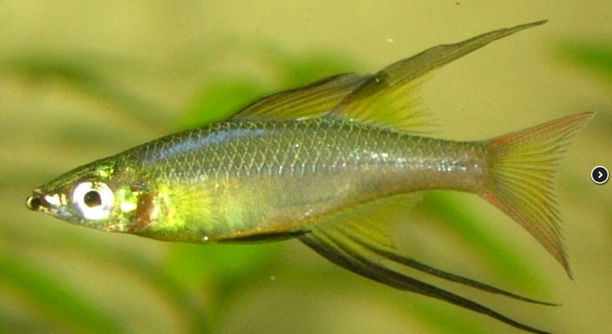
Threadfins are fascinating fish that move gracefully through coastal waters. They often need space to thrive, and their interactions with other fish show unique behaviors that help them maintain personal boundaries. Observing these fish can be quite engaging.
Threadfins establish space through a combination of swimming patterns, fin displays, and body positioning. These behaviors reduce conflicts, maintain social order, and help each individual secure access to food and shelter, ensuring their survival in crowded environments.
Watching threadfins interact offers insight into their social strategies and natural instincts, revealing how even subtle movements can communicate dominance and personal space.
Swimming in Formation
Threadfins often swim in tight groups, which helps them claim and maintain space. By moving in coordinated patterns, they create a visual barrier that discourages other fish from entering their area. This behavior is particularly noticeable when they sense a potential threat. The synchronized swimming also allows them to protect younger or weaker individuals within the group. Threadfins adjust their speed and direction carefully to avoid collisions while keeping the group organized. Their streamlined bodies make these movements smooth and efficient. This method of spatial control is essential in shallow coastal waters where food sources can be limited. By staying together, they increase their chances of spotting predators early. It’s a simple yet highly effective strategy that combines cooperation and natural instinct. Observing how they interact within these formations shows a balance between individual space needs and group safety. These swimming patterns are an integral part of how threadfins manage territory.
Swimming together like this provides both safety and space for each fish to thrive naturally.
The patterns formed by threadfins are not random. Each fish takes cues from the others, maintaining a consistent distance. Changes in direction are almost instantaneous, allowing the group to respond to nearby threats efficiently. Over time, younger threadfins learn to follow these patterns, making the behavior instinctual and reliable across generations.
Fin Displays and Body Language
Fin displays are a key tool threadfins use to establish boundaries. By raising or spreading their fins, they signal their presence and discourage intrusion.
These visual signals communicate confidence and help avoid unnecessary physical confrontations. Threadfins adjust fin size and orientation based on the proximity of other fish, making this a subtle yet effective method of managing space. In crowded areas, displays are often accompanied by changes in body posture, such as tilting or arching. These movements give other fish a clear message without direct aggression. Body language also plays a role during feeding, where maintaining distance ensures access to food. Threadfins are sensitive to slight movements around them, responding quickly to perceived encroachment. By combining fin displays with posture adjustments, they create an efficient communication system. Over time, these behaviors reduce stress and conflicts within the group, promoting survival. Watching these displays can be fascinating, as they show how even small signals help maintain order in a busy environment.
Recognizing fin displays and body language helps understand how threadfins communicate boundaries and maintain peaceful spacing.
Would you like me to continue with the next behaviors from the outline?
Speed Changes
Threadfins often speed up or slow down to signal space boundaries. A sudden burst of speed can warn nearby fish to keep their distance.
Adjusting swimming speed is an important tactic. When a threadfin detects another fish encroaching on its area, it may accelerate briefly before returning to a steady pace. This quick change serves as both a warning and a test of reaction. Fish that respond by retreating are less likely to cause conflict, while those that ignore the signal may trigger further displays or evasive actions. These speed adjustments are subtle but effective. They allow threadfins to maintain control over small territories without engaging in direct fights, which could cause injury or unnecessary stress. Over time, fish learn to recognize these patterns, making speed changes a reliable form of communication. Observing this behavior highlights how movement alone can manage space efficiently.
Sudden bursts or gradual slowdowns act as both warnings and communication tools, keeping interactions calm and orderly.
Threadfins use speed changes strategically during feeding. When food is nearby, fish will accelerate to claim it but slow down once secured, signaling others to respect their distance. These adjustments also help them avoid collisions with neighbors in dense groups. The rhythm of speeding up and slowing down forms part of their natural etiquette, creating a balance between competition and harmony. Over time, these behaviors become predictable and allow the group to feed efficiently. Speed changes, combined with fin displays and body positioning, create a layered communication system that reduces conflict. This method demonstrates how simple, natural actions can regulate social dynamics without the need for aggression.
Tail Flicks
Tail flicks are frequent among threadfins to maintain personal space. A flick can deter a nearby fish from approaching too closely.
Tail flicking serves as both a defensive and social signal. The movement is sharp and noticeable, allowing neighboring fish to recognize the boundary without direct contact. Threadfins often combine flicks with changes in swimming direction or fin displays to reinforce their message. This behavior is most common when resources like food or shelter are limited. Flicking communicates readiness to defend territory while avoiding full-on confrontations. It also plays a role in hierarchical interactions, helping to establish dominance subtly. Over time, fish learn to respect the flick, reducing stress and injury within the group. Tail flicks are a practical, energy-efficient way for threadfins to assert space while staying safe and coordinated.
These flicks are small but powerful signals that help threadfins navigate crowded environments smoothly.
In feeding areas, tail flicks guide younger or less dominant fish. A flick indicates where it is safe to swim and where to avoid. Adults may flick repeatedly if another fish approaches too closely, combining speed and body posture for clarity. The behavior ensures food access without escalation, maintaining group harmony. Observing tail flicks alongside other signals gives insight into how threadfins manage social spacing and minimize conflict naturally. This layered communication system shows how instinct and subtle movements work together for survival and well-being.
Positioning Near Structures
Threadfins often stay close to rocks, coral, or seagrass to mark their territory. These structures act as natural boundaries, helping fish maintain personal space.
By positioning themselves near physical landmarks, threadfins reduce conflicts. Other fish recognize these areas as occupied and are less likely to intrude, which helps threadfins conserve energy and avoid unnecessary confrontations.
Lateral Displays
Threadfins frequently turn sideways to show their full body size to others. This behavior communicates dominance and encourages neighboring fish to keep a respectful distance.
Retreat and Advance
Threadfins use retreat and advance movements strategically. They may back away slightly to assess the approach of another fish, then move forward to assert their presence. This method allows them to maintain boundaries without direct aggression, balancing caution with confidence in their interactions.
Subtle Vibrations
Threadfins sometimes produce subtle vibrations with their fins while hovering. These vibrations send signals to nearby fish, reinforcing their space claims without aggressive confrontation.
FAQ
How do threadfins know when to establish space?
Threadfins are very aware of their surroundings. They monitor the movements of other fish and use visual cues, fin displays, and changes in swimming speed to determine when space is needed. These cues help prevent conflict and maintain harmony in crowded areas.
Why do threadfins swim in groups?
Swimming in groups offers protection and helps with spatial organization. By moving together, threadfins create boundaries naturally, making it easier to keep other fish at a safe distance. Group swimming also allows them to detect predators more efficiently while maintaining social order.
What role do fin displays play?
Fin displays are a subtle way for threadfins to signal their presence. Raising or spreading fins communicates confidence and warns other fish not to come too close. This visual language reduces direct aggression and allows fish to establish boundaries safely.
Are tail flicks always a sign of aggression?
Not necessarily. Tail flicks often serve as a gentle warning or spacing signal rather than an aggressive attack. They help fish communicate personal space needs without causing physical harm, especially in feeding areas or when multiple fish are nearby.
How do threadfins maintain space while feeding?
Threadfins use a combination of speed changes, tail flicks, and fin displays to claim areas with food. Faster movements signal intent to claim a spot, while subtle gestures remind others to keep their distance. This strategy ensures that each fish gets access without constant conflict.
Do younger threadfins learn these behaviors?
Yes, younger threadfins often mimic adults. By observing fin displays, tail flicks, and swimming patterns, they learn how to maintain personal space and interact with others appropriately. This learning process is gradual but essential for their survival in group settings.
Can environmental structures affect space behavior?
Absolutely. Rocks, coral, and seagrass provide natural boundaries. Threadfins often position themselves near these structures to define territory and avoid confrontation. Physical landmarks make it easier for them to manage space and create safe zones for feeding or resting.
Do threadfins ever use vibrations to communicate?
Yes, subtle fin vibrations can signal nearby fish without aggressive gestures. These vibrations act as a quiet warning, helping to reinforce boundaries. While less noticeable than swimming patterns or fin displays, they are an important part of the threadfin’s communication toolkit.
Why is speed adjustment important in spacing?
Adjusting swimming speed allows threadfins to signal their intentions. A sudden burst can warn others to retreat, while slowing down can indicate a settled position. These changes are subtle yet effective, maintaining order without the need for fighting.
How do threadfins balance safety and aggression?
Threadfins use non-contact signals like fin displays, tail flicks, and positioning to assert dominance while avoiding injury. They save direct confrontations for extreme situations, relying on these behaviors to reduce stress and maintain group harmony.
Do these behaviors change in crowded areas?
Yes, threadfins become more active in using visual and movement signals when space is limited. Displays, tail flicks, and speed adjustments are more frequent to ensure each fish’s needs are respected. Adaptation to density is key for survival.
Can humans observe these behaviors easily?
Observing threadfins in shallow waters or aquariums makes these behaviors noticeable. Watching fin displays, tail flicks, and group swimming gives insight into how they maintain space. It is fascinating to see how instinct and subtle signals work together in daily life.
Are there long-term benefits to these behaviors?
Definitely. By maintaining space through non-aggressive methods, threadfins reduce injury risk, conserve energy, and ensure access to food. These behaviors promote survival and social stability, allowing groups to function efficiently over time.
How do these behaviors affect interactions with other species?
Threadfins often coexist with other fish by using subtle signals to establish boundaries. Their displays, speed changes, and positioning help reduce cross-species conflicts, maintaining harmony in shared habitats.
Is personal space important for threadfins in captivity?
Yes, space is critical even in aquariums. Providing enough room and structures allows threadfins to express natural behaviors, reducing stress. Proper tank design with hiding spots and open swimming areas helps replicate natural spacing strategies.
Do environmental changes affect spacing behaviors?
Yes, water clarity, current, and food availability all impact how threadfins maintain space. Changes in conditions may increase or decrease the frequency of displays, tail flicks, or speed adjustments as fish adapt to new circumstances.
How do threadfins communicate dominance without fighting?
Non-contact signals like fin displays, lateral positioning, and speed changes allow threadfins to show dominance while minimizing risk. These subtle behaviors reduce conflict, conserve energy, and maintain social structure, demonstrating efficiency in their natural communication.
Can spacing behaviors indicate stress or health issues?
Unusual spacing or excessive aggression may signal stress, illness, or overcrowding. Observing changes in fin displays, swimming patterns, and tail flick frequency can help identify problems early, ensuring proper care and intervention.
Do these behaviors vary among different threadfin species?
Yes, while the general principles are similar, variations exist. Some species rely more on speed changes, others on fin displays or tail flicks. Observing each species reveals unique strategies tailored to their habitat and social dynamics.
Are these behaviors instinctual or learned?
Both. Many behaviors are instinctive, but learning plays a role as younger fish observe and mimic older individuals. Experience refines their ability to navigate social interactions and maintain personal space effectively.
This FAQ explains how threadfins use a mix of movement, visual signals, and environmental awareness to establish space and maintain harmony. These behaviors are essential for survival, showing a balance between instinct, communication, and learned social skills.
Threadfins are remarkable fish when it comes to maintaining their personal space. They rely on a combination of movement, fin displays, tail flicks, and positioning near structures to communicate boundaries. These behaviors are subtle but highly effective in crowded environments. By adjusting speed or using lateral displays, they can assert their presence without needing to fight, which helps reduce injury and conserve energy. Even slight signals, such as subtle fin vibrations, play a role in maintaining distance from other fish. Observing these behaviors shows how instinct and learned social patterns work together to keep their environment orderly and safe. Each threadfin seems to understand its role within the group, balancing caution with confidence. Over time, these natural behaviors create a rhythm that makes daily interactions predictable and manageable, reducing stress for every individual.
Group swimming is a central aspect of how threadfins manage space. By moving in coordinated patterns, they create visual barriers that help define territory. Young fish learn these patterns by following adults, gradually developing the same behaviors themselves. This learning ensures that spacing practices continue across generations. Swimming in groups also provides safety from predators, allowing each fish to focus on both survival and maintaining social order. Positioning near natural structures like rocks or seagrass further reinforces boundaries, giving threadfins safe zones for feeding or resting. Even in dense areas, these strategies work together to reduce conflicts. Speed changes, tail flicks, and fin displays are combined to create a system of signals that is clear and easy for other fish to understand. The balance between cooperation and individuality is evident, showing how these behaviors help threadfins thrive in their natural habitats.
Finally, understanding threadfins’ space-establishing behaviors can be helpful for anyone observing them, whether in the wild or in captivity. Providing environments that allow for natural movement and access to structures makes it easier for fish to express their instincts. Recognizing the significance of these behaviors can also help in monitoring health and stress levels. Changes in swimming patterns, aggression, or the frequency of tail flicks may indicate that a fish is struggling or that the environment is overcrowded. By paying attention to these natural behaviors, caretakers and observers can better support the well-being of threadfins. In the end, the combination of movement, visual cues, and subtle communication methods demonstrates how efficiently threadfins navigate social interactions. These fish manage space thoughtfully, showing that even simple behaviors can have a profound impact on group harmony and individual survival. Observing them carefully gives insight into the delicate balance of instinct, learning, and social organization that shapes their daily lives.
Word count: 412

Hello,
If you enjoy the content that we create, please consider saying a "Thank You!" by leaving a tip.
Every little bit helps us continue crafting quality advice that supports the health, happiness, and well-being of pets around the world, for pets of all shapes, sizes, and species.
We really appreciate the kindness and support that you show us!