
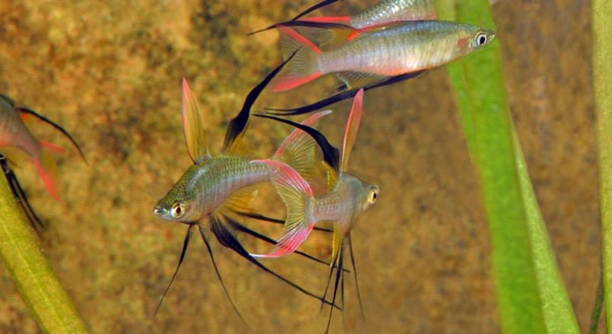
Do you enjoy keeping colorful aquariums but notice some fish disappear behind plants or decorations? Threadfin Rainbowfish are known for their vibrant colors and playful nature, yet they often find quiet spots to retreat and feel safe.
Threadfin Rainbowfish hide in response to environmental stress, sudden changes in light, presence of aggressive tank mates, limited shelter, during breeding, illness, or when feeling threatened. Recognizing these situations helps maintain their wellbeing in captivity.
Observing their behavior closely can improve the care and comfort of your aquarium, ensuring your Threadfin Rainbowfish remain healthy and active.
Stressful Environments
Threadfin Rainbowfish often hide when their environment becomes stressful. Loud noises, sudden movements near the tank, or overcrowding can trigger this behavior. Stress affects their appetite, color intensity, and overall activity. Providing a calm setting with gentle lighting and minimal disturbances can reduce hiding. Aquariums should have enough swimming space, ideally with areas of open water as well as dense vegetation. Plants, rocks, or decorations serve as hiding spots but should not overcrowd the tank. Water quality is crucial; fluctuations in temperature, pH, or ammonia levels can increase stress. Observing how your fish react to changes in their surroundings can help identify stress sources early. Regular maintenance, gradual changes, and monitoring tank mates all contribute to a healthier, more confident fish population. Stress is subtle and often overlooked, but addressing it proactively ensures your Threadfin Rainbowfish remain active and display their natural colors consistently, instead of retreating into hiding spaces.
Stress impacts fish behavior and appearance, making it essential to provide a calm and stable aquarium environment.
Maintaining stable water conditions, arranging plants and decorations carefully, and minimizing sudden disturbances can keep Threadfin Rainbowfish comfortable. Using timers for lights, limiting handling, and avoiding overcrowding all contribute to lower stress. Different fish species have unique temperaments, so compatible tank mates are important to prevent aggression. Even subtle environmental improvements, such as gentle filtration and soft background noise, can encourage fish to explore instead of hiding. Monitoring for early signs of stress allows you to take quick action, preserving their health and vibrancy.
Hiding During Breeding
Threadfin Rainbowfish may seek seclusion during breeding periods.
During reproduction, males and females display more territorial and cautious behavior. Males may hide to display or defend their colors and territory, while females seek quiet areas to lay eggs. Providing dense plant coverage or breeding boxes allows for natural behavior. Eggs are often scattered on plant leaves or substrate, requiring safe, secluded spots to avoid being eaten by other fish. Observing these hiding behaviors ensures breeding is less stressful. Minimizing disturbances during this period is essential. Nutrition plays a role; well-fed fish are more likely to engage in breeding behavior confidently. Avoid sudden water changes or tank rearrangements to maintain a predictable environment. Breeding-related hiding is a temporary phase and indicates normal reproductive activity. By recognizing these patterns, you can support healthy fish reproduction, prevent unnecessary stress, and increase the chances of successfully raising fry in a safe, controlled environment.
Presence of Aggressive Tank Mates
Threadfin Rainbowfish hide when tank mates show aggression. Quick chases or nipping provoke retreat to safe areas. Separating aggressive species or providing visual barriers can reduce stress and encourage natural behavior.
Aggression from other fish can cause Threadfin Rainbowfish to remain in hiding for extended periods. Territorial species or larger, more dominant fish often intimidate smaller Rainbowfish. Ensuring compatible tank mates and adequate space helps minimize conflicts. Dense plants or decorations give them places to escape, reducing stress. Observation is key to understanding interactions. Consistent monitoring can prevent injuries and improve overall tank harmony.
Providing separate zones within the aquarium allows Rainbowfish to swim freely while retreating safely when necessary. Rearranging plants and hiding spots periodically can create new safe areas. Gradual introduction of new tank mates prevents sudden stress. Aggressive behaviors are often subtle at first but can escalate quickly. By observing and adjusting tank dynamics, you maintain a peaceful environment where Threadfin Rainbowfish can thrive without constantly hiding. Proper management ensures a balanced ecosystem and supports their natural behaviors.
Illness or Injury
Threadfin Rainbowfish often retreat when feeling unwell. Hiding helps conserve energy and avoid predators during vulnerable periods.
Signs of illness include faded coloration, clamped fins, reduced swimming, and lack of appetite. Quarantining sick fish and maintaining optimal water conditions help recovery. Prompt treatment reduces complications.
Diseases such as ich, fin rot, or internal parasites can lead Rainbowfish to seek solitude. Poor water quality often exacerbates symptoms, making regular testing essential. Maintaining stable temperature, clean substrate, and proper filtration supports immune health. Observing feeding behavior helps detect issues early. Isolation of affected fish prevents the spread of disease, while medication or natural remedies aid recovery. Stress from illness also encourages hiding, emphasizing the importance of a controlled, calm environment. Providing gentle lighting and avoiding unnecessary tank disturbances speeds healing and allows fish to regain strength.
Sudden Changes in Light
Threadfin Rainbowfish often hide when lighting changes abruptly. Bright or flickering lights can startle them, causing retreat to shaded areas.
Gradually adjusting aquarium lighting and providing shaded zones helps fish feel secure. Consistent light cycles reduce stress and encourage normal swimming patterns.
Limited Shelter
A lack of hiding spaces forces Rainbowfish to feel exposed. Dense plants, rocks, or decorations give them security.
Providing multiple hiding spots prevents prolonged stress and allows fish to explore safely. Proper arrangement encourages natural behavior and comfort.
Water Parameter Fluctuations
Rapid changes in temperature, pH, or hardness can trigger hiding behavior. Rainbowfish are sensitive to unstable conditions and may retreat until the environment stabilizes. Monitoring water regularly and making gradual adjustments helps maintain a consistent, healthy habitat, supporting their activity and reducing stress.
Feeling Threatened
Threadfin Rainbowfish hide when sensing danger. Approaching hands, shadows, or sudden movements can cause immediate retreat to safe areas.
FAQ
Why does my Threadfin Rainbowfish hide all the time?
Hiding constantly is usually a sign of stress, illness, or discomfort. Overcrowding, aggressive tank mates, or sudden changes in light and water conditions can make them retreat. Ensuring proper water quality, stable temperature, and adequate hiding spots helps them feel safe and reduces stress.
How can I encourage my Rainbowfish to come out of hiding?
Gradual adjustments to the environment work best. Soft lighting, gentle handling, and rearranging decorations to create safe swimming areas can make them more confident. Offering food near open areas encourages exploration while still allowing them to retreat when needed.
Is it normal for Rainbowfish to hide during breeding?
Yes, it is normal. During breeding, males may hide to protect territory or display colors, and females seek secluded areas to lay eggs. Providing plants or breeding boxes ensures a safe environment for natural reproductive behavior without interference.
Can illness cause hiding behavior?
Absolutely. Diseases like ich, fin rot, or internal parasites can make Rainbowfish retreat to conserve energy. Poor water quality or sudden stress can worsen symptoms. Observing for faded colors, clamped fins, or reduced appetite helps detect issues early and allows prompt treatment.
Do aggressive tank mates affect hiding?
Yes, aggressive or larger fish can intimidate Rainbowfish. Chasing or nipping encourages retreat to safe zones. Providing visual barriers, rearranging decorations, and ensuring compatible species reduces conflict and allows Rainbowfish to swim freely without constant stress.
How do water changes influence hiding behavior?
Sudden or extreme water changes can trigger hiding. Rainbowfish are sensitive to fluctuations in temperature, pH, and hardness. Gradual adjustments and consistent water testing help maintain stability, keeping fish active and comfortable.
Can lighting affect their behavior?
Bright, flickering, or sudden lighting changes can startle Rainbowfish. Providing shaded areas and consistent light cycles helps them feel secure, reducing hiding and encouraging natural swimming patterns. Timers for lights create predictable conditions that support overall health.
Are there ways to make my aquarium more comfortable?
Yes, creating a balanced environment is key. Dense plants, rocks, and decorations offer hiding spots. Adequate swimming space, stable water parameters, and compatible tank mates prevent stress. Regular observation ensures you can respond to any changes affecting their behavior.
Should I isolate a hiding Rainbowfish?
Isolation is only necessary if illness is suspected. Sick fish should be quarantined to prevent disease spread. For normal hiding due to stress or breeding, providing adequate shelter in the main tank is sufficient.
How long is hiding behavior expected to last?
Duration depends on the cause. Stress-related hiding may lessen once conditions stabilize. Breeding or illness-related hiding lasts until the fish feel safe or recover. Consistent monitoring and a calm environment help reduce the time they remain hidden.
What signs indicate hiding is a problem?
If Rainbowfish hide excessively, stop eating, lose color, or show clamped fins, it signals potential issues. Quick action, including checking water parameters, observing interactions, and treating illness, ensures their health and reduces prolonged stress.
Can nutrition impact hiding behavior?
Yes, well-fed fish are more likely to explore and less likely to remain hidden. Offering a varied diet with high-quality flakes, pellets, or live food supports energy, health, and confidence to swim openly.
Do seasonal changes affect hiding?
Seasonal shifts, like temperature fluctuations or daylight changes, can influence behavior. Maintaining stable indoor aquarium conditions mitigates these effects and encourages consistent activity. Using heaters, filters, and timers ensures Rainbowfish remain comfortable year-round.
Is hiding always negative?
Not necessarily. Hiding is a natural behavior for protection, breeding, or rest. It becomes a concern only when prolonged or associated with stress, illness, or poor environmental conditions. Recognizing patterns helps distinguish normal hiding from problematic behavior.
How can I prevent excessive hiding in the future?
Maintaining stable water parameters, providing sufficient shelter, ensuring compatible tank mates, and avoiding sudden disturbances prevent stress-induced hiding. Regular observation and proactive adjustments support confident, healthy, and active Threadfin Rainbowfish.
This FAQ provides practical guidance for understanding, managing, and reducing hiding behavior in Threadfin Rainbowfish, ensuring their comfort, health, and natural activity in the aquarium.
Final Thoughts
Threadfin Rainbowfish are beautiful, active fish that bring life to an aquarium, but their tendency to hide can sometimes worry keepers. Hiding is a natural behavior that helps them feel safe, whether they are stressed, breeding, or simply seeking shelter. Understanding why your Rainbowfish retreat is essential for creating a comfortable and healthy environment. Often, it is not a sign of poor care but rather a signal that they need a secure space or stable conditions. Observing their patterns closely allows you to distinguish between normal hiding and behavior caused by stress or illness. By taking note of the times, triggers, and locations where they hide, you can make practical adjustments to the tank, ensuring that the fish feel more confident and display their vibrant colors more frequently.
Providing an environment that balances open swimming areas with sufficient hiding spaces is key to reducing excessive hiding. Plants, rocks, and decorations create natural shelters without making the tank feel cramped. Water quality, temperature, and pH levels should remain stable, as even minor fluctuations can cause Rainbowfish to seek seclusion. Choosing compatible tank mates prevents unnecessary aggression and promotes harmony within the aquarium. Small changes, such as adjusting lighting gradually or adding shaded areas, can have a significant impact on their behavior. Feeding practices also play a role; offering a balanced diet encourages activity and reduces stress, making the fish more likely to explore rather than remain hidden. Overall, thoughtful observation and adjustments help Rainbowfish feel secure and support their natural behaviors in a home aquarium.
It is important to remember that hiding is part of the Rainbowfish’s instinct and does not always indicate a problem. Short periods of retreat are normal, especially during breeding, environmental changes, or moments of caution. However, prolonged or frequent hiding combined with signs like faded color, clamped fins, or lack of appetite should be addressed promptly, as these may indicate stress, illness, or poor tank conditions. Maintaining a calm, stable, and thoughtfully arranged environment allows Rainbowfish to regain confidence and activity while still having safe spaces when needed. By respecting their natural instincts and monitoring their behavior carefully, you create an aquarium where Threadfin Rainbowfish can thrive, feel secure, and display their full range of vibrant colors consistently. This approach ensures long-term health, reduces stress, and enhances the enjoyment of observing these lively, beautiful fish in a comfortable, well-maintained home aquarium.

Hello,
If you enjoy the content that we create, please consider saying a "Thank You!" by leaving a tip.
Every little bit helps us continue crafting quality advice that supports the health, happiness, and well-being of pets around the world, for pets of all shapes, sizes, and species.
We really appreciate the kindness and support that you show us!