
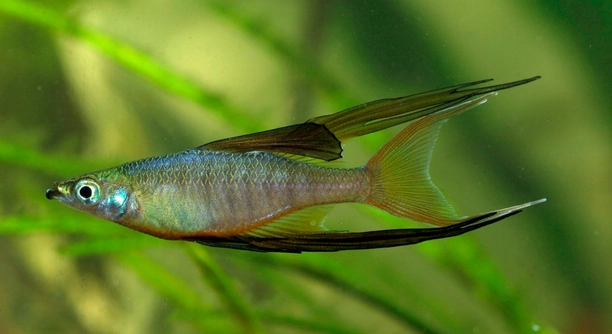
Do you ever notice your threadfin rainbowfish spending long hours alone, leaving you concerned about its happiness and overall well-being in the tank?
Threadfin rainbowfish often become lonely due to a lack of companionship, as they are naturally schooling fish that thrive in groups. Isolation can lead to stress, decreased activity, and even health issues if social needs remain unmet.
Understanding why your rainbowfish feels lonely will help you create a healthier, more social environment that encourages natural behavior and long-term well-being.
7 Reasons Your Threadfin Rainbowfish Is Lonely
Threadfin rainbowfish are peaceful schooling fish that rely on companionship to feel secure and thrive in their environment. When left alone, they often show signs of stress, which can impact their overall health. Loneliness in these fish is commonly linked to tank conditions and social needs not being met. They require a group of their own species to feel safe, as it mimics their natural habitat. Without this, they may become timid, lose interest in swimming, or spend time hiding. A single fish cannot meet its social requirements, and this often leads to noticeable behavioral changes. Ensuring the right tank size, balanced water parameters, and group dynamics is essential for their happiness. By paying attention to these details, you create an environment that prevents isolation. This approach not only improves their well-being but also allows their bright colors and playful swimming patterns to truly shine in your aquarium.
A lonely rainbowfish may stop eating, show duller colors, or remain inactive for long hours. These are strong indicators that its environment lacks the right social balance, and timely adjustments can restore comfort and liveliness.
Creating a thriving setup for your rainbowfish involves more than water care. Their need for social interaction is just as important. By providing them with proper companions, you support their mental health and natural behavior. Keeping them in small groups allows them to feel safe while swimming freely. It also encourages playful chasing, synchronized swimming, and a more colorful appearance. Understanding these needs is vital, as it reduces stress and lowers the risk of disease caused by isolation. When your fish feels secure, you notice them exploring more, interacting with others, and maintaining a healthy appetite. Their overall vitality improves, making your tank more vibrant and balanced. A socially enriched environment benefits not only the rainbowfish but also enhances the beauty of your aquarium.
What You Can Do to Help
The simplest way to prevent loneliness is to keep threadfin rainbowfish in groups of at least six. This creates a natural environment where they feel safe and active. Isolation should always be avoided when keeping this species.
A well-balanced setup goes beyond simply adding more fish. Start by ensuring your tank is large enough to accommodate a school comfortably, with at least 20 gallons recommended. Adequate swimming space reduces stress and encourages natural group movement. Adding plants and hiding spots helps them feel secure while maintaining open areas for free swimming. Water quality is also crucial, so consistent monitoring of temperature, pH, and cleanliness supports their health. When choosing tank mates, select peaceful species that will not outcompete or harass them. Feeding a varied diet of high-quality flakes, frozen, or live foods further promotes activity and color. By combining these efforts, you not only meet their social needs but also create a balanced, enriching habitat where your rainbowfish can thrive.
Signs Your Rainbowfish Feels Lonely
A lonely rainbowfish often becomes less active, hiding in corners instead of swimming freely. Its bright colors may fade, and appetite can decrease noticeably. These behavioral changes signal stress, which worsens when social needs are left unmet for too long.
Changes in appearance are often the most noticeable sign. Threadfin rainbowfish display vibrant colors when healthy and content, but stress from isolation can dull their shades significantly. Their fins may not spread as fully, and overall movement becomes sluggish. Even feeding time reveals changes, with a lonely fish showing little interest in food. These patterns often appear gradually, making it important to observe your fish daily. Spotting the early signs allows you to address the issue before it leads to illness or long-term health problems, ensuring your rainbowfish has a chance to recover through proper care and improved social conditions in its tank.
Behavioral differences can also indicate loneliness. Threadfin rainbowfish normally swim in groups, following one another in coordinated movements. When kept alone, they may withdraw and avoid activity. Instead of interacting, they stay motionless or retreat into plants for long periods. This detachment from normal behavior highlights the importance of companionship. A lonely fish also loses interest in exploring, creating a stagnant atmosphere in your tank. Unlike an active school, a single rainbowfish often appears restless, signaling distress. Recognizing these patterns gives you the opportunity to step in and restore balance. Addressing social needs not only helps the individual fish but also brings your aquarium back to life.
How Grouping Affects Their Health
Threadfin rainbowfish rely on companionship for both physical and emotional health. When housed in groups, they become more active, show brighter colors, and develop healthier appetites. Their natural schooling instincts reduce stress levels, leading to stronger immune systems and longer lifespans.
Providing the right group size has direct benefits. A minimum of six rainbowfish creates stability, mimicking the conditions they experience in the wild. In groups, they display synchronized swimming, playful chasing, and increased confidence when exploring. These interactions encourage regular feeding and healthy digestion. Social bonds also strengthen their resistance to stress-related illnesses. Fish kept alone are more prone to infections, as loneliness weakens immunity over time. Group dynamics also reduce aggression, since fish spread out attention rather than becoming territorial. By supporting their social instincts, you not only ensure their survival but also encourage natural behaviors that bring out their best qualities in your aquarium.
Tank Conditions That Influence Loneliness
Poor tank conditions can make loneliness worse for rainbowfish. A small, crowded, or bare tank limits natural swimming behavior and increases stress. Without proper space, hiding spots, and balanced water parameters, isolation becomes more noticeable and damaging.
Clean water and stable parameters are essential. Inconsistent temperatures or high ammonia levels add unnecessary strain, reducing your fish’s resilience against loneliness. A comfortable habitat helps them feel secure and encourages social interaction, while poor conditions only magnify stress and unhealthy behavior.
Choosing the Right Tank Mates
Threadfin rainbowfish thrive with calm, peaceful species that do not compete aggressively for food or space. Avoid pairing them with larger, territorial fish, as this increases stress and forces them into hiding. Suitable companions include small tetras, rasboras, and Corydoras catfish. These choices provide harmony and encourage group activity. When paired correctly, rainbowfish display natural swimming patterns, interact more confidently, and maintain brighter colors. Tank mates should be chosen based on compatibility, tank size, and temperament. Proper selection ensures a balanced aquarium where every species coexists peacefully, reducing stress and supporting the social needs of your rainbowfish.
Feeding and Social Behavior
Feeding time reflects their social nature. Rainbowfish eat more actively in groups, showing enthusiasm and confidence when surrounded by companions. Isolation leads to reduced interest in food, while group feeding encourages natural competition that stimulates appetite and improves overall health.
FAQ
How many threadfin rainbowfish should I keep together?
A minimum of six rainbowfish is recommended to meet their social needs. Smaller groups can result in stress, hiding, or aggression. Larger groups allow them to display natural schooling behavior, maintain brighter colors, and stay active throughout the day. Proper group size also reduces the risk of loneliness-related illness.
Can a single rainbowfish survive alone?
While it can survive, a single rainbowfish will likely show signs of stress and reduced activity. Loneliness weakens their immune system and can affect appetite and color. Providing companions is crucial for their physical and mental health, as isolation prevents them from engaging in natural swimming patterns.
What signs indicate my rainbowfish is lonely?
Lonely rainbowfish may hide frequently, swim less, lose color, or refuse food. They may also appear restless, moving back and forth without engaging in social behaviors. These signs indicate unmet social needs and suggest adjustments in tank setup, group size, or environment are necessary to restore well-being.
How does tank size affect their social behavior?
Smaller tanks restrict swimming space, causing stress and limiting natural interaction. A minimum of 20 gallons is recommended for six rainbowfish, with additional space required for larger groups. Adequate room encourages coordinated movement, reduces conflict, and supports active schooling behavior that prevents isolation.
Can tank decorations help reduce loneliness?
Yes. Plants, rocks, and hiding spots create a secure environment that reduces stress. While companions are essential, decorations give fish places to explore and retreat when needed. A well-structured tank encourages natural behaviors while providing comfort during moments of social interaction or tension.
What are the best companions for threadfin rainbowfish?
Peaceful, non-territorial species like small tetras, rasboras, and Corydoras catfish are ideal. Avoid aggressive or larger fish that may dominate or harass rainbowfish. Compatible companions promote harmony, encourage group swimming, and improve overall activity, helping rainbowfish maintain natural behavior and vibrant colors.
Does feeding routine affect loneliness?
Yes. Rainbowfish eat more confidently in groups. Isolation reduces appetite and may cause stress-related health issues. Feeding high-quality flakes, frozen, or live foods in the presence of companions stimulates natural behavior, encourages activity, and ensures all fish maintain proper nutrition and energy levels.
How can I improve a lonely rainbowfish’s environment?
Start by adding more companions to meet social needs. Ensure tank size is sufficient and maintain clean, stable water conditions. Introduce plants and hiding spots to create a comfortable habitat. Proper lighting and temperature control also reduce stress and support active, healthy behavior in all fish.
Is it possible for rainbowfish to bond with other species?
Rainbowfish can coexist with peaceful tank mates but form strongest social bonds with their own species. Grouping with other rainbowfish encourages schooling, synchronized swimming, and natural interaction. While other species provide stimulation, true companionship is achieved through proper schooling groups.
How quickly will my rainbowfish recover from loneliness?
Recovery varies depending on the severity of isolation. Once proper group size, tank conditions, and enrichment are provided, behavior and colors usually improve within days to weeks. Consistent care, social interaction, and a stable environment are key to restoring health and reducing stress.
Can water quality impact social behavior?
Absolutely. Poor water quality increases stress, making loneliness symptoms worse. Maintaining optimal temperature, pH, and cleanliness supports healthy interaction, improves color, and encourages activity. Regular water changes and monitoring prevent stress-related behaviors and promote long-term well-being.
Are there long-term effects of keeping a rainbowfish alone?
Yes. Prolonged isolation can lead to chronic stress, weakened immunity, loss of color, reduced appetite, and even shortened lifespan. Providing a proper school and enriched environment ensures mental stimulation, natural behavior, and a healthier, longer life for your rainbowfish.
This FAQ section covers essential concerns about threadfin rainbowfish loneliness, from group size and tank conditions to feeding and companionship, ensuring you can address social and health needs effectively.
Final Thoughts
Threadfin rainbowfish are naturally social creatures that thrive in groups. Keeping a single fish alone can lead to stress, reduced activity, and health problems over time. Observing your rainbowfish’s behavior closely is important because subtle changes often signal loneliness before serious issues develop. Signs such as hiding, loss of appetite, faded colors, and lack of movement are all indicators that your fish is not receiving the companionship it needs. Addressing these behaviors quickly by providing proper group sizes, suitable tank mates, and a secure environment can prevent long-term effects and improve overall well-being. Ensuring the right tank setup, including sufficient swimming space and proper water conditions, also contributes to a more comfortable habitat where your rainbowfish can thrive.
Maintaining a healthy aquarium goes beyond feeding and cleaning. Social needs are just as crucial as physical care for threadfin rainbowfish. Providing companions allows them to display natural schooling behavior, maintain vibrant colors, and stay active. Tank decorations, plants, and hiding spots can further reduce stress and encourage exploration while offering safe spaces during interactions with others. Proper water parameters, including consistent temperature, pH, and cleanliness, also play a critical role in supporting their social and physical health. When all these factors come together, rainbowfish exhibit normal behaviors such as synchronized swimming, playful chasing, and confident feeding. Fulfilling their social and environmental needs ensures they remain active, healthy, and visually striking.
The impact of loneliness on threadfin rainbowfish is significant but manageable when addressed properly. Providing a suitable school, balanced tank conditions, and compatible companions will restore their natural behavior and improve overall health. While each fish may respond differently, most will regain confidence, activity, and color once their social needs are met. Consistent observation and care are essential to recognize any early signs of stress or isolation. By paying attention to both social and environmental factors, you create a stable, enriched habitat that allows your rainbowfish to thrive. Long-term commitment to their well-being ensures they remain lively and resilient, transforming your aquarium into a dynamic and balanced space that reflects the natural behavior of these beautiful fish. Proper care not only benefits your rainbowfish but also enhances the enjoyment of observing their vibrant, active, and healthy presence in your tank.

Hello,
If you enjoy the content that we create, please consider saying a "Thank You!" by leaving a tip.
Every little bit helps us continue crafting quality advice that supports the health, happiness, and well-being of pets around the world, for pets of all shapes, sizes, and species.
We really appreciate the kindness and support that you show us!