
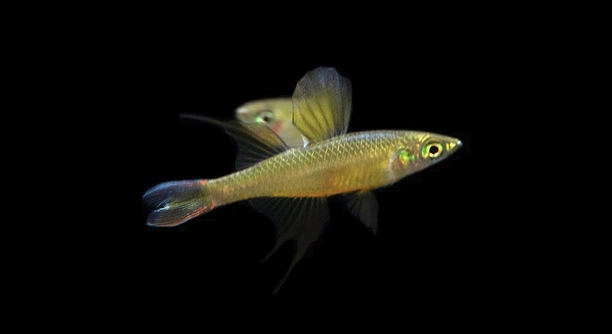
Do your threadfins seem restless in their tank, swimming in circles or hiding more than usual? These small, graceful fish can experience stress in captivity, and simple adjustments to their environment can improve their overall well-being.
Adding gentle water flow, hiding spots, floating plants, soft substrate, subtle lighting, a varied diet, and compatible tank mates can significantly reduce stress in threadfins. Each addition supports natural behavior, offering comfort and promoting healthier, more relaxed fish in their aquatic environment.
Making small changes in your tank setup can transform your threadfins’ daily life and foster a calmer, more harmonious environment for them to thrive.
Gentle Water Flow
Threadfins thrive in tanks with moderate water movement, mimicking their natural riverine habitats. Too strong a current can exhaust them, while stagnant water makes them lethargic and stressed. Using a gentle filter or adjusting the flow on your existing one creates a comfortable swimming environment. I noticed my threadfins became noticeably calmer when I positioned the filter output at an angle, reducing direct force on their swimming paths. Adding a few smooth rocks or driftwood pieces around the tank can help break currents, letting the fish navigate more easily. Regular monitoring of water flow ensures that your threadfins are neither struggling nor avoiding certain areas. It also helps distribute oxygen evenly throughout the tank. Threadfins are sensitive to sudden changes, so adjusting water flow gradually is best. Over time, this small addition encourages natural swimming patterns and helps them feel more secure, reducing stress-induced behaviors like hiding or frantic movements.
Moderate water flow improves oxygen distribution and encourages natural movement. Threadfins respond positively, becoming more active without showing signs of stress.
Consistently maintaining gentle currents not only supports relaxation but also encourages healthy exercise. Observing your threadfins swim gracefully around the tank shows that the adjustment is effective. This improvement can reduce aggression among tank mates and prevent areas of stagnation where waste may accumulate. Implementing small structures like stones or plants to soften currents also promotes exploration and provides resting areas. By paying attention to how your fish respond, you can fine-tune flow levels and create a stable, calm habitat. Gradual adjustments are key because sudden changes can startle sensitive species like threadfins. Over weeks, a balanced current improves overall health, enhances feeding behaviors, and supports natural instincts. It’s remarkable how such a simple modification can significantly increase the comfort of your fish, making daily tank life more harmonious and less stressful.
Hiding Spots
Threadfins feel safer with places to retreat. Small caves, plants, or ornaments provide secure areas that reduce stress.
Providing hiding spots in the tank prevents constant exposure to light and movement, which can make threadfins anxious. Structures like driftwood, rock caves, or artificial decorations create shaded nooks where they can rest or escape aggressive tank mates. I’ve seen my threadfins use these spaces frequently, especially after feeding, showing signs of comfort and lowered stress. Placement matters; scatter hiding areas evenly so no single spot becomes overcrowded. It also encourages exploration and helps fish feel at home, promoting natural behaviors like hovering or gentle swimming near cover. Regular cleaning around these areas ensures water quality remains high, keeping both the fish and the tank environment healthy. Over time, hiding spots reduce tension and allow threadfins to establish territory and routine. By observing their usage, you can adjust locations or add additional structures, tailoring the tank to their preferences. Simple, thoughtful placement makes a noticeable difference in their mood and overall well-being, creating a calmer and more engaging habitat.
Floating Plants
Floating plants create shaded areas that calm threadfins and reduce stress. They also help filter the water, absorbing excess nutrients, while soft leaves provide gentle resting spots for the fish near the surface.
Threadfins enjoy hovering under floating plants, which mimic their natural habitats. I placed a few small bunches of duckweed and water lettuce, and immediately noticed calmer swimming patterns. The shade reduces bright reflections on the water, making the tank less intimidating. Plants also limit strong surface currents, creating pockets of still water where threadfins can rest. Floating plants contribute to oxygen levels during daylight, supporting overall tank health. Over time, these plants encourage natural behavior like foraging and slow swimming near the surface, helping the fish feel secure. They also reduce aggressive interactions by giving more visual barriers between individuals, which is especially helpful in smaller tanks. Maintaining floating plants is simple, requiring occasional thinning to prevent overcrowding and ensuring they don’t block light completely.
Regularly trimming floating plants prevents them from taking over the surface, keeping the tank balanced and letting light penetrate for other plants. Threadfins respond positively, showing calmer behavior and increased exploration.
Soft Substrate
A soft substrate protects delicate fins and reduces stress during feeding and swimming. Threadfins can dig slightly without injury, and the tank feels more natural.
I switched my tank to fine sand, and it made a huge difference. Hard gravel caused minor abrasions on fins, while sand allowed threadfins to explore the bottom safely. They often hover near the substrate, searching for leftover food or simply resting, which is more comfortable on a soft surface. Sand also prevents food particles from being trapped in gaps, maintaining cleaner water and reducing stress from poor hygiene. Threadfins naturally prefer gentle textures underfoot, and replicating this in captivity supports their health and relaxation. Soft substrate also complements other tank additions, like hiding spots and plants, enhancing the overall sense of security. Over time, this change encourages natural behaviors like gentle foraging and bottom hovering, which can be difficult on rough or uneven surfaces. Observing the fish interact with a soft substrate shows calmer, more confident movements, reflecting improved well-being.
Subtle Lighting
Subtle lighting reduces stress and prevents overexposure. Threadfins swim more confidently with dim or diffused light, especially when they have shaded areas to retreat.
I use a low-wattage LED and adjusted the timer to mimic natural day-night cycles. The fish are calmer and explore more without hiding constantly.
Varied Diet
A varied diet ensures proper nutrition and keeps threadfins engaged. I offer small live or frozen foods, supplemented with high-quality flakes or pellets. Over time, they show more active feeding behavior and healthier body condition, which supports overall well-being and reduces stress.
Compatible Tank Mates
Choosing gentle tank mates prevents bullying and tension. Threadfins thrive alongside peaceful species that don’t compete aggressively for food or territory.
FAQ
What are the best hiding spots for threadfins?
Threadfins prefer small caves, driftwood, and densely planted areas. I use a mix of natural rocks and artificial decorations to give them shaded corners. Even floating plants can create temporary cover. These spots reduce stress by letting fish retreat when they feel vulnerable or overwhelmed.
How often should I adjust water flow?
Gradual adjustments are best. I check flow weekly, making small changes if areas are too fast or stagnant. Sudden shifts can startle threadfins and increase stress, so observing their response is crucial. Even minor tweaks can make the tank more comfortable.
Can threadfins live with other species?
Yes, but tank mates must be peaceful. I keep them with small tetras and rasboras. Avoid aggressive or territorial fish, which can stress threadfins. A well-planned community tank encourages natural behavior and reduces hiding or frantic swimming.
Do threadfins need a specific type of substrate?
Soft substrates like sand are ideal. I switched from gravel, and the fish immediately seemed more relaxed. Sand allows gentle foraging and prevents injuries to fins, supporting both natural behavior and tank hygiene.
How important is lighting for threadfins?
Lighting affects stress levels. Dim or diffused light is best. I use low-wattage LEDs and a timer to mimic natural cycles. Bright, harsh light can make threadfins hide constantly, while subtle lighting encourages exploration and calm swimming.
What foods help threadfins stay healthy?
A mix of live, frozen, and high-quality flake foods is ideal. I rotate offerings to keep them interested and ensure balanced nutrition. This variety reduces stress, supports growth, and encourages natural feeding behavior.
How many threadfins should I keep together?
Threadfins are social and thrive in small groups. I keep three to five per tank, which reduces aggression and promotes schooling. Too few can make them anxious, while overcrowding leads to stress and health issues.
Do floating plants benefit threadfins?
Yes, floating plants create shaded areas, softening light and providing gentle cover. I noticed calmer swimming patterns after adding duckweed and water lettuce. These plants also reduce current strength and encourage natural foraging near the surface.
How often should I clean the tank?
Regular maintenance is key. I clean filters weekly and remove debris from substrate every few days. Consistent cleaning prevents stress caused by poor water quality and keeps fish active and healthy.
What signs show my threadfins are stressed?
Restless swimming, hiding constantly, clamped fins, or loss of appetite are common signs. I monitor behavior daily, and small adjustments—like adding cover or adjusting flow—usually help them relax quickly.
Can decorations improve threadfins’ comfort?
Yes, well-placed decorations offer resting spots, reduce visual stress, and break strong currents. I arrange rocks and driftwood to create both open areas and sheltered corners. Proper placement encourages exploration and natural behavior, improving overall well-being.
How does tank size affect threadfin stress?
Larger tanks allow natural swimming patterns and reduce territorial disputes. I recommend a minimum of 30 gallons for a small group. More space lets threadfins explore, rest, and interact without constant pressure from neighbors.
Are there any behaviors that show happiness in threadfins?
Active swimming, schooling, and gentle foraging are positive signs. I notice my fish often hover near plants and substrate, showing they feel safe. Calm interactions with tank mates also indicate a comfortable environment.
How can I encourage natural feeding behavior?
Scatter small portions of food across different tank areas. I mix live and frozen foods to simulate foraging, which keeps threadfins active and engaged. This method reduces stress and promotes healthier, more natural eating habits.
Do threadfins need temperature adjustments?
Stable temperatures are critical. I maintain 75–80°F, avoiding sudden changes. Consistent warmth supports metabolism, reduces stress, and encourages natural activity. Fluctuations can lead to hiding, sluggish swimming, or illness.
Can I use ornaments without harming the fish?
Yes, but edges should be smooth. I avoid sharp or rough surfaces to prevent fin damage. Rounded decorations offer hiding spots while maintaining safety, encouraging confident exploration.
What is the best way to introduce new fish?
Quarantine newcomers first. I gradually introduce them by floating the bag in the tank to equalize temperature, then release slowly. This reduces stress for both threadfins and the new arrivals.
How do I know if water quality is affecting stress?
Cloudy water, algae overgrowth, or unusual odor indicate poor quality. I test ammonia, nitrite, and nitrate weekly. Maintaining clean, balanced water is essential for relaxed, healthy threadfins.
Are there benefits to adding live plants besides hiding?
Yes, live plants improve oxygen levels, absorb excess nutrients, and reduce algae growth. I’ve noticed calmer, more active fish in planted tanks. Plants also encourage natural grazing behavior and create a more stimulating environment for threadfins.
Can threadfins adjust to moderate currents?
They can, as long as flow is gradual. I position filters to create gentle currents, which encourage exercise without exhaustion. Threadfins quickly adapt, showing calmer swimming and fewer stress behaviors when currents are balanced properly.
How do I prevent aggression in a community tank?
Even with peaceful species, I space hiding spots evenly and monitor interactions. I’ve rearranged decorations to break sightlines, which reduces tension and gives threadfins places to retreat, promoting a calmer environment.
Is tank cover necessary at night?
Yes, covering part of the tank or turning down lights at night helps threadfins feel safe. I keep lights dim or off overnight, allowing them to rest without constant exposure, which reduces stress and improves overall health.
How can I tell if diet changes are helping?
Increased activity, brighter coloration, and regular foraging indicate positive results. I rotate foods weekly, observing behavior and appetite. Threadfins respond quickly to balanced nutrition, showing visible improvements in energy and overall comfort.
Do threadfins prefer certain areas in the tank?
They favor mid-to-upper levels with shaded corners. I noticed they often hover near floating plants or behind decor, avoiding open, bright areas. Providing multiple zones helps them feel secure and encourages natural exploration without fear.
Can tank decorations be moved once fish settle?
Yes, but do it gradually. I shift rocks or plants slightly at a time. Sudden rearrangements can stress threadfins, while small changes encourage curiosity and maintain their sense of territory safely.
How important is regular observation?
Daily observation allows early detection of stress or illness. I watch for changes in swimming patterns, hiding, or appetite. Prompt adjustments to water, diet, or environment ensure threadfins remain relaxed and healthy.
Do threadfins need a tank cover?
A cover prevents jumps and reduces light glare. I use a secure lid, which gives fish a sense of security. It also keeps the environment stable, preventing sudden disturbances that can trigger stress responses.
Are there signs that tank mates are incompatible?
Signs include chasing, nipping, or constant hiding. I observed these behaviors when I initially paired threadfins with larger, aggressive fish. Removing or separating incompatible species quickly restores calm in the tank.
How do I maintain balance between decorations and swimming space?
I leave open areas for swimming while providing adequate hiding spots. Too many decorations limit movement, while too few increase stress. A mix ensures threadfins can explore freely yet retreat when needed.
What is the best way to introduce new plants?
Rinse and quarantine plants to remove pests or chemicals. I slowly place them into the tank, ensuring threadfins can explore gradually. This approach prevents sudden environmental changes and promotes safe adaptation.
Can lighting schedules affect behavior?
Yes, consistent day-night cycles reduce stress. I use timers to mimic natural sunlight patterns. Threadfins become more predictable in activity, feeding, and resting when lighting is stable, creating a calmer environment.
Do threadfins interact with each other naturally?
They do, often schooling or swimming side by side. I notice coordinated movement when stress levels are low. Providing sufficient space and gentle currents supports this social behavior, enhancing comfort and tank harmony.
Is water temperature the most critical factor for relaxation?
It’s one of the most important. I maintain stable 75–80°F water, which supports metabolism and reduces stress. Sudden temperature swings cause hiding, clamped fins, and decreased activity, so stability is essential for calm threadfins.
Can stress affect coloring?
Yes, stressed threadfins may appear duller. I’ve seen brighter colors return after adding shade, soft substrate, and floating plants. Calm, well-adjusted fish display natural hues, indicating overall well-being.
How do I know if a tank setup is effective?
Threadfins swimming actively, exploring, and interacting without excessive hiding show success. I adjust one factor at a time, observing results, to create a consistently calm and healthy environment.
Is regular feeding important for relaxation?
Yes, consistent small meals reduce stress and support healthy metabolism. I feed multiple times daily, ensuring food reaches all areas of the tank. Predictable feeding patterns encourage confidence and active behavior.
Can decorations help prevent territorial disputes?
Yes, dividing visual space reduces conflicts. I position rocks and plants to create separate zones. Threadfins use these areas to establish territories without aggressive encounters, lowering stress and promoting a peaceful tank.
Do threadfins respond to human presence?
They may observe calmly from a distance. I notice them hovering near the front glass, curious but not stressed. Gentle interaction encourages recognition without causing anxiety.
How long does it take for threadfins to adapt to changes?
Usually a few days to a week. Gradual adjustments in water flow, lighting, or decor help threadfins acclimate comfortably. Sudden changes can cause stress, while slow modifications encourage exploration and confidence.
Can I use a mix of live and artificial plants?
Yes, combining both provides cover and enriches the tank. I mix floating and rooted plants, giving threadfins shaded zones and resting areas while maintaining water quality and aesthetics.
Are there signs of overfeeding stress?
Yes, leftover food can cloud water and increase ammonia. I feed small portions, watching for uneaten food. Proper feeding prevents stress, maintains water quality, and encourages natural foraging.
Does tank size impact schooling behavior?
Larger tanks allow threadfins to form proper schools. I keep groups in roomy tanks to promote coordinated movement. Crowding disrupts schooling, increases hiding, and raises stress levels.
Can I change lighting intensity gradually?
Yes, I adjust LEDs over several days to avoid startling fish. Gradual changes allow threadfins to adapt comfortably, maintaining calm behavior and natural swimming patterns.
Are some substrates better for reducing stress?
Soft sand is ideal. I noticed calmer behavior after switching from gravel. Sand allows safe foraging, prevents fin injuries, and supports natural hovering and bottom-dwelling habits.
How do I prevent algae from affecting comfort?
Regular cleaning, controlled lighting, and live plants help manage algae. I monitor growth weekly, removing excess manually. Balanced algae control prevents visual clutter and keeps threadfins stress-free.
Can tank shape influence stress?
Longer tanks with open swimming areas reduce stress. I use a rectangular layout, allowing threadfins to school naturally. Narrow or overly tall tanks limit horizontal movement, increasing tension.
Is consistent water testing necessary?
Yes, testing ammonia, nitrite, and nitrate ensures safe conditions. I check weekly to detect problems early. Stable water chemistry supports relaxed, healthy fish.
How do I maintain plant health for threadfins’ benefit?
Pruning dead leaves, monitoring growth, and fertilizing lightly maintain plant health. I ensure plants don’t overcrowd swimming space. Healthy plants improve oxygen, reduce stress, and provide natural cover.
Can adding multiple small hiding spots be better than one large one?
Yes, I scatter several small shelters to reduce competition and allow more freedom. Threadfins can choose safe areas without crowding, encouraging natural behavior and comfort.
Do decorations impact water flow?
Yes, strategically placed decorations soften currents. I use rocks and plants to create gentle pockets of water. Proper arrangement prevents stress caused by strong or uneven currents.
Is observing feeding behavior enough to gauge comfort?
It’s a strong indicator. Active foraging, minimal hiding, and calm movements during feeding show threadfins feel secure and stress-free.
How often should water parameters be checked?
Weekly testing keeps conditions stable. I monitor pH, temperature, and nitrogen compounds. Consistency reduces stress and maintains a healthy environment for threadfins.
Can stress affect lifespan?
Yes, prolonged stress can weaken immunity and shorten life. By providing proper hiding spots, gentle flow, balanced diet, and soft substrate, I’ve seen threadfins thrive longer and remain active.
Does current strength affect schooling?
Moderate currents support schooling. I position filters to create gentle, even flow, encouraging synchronized swimming. Too strong or uneven flow disrupts cohesion, increases stress, and may lead to hiding.
Are there behavioral signs of tank mate incompatibility?
Constant chasing, fin nipping, or hiding indicates issues. I separate aggressive species to maintain calm. Observing interactions regularly ensures peaceful coexistence.
Can lighting color affect stress?
Yes, soft white or slightly warm tones are preferable. I avoid bright, harsh light, which causes hiding and erratic swimming. Natural tones help threadfins feel secure and encourage normal behavior.
How do I know if water temperature is stable enough?
A reliable heater and thermometer are essential. I check readings daily for fluctuations. Stable temperature prevents hiding, clamped fins, and reduced activity, promoting relaxation.
Is introducing new elements better gradually?
Yes, I add plants, decorations, or tank mates slowly. Gradual introduction reduces shock, allows adaptation, and maintains a calm environment for threadfins.
Do threadfins prefer certain swimming depths?
Mid-to-upper levels are favored. I noticed them often hovering near floating plants or decor. Providing multiple zones ensures comfort, allowing choice between resting, exploring, or socializing.
Can water hardness affect stress?
Moderate hardness is ideal. I maintain balanced GH and KH levels. Extreme hardness or softness can cause discomfort, leading to hiding, fin clamping, or reduced activity.
Are multiple small plants better than one large plant?
Yes, I distribute small plants to create hiding spots and shaded areas. Threadfins use these for comfort and exploration, maintaining calm behavior without feeling trapped.
How do I prevent fin damage from decorations?
Smooth edges on rocks and ornaments prevent tears. I avoid sharp surfaces. Safe decorations allow threadfins to explore without injury, supporting natural swimming and relaxation.
Can stress affect appetite long-term?
Yes, prolonged stress reduces feeding and growth. By maintaining a calm tank with proper diet, hiding spots, and gentle flow, threadfins remain healthy and active.
Is observation the best way to fine-tune the tank?
Yes, watching swimming patterns, feeding, and interactions helps identify stressors. I adjust one factor at a time, ensuring threadfins remain relaxed and comfortable.
Can I use both live and artificial plants safely?
Yes, combining them provides variety, cover, and stimulation. I mix floating and rooted options, enhancing shaded areas while maintaining water quality.
Do threadfins react differently to artificial decorations?
They use them for shelter like natural ones. I noticed they readily hide behind smooth, safe ornaments, showing that artificial elements can support comfort effectively.
How do I know if water flow adjustments are enough?
Threadfins swim calmly, explore freely, and avoid constant hiding. I monitor behavior daily to ensure currents are balanced, providing exercise without exhaustion.
Can tank shape impact resting behavior?
Yes, longer tanks allow mid-level and bottom resting spots. I avoid overly tall or cramped tanks, which force fish into stressful areas. Proper layout supports natural resting and swimming habits.
Are visual barriers important?
Yes, floating plants, rocks, and ornaments reduce line-of-sight stress. I place them strategically to allow hiding while maintaining open swimming areas, promoting calm behavior.
Does water clarity influence stress?
Clear water reduces anxiety. I maintain filtration and clean substrate regularly. Cloudy or dirty water can cause hiding, sluggishness, or reduced feeding.
How often should I observe schooling behavior?
Daily observation helps detect stress or discomfort. I watch for coordinated swimming, resting areas, and interactions with tank mates. Changes indicate environmental adjustments may be needed.
Can lighting schedules prevent nocturnal stress?
Yes, consistent light-dark cycles allow natural rest. I dim or turn off lights at night, reducing anxiety and supporting normal sleep patterns.
Do threadfins need oxygen supplements?
Proper filtration and plants usually suffice. I monitor oxygen levels, adding air stones only if necessary. Well-oxygenated water reduces stress and supports active swimming.
Can decorations influence social hierarchy?
Yes, multiple hiding spots reduce competition. I arrange shelters evenly, letting threadfins establish personal zones without aggression. This maintains calm and encourages natural behavior.
Are floating plants sufficient for cover?
Partially, but combining with rocks or caves is ideal. I mix floating and rooted plants to provide varied shaded areas and resting spots.
Do threadfins prefer still water near plants?
Yes, gentle currents near cover allow relaxed hovering. I noticed calmer behavior and more natural foraging when plants break flow.
Can stress affect fin growth?
Yes, chronic stress may slow growth or cause damage. Proper care with hiding spots, gentle flow, soft substrate, and calm tank mates supports healthy fin development.
How do I maintain consistent water temperature?
Use a reliable heater and thermometer, checking daily. I avoid sudden changes by making small adjustments gradually. Stable temperature prevents hiding, clamped fins, and promotes natural swimming.
Is tank maintenance critical for relaxation?
Yes, regular cleaning, water testing, and plant care reduce stress. I maintain weekly schedules, ensuring threadfins stay healthy and calm in a stable environment.
Do subtle changes make a noticeable difference?
Yes, small adjustments like soft substrate, floating plants, or gentle flow have a big impact. I noticed calmer, more active threadfins after making incremental improvements.
Can stress affect coloration long-term?
Chronic stress may dull colors. I maintain proper environment and diet, observing brighter hues return as fish become comfortable and relaxed.
Are there indicators of adaptation to new tank features?
Active swimming, reduced hiding, and exploration indicate adaptation. I monitor behavior after adding plants, decor, or new mates to ensure threadfins adjust comfortably.
Do threadfins prefer gradual environmental changes?
Yes, slow changes in flow, lighting, or decor reduce stress. I implement modifications step by step, allowing fish to explore and adapt
Threadfins are delicate, graceful fish that respond strongly to their environment. A well-set tank can make the difference between a stressed, restless fish and one that swims calmly and exhibits natural behavior. Throughout this article, we explored small additions that significantly improve threadfins’ comfort and well-being. Gentle water flow helps them swim without exhaustion, soft substrates prevent injuries during foraging, and floating plants create shaded areas where they feel safe. Even minor changes, like adjusting lighting or adding small hiding spots, contribute to a sense of security. These adjustments mimic aspects of their natural habitat, supporting instincts that are often overlooked in simple tank setups. Over time, threadfins show clearer signs of comfort, such as relaxed swimming patterns, active schooling, and curiosity toward their surroundings. By paying attention to these behaviors, it becomes easier to know whether your fish are thriving.
A consistent, thoughtful approach to tank management makes a notable difference. Threadfins benefit from a varied diet that includes live, frozen, and high-quality flake foods, which keeps them engaged while supporting growth and health. Compatible tank mates and adequate space prevent stress from aggression or overcrowding. Floating and rooted plants, combined with rocks or artificial decorations, create multiple zones that allow the fish to rest, explore, and establish territories without conflict. Water quality, including temperature stability, oxygenation, and regular monitoring of ammonia, nitrites, and nitrates, plays a crucial role in maintaining calm behavior. Even small changes, such as adjusting water flow or trimming plants, have a positive effect if done gradually. Observing how threadfins respond to these changes provides immediate feedback on what works best, allowing for an ongoing refinement of the tank environment. This careful balance ensures a healthier, more relaxed tank where threadfins can display their natural patterns without unnecessary stress.
Patience and observation are key to creating an optimal habitat for threadfins. Each addition, from subtle lighting adjustments to carefully chosen tank mates, contributes to a more comfortable and engaging environment. Threadfins are social and sensitive fish, and their well-being improves when the tank mimics natural conditions closely. Over time, these small improvements reduce stress-related behaviors such as hiding, frantic swimming, or clamped fins, and encourage normal activities like foraging, schooling, and resting in shaded areas. Maintaining a consistent routine for feeding, cleaning, and monitoring water parameters helps threadfins feel secure and supported. Even seemingly minor details, like soft substrate or multiple hiding spots, can have a significant effect on their overall comfort. By applying these strategies and observing responses carefully, a tank owner can foster a calm, harmonious environment that allows threadfins to thrive. Thoughtful attention to their needs promotes long-term health, natural behavior, and a visually engaging aquarium, where threadfins move gracefully and interact confidently with their surroundings.

Hello,
If you enjoy the content that we create, please consider saying a "Thank You!" by leaving a tip.
Every little bit helps us continue crafting quality advice that supports the health, happiness, and well-being of pets around the world, for pets of all shapes, sizes, and species.
We really appreciate the kindness and support that you show us!