
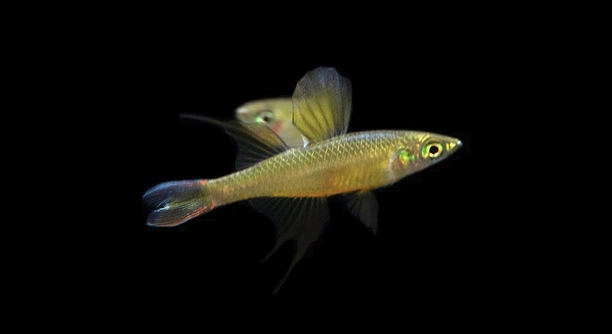
Do you ever find yourself watching your Threadfin Rainbowfish and wondering how they behave when it comes to protecting their tiny offspring in the tank?
Threadfin Rainbowfish do not guard their fry. Once the eggs are released and fertilized, the adults typically show no parental care. The eggs and fry are left vulnerable, relying only on hiding spaces and environmental conditions for survival.
Knowing the natural behavior of these delicate fish helps aquarists provide the right environment for fry survival in home aquariums.
Understanding Threadfin Rainbowfish Behavior
Threadfin Rainbowfish are peaceful and graceful fish that thrive in planted aquariums. Their delicate fins and active swimming make them a favorite among aquarists. When it comes to breeding, these fish take a very different approach compared to species that show strong parental instincts. Threadfin Rainbowfish scatter their eggs among plants or spawning mops, leaving them exposed. Once fertilization happens, the adults move on without showing any care or protection toward the developing eggs. This behavior can surprise aquarists who expect more involvement. The fry must rely entirely on their surroundings for safety, which is why providing proper conditions is so important in a home aquarium setup. Without intervention, many eggs and fry are quickly eaten, sometimes even by the parents themselves.
Aquarists who wish to breed these fish often remove the eggs or use spawning mops to keep them protected until the fry hatch and grow stronger.
In aquariums, ensuring thick plants or artificial spawning aids helps mimic the fish’s natural environment. This creates safe hiding places, allowing more fry to survive. While the adults provide no care, aquarists can step in by offering protection and appropriate food to support fry growth.
Creating the Right Conditions for Fry
Threadfin Rainbowfish fry are extremely delicate and require careful handling to survive. Providing suitable conditions ensures higher survival rates in aquariums.
The breeding tank should be set up with dense plants or spawning mops, which give the eggs places to attach and remain hidden. Once eggs are laid, it is best to separate them from the adults to prevent predation. Water quality plays a critical role, with gentle filtration and stable temperatures around 75–80°F being most suitable. Maintaining soft, slightly acidic to neutral water encourages successful hatching. The fry are very small and require infusoria or liquid fry food for their first meals. As they grow, they can gradually transition to baby brine shrimp and finely crushed flakes. Frequent small feedings support steady growth, and regular water changes keep the environment safe. By managing these conditions closely, aquarists can successfully raise Threadfin Rainbowfish fry and enjoy watching them grow into vibrant adults.
Feeding Practices for Healthy Growth
Threadfin Rainbowfish fry are sensitive and need small, frequent meals. Starting with infusoria or liquid fry food gives them the nutrition they need until they are strong enough for slightly larger foods.
As the fry grow, baby brine shrimp become an excellent food source. Their movement stimulates feeding, and the high protein content supports rapid development. Crushed flake food can gradually be introduced, but it should be finely ground so the fry can consume it without difficulty. Maintaining consistent feeding helps prevent weakness or stunted growth.
Balanced feeding schedules and variety are important for ensuring steady development. Offering different small foods keeps fry active and supports their immune system. Regularly removing uneaten food is also necessary to avoid water quality issues, which can easily harm such delicate fish. Careful feeding practices significantly improve survival rates and overall health of the fry as they reach maturity.
Maintaining Water Quality
Clean water is essential for Threadfin Rainbowfish fry survival. Small, frequent water changes keep the environment safe and prevent harmful buildups. Stable conditions reduce stress and encourage healthy growth in delicate fry.
Strong currents should be avoided, as fry are weak swimmers and can easily become stressed or injured. Gentle sponge filters are effective because they maintain cleanliness without overwhelming water flow. Monitoring ammonia, nitrite, and nitrate levels is essential to prevent sudden spikes that could quickly harm fry. Maintaining proper temperature and pH stability further improves survival chances. With careful attention, aquarists can create a safe and nurturing habitat where fry can grow steadily into healthy adult fish.
Common Challenges in Raising Fry
Fry are highly vulnerable to poor water conditions and overcrowding. Even minor mistakes can lead to high mortality rates, making careful monitoring essential for their survival.
Predation from adult fish is another major concern. Without proper separation or hiding spaces, many fry are eaten shortly after hatching, reducing survival rates significantly.
Monitoring Fry Development
Fry grow quickly when provided proper food and a stable environment. Daily observation helps track growth, detect illness early, and adjust feeding or water conditions as needed. Healthy fry exhibit active swimming and clear coloration, while sluggish or discolored fry may require immediate attention to prevent losses.
Using Plants for Protection
Dense plants and spawning mops provide essential hiding places. These areas allow fry to avoid predation and develop safely, replicating their natural behavior in the wild.
FAQ
Do Threadfin Rainbowfish ever guard their fry?
No, Threadfin Rainbowfish do not provide any parental care. After laying eggs, adults leave them exposed, and the fry must rely entirely on hiding spots and environmental safety. In aquariums, aquarists often separate eggs or provide dense plants to improve survival chances.
How soon do Threadfin Rainbowfish fry hatch?
Eggs typically hatch within 7 to 10 days under optimal water conditions. Temperature, pH, and water cleanliness directly influence hatching success. Ensuring gentle filtration and stable temperature around 75–80°F can help eggs develop properly without stressing the adults or fry.
What should I feed newly hatched fry?
Newly hatched fry are tiny and require very small, easily digestible food. Infusoria or liquid fry food works best initially. After a few days, baby brine shrimp or finely crushed flakes can be introduced gradually to support healthy growth and strengthen the fry.
How often should I feed the fry?
Frequent small feedings are crucial. Offering food 3–5 times a day helps maintain steady growth and prevents weak fry. Overfeeding should be avoided, as uneaten food can quickly foul water and create unsafe conditions for these delicate fish.
How can I prevent adult fish from eating the fry?
Providing dense plants, spawning mops, or a separate breeding tank can prevent predation. Removing adults immediately after spawning is common in home aquariums to protect eggs and newly hatched fry, significantly increasing survival rates.
What water conditions are ideal for fry survival?
Stable water parameters are key. Soft to moderately hard water with a slightly acidic to neutral pH (6.5–7.0) works well. Gentle filtration and consistent temperature control reduce stress and promote steady growth in fry. Small, frequent water changes maintain cleanliness.
When can fry start eating larger foods?
After approximately two weeks, fry grow strong enough to handle slightly larger foods like finely crushed flakes or newly hatched brine shrimp. Gradually increasing food size ensures they receive sufficient nutrition without choking or wasting food.
How do I know if fry are healthy?
Healthy fry are active swimmers, responsive to food, and show clear coloration. Sluggish movement, loss of appetite, or unusual discoloration may indicate stress, illness, or poor water quality, requiring immediate corrective action to prevent losses.
Can fry be raised in a community tank?
Raising fry in a community tank is risky. Many species, including adult Threadfin Rainbowfish, may eat eggs or fry. Using a separate tank with safe hiding spaces ensures higher survival rates and allows closer monitoring of growth and feeding.
How long does it take for fry to mature?
Threadfin Rainbowfish fry generally reach juvenile size in about 6–8 weeks under proper conditions. Full adult coloration and breeding readiness can take several months. Providing stable food, water quality, and protection throughout this period is essential for healthy development.
Is it necessary to use live food for raising fry?
While live food like infusoria and baby brine shrimp is highly beneficial, high-quality liquid fry foods or finely crushed flakes can also work. Live food stimulates feeding instincts, but consistent nutrition and careful water maintenance remain the most critical factors for survival.
How can I improve fry survival rates?
Dense vegetation, spawning mops, gentle filtration, frequent small feedings, and maintaining stable water conditions are all key. Removing adults after spawning prevents predation. Monitoring daily for growth, health, and water quality ensures more fry reach maturity successfully.
Can Threadfin Rainbowfish spawn multiple times in a season?
Yes, under optimal conditions, they can spawn multiple times. Providing proper nutrition, water quality, and a safe environment encourages repeated breeding, which helps maintain a steady population of fry in the aquarium.
How do I handle uneaten food safely?
Uneaten food should be removed promptly to prevent ammonia spikes and water contamination. Using a turkey baster, siphon, or fine net allows aquarists to clean the tank without disturbing fragile fry. Consistent water maintenance supports healthier growth and reduces stress.
What are common mistakes in raising fry?
Common mistakes include overcrowding, poor water quality, irregular feeding, and failing to separate fry from adults. Each of these factors can drastically reduce survival rates, so careful monitoring and proactive intervention are essential for success.
How long should fry stay separate from adults?
Fry should remain separate until they are strong enough to avoid predation, usually 6–8 weeks. By this time, they are active swimmers and can tolerate some adult presence, though careful observation is still necessary to prevent losses.
Can fry survive without hiding spaces?
Survival rates drop significantly without hiding places. Dense plants, spawning mops, or artificial shelters are essential to mimic natural conditions and reduce stress, predation, and competition for food among fragile fry.
How important is temperature stability for fry?
Temperature stability is critical. Sudden fluctuations can cause stress, stunt growth, or even lead to death. Maintaining a consistent 75–80°F environment supports metabolism, feeding behavior, and overall development of Threadfin Rainbowfish fry.
Do fry require special lighting conditions?
While not strictly necessary, moderate lighting helps support plant growth, which provides natural hiding spots and mimics the fish’s natural environment. Too intense lighting can stress fry, while too little may limit plant growth and reduce shelter availability.
How can I tell when fry are ready to join the main tank?
Fry are ready when they are active, strong swimmers, and large enough to avoid predation. Gradually introducing them to the main tank ensures a smooth transition while minimizing stress and potential losses.
What is the best approach to gradual acclimation?
Use floating containers or netted sections to introduce fry slowly. Matching water temperature and parameters between tanks prevents shock. Gradual exposure allows fry to adapt safely and increases survival during the transfer to the main aquarium.
Are there any signs of overfeeding fry?
Cloudy water, leftover food, and sluggish behavior indicate overfeeding. Consistently removing uneaten food and offering smaller, frequent meals prevent water quality issues and ensure fry remain healthy and active.
What role do plants play beyond hiding?
Plants not only provide shelter but also improve water quality by absorbing excess nutrients and providing microhabitats for live foods like infusoria. This dual role supports healthier fry and reduces stress in the tank environment.
Is it necessary to monitor fry daily?
Yes, daily observation helps catch problems early. Monitoring feeding, growth, behavior, and water conditions allows immediate action to correct issues, increasing the survival rate and ensuring fry develop into healthy adults.
Can fry coexist with other species after a few weeks?
After growing stronger and larger, fry may tolerate some community species. However, care should be taken to avoid aggressive or predatory tankmates, as younger or smaller fry remain vulnerable even after initial growth stages.
How often should water parameters be tested for fry tanks?
Testing water every 2–3 days for ammonia, nitrite, nitrate, and pH is recommended. Frequent monitoring allows for quick corrections, ensuring a stable and safe environment that supports fry growth and minimizes stress.
What is the most effective way to remove fry from the breeding tank?
Using a fine net or gentle siphon allows careful removal without harming the fry. Handling should be minimal, and acclimation should follow proper temperature and water parameter matching to reduce stress during transfer.
Can fry survive in slightly harder water?
Yes, fry can tolerate moderate hardness, but extreme changes or inconsistent water conditions can cause stress or stunted growth. Gradual acclimation and monitoring are key to ensuring fry thrive under these conditions.
How important is consistency in feeding and water changes?
Consistency is crucial. Regular feeding schedules, water changes, and monitoring prevent stress, illness, and slow growth. Threadfin Rainbowfish fry respond best to predictable routines that provide stability and a safe environment.
What are common signs of stress in fry?
Fry showing erratic swimming, hiding excessively, discoloration, or loss of appetite are stressed. Identifying stress early allows for adjustments in feeding, water quality, or tank setup to prevent further problems.
Can fry survive without live food if properly cared for?
Yes, high-quality liquid fry food and finely crushed flakes can support healthy growth. Live food may enhance feeding response and nutrition, but careful management of water quality and diet consistency is equally important.
How can I maintain fry health long-term?
Stable water conditions, appropriate food, safe hiding spaces, and regular monitoring are key. Avoiding overcrowding, overfeeding, and predation ensures fry grow into healthy adults capable of breeding successfully.
Is there an ideal tank size for raising fry?
A small, dedicated tank with sufficient hiding spaces and gentle filtration is best. Overcrowding increases stress and reduces survival, so providing adequate space and careful management is essential for optimal fry development.
Can fry be raised with other non-predatory fish?
It is possible if the other species are small and peaceful. Even then, monitoring is necessary, as fry remain vulnerable during early stages. A separate tank is usually the safest approach for higher survival rates.
How can I encourage fry to eat consistently?
Offering frequent small meals of live or finely prepared food, maintaining clean water, and ensuring fry are not stressed by strong currents or tankmates encourages regular feeding behavior and steady growth.
What is the biggest factor affecting fry survival?
Predation, poor water quality, inconsistent feeding, and lack of hiding spaces are the main factors. Careful management of these conditions significantly increases survival and produces strong, healthy Threadfin Rainbowfish.
How long should I continue using live food for fry?
Live food is most important during the first two weeks. Gradually introducing finely crushed flakes and small foods allows fry to transition to a regular diet without nutritional gaps or growth delays.
Can fry be stressed by excessive handling?
Yes, frequent or rough handling can harm fry, reduce feeding response, and increase mortality. Minimal interference combined with careful observation and maintenance is the best approach for healthy development.
Is it necessary to track fry growth individually?
Tracking overall growth patterns helps detect problems early. Individual tracking is rarely necessary unless monitoring a limited number of fry for breeding or scientific purposes. Observation of the group is usually sufficient to ensure healthy development.
How important is aeration for fry tanks?
Gentle aeration is important to maintain oxygen levels without creating strong currents that could stress weak fry. Sponge filters or slow-flow air stones provide adequate oxygen while keeping fry safe.
Can fry survive without plants if hiding spaces are provided differently?
Yes, artificial spawning mops, plastic plants, or mesh shelters can substitute for live plants. The key is providing sufficient protection and cover to reduce predation and stress.
How often should I clean a fry tank?
Frequent but gentle cleaning is essential. Removing waste and uneaten food daily or every other day helps maintain water quality. Overcleaning can stress fry, so care is needed to balance hygiene with minimal disturbance.
What is the best water temperature range for fry?
Maintaining a consistent 75–80°F is ideal. Temperatures outside this range slow growth, increase susceptibility to disease, and can reduce overall survival rates. Stable conditions are more important than exact numbers.
Can fry grow in low-light conditions?
Yes, fry can survive in low-light setups, but adequate lighting helps plants thrive, providing hiding spots and microhabitats for live food, which indirectly supports fry growth and safety.
How do I know when fry are ready to eat adult fish food?
Once they are strong swimmers and large enough to handle crushed flakes without choking, usually after several weeks, adult food can gradually replace fry-specific diets while ensuring sufficient nutrition.
Are there any signs that water quality is affecting fry?
Cloudy water, sluggish behavior, loss of appetite, or increased mortality indicate poor water quality. Immediate testing and correction of ammonia, nitrite, nitrate, and pH levels are necessary to prevent further harm.
Is it okay to raise fry in a heated tank?
Yes, gentle heating ensures stable temperatures, which supports metabolism, feeding, and growth. Sudden temperature changes should be avoided to prevent stress and possible mortality.
Can fry survive alongside snails or shrimp?
Small, peaceful snails or shrimp can coexist, but they may compete for food. Monitoring interactions ensures fry are not stressed or outcompeted during early growth stages.
How do I transition fry from liquid food to solid food?
Gradually introduce finely crushed flakes alongside liquid food, observing feeding behavior. Once fry consistently eat solid food, liquid meals can be reduced or removed entirely.
What are common health issues in fry?
Poor water quality, malnutrition, stress, and overcrowding are the main causes. Symptoms include lethargy, discoloration, poor swimming, and loss of appetite. Prompt corrective action is necessary to prevent high mortality.
Is it necessary to keep fry in dim lighting initially?
Moderate lighting is ideal. Dim lighting reduces stress but still supports plant growth and encourages feeding. Excessive darkness or brightness can hinder development or stress the fry.
Can fry survive in slightly acidic or alkaline water?
Fry tolerate a slight range in pH, but extremes can cause stress or stunted growth. Maintaining a stable, near-neutral pH promotes healthy development and reduces mortality risk.
How can I tell if fry are stressed from overcrowding?
Signs include reduced feeding, sluggish movement, frequent hiding, and stunted growth. Providing additional space, plants, or separating groups can alleviate stress and improve survival rates.
What is the best method for acclimating fry to new water?
Slowly mixing water from the new tank into the fry container over 30–60 minutes reduces shock. Gradual acclimation is safer than a sudden transfer, supporting survival and minimizing stress.
Are there any supplements beneficial for fry growth?
Adding small amounts of vitamins or live food enriched with nutrients can enhance growth. Careful use ensures fry develop strong immune systems without polluting water or causing imbalances.
How often should I observe fry behavior?
Daily observation is recommended to monitor feeding, growth, and health. Early detection of abnormal behavior allows timely intervention, which significantly improves survival and long-term development.
Can fry survive in slightly cooler water?
Slightly cooler water slows growth but can be tolerated if stable. Sudden drops are harmful, so maintaining consistency is more important than exact temperature.
Is it necessary to separate weak fry from stronger ones?
Separating weaker fry can prevent competition for food and reduce stress. It allows targeted feeding and care, improving the survival of more vulnerable individuals while the stronger fry continue developing normally.
Can fry survive in a community of other small fish?
Survival is possible if all species are non-aggressive and similarly sized. Careful monitoring is essential, as fry remain vulnerable during early stages, and even minor aggression can reduce survival rates.
What is the recommended tank size per batch of fry?
A small dedicated tank with adequate hiding spaces for 20–50 fry works well. Overcrowding increases stress and disease risk, so sufficient space per fry is essential for healthy growth.
How can I reduce mortality during the first week?
Separate eggs from adults, provide dense hiding spaces, maintain stable water conditions, feed appropriately, and avoid sudden changes. Early care dramatically improves fry survival and development.
Are there any specific filtration types recommended for fry?
Sponge filters or gentle air-driven systems are ideal. They maintain water quality without creating strong currents that could harm delicate fry, ensuring a safe environment for early growth.
How important is daily water temperature monitoring?
Daily checks prevent sudden changes that stress fry. Consistent temperature supports metabolism, feeding, and immune function, contributing to higher survival and healthier development overall.
Can fry survive if adults are present?
Survival rates drop dramatically if adults remain, as they often eat eggs and fry. Separation immediately after spawning is highly recommended to ensure more fry reach maturity.
What are signs of malnutrition in fry?
Slow growth, pale coloration, weak swimming, and reduced feeding indicate malnutrition. Adjusting diet, frequency, and food size can correct deficiencies and support healthy development.
Can artificial plants fully replace live plants for fry protection?
Yes, if dense and providing adequate hiding spots. They do not offer the same microhabitats for live food but still protect fry from predation and stress effectively.
How often should I perform partial water changes?
Small, frequent water changes every 2–3 days help maintain cleanliness and water quality. Large or infrequent changes can stress fry and destabilize environmental parameters.
Are fry sensitive to light cycles?
Moderate, consistent lighting helps maintain natural rhythms. Extreme fluctuations or constant bright light can stress fry, while too little light may hinder plant growth and food availability.
Can fry be raised successfully without live food entirely?
Yes, high-quality liquid or powdered fry food can suffice. Live food is helpful but not strictly necessary if nutrition, water quality, and feeding frequency are carefully maintained.
Is it okay to keep multiple batches of fry together?
Mixing batches is possible but can increase competition and stress. Monitoring growth and providing ample hiding spaces helps maintain balance and reduce mortality in combined groups.
How can I prevent disease in fry tanks?
Maintaining clean water, avoiding overcrowding, providing balanced nutrition, and observing for early signs of illness are essential. Prompt isolation of sick fry prevents outbreaks and ensures healthier groups.
Can fry survive if water parameters fluctuate slightly?
Minor fluctuations are tolerable, but large or frequent changes stress fry, slow growth, and increase mortality. Consistency is more important than achieving exact values.
Are there any special considerations for seasonal temperature changes?
Seasonal shifts can affect water temperature. Adjusting heating gradually and maintaining stability prevents stress and supports continuous growth, especially in delicate fry.
How long should I continue specialized fry care?
Specialized care is most critical during the first 6–8 weeks. After this period, fry are stronger and better able to tolerate adult diets, minor water fluctuations, and standard tank conditions.
Can fry grow in a heavily planted tank?
Yes, heavily planted tanks provide hiding spots and support microfauna for food. Overcrowding plants can reduce swimming space, so balance is important for optimal growth and activity.
What is the ideal pH range for fry?
A slightly acidic to neutral pH (6.5–7.0) works best. Stability is more important than exact numbers, as sudden changes can cause stress and reduce survival.
How important is tank location for fry survival?
Placing the tank away from drafts, direct sunlight, and high traffic areas reduces stress. Stable environmental conditions support healthy growth and lower mortality.
Can fry survive in a community with snails and shrimp?
Yes, as long as they are peaceful and small. Monitoring is still needed to ensure fry are not outcompeted for food or stressed by movement of other inhabitants.
**How can I safely increase fry tank population over time?
Final Thoughts
Raising Threadfin Rainbowfish fry can be both challenging and rewarding. These fish do not guard their eggs or fry, so survival depends largely on the environment provided by the aquarist. Dense plants, spawning mops, and other hiding spaces are essential for protecting the eggs and newly hatched fry from predation. In a natural setting, fry would rely entirely on cover and environmental conditions to survive, and recreating similar conditions in the home aquarium can significantly increase survival rates. Consistent water quality, gentle filtration, and proper temperature control are crucial to mimic their natural habitat. Even small fluctuations in water conditions can stress fry, slow their growth, or lead to mortality, so attention to detail is important. Daily monitoring of the tank allows early detection of problems and ensures that the fry are healthy and growing as expected.
Feeding is another critical factor in raising fry successfully. Newly hatched fry are tiny and require infusoria or liquid fry foods to provide sufficient nutrition. As they grow, baby brine shrimp and finely crushed flakes can be gradually introduced. Frequent, small feedings are ideal because they match the fry’s limited stomach capacity and support steady growth. Overfeeding should be avoided, as leftover food can quickly degrade water quality and create harmful conditions. Maintaining a balanced feeding schedule encourages active swimming, proper development, and a strong immune system. It is also important to remove uneaten food promptly to prevent ammonia spikes and other water quality issues. Feeding practices, combined with safe hiding spaces and clean water, form the foundation for raising healthy Threadfin Rainbowfish fry.
Patience and careful planning are essential for anyone raising these fry. While Threadfin Rainbowfish do not provide parental care, aquarists can play an active role in ensuring fry survival by providing the right conditions, monitoring their growth, and responding to any problems promptly. Separate tanks or protected areas for eggs and fry help prevent predation by adults and other tankmates. Observing the fry regularly allows adjustments to feeding, water quality, or hiding spaces as needed. Gradually, fry will grow into strong juveniles and eventually into vibrant adults capable of reproducing. The process requires diligence and attention, but the reward of watching tiny Threadfin Rainbowfish develop into healthy, colorful adults is well worth the effort. Proper care, patience, and observation make a significant difference in the survival and health of these delicate fish.

Hello,
If you enjoy the content that we create, please consider saying a "Thank You!" by leaving a tip.
Every little bit helps us continue crafting quality advice that supports the health, happiness, and well-being of pets around the world, for pets of all shapes, sizes, and species.
We really appreciate the kindness and support that you show us!