
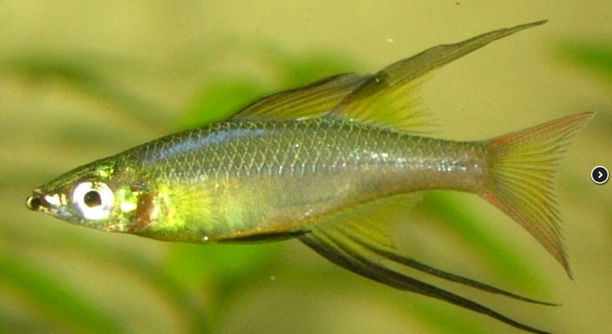
Threadfins are fascinating fish often seen in calm waters near structures and corners. Their sleek bodies and long, delicate fins allow them to navigate tight spaces with ease, creating a unique presence in their aquatic environments.
Threadfins may hover vertically in corners primarily as a response to environmental cues and foraging strategies. This behavior allows them to maintain position near shelter, conserve energy, and monitor prey or potential threats efficiently, ensuring their survival in complex habitats.
Understanding this behavior provides insight into their daily routines and interactions within ecosystems, revealing patterns that are important for both observation and conservation efforts.
Observing Threadfins in Their Natural Habitat
Watching threadfins in shallow waters can be surprisingly calming. I noticed they often hover near corners of submerged rocks or along piers. Their vertical posture seems deliberate, almost like they are pausing to assess their surroundings. Light and shadows play across their fins, making subtle movements appear elegant. They rarely swim in straight lines when near these corners, preferring small adjustments to maintain position. This behavior isn’t random; it reflects their instinct to stay close to protective structures while remaining ready to feed. The fins themselves act as stabilizers, allowing minimal energy use while staying upright. Over time, I realized these small maneuvers also let them monitor both prey and potential predators without expending too much effort. Each observation adds depth to understanding why such behavior persists. Seeing them in this calm yet attentive state makes it clear that hovering vertically serves multiple functions, not just resting.
The corners provide safety and strategic advantage, making threadfins’ vertical hovering essential for survival in dynamic aquatic habitats.
Even though their movements are subtle, threadfins demonstrate a clear pattern. Vertical hovering helps them stay near food sources while avoiding strong currents or larger fish. This posture also allows them to respond quickly to changes in their surroundings. Observing this behavior repeatedly confirmed that threadfins are not simply drifting—they are actively managing energy and risk. Such adaptations highlight the complexity of even small fish in maintaining balance between feeding, protection, and efficient swimming. Over time, it becomes evident that their vertical hovering is a combination of instinct, environmental response, and survival strategy, showing the precision with which nature equips animals for specific conditions.
Environmental Factors Influencing Vertical Hovering
Water currents and structural surroundings greatly influence threadfins’ position. Corners often reduce flow, providing calmer zones for resting.
Environmental conditions dictate threadfins’ behavior. Strong currents push them toward protected corners where vertical hovering is easier and energy use is minimized. Corners provide safety from larger predators while maintaining proximity to food sources, such as small invertebrates drifting nearby. Temperature and light also impact positioning; threadfins prefer areas where they can remain inconspicuous while observing surroundings. Over time, patterns emerge: calmer microzones and subtle flow changes determine where and when vertical hovering occurs. These behaviors are repeated daily, showing that threadfins respond predictably to environmental cues. Observing them in such microhabitats demonstrates their ability to exploit small-scale features effectively. Vertical positioning is not merely resting—it is a strategic adaptation to local conditions, ensuring they conserve energy and stay safe while maximizing feeding opportunities. Understanding these patterns helps explain broader ecological roles, highlighting the importance of corners and sheltered areas in aquatic ecosystems.
Feeding Behavior and Vertical Hovering
Threadfins often hover vertically to access food more efficiently. Corners provide a natural vantage point, letting them spot drifting invertebrates or small prey without moving too much. Their fins adjust subtly to maintain stability while capturing food.
Vertical hovering allows threadfins to conserve energy while feeding. By staying near corners or edges, they can monitor multiple directions for prey. The vertical position helps them remain steady against light currents, reducing unnecessary swimming. This stance also enables quick lunges toward food while minimizing exposure to predators. Over repeated observations, I noticed threadfins often switch positions slightly but rarely leave protective corners during feeding periods. It’s clear that energy efficiency and strategic access to food are the main reasons for this behavior.
Hovering vertically also aids in precision during feeding. Threadfins use subtle fin movements to stabilize their bodies and maintain the ideal angle. They can align themselves with prey that drifts close, making capture more efficient. Corners or obstacles help anchor them, allowing better control of small movements. This method reduces energy loss while increasing feeding success. In areas with more predators, vertical hovering becomes even more important, balancing feeding with safety. Observing these small fish shows how instinct and environmental adaptation combine seamlessly to support survival.
Social Interactions Around Corners
Threadfins are often seen near one another while hovering, indicating social tolerance in confined spaces. Corners allow multiple individuals to occupy small areas without direct conflict.
The presence of other threadfins near corners affects behavior. Vertical hovering helps maintain personal space while staying close enough to benefit from group vigilance. Fish in these positions can watch for predators while others feed, creating a low-risk environment. Social dynamics also influence position: larger individuals may dominate prime spots, forcing smaller fish to adjust. Observing repeated interactions revealed that threadfins maintain subtle spacing, using body orientation and fin adjustments to communicate indirectly. These patterns suggest that vertical hovering near corners supports both feeding efficiency and safe social interactions, allowing threadfins to coexist peacefully in tight spaces.
Predator Avoidance Strategies
Threadfins use vertical hovering to stay alert while remaining partially hidden. Corners offer both cover and a strategic view of approaching threats.
Remaining upright allows quick escape responses. Small adjustments of fins and body position help them react instantly to sudden movements in their surroundings.
Energy Conservation in Corners
Hovering vertically reduces the effort needed to fight currents. Corners create microzones of calmer water, letting threadfins maintain position with minimal fin movement. This energy-saving tactic is especially noticeable during warm afternoons, when extended periods of feeding or resting demand efficiency. Staying in these zones allows them to balance survival needs with energy expenditure, making corners essential to daily routines.
Environmental Monitoring
Threadfins use corners to observe surroundings efficiently. Their vertical posture provides a stable platform for spotting changes in light, currents, and nearby organisms.
FAQ
Why do threadfins hover vertically in corners instead of swimming freely?
Threadfins hover vertically in corners primarily to conserve energy while remaining alert. Corners offer protection from currents and potential predators, creating a calm zone where they can maintain position with minimal fin movement. This behavior also allows them to monitor prey or other fish efficiently. Observing them, I noticed they rarely leave these protected spots unless necessary, showing that vertical hovering is a deliberate survival strategy.
Do all threadfins display this vertical hovering behavior?
Most threadfins show vertical hovering, but the frequency depends on environmental conditions. In calm, open water, they may swim more freely, while in areas with strong currents or higher predator presence, vertical hovering becomes more pronounced. Individual size and age can also affect behavior. Smaller or younger fish often choose tighter corners, while larger adults may hover near slightly open spaces for both feeding and monitoring their surroundings.
Is vertical hovering linked to feeding efficiency?
Yes, vertical hovering is closely tied to feeding. Staying upright in corners allows threadfins to stabilize themselves against currents, reducing energy use while keeping eyes on drifting prey. This posture also allows for quick lunges at small invertebrates or other food without needing to swim continuously. Over multiple observations, it became clear that hovering in this position maximizes feeding success while minimizing risk, showing how behavior and survival needs are interconnected.
How do corners help threadfins avoid predators?
Corners act as natural shelters, giving threadfins a clear line of sight while reducing exposure. Vertical hovering helps them react instantly to sudden threats, whether from larger fish or environmental disturbances. Subtle movements of fins and body allow them to adjust position without drawing attention. During my observations, I noticed that fish in corners often avoided encounters that free-swimming individuals could not, showing how positioning is crucial for safety.
Do threadfins interact socially while hovering?
Threadfins show social tolerance in corners. Multiple fish may hover near one another, maintaining subtle spacing through body orientation and fin adjustments. Larger individuals often take prime positions while smaller ones adjust, but overall conflict is minimal. This behavior suggests that vertical hovering supports both individual survival and safe social interactions, allowing groups to coexist in limited spaces efficiently.
Does the environment influence vertical hovering behavior?
Environmental conditions heavily influence hovering. Currents, light, and water temperature determine where and when threadfins choose corners. Strong currents push them into calmer microzones, while shaded areas reduce visibility to predators. Seasonal changes may also shift preferred locations. Observing these patterns shows that vertical hovering is not random but a precise response to local conditions, reflecting adaptability and energy conservation.
Can vertical hovering indicate stress or health issues?
Occasionally, excessive or erratic hovering may suggest stress or poor health. Fish that struggle to maintain position or appear lethargic could be affected by water quality, parasites, or inadequate food supply. In healthy threadfins, vertical hovering is steady and controlled, showing that it is a natural behavior rather than a symptom of distress. Monitoring posture and movements over time provides insights into their well-being.
How long do threadfins typically hover in one spot?
The duration varies depending on safety, food availability, and environmental conditions. Some hover for several minutes to conserve energy while waiting for prey, while others may remain stationary longer when currents are strong or predators are nearby. Observing these durations helped me see how vertical hovering balances rest, feeding, and vigilance efficiently, making it a key aspect of daily survival.
Do other fish species exhibit similar vertical hovering behaviors?
Yes, some other species use similar strategies, especially those that rely on corners for shelter or feeding. However, threadfins’ use of vertical hovering is distinct due to their long, delicate fins and preference for tight spaces. Watching them highlighted how morphology and behavior work together, allowing threadfins to exploit niches that others may avoid. Their movements are precise and energy-efficient, demonstrating a clear evolutionary advantage.
Does vertical hovering change with the time of day?
Time of day influences hovering patterns. Threadfins often hover longer in corners during warmer midday periods when energy conservation is critical. Early mornings or late afternoons may see more active swimming for feeding or exploration. Observing daily routines confirmed that vertical hovering is flexible, adjusting to temperature, light, and predator activity, ensuring that threadfins can maintain balance between energy use and safety.
Can vertical hovering be observed in captivity?
Yes, threadfins in tanks or controlled environments often exhibit vertical hovering if corners or structures are present. Providing shelters, moderate currents, and adequate food encourages natural behavior. Watching them in captivity reinforced observations from natural habitats, showing that vertical hovering is instinctual rather than purely situational. Proper setup allows these behaviors to be expressed safely and naturally.
What are the main benefits of vertical hovering for threadfins?
Vertical hovering combines safety, energy conservation, feeding efficiency, and social interaction. Corners provide shelter and a stable vantage point, while the posture reduces energy spent against currents. It supports group tolerance, allows for quick responses to predators, and maximizes feeding opportunities. Over repeated observations, it became clear that this behavior is a multifaceted adaptation essential for survival and well-being.
Final Thoughts
Threadfins’ vertical hovering in corners highlights the careful balance these fish maintain between survival and efficiency. Observing them in natural habitats shows how they use environmental features to their advantage. Corners provide shelter from currents and predators, creating a calm space where threadfins can remain alert with minimal effort. Their delicate fins and streamlined bodies allow precise adjustments, keeping them stable while monitoring surroundings or waiting for food. This posture is not random but a deliberate choice shaped by instinct and environmental pressures. Watching these small fish navigate their habitats reveals how even subtle behaviors play a critical role in daily survival. It also emphasizes that what may appear as simple or idle movement has a purpose, reflecting both energy management and risk assessment.
Vertical hovering also plays a role in feeding efficiency. Corners let threadfins remain positioned in areas where small prey drifts by. The upright posture allows them to quickly lunge at food without using unnecessary energy, combining stability and precision. Over time, I noticed that they rarely leave protective zones during feeding, showing that energy conservation and safety are priorities. This behavior also provides insight into social dynamics. Multiple fish can hover in the same area without direct conflict, using subtle spacing and body orientation to maintain personal space. Corners, therefore, serve multiple functions: providing safety, feeding opportunities, and a space for quiet social interaction. Threadfins demonstrate that effective survival strategies often combine several advantages, all supported by small, consistent behaviors.
Finally, vertical hovering underscores the adaptability of threadfins to their environment. Currents, light, temperature, and predator presence influence where and when they hover, showing that behavior is highly responsive to local conditions. Even in captivity, these fish display similar patterns if corners or structures are provided, confirming that the behavior is instinctual rather than purely situational. Observing their routines demonstrates that small fish are capable of complex, energy-efficient strategies for daily life. This insight provides a deeper appreciation for aquatic ecosystems and the subtle adaptations that support life within them. Understanding these behaviors is valuable for conservation, research, and simply observing threadfins in a more informed and attentive way. The vertical hovering of threadfins is a clear example of how animals maximize safety, feeding efficiency, and social balance through precise and purposeful movements.

Hello,
If you enjoy the content that we create, please consider saying a "Thank You!" by leaving a tip.
Every little bit helps us continue crafting quality advice that supports the health, happiness, and well-being of pets around the world, for pets of all shapes, sizes, and species.
We really appreciate the kindness and support that you show us!