
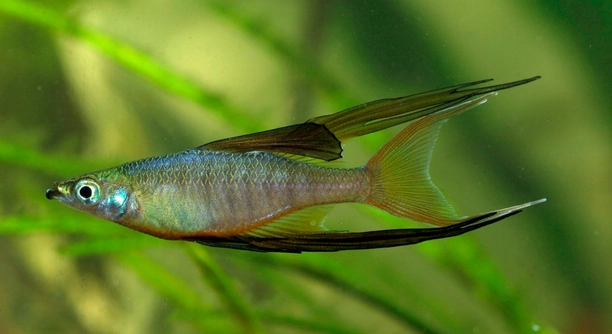
Have you ever found yourself fascinated by the gentle movements of threadfin rainbowfish, noticing how their long fins flow gracefully through the water? These small yet striking creatures bring color and calmness to aquariums, capturing attention with their delicate beauty.
Threadfin rainbowfish watch carefully for subtle shifts in their environment, including water conditions, potential food sources, and movement around them. Their attentiveness supports survival, social interaction, and overall well-being within both natural habitats and aquarium settings.
From their alert swimming patterns to their sensitive responses, these fish show that their watchful nature plays an important role in daily life.
The Importance of Observation in Threadfin Rainbowfish
Threadfin rainbowfish are small, colorful fish that rely heavily on careful observation to stay safe and healthy. Their thin, delicate fins make them easy targets for larger fish, so they remain watchful to avoid danger. In aquariums, they often stay aware of movement outside the glass, scanning for shadows or changes in light. This habit reflects their natural instincts, where even small disturbances in the water could signal a predator nearby. Their sharp attention also helps them identify food quickly, whether it is floating flakes, live insects, or tiny particles drifting in the water. By watching their surroundings closely, they can respond instantly and maintain balance in their environment. For aquarium keepers, noticing this behavior is important because it provides insight into how the fish are adapting. A watchful threadfin rainbowfish is usually an active and healthy one, alert to every detail that affects its well-being.
Their constant attention not only protects them from possible threats but also ensures they do not miss out on food opportunities. Careful observation gives them a greater chance of thriving in groups.
The behavior of staying alert is more than a survival strategy—it is a natural rhythm for threadfin rainbowfish. Their watchful eyes and steady awareness allow them to respond to even the smallest changes. This habit helps them interact with their surroundings while remaining in harmony with other fish. In aquariums, these behaviors are often easy to notice, especially when they swim in schools. Each fish seems to take cues from the other, creating coordinated patterns of movement that depend on observation. By keeping watch, they maintain safety, strengthen social bonds, and build trust within the group. For anyone caring for them, it is rewarding to see how their careful behavior shapes their daily routines. It is also a reminder that even small fish can display awareness in ways that are both practical and fascinating.
How They React to Their Environment
Threadfin rainbowfish respond quickly to any change around them, whether in light, sound, or water conditions. Their sensitivity is key to survival.
They are especially responsive to shifts in water quality, since their delicate bodies rely on stable conditions. Even slight changes in temperature or pH can affect their health. Because of this, they pay close attention to subtle signals in their surroundings, allowing them to adjust. In aquariums, they may move differently or group together when something feels off, signaling that they are aware of changes. Their alert nature extends beyond the water, too. They notice sudden movements near the glass and often scatter if startled. This heightened awareness reflects their natural instincts, where quick reactions could mean escaping a predator. For aquarists, observing these responses is valuable. It helps identify stress or discomfort early, allowing proper care and adjustment. Their watchfulness becomes a guide for keeping the environment safe and balanced.
Social Awareness in Groups
Threadfin rainbowfish rely on group awareness to stay safe. They watch each other closely, moving in unison when needed. This shared alertness helps them avoid threats and find food, creating harmony within their school.
Their schooling behavior depends heavily on constant observation. Each fish notices the small movements of others and quickly adjusts. This coordinated swimming reduces stress, since the group functions almost as a single body. When danger appears, they scatter or regroup based on visual signals. In an aquarium, this can be seen when one fish reacts suddenly, causing the rest to follow without hesitation. Their watchful interaction is not just about safety, but also about maintaining peaceful dynamics. Observing them in groups highlights how much they rely on awareness to support both survival and social structure.
Social awareness also helps threadfin rainbowfish establish a sense of order. By paying attention to the movements and positions of their tankmates, they minimize conflict and avoid unnecessary competition. Watching each other ensures that no single fish dominates, which helps keep the group balanced. In captivity, aquarists often notice how their swimming patterns reflect trust and stability. These behaviors allow them to remain peaceful, even in small tanks. Their constant observation of one another plays a key role in their calm and graceful presence.
Sensitivity to Feeding
Food availability shapes much of their attention. Threadfin rainbowfish carefully watch for floating particles and respond instantly when food touches the water’s surface. Their sharp vision allows them to spot even small amounts, ensuring they stay nourished and active.
During feeding, their alertness becomes even more noticeable. They move quickly toward food but remain cautious of other fish around them. This careful balance prevents unnecessary clashes while still securing enough to eat. Their slender mouths are adapted for tiny bites, so they pay attention to detail when chasing particles. Observing their behavior while feeding offers insights into their health, since healthy rainbowfish eat eagerly but gracefully. Their attentiveness at mealtime reflects both survival instinct and natural curiosity, reminding us that even small fish display precision in their daily lives.
Light and Movement
Threadfin rainbowfish stay alert to changes in light, often adjusting their swimming speed or direction. Bright shifts can make them scatter quickly, while softer lighting helps them remain calm and glide smoothly through the water.
They also react strongly to movement near the tank. Even small gestures outside the glass can catch their attention, making them pause or change direction. This sensitivity shows how much they rely on vision to feel secure and aware.
Water Conditions
Stable water conditions are essential for threadfin rainbowfish, and they constantly notice subtle changes. Variations in clarity, oxygen levels, or temperature influence how they move and interact. Poor water quality can quickly lead to stress, reducing their activity and weakening their immune system. Attentive observation of these signs often reveals early problems. For aquarists, noticing their reactions becomes a useful tool for maintaining balance. When rainbowfish show unusual swimming patterns or gather near the surface, it is often a signal that something is wrong. Their watchful nature helps them cope, but it also alerts caregivers to act quickly.
Interaction with Other Species
When housed with different species, threadfin rainbowfish observe carefully before approaching. They notice behavior cues, ensuring they can avoid conflict and maintain peaceful swimming patterns in shared aquariums. Their awareness helps them adjust smoothly alongside other fish.
FAQ
Why do threadfin rainbowfish watch their surroundings so closely?
Threadfin rainbowfish have delicate fins and slender bodies, making them vulnerable in the wild. To stay safe, they remain watchful of everything happening around them. Their constant observation allows them to detect predators, food, and changes in water quality. In aquariums, this behavior continues, as they respond quickly to movement outside the glass or slight shifts in lighting. Their careful attention helps them avoid stress, remain active, and adjust smoothly to their environment. It is not just instinctive but also necessary for maintaining their overall health and balance.
Do threadfin rainbowfish watch other fish in their tank?
Yes, they watch their tankmates closely. Threadfin rainbowfish live in schools, and group awareness is vital for harmony. Each fish takes visual cues from the others, adjusting movement to swim in unison. This watchful behavior minimizes conflict and strengthens their sense of safety. In mixed aquariums, they also observe other species, ensuring they can avoid unnecessary clashes. Their awareness makes them graceful swimmers that adapt well in community tanks. Paying attention to others is their way of keeping peace and maintaining order, both in the wild and in captivity.
How do threadfin rainbowfish respond to food?
During feeding, they become highly alert. These fish watch for small particles drifting in the water or floating on the surface. Their sharp vision helps them spot even tiny pieces of food. They move swiftly toward it but remain cautious of surrounding fish, preventing aggressive competition. Because of their small mouths, they take delicate bites, showing precision in how they eat. Observing them at mealtime is not only fascinating but also useful for aquarists. Healthy threadfin rainbowfish respond to food eagerly, while disinterest may suggest stress or illness that needs attention.
Why are threadfin rainbowfish sensitive to light and movement?
Light and movement are strong signals for threadfin rainbowfish. Sudden brightness can make them scatter, while softer light keeps them calm. They also respond quickly to movement near the tank, pausing or swimming away if startled. In the wild, these signals often indicate predators or environmental changes. Even in aquariums, they remain highly aware of such cues. Their sharp eyesight and natural instincts guide their reactions. For keepers, understanding this sensitivity is important. A well-lit but gentle setup helps the fish stay comfortable, while minimizing sudden disturbances keeps them from unnecessary stress.
What signs show that water conditions are affecting them?
When water conditions change, threadfin rainbowfish often reveal it through behavior. They may gather near the surface, swim less actively, or show uneven movements. Since their bodies are delicate, poor conditions like low oxygen, unstable pH, or cloudiness affect them quickly. Caregivers should pay attention to these small changes. Their alert nature works as an early warning system, showing that something is wrong before it becomes severe. Watching these signs closely allows aquarists to fix problems in time. Healthy fish swim actively, explore their surroundings, and maintain graceful movements without hesitation.
How do they behave around other species?
Threadfin rainbowfish are generally peaceful, but they remain watchful when placed with other species. They observe carefully before approaching and adjust their swimming patterns to avoid conflict. Larger or more aggressive tankmates can intimidate them, making them retreat. However, when housed with calm species, they adapt easily. Their watchfulness helps them find balance and maintain harmony within mixed groups. In aquariums, this makes them suitable companions for other peaceful fish. Their ability to notice behavior cues ensures that they rarely cause trouble and instead focus on peaceful interaction.
Why is their watchful nature important for aquarists to notice?
For aquarists, their constant observation is more than just interesting—it is useful. Watching how threadfin rainbowfish respond to light, water conditions, food, and other fish offers important clues about their health. Their behaviors act as early signals when something is wrong in the aquarium. A sudden change in swimming style or feeding behavior often points to stress, poor water quality, or illness. Their alertness is not only part of their survival instinct but also a practical guide for proper care. Paying attention to these details helps ensure they remain healthy and thrive in captivity.
Do they ever stop being so watchful?
No, their attentive behavior is consistent throughout their lives. Whether in the wild or in aquariums, threadfin rainbowfish remain alert because it is their primary way of surviving and thriving. They may appear calmer in safe, stable environments, but they never completely stop watching their surroundings. Even when swimming gracefully in schools, they still notice shifts in light, water, and movement. This constant awareness defines them as a species. For anyone caring for them, it is reassuring to know that their watchfulness is natural and not a sign of fear or discomfort.
Threadfin rainbowfish are fascinating fish to observe because of their watchful and careful behavior. Their alertness is a natural part of who they are, helping them survive in the wild and remain healthy in aquariums. These fish notice subtle changes in their surroundings, including movement, light, and water conditions. Even small shifts can catch their attention, showing how sensitive and aware they are. In aquariums, this behavior becomes very noticeable, as they respond quickly to changes around them. Watching their careful movements provides a sense of their natural instincts and the ways they interact with their environment. This attentiveness also highlights their intelligence and the complexity of their behavior despite their small size and delicate appearance.
Their social behavior is another important aspect of their watchfulness. Threadfin rainbowfish often swim in groups, relying on each other for cues about food, safety, and movement. By observing their tankmates, they coordinate swimming patterns and maintain harmony within the school. This shared awareness reduces conflict and creates a sense of order in their group. In aquariums, seeing them move together in unison is both calming and impressive. Their attentiveness to each other is part of how they communicate silently and manage their surroundings. This behavior is an important factor to consider for anyone keeping them in captivity, as it ensures that they thrive and remain healthy while living with other fish.
Overall, understanding threadfin rainbowfish’s careful and watchful behavior helps anyone caring for them provide the right environment. Observing their reactions to light, food, water, and other fish gives insight into their health and comfort levels. Their alert nature is not a cause for concern but rather a sign of their natural instincts and intelligence. By paying attention to these behaviors, aquarists can make adjustments that support their well-being, such as maintaining stable water conditions, providing proper nutrition, and creating a peaceful tank environment. Appreciating the subtleties of how they move and respond also deepens the enjoyment of keeping these colorful fish. Over time, their watchful presence becomes a clear indication of a thriving, balanced aquarium and reflects the care and attention that these delicate creatures require to flourish.

Hello,
If you enjoy the content that we create, please consider saying a "Thank You!" by leaving a tip.
Every little bit helps us continue crafting quality advice that supports the health, happiness, and well-being of pets around the world, for pets of all shapes, sizes, and species.
We really appreciate the kindness and support that you show us!