
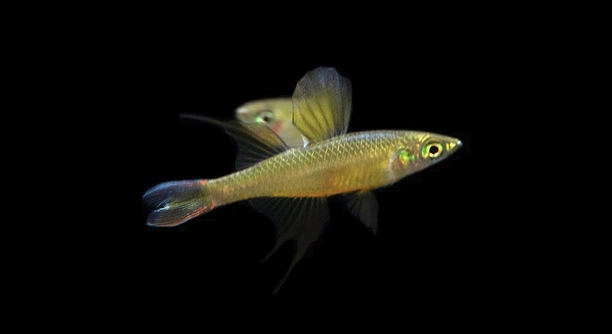
Have you ever set up a rainbowfish tank and felt unsure about the right way to add plants for your fish? Adding greenery can seem simple, but doing it properly helps your fish stay healthy and comfortable in their environment.
The best way to introduce plants to a Threadfin Rainbowfish tank is by selecting soft-leaved species, planting them gradually, and monitoring water quality. This approach reduces stress, maintains balance, and creates a natural habitat for the fish.
By understanding how plants interact with your tank, you can create a balanced environment that benefits both the water quality and your fish.
Choosing the Right Plants
When setting up a tank for Threadfin Rainbowfish, it is important to choose plants that match their peaceful nature and delicate fins. Soft-leaved plants like Java fern, Hornwort, and Anubias are safe choices, as they do not damage the fish while swimming. These plants also provide natural cover, which helps Threadfins feel secure. Live plants are more than decoration; they support water quality by reducing nitrates and offering oxygen. Selecting hardy varieties ensures they adapt to the tank with little effort. Start small with only a few plants, then add more once you see how your fish adjust.
The right plants help maintain balance in the tank, keeping it stable while adding a natural feel. They also make the aquarium look more vibrant, creating a healthy environment that both fish and plants can thrive in together.
Adding plants gradually prevents sudden changes to the tank’s environment. If introduced too quickly, plants may disturb the balance of nutrients and oxygen levels. By planting a few at a time, your fish can adapt without stress. This slower approach also gives you a chance to notice how well each type of plant grows in your setup, so you can make adjustments if needed.
Preparing the Tank for Plants
Before adding plants, it is important to ensure the tank is fully cycled and stable. Threadfin Rainbowfish are sensitive to sudden changes in their environment, so having balanced water conditions is essential. Make sure the temperature, pH, and filtration are set correctly. Stable water gives plants the best chance to establish roots and grow successfully.
Preparing your tank for plants requires thoughtful steps. Begin by checking your substrate, as it should support plant roots while staying safe for the fish. Fine gravel or nutrient-rich soil are excellent options for growth. Next, confirm your lighting setup because plants need adequate light to photosynthesize and stay healthy. If lighting is too dim, plants will struggle, and algae may take over. Adding fertilizers or root tabs can also help plants grow stronger without harming the fish. Once your tank is ready, rinse your chosen plants under clean water to remove debris or pests. This extra care prevents unwanted issues and ensures your fish remain safe while your plants settle into their new environment.
Introducing Plants Step by Step
Start by placing only a few plants into the tank at once. This keeps the environment stable and gives your Threadfin Rainbowfish time to adjust. Avoid sudden changes that can affect water balance or cause unnecessary stress.
After planting the first few, allow the tank to settle for a week before adding more. This slower process makes it easier to monitor water quality and observe how your fish interact with the plants. If the fish appear calm and active, you can safely add another small batch. Careful observation helps you notice any early signs of imbalance.
Spacing plants correctly is also important. Place taller plants toward the back to provide cover while keeping the front open for swimming. This arrangement creates a natural look and supports healthy movement in the tank. Threadfin Rainbowfish prefer open spaces, so balancing cover with open areas keeps them comfortable and active.
Maintaining Plant Health
Healthy plants need consistent care, and this begins with proper lighting. Most aquatic plants require about eight to ten hours of light daily. Too much light encourages algae, while too little can cause plants to weaken. A timer makes it easy to keep lighting balanced.
Fertilization plays a key role in keeping plants strong. Root tabs are helpful for rooted species, while liquid fertilizers work well for plants that draw nutrients from the water. Regular trimming encourages new growth and prevents overcrowding, which also benefits your fish by keeping the swimming space open. Watching the leaves is important—yellowing often means nutrient deficiency, while melting leaves can signal poor conditions. Addressing these issues early ensures plants continue supporting water quality and providing shelter. With steady care, both plants and fish thrive together in a stable and natural environment.
Monitoring Water Conditions
Check water parameters regularly to ensure both plants and fish stay healthy. Stable pH, ammonia, nitrite, and nitrate levels are essential. Threadfin Rainbowfish thrive in clean, balanced water, so frequent testing helps prevent issues before they affect the aquarium.
Temperature control is equally important. Threadfins prefer slightly warmer water, and stable heat helps plants grow well too. Avoid sudden fluctuations, as they can stress the fish and slow plant growth. Using a reliable heater and thermometer makes it easier to maintain consistent conditions throughout the tank.
Preventing Common Issues
Algae growth is a common problem in planted tanks. Controlling light exposure and avoiding overfeeding are the best ways to keep it in check. If algae begins to spread, remove it manually during water changes to prevent it from competing with plants for nutrients.
Encouraging Natural Behavior
Plants provide shaded areas and gentle cover, making fish feel secure. Threadfin Rainbowfish use these spaces for resting and exploring, which reduces stress. A well-planted tank not only improves water quality but also supports natural movement, giving the fish a calm and healthy environment.
FAQ
Can Threadfin Rainbowfish live in a planted tank safely?
Yes, Threadfin Rainbowfish are very peaceful and thrive in planted tanks. They have delicate fins, so plants with soft leaves are best. Hard or sharp plants can harm them. A well-planted aquarium provides shade, hiding spots, and supports stable water quality, which benefits both plants and fish.
Which plants are best for a Threadfin Rainbowfish tank?
Good options include Java fern, Anubias, Hornwort, and floating plants like Water Sprite. These plants are hardy, safe, and easy to care for. They do not require extreme lighting or advanced fertilizers, making them suitable for beginners and experienced aquarists alike.
Do I need special lighting for the plants?
Yes, plants require light to grow, but not all need strong lighting. Standard aquarium lights with eight to ten hours of exposure daily are usually enough. Using a timer helps maintain consistency, which supports both plant growth and fish well-being.
How do I stop algae from overtaking my plants?
Algae thrive when there is too much light or excess nutrients in the water. Avoid overfeeding your fish, as leftover food increases algae. Trim plants regularly, keep the tank clean, and adjust lighting if necessary. Consistency is key to preventing algae problems.
Can Threadfin Rainbowfish eat the plants in their tank?
Threadfin Rainbowfish are not known to eat plants. They may peck lightly at surfaces, but this is usually for grazing on microorganisms, not damaging leaves. Choosing hardy plants ensures they remain intact and healthy even with light nibbling activity.
Should I use fertilizers in a planted tank with Threadfin Rainbowfish?
Yes, but choose safe options. Root tabs work well for rooted plants, while liquid fertilizers are better for water column feeders. Use them in moderation to avoid stressing the fish. Balanced fertilization keeps plants strong and supports the overall ecosystem.
What water conditions do plants and Threadfin Rainbowfish need?
They both prefer slightly warm, stable water with a pH between 6.0 and 7.5. Temperature should stay around 74–80°F. Stable ammonia and nitrite levels are crucial. Keeping water parameters steady ensures both plants and fish remain healthy in the aquarium.
How often should I trim the plants?
Trimming should be done whenever plants become overgrown or block swimming space. Regular pruning encourages new growth and prevents overcrowding. Removing excess leaves also reduces debris in the water, keeping the tank cleaner and more balanced for your fish.
Is it better to use live or artificial plants?
Live plants are always better for Threadfin Rainbowfish tanks. They improve water quality by consuming nitrates and providing oxygen. Artificial plants do not contribute to the ecosystem and may have rough edges that risk tearing delicate fins.
Do plants help reduce stress in Threadfin Rainbowfish?
Yes, plants offer shelter and shaded areas, which make fish feel secure. Threadfins are small and active, so having natural cover helps reduce stress. A planted tank creates a calming environment that encourages natural swimming patterns and exploration.
How can I safely introduce new plants to my tank?
Always rinse new plants under clean water before adding them. This removes dirt, debris, and potential pests. Plant them gradually instead of all at once, giving fish time to adjust and allowing the water balance to remain stable.
Do plants affect the oxygen levels in the tank?
Yes, live plants release oxygen during the day through photosynthesis. At night, they use oxygen, but the balance remains positive in a well-maintained tank. This exchange keeps oxygen levels stable, supporting both fish and beneficial bacteria.
What kind of substrate works best for planted tanks?
Fine gravel and nutrient-rich soil are both good options. Nutrient substrates support root growth, while gravel works well if paired with root tabs. Avoid sharp substrates, as they can damage delicate fins when Threadfins swim close to the bottom.
Can plants grow without CO₂ injection?
Yes, many hardy plants can thrive without added CO₂. Java fern, Anubias, and Hornwort are great examples. While CO₂ boosts growth, it is not necessary for a healthy planted tank. Choosing low-maintenance plants avoids the need for extra equipment.
Do Threadfin Rainbowfish use plants for breeding?
Yes, plants provide spawning sites. Threadfins scatter eggs among fine-leaved plants or floating vegetation. Having live plants increases the chances of eggs surviving, as they offer protection and reduce visibility to other fish that might eat them.
How often should I test water in a planted tank?
Testing should be done weekly, especially in newer tanks. Check ammonia, nitrite, nitrate, and pH levels. Consistent testing helps spot changes early, ensuring plants and fish remain safe. A stable environment reduces stress and prevents potential health problems.
What role do floating plants play in a Threadfin Rainbowfish tank?
Floating plants provide shade, reduce algae by blocking excess light, and create a more natural environment. Threadfins appreciate the cover they provide. Species like Water Sprite and Duckweed are excellent choices, though care is needed to prevent overgrowth.
Can plants survive in low-light tanks?
Yes, certain species like Java fern and Anubias tolerate low light. They grow slower but still contribute to water quality and provide cover. Choosing low-light plants makes maintenance easier and ensures they stay healthy without advanced lighting systems.
Do I need to quarantine plants before adding them?
It is a good idea to quarantine new plants. Some may carry snails, algae, or parasites that could harm your tank. Keeping them in a separate container for a few days allows you to clean them thoroughly before adding.
Final Thoughts
Creating a planted tank for Threadfin Rainbowfish is not only about making the aquarium look attractive, but also about supporting the health of the fish. Live plants provide natural shelter, improve water quality, and create a calm environment where the fish can display their best colors and behavior. When plants are introduced thoughtfully, they reduce stress and encourage more natural activity. Choosing safe plant species, preparing the tank correctly, and taking the time to add plants slowly are all steps that make a noticeable difference. With steady care, the balance between plants and fish becomes easier to maintain, allowing both to thrive together.
Maintaining plant health in the tank is just as important as selecting the right ones. Regular care, such as trimming overgrown leaves, providing the right amount of light, and using safe fertilizers, helps plants stay strong. Healthy plants improve water conditions by absorbing excess nutrients and releasing oxygen during the day. This benefits Threadfin Rainbowfish, who are sensitive to sudden changes and need a stable environment. Monitoring water parameters consistently helps prevent issues before they develop into bigger problems. Over time, you will learn the rhythm of your tank, noticing how the fish and plants respond to small adjustments.
A planted Threadfin Rainbowfish tank is more than decoration—it is a living system that supports the well-being of its inhabitants. Watching the fish swim through shaded areas, explore between plants, and use natural cover for resting shows the value of your effort. A carefully balanced setup does not need to be complicated; it simply requires patience, consistency, and observation. By respecting the needs of both plants and fish, you can build a stable, beautiful, and natural habitat. The process of maintaining this balance creates a rewarding aquarium that remains healthy for the long term, giving you the satisfaction of seeing your Threadfin Rainbowfish active, comfortable, and thriving in a safe, planted environment.

Hello,
If you enjoy the content that we create, please consider saying a "Thank You!" by leaving a tip.
Every little bit helps us continue crafting quality advice that supports the health, happiness, and well-being of pets around the world, for pets of all shapes, sizes, and species.
We really appreciate the kindness and support that you show us!