
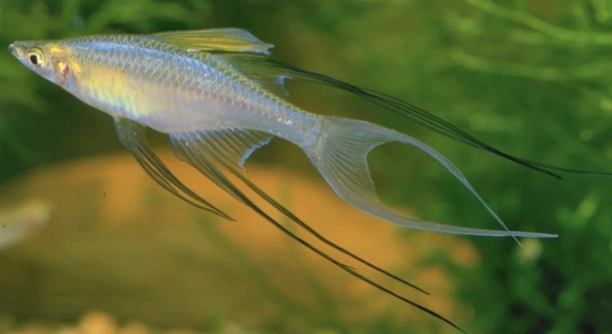
Do your aquariums house the vibrant Threadfin Rainbowfish, those shimmering gems of freshwater tanks? These lively fish captivate with their colors and movements, often sparking curiosity about their behavior and interactions within their aquatic environment.
Threadfin Rainbowfish exhibit limited forms of social bonding but do not display affection in the same way mammals do. Their interactions, such as schooling and following, primarily serve safety, mating, and environmental adaptation purposes rather than emotional attachment.
Observing these fish can reveal subtle patterns of behavior, offering insights into their care and social dynamics in a home aquarium setting.
Understanding Threadfin Rainbowfish Behavior
Threadfin Rainbowfish are naturally social and enjoy the company of their own kind. They often swim together in schools, creating patterns that seem coordinated but are actually instinctive. These fish communicate mainly through body language, color changes, and subtle movements. When a fish flares its fins or displays brighter colors, it can signal dominance, readiness to mate, or mild stress. Observing them carefully reveals these nuanced signals and helps you maintain a peaceful tank environment. While they don’t show affection like mammals, their responses to each other can indicate comfort, familiarity, and recognition of tank mates. Providing hiding spots and open swimming space ensures they feel secure. A well-maintained aquarium with stable water conditions encourages natural behavior and minimizes stress. Feeding them a varied diet with quality flakes, frozen, or live foods also supports active and healthy interactions.
Social schooling behavior improves their confidence and reduces stress, making them more visible and active in the tank.
Recognizing their subtle communication takes time, but the rewards are noticeable. You can see which fish are more dominant, which ones follow others, and how they react to new tank mates. Some fish develop consistent swimming partners, showing preference without forming emotional bonds. Environmental factors like lighting, water quality, and space affect how confidently they move and interact. Paying attention to their color patterns and fin displays helps identify mood changes. When introducing new fish, observing initial reactions ensures compatibility. They often approach food at the same time or mirror each other’s movements, which can seem like social interest. Understanding these behaviors allows for a more harmonious aquarium, ensuring each fish thrives while maintaining their natural instincts. This awareness also makes daily care routines easier and more effective.
Signs of Stress and Comfort
Stress in Threadfin Rainbowfish shows through color fading, erratic swimming, or hiding frequently.
Keeping the tank clean, stable, and appropriately stocked is essential. Overcrowding or sudden environmental changes can trigger stress. Providing plants, hiding spots, and gentle filtration helps them feel secure and reduces aggressive behaviors. Regular observation allows early detection of illness or discomfort. Adjusting water temperature and pH gradually ensures their habitat remains comfortable. Stress-free fish exhibit brighter colors, consistent schooling, and active feeding, which makes tank maintenance more rewarding. Understanding these subtle cues can prevent long-term health issues and maintain a peaceful aquarium.
Ensuring comfort requires attention to tank size, water parameters, and compatible companions. A larger tank allows them to express natural swimming patterns while reducing territorial disputes. Soft lighting enhances their colors and reduces startling reflections. Introducing new fish slowly minimizes disruption to established groups. Regular feeding with appropriate portions prevents aggression and ensures balanced nutrition. Observing their behavior over weeks helps determine if environmental adjustments are necessary. Providing gentle water flow mimics their natural habitat and encourages active movement. By understanding these factors, caretakers can maintain a stable and thriving aquarium where Threadfin Rainbowfish display their most natural and vivid behaviors consistently.
Feeding Habits and Interaction
Threadfin Rainbowfish eat small flakes, frozen foods, and live foods like brine shrimp. They often swim together to compete for food, showing coordination but not affection. Regular feeding keeps them active and helps observe social dynamics in the tank.
A varied diet ensures healthy growth and vibrant colors. Feeding multiple times a day in small portions prevents overfeeding and reduces water pollution. Live or frozen foods stimulate natural hunting behavior, keeping the fish engaged. Observing how each fish approaches food reveals social hierarchy, as some may dominate while others follow. Maintaining consistent feeding routines strengthens their comfort in the tank and reduces stress. A balanced diet supports immunity and activity levels.
Feeding also offers insight into subtle interactions. Fish may mirror each other’s movements toward food, forming temporary swimming pairs. These behaviors are practical, not emotional, but they can appear like social bonding. Recognizing this helps in arranging tank space and feeding areas effectively. Ensuring that shy fish receive adequate food requires attention and patience. Rotating food types prevents boredom and encourages natural foraging, keeping the aquarium environment dynamic while maintaining health. Observing these habits regularly can improve both care routines and overall fish vitality.
Tank Setup and Environment
A well-structured tank prevents aggression and supports natural schooling behavior among Threadfin Rainbowfish.
Tank size, hiding spots, and plant placement significantly impact behavior. A minimum 30-gallon tank is recommended for small groups to allow free movement and reduce stress. Floating plants offer cover and create shaded areas, while open swimming zones encourage active schooling. Filtration should provide gentle water flow without disturbing fish, and lighting should highlight their natural colors without causing stress. Stable water parameters, including pH, temperature, and hardness, are crucial. A properly arranged tank supports both physical and behavioral health, fostering active, confident, and stress-free fish.
Environmental enrichment enhances well-being and reduces stress-related behaviors. Live plants and driftwood provide natural hiding spots, encouraging exploration. Maintaining consistent water temperature and monitoring chemical levels prevent sudden changes that could trigger illness. Substrate choice affects both aesthetics and comfort, as some fish prefer fine gravel for swimming ease. Gradual introduction of new tank mates ensures compatibility, reducing conflict. Open swimming areas allow natural schooling, while shaded corners give refuge for timid individuals. Rotating decorations and rearranging plants occasionally keeps the environment stimulating. Careful attention to tank setup ensures the fish remain active, colorful, and display healthy behavior patterns consistently over time.
Social Dynamics in Groups
Threadfin Rainbowfish naturally school together, providing security and coordination. They often follow leaders or more confident individuals while moving around the tank. This behavior reduces stress and allows them to explore their environment safely without showing emotional attachment.
Hierarchy forms subtly in groups. Dominant fish often swim at the front during movement, while less confident individuals stay in the middle or back. Observing these patterns helps identify which fish are assertive or shy. Temporary partnerships may form for coordinated swimming, but these are instinctive rather than affectionate. Recognizing social roles supports better tank management and reduces potential conflicts among fish.
Breeding Behavior
During breeding, males display brighter colors and flare fins to attract females. This behavior is purely reproductive and not a form of affection. Mating rituals involve chasing and nudging, showing dominance and readiness.
Signs of Healthy Interaction
Healthy interactions include coordinated swimming, active feeding, and consistent color display. Fish that school together confidently and explore their surroundings indicate comfort and well-being in their environment.
FAQ
Do Threadfin Rainbowfish recognize their owners?
Threadfin Rainbowfish do not form emotional bonds like mammals but can recognize consistent activity in their environment. They may swim toward familiar movement near the tank, especially around feeding times. This behavior reflects learned responses rather than affection, showing comfort with routine and reduced stress.
Can Threadfin Rainbowfish feel lonely?
These fish are naturally social and thrive in groups. A single fish may become stressed, hide, or show less vibrant colors. Keeping at least six individuals together allows for natural schooling behavior, improving confidence, activity, and overall well-being.
How can I tell if my fish are happy?
Active swimming, bright coloration, consistent feeding, and coordinated schooling indicate comfort and health. Fish that explore their tank confidently and respond to environmental stimuli are generally content. Conversely, dull colors, erratic swimming, or constant hiding suggest stress or illness.
Do Threadfin Rainbowfish show aggression?
Mild aggression can occur, especially among males during breeding or territorial displays. Dominance is typically shown through chasing or fin displays rather than harming other fish. Ensuring sufficient space, hiding spots, and proper group size reduces conflict and maintains peaceful interactions.
Are they sensitive to tank changes?
Yes, sudden water changes, temperature shifts, or new tank mates can stress Threadfin Rainbowfish. Gradual adjustments, stable pH, and consistent conditions support health and natural behavior. Observing responses after changes helps prevent long-term stress or illness.
Can they bond with other fish species?
While they do not form emotional bonds, Threadfin Rainbowfish can coexist peacefully with compatible species. Schooling with other non-aggressive fish can encourage coordinated swimming and shared exploration, providing social comfort without affection. Compatibility depends on size, temperament, and environmental needs.
How do I encourage natural behavior?
Providing open swimming areas, plants, and hiding spaces encourages exploration and schooling. A varied diet and gentle water flow support activity. Observing subtle interactions like following, synchronized movement, and color changes helps monitor natural behavior without expecting emotional attachment.
Do they react to human touch?
Threadfin Rainbowfish do not respond to touch as mammals do. Attempting to interact physically may stress them. They respond better to visual cues, movement, and feeding routines, which can indicate comfort and familiarity without emotional attachment.
Is tank size important for social behavior?
Yes, larger tanks allow free swimming, reduce stress, and minimize territorial disputes. A minimum 30-gallon tank for small groups ensures they can school naturally, display their colors, and remain active, improving overall health and visible social interactions.
What are common signs of stress?
Stress shows through hiding, color fading, erratic swimming, or loss of appetite. Maintaining stable water parameters, proper group size, and environmental enrichment helps reduce stress. Early detection prevents illness and allows intervention before issues escalate.
How often should I feed them?
Small, frequent feedings two to three times a day work best. This ensures all fish get food, encourages natural foraging, and reduces water pollution. Rotating food types between flakes, frozen, and live options keeps them engaged and supports optimal growth.
Do males and females behave differently?
Males often display brighter colors and assertive behaviors, especially during breeding, while females are slightly more subdued. Both participate in schooling, but males may chase females as part of reproductive behavior. These interactions are instinctive and not signs of affection.
Can they live alone?
Living alone is not ideal. Solitary Threadfin Rainbowfish often show stress and reduced activity. Keeping a proper group size allows natural schooling, reduces anxiety, and supports healthier behavior patterns.
How can I monitor social interactions?
Observe swimming formations, feeding order, and fin displays. Dominant individuals typically lead, while others follow. Coordinated swimming and consistent group patterns indicate comfort, while constant hiding or chasing signals environmental issues or stress.
What tank decorations are best for interaction?
Plants, driftwood, and open swimming spaces balance hiding areas with movement zones. This setup encourages schooling, reduces aggression, and allows natural exploration. Rearranging occasionally can stimulate activity, but avoid drastic changes that may cause stress.
Do they communicate with each other?
Communication occurs through body language, color changes, and fin displays. These signals convey dominance, readiness to mate, or stress levels. While they may appear social, these interactions are instinctive and survival-driven rather than emotional bonding.
How long do they live in captivity?
With proper care, Threadfin Rainbowfish can live up to five years. Maintaining stable water conditions, a balanced diet, and appropriate group size supports longevity, active behavior, and consistent coloration throughout their lifespan.
Are they easy to care for?
They require moderate care. Stable water parameters, proper tank size, a balanced diet, and social groups are essential. Observing behavior regularly helps detect stress or illness early, ensuring a thriving and harmonious aquarium environment for these active fish.
Can stress affect coloration?
Yes, stressed fish often lose vibrancy. Bright coloration usually indicates comfort and health, while fading colors suggest environmental or social stressors. Adjusting tank conditions and maintaining proper group dynamics can restore natural colors.
Do they need companions of the same species?
Yes, companions of the same species promote natural schooling behavior. Mixed-species tanks are possible, but the presence of other Threadfin Rainbowfish ensures optimal social behavior, reducing stress and promoting active, visible interactions in the aquarium.
How do they respond to new tank mates?
New fish introductions should be gradual. Threadfin Rainbowfish may follow or observe newcomers while establishing social order. Adequate space, hiding areas, and slow acclimation reduce stress and prevent conflicts, allowing peaceful integration without emotional attachment.
Can they learn routines?
They can recognize feeding times and respond to consistent movement near the tank. This learned behavior reflects familiarity with routine rather than affection, making daily care more predictable and efficient.
Do environmental factors influence interactions?
Yes, lighting, water flow, and temperature impact activity and schooling. Gentle flow and appropriate lighting encourage coordinated swimming, while sudden changes can trigger stress or hiding behavior. Stable conditions ensure consistent interaction patterns and visible comfort in the aquarium.
Are they good for community tanks?
Threadfin Rainbowfish are compatible with peaceful, similar-sized fish. They participate in group swimming and exploration without aggression. Choosing non-territorial companions ensures a harmonious tank, allowing active and natural behaviors while maintaining low stress levels.
How can I tell dominant from submissive fish?
Dominant fish lead during swimming, approach food first, and display fins more prominently. Submissive fish stay behind or in sheltered areas. Recognizing these roles helps manage tank space and maintain balance, preventing unnecessary stress or aggression among the group.
What is the best way to observe interactions?
Regular, quiet observation during feeding and free swimming reveals social structure, schooling patterns, and subtle communication. Avoid sudden movements that may startle them. Observing behavior consistently allows early detection of stress, illness, or dominance issues.
Do they interact differently with male and female tank mates?
Males often chase females during breeding, while females may respond with avoidance or mild schooling adjustments. Other interactions, such as following and coordinated swimming, are influenced more by group dynamics than by gender-specific bonds.
Can they adapt to different tank sizes?
They adapt better to larger tanks with open swimming space. Smaller tanks increase stress and limit schooling behavior, affecting activity levels and coloration. Providing adequate room supports natural social interactions and healthy behavior patterns consistently.
Do they ever show curiosity toward objects in the tank?
Yes, they may explore plants, decorations, and hiding spots. This behavior reflects natural foraging and exploration instincts rather than emotional attachment, providing enrichment while maintaining instinct-driven activity in the aquarium.
How important is water quality for social behavior?
Water quality directly affects comfort, coloration, and schooling behavior. Poor water parameters can cause stress, aggression, or hiding. Regular testing, consistent filtration, and gradual changes maintain an environment that supports healthy, active, and harmonious interactions among Threadfin Rainbowfish.
Can they coexist with aggressive species?
It is not recommended. Aggressive species can stress Threadfin Rainbowfish, leading to hiding, color fading, and reduced activity. Choosing peaceful companions ensures a stable social environment, allowing natural schooling and safe interactions without conflict.
Do they respond to mirror reflections?
Reflections may trigger following or flaring behavior, interpreted as another fish. This reaction is instinctive and territorial, not emotional recognition. Mirrors can be used to observe behavior but may cause temporary stress if left for long periods.
Are they easy to breed in captivity?
Breeding requires stable water conditions, proper diet, and multiple males and females. Males display bright colors and chase females, while females lay eggs on plants or substrate. Spawning is instinctive and survival-focused, not an expression of affection.
Can stress reduce breeding success?
Yes, stressed fish may refuse to spawn or show less vibrant colors. Maintaining stable water parameters, proper group sizes, and minimal disturbances increases the likelihood of successful breeding.
Do they interact differently in smaller versus larger groups?
In smaller groups, dominance and following behavior are more pronounced, while larger groups allow more balanced schooling. Sufficient numbers reduce stress, encourage natural movement, and prevent excessive aggression or hiding.
Is lighting important for interactions?
Lighting affects color display and activity levels. Proper lighting enhances natural colors and encourages schooling, while harsh or inconsistent lighting may cause hiding, reduced movement, or stress. Maintaining gentle, consistent lighting supports healthy interactions.
Do they show preference for certain tank areas?
Yes, they may favor open swimming zones for activity and shaded areas for refuge. This preference is linked to instinctive behavior rather than emotional choice. Providing a balance of spaces encourages natural exploration and reduces stress.
Can they coexist with bottom-dwelling fish?
Yes, Threadfin Rainbowfish primarily occupy mid to upper water layers, leaving bottom-dwellers undisturbed. Proper tank design ensures both groups have adequate space and hiding areas, promoting peaceful coexistence without competition for territory.
Are they sensitive to noise or vibrations?
Excessive vibrations or tapping on the tank can stress them, causing hiding or erratic swimming. Calm handling and minimal external disturbances maintain comfort, encourage natural schooling, and prevent stress-related behaviors.
Do they have favorite tank mates?
While not emotionally selective, they show comfort with consistent, non-aggressive companions. Stable groups encourage confident schooling, coordinated movement, and active feeding, reflecting instinctive social preferences rather than affection.
How do water temperature changes affect interactions?
Sudden temperature shifts can reduce activity, cause hiding, and disrupt schooling. Maintaining a stable temperature suited to their species supports consistent movement, coordinated behavior, and overall health in the tank.
Can they be stressed by overcrowding?
Yes, overcrowding increases aggression, hiding, and competition for food. Proper stocking ensures space for swimming and social behavior, maintaining color vibrancy, activity, and overall well-being.
Do they interact with plants?
They use plants for shelter, exploration, and spawning. Interaction is instinctive and practical, not affectionate, providing enrichment while supporting natural behaviors and reducing stress in the tank environment.
Are they active during the day or night?
Threadfin Rainbowfish are diurnal, most active during daylight hours. Activity includes schooling, feeding, and exploration. Nighttime is spent resting or in shaded areas, reflecting natural behavioral rhythms rather than social interaction preferences.
Can they adapt to community tank changes over time?
Yes, gradual changes with proper acclimation allow them to adjust to new tank mates, decorations, or minor environmental adjustments. Observation ensures the group maintains stable schooling and minimal stress.
Do they interact with reflections of other fish?
They may follow or display toward reflections, mistaking them for real fish. This behavior is instinct-driven and not indicative of affection. Reflections can stimulate activity but should not replace actual social interaction.
Is frequent water testing necessary for social health?
Yes, monitoring pH, ammonia, nitrite, and nitrate levels prevents stress that could impact schooling, color, and activity. Regular testing ensures consistent conditions for confident, active, and harmonious group behavior.
Do they respond to shadows or sudden movements?
Quick movements may cause hiding or sudden swimming, reflecting instinctive caution. Consistent, calm observation minimizes stress and supports natural social interactions without disruption.
Can they live with snails or shrimp?
Yes, peaceful invertebrates coexist well. Threadfin Rainbowfish generally ignore them, allowing safe tank sharing. Compatibility depends on size, movement patterns, and non-aggressive behavior, promoting a balanced and active aquarium environment.
How important is water hardness for behavior?
Proper water hardness maintains comfort, activity, and coloration. Extremes can stress the fish, reduce schooling behavior, and impact overall health. Maintaining moderate hardness suitable for freshwater tropical species ensures consistent social interactions and visible vibrancy.
Do they need a specific pH range?
Stable pH between 6.5 and 7.5 supports active behavior, schooling, and health. Sudden pH changes can cause hiding, color fading, or reduced movement, affecting both social dynamics and overall well-being.
Can they interact with larger, non-aggressive fish?
Yes, they can share a tank with larger peaceful species without conflict. The key is avoiding aggressive or territorial fish, ensuring active, stress-free schooling and coordinated behavior.
Are there signs they are comfortable together?
Coordinated swimming, shared feeding, and minimal chasing indicate comfort. Fish that explore the tank together and maintain color vibrancy reflect a well-adjusted, stress-free group environment.
How often should I monitor behavior?
Daily observation helps detect early stress, illness, or conflicts. Noticing changes in schooling, color, or feeding ensures timely adjustments to the environment, maintaining healthy and natural behavior patterns consistently.
Do they need breaks from interaction?
Providing shaded areas, plants, or hiding spots allows individual fish to rest. Even social species benefit from occasional solitude, which reduces stress and maintains balance in group dynamics.
Can sudden light changes disrupt schooling?
Yes, abrupt lighting changes may startle fish, causing scattering or hiding. Gradual adjustments maintain natural movement, coordinated swimming, and active exploration while reducing stress in the tank.
Do they interact differently when breeding season approaches?
Males become more assertive and chase females, while females may adjust swimming patterns. Other social interactions remain instinct-driven, with coordinated schooling and group movement largely unaffected.
Are reflective surfaces in the tank beneficial or harmful?
Mirrors or reflections can stimulate activity temporarily but may also stress fish if left long. Controlled use can reveal natural behavior, but overexposure may disrupt schooling or increase aggression.
Do they prefer slow or fast water flow?
Moderate, gentle water flow is ideal. Strong currents stress fish and disrupt schooling, while very still water may reduce activity. Proper flow supports natural swimming and coordinated group behavior.
Can they live with bottom-feeding fish long-term?
Yes, as long as territories do not overlap. Threadfin Rainbowfish occupy mid to upper layers, leaving bottom-dwellers undisturbed. Proper tank structure ensures harmonious long-term coexistence.
How do I know if a fish is sick or stressed socially?
Signs include hiding, color fading, reduced feeding, or isolation. Observing interactions and maintaining environmental stability helps detect issues early, preventing long-term health and behavioral problems.
Can they remember routine locations for food or shelter?
Yes, they learn feeding spots and hiding areas, reflecting familiarity and comfort. This learned behavior indicates reduced stress and predictability in their environment rather than emotional attachment.
Do they respond differently to male versus female owners?
They respond primarily to routine and movement, not gender. Consistent feeding and gentle observation encourage familiarity and comfort, without forming emotional bonds based on the caretaker’s identity.
Are they affected by seasonal changes in light or temperature?
Gradual seasonal variations are tolerated if within safe ranges. Sudden changes can stress them, affecting coloration, activity, and schooling patterns. Maintaining stability supports consistent behavior and health throughout the year.
Can they coexist with fast-moving or boisterous fish?
Fast or aggressive tank mates can stress Threadfin Rainbowfish, causing hiding or erratic swimming. Peaceful companions of similar size are preferable, ensuring active schooling and low-stress interactions.
Do they react to feeding devices or automated feeders?
Yes, they may associate feeding cues with movement or routine. Automated feeders work if food portions are appropriate, maintaining activity and predictable behavior without stress or competition.
How important is temperature consistency for social behavior?
Stable temperature promotes coordinated swimming, schooling, and feeding. Fluctuations can reduce activity, disrupt social hierarchy, and cause hiding or color fading. Maintaining proper warmth ensures comfort and active group interaction.
Do they show interest in shadows or light reflections?
Temporary reactions occur, such as following or flaring. These behaviors are instinctive responses, providing activity stimulation but not indicating emotional awareness. Controlled observation can enhance understanding of their natural behavior.
Can water additives affect interactions?
Yes, chemicals that alter pH, hardness, or clarity may stress fish. Observing changes in schooling, color, or movement helps detect negative impacts, ensuring additives are used safely and appropriately.
Do they interact differently in planted versus bare tanks?
Plants provide shelter, exploration, and resting areas, encouraging natural swimming patterns. Bare tanks may reduce hiding spots, increasing stress or aggression. Balanced setups with open and sheltered spaces support healthy social dynamics and active behavior.
Are they influenced by noise or vibrations outside the tank?
Yes, loud sounds or vibrations can startle fish, causing hiding or erratic swimming. Calm surroundings support confidence, consistent schooling, and natural behavior, reducing stress-related issues.
Can they tolerate slightly aggressive fish if enough space is provided?
Limited tolerance exists, but prolonged exposure may stress Threadfin Rainbowfish. Sufficient space, hiding areas, and careful monitoring are essential to maintain peaceful behavior and reduce conflicts.
Do they interact differently when juveniles versus adults?
Juveniles school closely and show less dominance, while adults display subtle hierarchy and color signaling. Age influences movement patterns, feeding order, and subtle social cues within the group.
Can they become accustomed to human presence over time?
Yes, they recognize consistent movement and feeding routines. This results in predictable responses and reduced stress, though it reflects familiarity rather than affection or emotional bonding.
Do they interact differently with brightly colored tank decorations?
Bright objects may attract curiosity, causing exploration or temporary following. This stimulation is behavioral, not emotional, and supports natural activity while adding visual interest to the tank environment.
How often should tank water be changed to maintain comfort?
Regular partial water changes, about 20–25% weekly, maintain stable water quality. This prevents stress, supports active swimming, and preserves coloration, ensuring a healthy social environment.
Can sudden introduction of new objects disrupt schooling?
Yes, abrupt changes may cause temporary scattering or hiding. Gradual introduction allows fish to explore safely, maintaining confidence, coordination, and reduced stress while adapting to new tank elements.
**Do they show preference for certain
Threadfin Rainbowfish are fascinating freshwater fish that offer a glimpse into natural schooling and social behavior. While they do not display affection in the way mammals or birds might, they show comfort and recognition through coordinated movements, following, and reactions to routine. Observing these fish carefully can reveal subtle social patterns, such as dominance hierarchies and temporary pairings, which are driven by instinct and survival rather than emotion. Their interactions with tank mates, mirrored in synchronized swimming or feeding order, reflect natural behaviors that help them navigate their environment safely. A well-maintained tank with consistent water parameters, proper group size, and environmental enrichment allows these behaviors to emerge naturally. Recognizing the difference between instinctive social behavior and emotional bonding is key to understanding Threadfin Rainbowfish and appreciating their unique presence in an aquarium.
Proper care is essential for maintaining healthy interactions among Threadfin Rainbowfish. Providing adequate space, hiding spots, and open swimming areas ensures that fish can express natural behaviors without excessive stress. Stable water conditions, including pH, temperature, and hardness, are critical to prevent color fading, reduced activity, or erratic movements. Feeding routines also play a role in their social comfort, as small, frequent portions of varied foods encourage coordinated foraging and reduce competition. Environmental enrichment, such as plants, driftwood, and occasional rearrangements, stimulates exploration and helps maintain a dynamic but safe habitat. Paying attention to these factors allows the fish to display their natural coloration, schooling patterns, and activity levels consistently. Observing daily behavior offers insight into their comfort, health, and social interactions, helping caretakers respond to changes before problems arise.
Understanding Threadfin Rainbowfish requires patience and careful observation. Their schooling, subtle color changes, and reactions to new tank mates or objects are all part of their instinct-driven behavior. While they may appear social or interactive with humans, these responses are based on familiarity and routine rather than affection. Appreciating these behaviors helps in creating a tank environment that supports their health and well-being. By focusing on proper care, compatible companions, and stable conditions, these fish can thrive, displaying vibrant colors and active schooling behavior. Observing them regularly not only ensures their health but also provides a satisfying experience for aquarists, allowing the enjoyment of their natural behaviors and unique patterns without expecting emotional bonds. Maintaining this perspective supports long-term care and a harmonious aquarium environment for Threadfin Rainbowfish.

Hello,
If you enjoy the content that we create, please consider saying a "Thank You!" by leaving a tip.
Every little bit helps us continue crafting quality advice that supports the health, happiness, and well-being of pets around the world, for pets of all shapes, sizes, and species.
We really appreciate the kindness and support that you show us!