
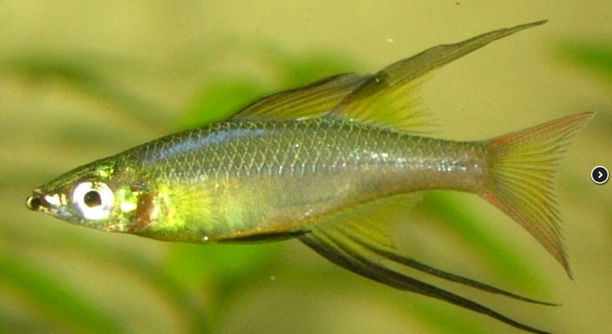
Do you ever notice your threadfins swimming around their tank without touching the food you provide? Many hobbyists encounter this behavior, leaving them puzzled about their fish’s eating habits and overall health in captivity.
Threadfins might refuse live food due to stress, illness, improper water conditions, dietary preferences, recent acclimation, overfeeding, or the live food not meeting their size or movement needs. Recognizing these factors is essential for maintaining their well-being.
Understanding these causes will help you manage feeding routines more effectively and ensure your threadfins remain healthy and active in their environment.
Stress in Threadfins
Stress is one of the main reasons threadfins might refuse to eat live food. Sudden changes in their environment, such as moving the tank or altering water temperature, can trigger this behavior. Even minor disturbances like loud noises or excessive handling can make them cautious. When threadfins are stressed, their bodies produce hormones that suppress appetite, leading them to ignore food. Tank overcrowding also increases competition, making shy fish hesitate to eat. Providing hiding spots and maintaining stable water conditions can reduce stress. Observing their behavior closely helps identify signs of stress early. Lighting that is too bright or frequent changes in the tank setup can also unsettle them. A calm, consistent environment allows threadfins to feel safe. Their natural instinct is to avoid potential threats, which sometimes includes avoiding unfamiliar food.
Stress impacts feeding behavior by reducing appetite and making threadfins avoid live food, emphasizing the need for stable environmental conditions and minimal disturbances.
Managing stress involves maintaining a consistent tank environment, controlling noise levels, and ensuring there is enough space and shelter. Adjusting lighting, avoiding sudden water changes, and keeping the tank clean encourages feeding. Overcrowding should be prevented, and any new tank additions introduced gradually. Observing their interaction with the tank and each other can help identify stress triggers. Providing small amounts of live food initially can help rebuild confidence. Patience is key, as stressed fish need time to feel secure. Ensuring stable temperatures and proper water chemistry also supports appetite recovery. Creating a calm and safe environment allows threadfins to resume normal feeding patterns.
Illness or Health Issues
Illness can prevent threadfins from eating live food. Infections, parasites, or internal problems often reduce appetite.
Sick threadfins may show signs such as lethargy, clamped fins, or abnormal swimming, which can indicate underlying health problems affecting their willingness to feed.
If illness is suspected, it is important to isolate affected fish immediately to prevent the spread of disease. Examine water quality, as poor conditions can weaken their immune systems and make them more vulnerable. Observing physical symptoms like discoloration, bloating, or unusual spots provides clues to specific illnesses. Feeding smaller or softer food may help encourage consumption, but prompt treatment is crucial. Medications designed for aquarium fish may be necessary, and following dosage instructions carefully ensures safety. Consulting with a veterinarian or experienced aquarist can help identify the issue. Regular monitoring of feeding habits can detect early signs of illness before it becomes severe. Keeping the tank clean and maintaining stable water parameters supports recovery and prevents future health problems.
Improper Water Conditions
Poor water quality can make threadfins refuse live food. High ammonia, nitrite, or nitrate levels, as well as incorrect pH or temperature, affect their appetite and overall health.
Maintaining clean water is essential for threadfins to eat properly. Sudden changes in temperature or pH can shock their system, making them hesitant to feed. Regular water testing and partial water changes help keep conditions stable. Using a reliable filtration system ensures waste is removed efficiently. Overfeeding can also deteriorate water quality, so monitoring feeding amounts is important. Even slight fluctuations in hardness or salinity may impact sensitive threadfins. Observing how they react after changes in water can help identify issues early. When water parameters are ideal, threadfins are more likely to eat confidently and consistently.
Threadfins are sensitive to environmental stability. Water that is too warm or too cold reduces their metabolism, making live food less appealing. Contaminants like chlorine or heavy metals can stress them further. Gradual adjustments in temperature or pH are necessary to avoid shocking their system. Providing aeration and movement in the water can also improve oxygen levels and encourage feeding. If live food is rejected, checking water quality should be the first step. Stabilizing their environment supports both appetite and long-term health. Monitoring parameters consistently ensures early detection of problems.
Dietary Preferences
Threadfins may refuse live food if they have specific dietary preferences or habits. Some fish favor certain types of live food over others.
Introducing a variety of live food options increases the chance they will feed. Rotating between small shrimp, worms, or insects can help identify what they prefer. Size and movement of the live food matter; some threadfins avoid food that is too large or moves too quickly. Observing which options are consistently eaten helps tailor their diet. Supplements or occasional frozen food can be added to balance nutrition while respecting their preferences. Paying attention to feeding behavior ensures they receive adequate nutrition without forcing unwanted food.
Adjusting to individual preferences may take time. Some threadfins are naturally picky, requiring repeated exposure to new live food. Gradual introduction and mixing familiar and new food often improves acceptance. Ensuring the food is fresh and active increases its appeal. Watching their response closely helps prevent waste and frustration. Balancing their diet with a mix of live and supplemented options maintains health. Patience and observation are key to satisfying their dietary needs. Identifying patterns in their feeding habits allows for long-term planning and prevents nutritional deficiencies.
Recent Acclimation
Threadfins may refuse live food after being introduced to a new tank. Stress from relocation or sudden environmental changes can temporarily suppress their appetite.
During acclimation, it’s normal for them to be hesitant. Gradually adjusting them to new water conditions and maintaining a calm environment encourages feeding over time.
Overfeeding
Overfeeding can make threadfins ignore live food. If they have recently received excessive pellets or flakes, their appetite for live food decreases.
Reducing portion sizes and spacing out feeding times helps restore their interest in live food. Observing their eating patterns ensures they don’t go hungry while recovering appetite.
Size or Movement of Live Food
Threadfins may reject live food that is too large or moves too erratically. Small, appropriately sized food is easier for them to catch.
FAQ
Why do threadfins sometimes ignore live food even when they seem healthy?
Threadfins may appear healthy but still refuse live food due to subtle stress, minor changes in water conditions, or individual dietary preferences. Even small fluctuations in temperature, pH, or lighting can make them cautious. Observing their behavior and tank environment helps identify underlying causes.
Can overfeeding affect a threadfin’s willingness to eat live food?
Yes. If threadfins are fed too much pellet or flake food, their appetite for live food can decrease. Reducing portion sizes and spacing feedings encourages them to return to live food gradually. Monitoring their eating habits prevents both hunger and overfeeding issues.
Does the type of live food matter?
Absolutely. Threadfins may prefer certain types of live food, such as small shrimp, worms, or insects. The size, movement, and freshness of the food play a role. Offering a variety and observing their reactions helps determine which foods are most acceptable.
How long can threadfins go without eating live food?
Threadfins can survive short periods without live food, especially if they are receiving alternative nutrition like pellets or flakes. However, prolonged refusal may lead to malnutrition or weakened immunity. Regular observation and intervention are necessary if they stop eating for more than a couple of days.
Can poor water quality cause refusal of live food?
Yes. High ammonia, nitrite, nitrate, or improper pH levels can stress threadfins, reducing their appetite. Stable water parameters, proper filtration, and regular partial water changes improve overall health and make live food more appealing.
What signs indicate that a refusal is due to illness rather than picky eating?
Illness may present as lethargy, clamped fins, unusual swimming, discoloration, bloating, or visible spots. If these symptoms appear alongside a refusal to eat, it is important to isolate the affected fish and address the underlying health issue promptly.
Can newly introduced threadfins refuse live food?
Yes. Recent acclimation to a new tank often causes temporary feeding refusal. Gradual adjustments, calm surroundings, and patient observation help them settle and resume normal feeding behavior over time.
Does lighting or tank setup influence feeding?
Lighting that is too bright or frequent changes in tank decoration can make threadfins hesitant. Providing shaded areas, hiding spots, and a consistent environment encourages comfort and improves willingness to eat live food.
Are there ways to make live food more attractive?
Yes. Ensuring the food is active and appropriately sized increases appeal. Mixing familiar and new food or lightly rinsing and presenting it gently can help. Observing which items are consistently eaten allows for better feeding planning.
Is it normal for threadfins to have periods of selective feeding?
Yes. Some threadfins naturally prefer certain foods and may refuse others temporarily. Tracking their preferences, rotating food types, and maintaining overall nutrition ensures they stay healthy while accommodating selective eating habits.
How can I encourage a picky threadfin to eat live food again?
Start by offering smaller portions, rotating different types of live food, and ensuring the environment is calm and stable. Gradual exposure and patience often help, as they regain confidence and interest in food they previously ignored.
What should I avoid when trying to get threadfins to eat live food?
Avoid sudden changes in water, aggressive feeding methods, or overhandling. Forcing food can stress them further. Keeping conditions stable, offering appropriately sized and active live food, and observing their reactions is the safest approach.
Can supplements help if threadfins refuse live food?
Yes. Supplements or fortified flakes can maintain nutrition temporarily, but they do not replace live food entirely. Using them alongside gradual reintroduction of live food supports health and encourages appetite recovery.
How long does it take for a threadfin to return to eating live food after refusal?
Recovery varies depending on cause. Some fish resume within a day or two once stressors are removed, while others may take a week or more. Monitoring water quality, environment, and diet ensures a smoother return to normal feeding habits.
Are some threadfins naturally more selective than others?
Yes. Individual temperament affects feeding behavior. Some may consistently favor specific live foods, while others are more adaptable. Recognizing their preferences and accommodating them helps maintain consistent nutrition and reduces feeding stress.
Can live food that is too large or fast-moving be a problem?
Yes. Threadfins often refuse prey that is difficult to catch or too big. Providing appropriately sized, slower-moving live food encourages successful feeding and reduces stress during meals.
Does tankmate behavior affect feeding?
Yes. Aggressive or dominant tankmates can intimidate threadfins, causing them to avoid live food. Providing hiding spaces and monitoring social interactions helps ensure all fish can feed safely without fear or competition.
Are there preventive steps to minimize refusal of live food?
Maintaining stable water conditions, introducing live food gradually, observing individual preferences, and avoiding overfeeding are effective preventive measures. Regular monitoring of health, environment, and diet supports consistent feeding behavior and long-term well-being.
How often should I monitor feeding behavior?
Daily observation is ideal. Watching how each threadfin responds to live food helps detect early signs of stress, illness, or preference changes. Quick intervention prevents long-term issues and ensures fish receive adequate nutrition.
Can environmental enrichment improve feeding habits?
Yes. Providing plants, hiding spots, and gentle water flow can reduce stress and stimulate natural hunting instincts, making threadfins more likely to accept live food regularly.
What are the risks if live food refusal continues?
Prolonged refusal can lead to malnutrition, weakened immunity, and slower growth. Timely identification of the cause—whether stress, illness, or dietary preference—is essential to prevent health deterioration.
Final Thoughts
Feeding threadfins live food can sometimes be challenging, but understanding the reasons behind refusal makes the process easier. Threadfins are sensitive fish, and their feeding behavior often reflects their comfort, health, and environment. Stress, sudden changes in water conditions, and overcrowding can all make them hesitant to eat. Even minor fluctuations in temperature, pH, or lighting can affect their appetite. Observing their daily behavior provides clues about their needs. Creating a calm, stable environment with proper hiding spots and consistent water parameters encourages feeding and helps the fish feel secure. Over time, these steps can reduce the frequency of live food refusal, making mealtimes less stressful for both the fish and the caretaker.
Another important factor to consider is diet variety and individual preference. Some threadfins are naturally selective and may reject certain types of live food, while others may refuse food that is too large or moves too quickly. Introducing a range of options, such as small shrimp, worms, or insects, allows them to choose what they prefer. Gradually mixing new food with familiar items can increase acceptance. Supplements or high-quality flakes can temporarily support nutrition if live food is refused, but they should not completely replace it. Paying attention to feeding patterns and preferences helps ensure that threadfins receive adequate nutrition. Observing their reactions also allows for adjustments in portion size, feeding frequency, and food type, which ultimately supports their long-term health and reduces stress during feeding times.
Finally, patience and consistent care are key when managing live food refusal. Threadfins may need time to adjust after being introduced to a new tank, recovering from illness, or coping with minor stressors. Quick fixes rarely solve the underlying cause, so gradual improvements in water quality, environment, and feeding practices are essential. Daily observation helps detect early signs of stress, illness, or discomfort, which can then be addressed before problems worsen. Offering appropriately sized and active live food, monitoring social interactions, and maintaining a stable tank environment all contribute to better feeding behavior. With careful attention and ongoing care, most threadfins will eventually resume normal eating patterns, ensuring they remain healthy, active, and thriving in their aquarium. Consistency, patience, and awareness of their needs create a positive feeding experience for both the fish and the caretaker.

Hello,
If you enjoy the content that we create, please consider saying a "Thank You!" by leaving a tip.
Every little bit helps us continue crafting quality advice that supports the health, happiness, and well-being of pets around the world, for pets of all shapes, sizes, and species.
We really appreciate the kindness and support that you show us!