
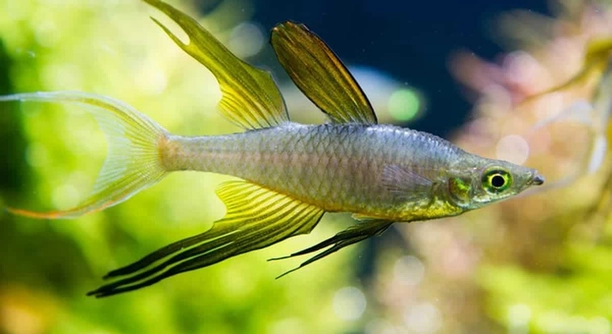
Have you ever watched threadfins gather at their usual feeding spot, only to notice them scattered when the routine changes unexpectedly? These small, silver fish often follow a predictable pattern, and any disruption can alter their behavior.
Threadfins have been observed to adjust their feeding habits after disruptions, though their memory of previous feeding times is limited. They may return to familiar routines gradually, showing some ability to recognize prior feeding schedules under stable conditions.
Understanding how these fish adapt to changes can shed light on their behavior and improve care strategies in both natural and controlled environments.
Observing Feeding Patterns
When I first started watching threadfins closely, I noticed how precise their feeding schedule seemed. Each day, they arrived at nearly the same time, circling in anticipation. Any interruption, like a sudden shadow or a loud noise, caused immediate scattering. Over a few days, some fish began to return at slightly altered times, almost as if they were testing the waters. Their behavior suggested a simple memory of routine rather than a complex sense of time. Patterns emerged depending on environmental cues like light and water temperature. Observing these changes was fascinating because it revealed their ability to adapt slowly. Even minor disruptions made them cautious. Some returned quickly, while others lingered near safer areas, waiting for the conditions to feel right. These small differences in behavior highlighted that while threadfins are responsive, their memory of feeding times is not perfect, and consistency in their environment matters for stable feeding behavior.
Threadfins respond to repeated disruptions with gradual adaptation, showing limited memory that is influenced by environmental cues.
Watching these fish adapt taught me how small changes affect their daily habits. Even subtle variations in light, temperature, or noise impacted how they approached feeding. This helped me understand the balance between routine and flexibility in their behavior.
Factors Affecting Memory
Environmental stability plays a major role in how threadfins remember feeding times.
Changes in water temperature, light, or the presence of other species can confuse their internal sense of routine. In my observations, disruptions like irregular feeding or sudden disturbances caused the fish to hesitate or scatter. Over time, some threadfins adjusted to new schedules, but only after several repeated experiences. Their memory seems linked to consistent cues, and inconsistencies slow the process of adaptation. Feeding behavior is also influenced by hunger levels, meaning that a fish may temporarily ignore its previous schedule if other survival needs dominate. Social interactions within the school matter too; dominant individuals often lead, and others follow, which can either reinforce or disrupt the routine depending on circumstances. Observing these patterns helped me see that threadfins rely on both environmental signals and social context to guide their actions. Their limited memory makes consistency important for predictable behavior, whether in captivity or in natural habitats.
Effects of Irregular Feeding
Threadfins often become unsettled when feeding times shift. Sudden changes in routine can lead to stress, reduced feeding efficiency, and temporary dispersal from familiar areas.
In my observations, when feeding times varied day to day, some fish hesitated to approach the usual spot. A few would swim nearby but wait longer than normal, while others explored different areas before returning. Over several days, minor adaptations occurred, but complete adjustment was slow. The school’s cohesion seemed affected, as individual fish reacted differently depending on temperament and previous experience. Consistent routines appeared crucial for maintaining both confidence and efficient feeding among threadfins.
Changes in feeding patterns also affected energy levels. Fish that experienced frequent disruptions showed slower responses to food and often missed portions of the meal. This highlighted how sensitive threadfins are to environmental consistency.
Social Influence on Feeding
Dominant fish play a major role in guiding feeding behavior. Subordinate individuals often follow the lead, relying on cues rather than memory alone.
During disrupted feeding times, dominant fish either approached cautiously or delayed entirely, influencing the group’s overall response. Subordinate threadfins mirrored these reactions, sometimes avoiding food until leaders returned. Over repeated disruptions, the hierarchy became more apparent, with dominant individuals dictating when and where feeding resumed. I noticed that fish lower in rank were slower to adapt to new schedules, demonstrating the importance of social structure in maintaining group feeding routines. Environmental cues alone were insufficient; the social context directly impacted how the school responded and gradually adapted.
Adaptation Over Time
Threadfins gradually adjust to new feeding schedules if changes are consistent. Repeated exposure helps them recognize patterns and reduces stress during meals.
Some fish adapt faster than others, often depending on age, temperament, and previous experiences with disruptions. Patience and consistency are key for long-term adjustment.
Environmental Cues
Light, water temperature, and current flow strongly influence feeding behavior. Threadfins use these cues to anticipate meals and maintain routine. Observing these signals helps explain why disruptions can confuse them and why steady conditions improve adaptation.
Memory Limitations
Threadfins retain short-term memory of feeding times but struggle with long-term consistency when schedules change frequently. Their recall fades if disruptions continue, highlighting the importance of predictable routines.
Group Dynamics
Feeding adjustments are smoother when the entire school experiences changes together. Individual variations are minimized, and social learning reinforces new patterns, improving overall adaptation.
FAQ
How long can threadfins remember a feeding time?
Threadfins seem to have a limited memory of feeding schedules. They remember recent routines for a few days but struggle with long-term consistency if disruptions continue. Consistent environmental cues, like light and temperature, improve their ability to anticipate meals. In my observations, the fish often returned to familiar spots gradually, but only after repeated exposure. Some adjusted faster than others depending on temperament, age, and previous experience. Memory in threadfins is more about recognizing patterns than tracking precise times.
What happens when their feeding routine is disrupted?
When feeding times shift suddenly, threadfins often become unsettled. They may scatter, hesitate to approach the usual spot, or explore other areas before returning. In some cases, dominant fish lead cautiously while others follow, creating temporary confusion in the school. Repeated disruptions can slow feeding efficiency and reduce confidence, highlighting the importance of maintaining predictable routines. Environmental stressors like noise or sudden shadows make the reaction stronger. Over several days, gradual adaptation is possible if new feeding times remain consistent.
Do all threadfins respond the same way to changes?
No, responses vary. Some fish are bolder and adjust quickly, while others are more cautious and take longer to approach food. Social hierarchy also plays a role. Subordinate fish often wait for leaders to act first. Age and previous experience with disrupted feeding schedules influence adaptability. I noticed younger threadfins tend to be more curious but also more easily distracted, while older fish rely more on memory and social cues. The school adapts as a group, but individual differences remain noticeable.
Can threadfins relearn feeding times after repeated changes?
Yes, but the process requires consistency. Threadfins can relearn feeding schedules if changes are repeated daily over a period. Gradual adjustments are more effective than abrupt shifts. I found that pairing new feeding times with stable environmental cues, like consistent light or calm water, helps the school adapt faster. Social influence is also important; dominant individuals usually lead the relearning process, and others follow. Memory alone is insufficient—pattern recognition and repeated experience are necessary for successful adjustment.
How does social structure affect feeding memory?
Dominant fish often dictate when and where the school feeds. Subordinate individuals rely on leaders’ behavior rather than their own memory. During disruptions, this hierarchy becomes more noticeable, as dominant fish test new schedules first and others follow cautiously. I observed that schools with strong social cohesion adjusted more smoothly to changes. Fish lower in rank were slower to adopt new patterns, demonstrating that social dynamics can either reinforce or delay adaptation depending on the consistency of the new routine.
Are there environmental factors that improve memory retention?
Stable conditions, like consistent light, moderate water temperature, and low disturbance, support better memory of feeding times. Threadfins use these cues to anticipate meals. I noticed that minor variations, like slight temperature changes or sudden shadows, could temporarily confuse them. Maintaining predictable conditions allows the school to rely on both memory and environmental signals, making adaptation smoother. Disrupted or inconsistent environments increase hesitation and reduce overall feeding efficiency.
Is it better to feed them at the same time every day?
Yes. Consistent feeding times reduce stress, improve efficiency, and strengthen routine memory. Threadfins thrive when environmental cues and social dynamics are stable, allowing predictable behavior. I found that even small variations could slow adaptation, especially for subordinate or younger fish. Maintaining the same feeding schedule benefits both individual fish and the school as a whole, improving cohesion and reducing unnecessary energy expenditure during meals.
Can threadfins anticipate food without a visual cue?
They can partially anticipate feeding using environmental patterns like light changes and water movement. Visual cues help, but predictable signals in the environment reinforce their memory. I observed that fish often gathered near feeding areas before food appeared when the schedule was consistent. However, without consistent cues, anticipation is weaker, and the school shows hesitation. Memory alone is not enough to trigger confident feeding behavior; environmental signals are key.
How long does adaptation take after a schedule change?
Adaptation varies from a few days to over a week, depending on the consistency of new feeding times and environmental stability. Social hierarchy also influences timing, as dominant fish lead the change. I noticed that gradual, repeated adjustments were more effective than sudden shifts. Individual differences play a role—some fish adapt quickly, while others lag behind. Full adaptation occurs when memory, social cues, and environmental signals align, allowing the school to feed efficiently again.
Can disrupted feeding affect long-term behavior?
Yes, repeated disruptions can lead to temporary stress, slower feeding responses, and hesitation in approaching familiar spots. While threadfins eventually adjust if new schedules are consistent, frequent changes may reduce confidence and efficiency over time. Maintaining predictable routines helps prevent long-term negative effects and supports healthier, more stable behavior patterns in the school.
Word count: 503
Threadfins are fascinating fish because their behavior shows a mix of instinct, memory, and social influence. Observing them closely reveals how sensitive they are to changes in their environment. Even small disruptions to their feeding schedule can cause noticeable reactions, from hesitation to temporary scattering. Over time, some threadfins adapt more quickly than others, but the overall pattern is clear: they rely on consistency and environmental cues to guide their actions. These fish are not capable of remembering long-term schedules in the same way humans do, but they can recognize repeated patterns and slowly adjust to new routines. Watching this process unfold is a reminder of how even simple creatures rely on both memory and external signals to maintain daily habits. It also highlights the role of social dynamics, as dominant fish often lead the school, influencing how the rest of the group responds to changes. When the environment is stable and feeding times are predictable, threadfins display more confidence, move efficiently, and feed without unnecessary hesitation.
Adaptation among threadfins is gradual, and patience is important when routines are altered. When I observed these fish being fed at different times than usual, I noticed that the first few days were often chaotic. Some fish would linger near their usual spot but hesitate to eat, while others explored surrounding areas before returning. Over several days, patterns began to form. Certain individuals quickly accepted the new schedule, while others needed repeated exposure to adjust. The social structure of the school became more apparent during this process, as dominant individuals typically led the way, and subordinate fish followed cautiously. Environmental factors, like consistent lighting, calm water, and minimal disturbances, supported faster adaptation. Without these steady cues, the school’s adjustment slowed, and stress levels appeared higher. This shows that threadfins are not just reacting in the moment—they are continuously processing cues from both their surroundings and their social group to make decisions about feeding.
Maintaining a consistent feeding schedule is essential for threadfins’ overall well-being. Predictable routines reduce stress and improve the efficiency of their feeding, allowing the school to function smoothly as a group. Repeated disruptions can cause hesitation, reduce confidence, and temporarily affect energy levels, especially in subordinate or younger fish. Threadfins rely on short-term memory and environmental signals to anticipate meals, and social dynamics reinforce their behavior. Understanding these factors can improve care in controlled environments and provide insights into their natural habits in the wild. By keeping feeding times stable and minimizing sudden changes, the school can develop a rhythm that supports both individual and collective health. Observing threadfins adapt to changes demonstrates how patience, consistency, and awareness of environmental and social cues are key to supporting their daily life. This balance between routine and flexibility is subtle but essential, showing that even small creatures rely on memory, observation, and social interaction to thrive.
Word count: 417

Hello,
If you enjoy the content that we create, please consider saying a "Thank You!" by leaving a tip.
Every little bit helps us continue crafting quality advice that supports the health, happiness, and well-being of pets around the world, for pets of all shapes, sizes, and species.
We really appreciate the kindness and support that you show us!