
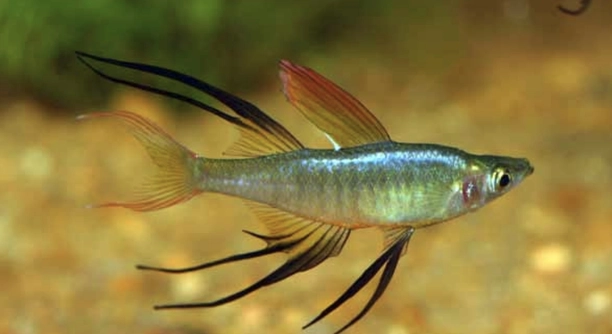
Do you ever notice fish moving in ways that seem almost choreographed, as if they are performing a delicate dance beneath the water’s surface? Threadfin fish, in particular, display movements that appear rhythmic and graceful, captivating any observer.
The seven strange movements resembling threadfin dancing include undulating fin motions, rapid body wiggles, synchronized schooling patterns, hovering near the surface, spiral descents, sudden directional changes, and coordinated tail flicks. Each behavior demonstrates unique adaptive strategies for communication, hunting, and navigation within their environment.
Recognizing these unusual movements allows a deeper appreciation for aquatic life and the subtle ways fish interact with their surroundings. Observing these behaviors opens new perspectives on underwater dynamics.
Undulating Fin Motions
Watching threadfin fish, their fins move in smooth, wave-like patterns that seem almost hypnotic. These undulations help them maintain balance and adjust position in water currents. Unlike simple swimming, the movement appears purposeful, conveying subtle signals to nearby fish. In certain situations, these motions can attract mates or signal warnings. The rhythmic flow of fins also improves efficiency in swimming, reducing energy use while gliding. Researchers note that these motions vary depending on water temperature, current speed, and the presence of other fish. It’s fascinating how small, repeated movements can create such an elegant display. Observing these patterns provides insight into survival strategies and social behavior. Even in crowded waters, individual fish manage to perform these motions without colliding with others. The consistency of these undulations highlights how evolution has fine-tuned fish mechanics for both safety and communication. Studying them can reveal broader patterns in aquatic ecosystems.
This type of movement demonstrates the fine control fish have over their bodies, blending function with aesthetic appeal.
Undulating fin motions often serve multiple purposes. They allow fish to navigate efficiently while signaling to their group. The subtlety of the movement also helps avoid predators by creating unpredictable patterns. Over time, these motions have become highly refined, showing both adaptive significance and social importance in fish behavior. Scientists track these patterns to understand energy conservation, coordination, and group dynamics. Observing these fish up close gives a clearer view of how movement in water can be both practical and communicative.
Rapid Body Wiggles
Rapid body wiggles appear as quick side-to-side movements, giving fish a lively and sometimes startling effect.
These wiggles help fish evade predators while simultaneously communicating stress or excitement to nearby fish. In schooling behavior, synchronized wiggles can indicate sudden changes in direction, enhancing group coordination. Individual fish use these movements to adjust their speed quickly or to jostle competitors gently for space. The intensity of the wiggle often reflects the fish’s emotional state or response to environmental changes. When feeding, these movements can increase efficiency by creating turbulence that stirs up prey. They are also observed in mating displays, adding a dynamic element to visual signals.
Tracking rapid body wiggles offers insights into energy use, predator-prey interactions, and social signaling. Such patterns are not random but result from complex neural and muscular coordination. These movements help fish stay alert and responsive in changing environments, enhancing survival and interaction. Understanding them adds depth to observing fish behavior in natural habitats.
Synchronized Schooling Patterns
Synchronized schooling patterns occur when multiple fish move in perfect unison. Each fish matches the speed and direction of its neighbors, creating a coordinated flow that reduces risk from predators and improves efficiency in movement.
Schooling helps fish conserve energy while navigating currents. By swimming closely together, they reduce drag and increase maneuverability. This coordination also allows them to respond quickly to threats. Visual and lateral line cues guide each fish’s movements, ensuring that the group acts as a single unit. In addition, synchronized patterns play a role in foraging, enabling the group to corral prey efficiently. Scientists observe these formations to understand collective behavior and communication among fish, highlighting the balance between individual action and group coordination.
Studying synchronized schooling patterns reveals how fish manage safety, feeding, and movement simultaneously. The seamless coordination demonstrates complex social interactions and evolutionary advantages. Fish that master this balance can thrive in varied aquatic environments, showing that even simple creatures have sophisticated survival strategies.
Hovering Near the Surface
Hovering near the surface allows fish to access oxygen-rich water while monitoring surroundings.
Fish maintain position using gentle fin movements and minimal body adjustments. This behavior provides a stable vantage point for spotting predators, potential mates, or food sources. It also conserves energy compared to constant swimming. Environmental factors, such as light, temperature, and current, influence how long and frequently fish hover. Some species use this technique during feeding, picking insects or plankton from the water’s surface. Hovering can also serve as a social signal, indicating territory or readiness to interact with other fish. Researchers note that prolonged hovering correlates with higher alertness and responsiveness in aquatic ecosystems.
Understanding hovering behavior highlights the delicate balance fish maintain between energy efficiency, survival, and social interaction. It demonstrates how subtle movements can carry significant functional and communicative purposes within the aquatic environment. Studying these behaviors helps clarify how fish interact with their habitat and with each other, providing insight into broader ecological dynamics.
Spiral Descents
Spiral descents are a controlled downward movement in a twisting pattern. Fish use this technique to navigate deeper waters while conserving energy and maintaining orientation in the current.
This motion also helps fish evade predators by creating unpredictable trajectories. The spiral allows precise control over speed and direction while keeping fins and tail movements efficient.
Sudden Directional Changes
Sudden directional changes occur when fish abruptly alter their path. These movements improve their ability to avoid predators, catch prey, or respond to environmental disturbances. The shift is powered by rapid fin and tail adjustments, requiring precise muscular coordination.
Coordinated Tail Flicks
Coordinated tail flicks enable fish to generate bursts of speed or make subtle adjustments in position.
These movements are essential for navigation, hunting, and group synchronization. By flicking the tail in precise patterns, fish maintain balance, signal to others, and maneuver efficiently in complex aquatic environments.
FAQ
What causes fish to display threadfin-like movements?
Fish movements that resemble threadfin dancing are influenced by a combination of environmental cues, social interactions, and survival strategies. Factors such as water currents, predator presence, food availability, and social signaling all contribute to the complex and varied motions observed in fish. These movements are not random but rather evolved behaviors that enhance the fish’s ability to survive and communicate. For instance, fin undulations, rapid wiggles, and tail flicks all have functional purposes, including energy-efficient swimming, foraging, and warning others of nearby threats.
Are these movements unique to threadfin fish?
No, while threadfin fish are known for particularly elegant and visible motions, many other species exhibit similar behaviors. Undulating fins, synchronized schooling, and hovering near the surface are observed across different freshwater and marine fish. The specific pattern, speed, and coordination may vary by species, environment, and purpose, but the underlying principles of movement for communication, navigation, and predator avoidance remain consistent. Researchers often study threadfin fish because their behaviors are more easily observable and distinct.
Do fish perform these movements intentionally?
Yes, many movements are intentional responses to environmental stimuli. Fish use fin and body motions to maintain stability, communicate with others, and interact with their surroundings. Even movements that appear random, such as rapid wiggles or spiral descents, often serve a functional purpose, like confusing predators or aiding in precise navigation. Over time, these behaviors have evolved to become both adaptive and efficient, ensuring survival in varied aquatic habitats. Intentionality in movement can also be observed during social interactions or schooling behavior, where precise coordination is required.
How do these movements benefit fish in their natural habitat?
These behaviors offer multiple survival advantages. Synchronized schooling reduces individual risk by confusing predators, while undulating fins conserve energy during swimming. Rapid body wiggles and sudden directional changes help evade threats, and coordinated tail flicks improve maneuverability. Hovering near the surface allows fish to access oxygen-rich water and monitor for food or predators. Each movement also plays a role in social signaling, such as displaying readiness to mate, establishing territory, or coordinating with group members. Collectively, these behaviors optimize safety, energy efficiency, and reproductive success.
Can these movements indicate stress or health issues?
Yes, changes in movement patterns can signal stress, illness, or environmental problems. Fish that swim erratically, hover excessively, or fail to perform typical schooling behaviors may be reacting to poor water quality, disease, or injury. Observing unusual changes in motion helps identify potential issues before they become severe. Regular monitoring of these behaviors provides insight into fish welfare and the suitability of their habitat. Subtle shifts in movement, like slower tail flicks or less coordinated wiggles, can be early indicators that adjustments are needed in care or environmental conditions.
Are these movements useful for scientific research?
Absolutely. Studying these movements provides insight into fish physiology, social behavior, and environmental adaptation. Scientists can track energy use, predator-prey interactions, and communication patterns. Movements like synchronized schooling reveal collective decision-making, while fin and tail mechanics inform understanding of swimming efficiency. Researchers also use these behaviors to study responses to environmental stressors, such as temperature changes, pollution, or habitat alterations. Detailed observation of threadfin-like movements allows scientists to understand not only the biology of individual species but also broader ecological interactions and evolutionary strategies.
How can I observe these movements at home or in aquariums?
Providing a naturalistic environment with adequate space, proper water flow, and compatible tankmates encourages fish to display natural behaviors. Observing during feeding times or in lightly illuminated conditions often reveals a wider range of movements. Patience is key, as fish may take time to acclimate to the environment. Recording videos or noting repetitive patterns can help track behaviors like fin undulations, tail flicks, and schooling formations. Avoiding overcrowding, maintaining water quality, and offering enrichment such as plants or hiding spots enhances the likelihood that fish perform these natural and engaging movements.
Do all fish species exhibit threadfin-like behaviors to some extent?
While not every species shows the same level of elegance or coordination, most fish have evolved specific movement patterns suited to their survival needs. Common behaviors, such as fin undulations, rapid wiggles, and tail flicks, are widespread, though the intensity and purpose vary. Even solitary fish may display elements of these behaviors, though coordinated schooling or synchronized patterns are typically seen in group-living species. Recognizing the variations across species helps in understanding ecological adaptations and the diversity of aquatic movement strategies.
Can environmental changes impact these movements?
Yes, shifts in temperature, water flow, oxygen levels, or habitat structure can significantly influence fish behavior. Fish may adjust swimming patterns, reduce movement, or perform unusual maneuvers in response to stressors. Long-term changes in habitat can even lead to modifications in movement strategies across generations. Observing how fish adapt to these conditions provides insight into their resilience and the importance of maintaining stable environments for healthy behavior.
Why are these movements considered mesmerizing to watch?
The fluidity, precision, and coordination of these movements create visually captivating displays. Whether it’s a school of fish shifting in unison or a single fish performing rapid wiggles, the combination of elegance and function draws attention. These behaviors showcase the balance between survival needs and natural grace, offering both scientific insight and aesthetic enjoyment. Watching these movements provides a rare glimpse into the subtle and intricate ways aquatic life navigates, communicates, and interacts within its environment.
Final Thoughts
Observing the strange movements that resemble threadfin dancing reveals just how intricate fish behavior can be. Each motion, from undulating fins to coordinated tail flicks, serves a clear purpose, whether for navigation, communication, or survival. These movements are not random or purely decorative; they are adaptations that allow fish to thrive in their aquatic environments. Studying them provides insight into the way fish interact with their surroundings and with each other. Even small changes in movement patterns can indicate shifts in health, environmental conditions, or social dynamics, making them valuable markers for both scientists and hobbyists. By understanding these behaviors, we gain a better sense of how fish manage energy, avoid threats, and maintain group cohesion, highlighting the sophistication of even seemingly simple creatures.
The different types of movements discussed, including rapid body wiggles, hovering near the surface, spiral descents, and synchronized schooling, each have a unique role. Some allow fish to conserve energy, while others are essential for foraging or communication. For example, spiral descents can help fish move efficiently in deeper waters, and synchronized schooling reduces individual risk while improving coordination. Rapid directional changes and tail flicks help fish respond quickly to threats or opportunities, demonstrating agility and precision. Recognizing the function of these movements helps explain why fish often appear to “dance” with such fluidity. It also highlights the importance of environmental factors, like water currents, oxygen levels, and the presence of other fish, in shaping behavior. Observing these patterns allows for a deeper understanding of how fish navigate challenges and maintain balance in their habitat.
Being aware of these movements enhances both observation and care of fish, whether in aquariums or natural settings. Maintaining a suitable environment that allows natural behaviors, such as adequate space, water quality, and compatible companions, encourages fish to display these motions fully. Watching these behaviors unfold can be engaging and educational, offering a unique perspective on life beneath the surface. Understanding the purpose behind these movements also helps identify stress, illness, or changes in the environment. Over time, careful observation and attention to these patterns contribute to better appreciation and management of aquatic life. In short, the study of threadfin-like movements is not only fascinating but also practical, bridging enjoyment and knowledge while deepening our connection with the subtle rhythms of underwater life.

Hello,
If you enjoy the content that we create, please consider saying a "Thank You!" by leaving a tip.
Every little bit helps us continue crafting quality advice that supports the health, happiness, and well-being of pets around the world, for pets of all shapes, sizes, and species.
We really appreciate the kindness and support that you show us!