
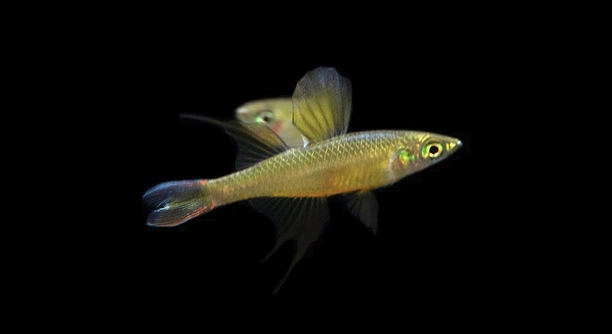
Are your Threadfin Rainbowfish swimming awkwardly in your tank, tilting to the side instead of gliding smoothly through the water? Many fish owners notice this unsettling behavior and wonder what could be causing it.
Threadfin Rainbowfish swimming sideways is commonly caused by issues affecting their swim bladder, infections, water quality, or dietary imbalances. Each factor disrupts normal buoyancy and orientation, resulting in a noticeable tilt while swimming that requires careful observation and intervention.
Understanding the reasons behind this behavior will help you address potential health issues and improve the overall well-being of your fish in the aquarium.
Swim Bladder Disorder
Swim bladder disorder is a frequent reason Threadfin Rainbowfish begin swimming sideways. The swim bladder is an internal organ that helps fish control their buoyancy. When it malfunctions, fish may float awkwardly or tilt to one side, making normal swimming difficult. Causes of swim bladder issues include overfeeding, constipation, or sudden changes in water temperature. In some cases, bacterial infections can affect the swim bladder, creating internal inflammation and disrupting balance. Observing your fish carefully is essential. If one fish shows abnormal swimming while others remain normal, the issue is likely internal. Adjusting diet to include more fiber-rich foods, ensuring consistent water conditions, and avoiding overfeeding can help prevent swim bladder problems. In severe cases, veterinary treatment may be necessary to restore proper function and reduce stress. Maintaining optimal tank conditions is key to avoiding swim bladder problems and keeping your Rainbowfish swimming gracefully.
Proper diet and controlled feeding significantly reduce swim bladder issues and help maintain your fish’s natural buoyancy and posture.
Addressing swim bladder disorder involves both preventative and reactive steps. Providing a balanced diet with occasional vegetables like blanched spinach or peas can improve digestive health, which directly impacts swim bladder function. Monitoring water parameters such as temperature, pH, and ammonia levels ensures that the tank environment does not stress the fish. Infected swim bladders may require antibiotics or specialized treatment, so early detection is important. Isolating affected fish can prevent the spread of bacterial infections. Consistency in feeding schedules and avoiding sudden environmental changes contribute to long-term health. By combining careful observation, dietary management, and proper tank maintenance, swim bladder issues can be minimized, allowing Rainbowfish to swim normally and maintain a healthy, balanced life.
Water Quality Issues
Poor water quality can make Threadfin Rainbowfish lose balance and swim sideways. High ammonia, nitrite, or nitrate levels stress fish and affect buoyancy.
Maintaining clean water requires regular changes, filter maintenance, and monitoring chemical levels. Fish exposed to polluted water are prone to infections and organ issues.
Ensuring proper water parameters is essential for long-term health. Consistent testing and partial water changes prevent accumulation of harmful substances. Temperature fluctuations should be minimized, and aeration should be sufficient to maintain oxygen levels. Overcrowding increases waste production, so tank population must be managed carefully. Introducing live plants can help absorb nitrates and provide hiding spaces. If problems persist, professional guidance may be needed to adjust pH, hardness, or filtration systems. Healthy water allows Rainbowfish to swim steadily and reduces stress-related behaviors. Keeping the environment stable promotes natural movement and supports immune function, preventing issues that lead to sideways swimming. Regular observation and timely adjustments make a significant difference in maintaining overall fish health and stability.
Bacterial and Parasitic Infections
Infections can disturb a Threadfin Rainbowfish’s balance, causing sideways swimming. Bacteria or parasites may affect internal organs, including the swim bladder, leading to disorientation. Prompt treatment is important to prevent further health decline.
Bacterial infections often result from poor water conditions or stress. Symptoms include lethargy, clamped fins, or unusual swimming patterns. Parasites may attach externally or internally, irritating tissues and impacting buoyancy. Isolating affected fish can prevent the spread of infections. Treatment typically involves medicated food or water treatments specifically designed for freshwater fish. Maintaining tank cleanliness and observing fish behavior closely helps in early detection and effective management of infections.
Preventive measures include proper quarantine for new fish, avoiding sudden water changes, and ensuring a balanced diet. Fish with strong immune systems resist infections better. Consistent monitoring and prompt action can restore normal swimming behavior. Avoid overcrowding and ensure proper filtration to reduce infection risks. Keeping stress levels low also supports immune function, helping Rainbowfish maintain stability in their swimming patterns and overall health.
Nutritional Deficiencies
A poor diet can lead to imbalance in Rainbowfish, causing sideways swimming. Lack of essential vitamins and minerals affects organ function and buoyancy.
Feeding a varied diet is crucial. Relying solely on flakes or pellets may not provide enough nutrients. Supplementing with live or frozen foods like brine shrimp, daphnia, or bloodworms provides protein and promotes digestive health. Vegetables like peas and spinach can aid in preventing constipation, which impacts the swim bladder. A consistent feeding schedule ensures proper digestion and nutrient absorption. Malnourished fish often exhibit sluggish movement and abnormal swimming patterns.
Vitamin deficiencies, particularly in vitamin C and vitamin D, can weaken tissues and bones, impairing balance. Over time, poor nutrition affects organ health and immune function, making fish more vulnerable to disease and stress. Ensuring a mix of proteins, greens, and fortified foods supports normal growth and swimming posture. Occasional fasting days can also improve digestion. Careful observation of feeding behavior and body condition helps detect deficiencies early. Proper nutrition fosters vibrant coloration, energy, and consistent swimming, reducing sideways movement caused by internal health issues.
Sudden Temperature Changes
Rapid changes in water temperature can stress Rainbowfish, causing them to swim sideways. Stress affects buoyancy control and overall health.
Maintaining stable water temperature is essential. Avoid placing the tank near windows or vents and use a reliable heater and thermometer to prevent sudden fluctuations.
Physical Injury
Physical injuries from rough handling, sharp decorations, or aggressive tank mates can impair swimming. Damage to fins or internal organs often results in tilting while swimming.
Stress from Overcrowding
Too many fish in a tank create competition for space and oxygen. Overcrowding increases stress, which can disrupt balance and lead to sideways swimming.
FAQ
Why is my Threadfin Rainbowfish swimming sideways all of a sudden?
Sudden sideways swimming usually indicates a swim bladder issue, stress, or a recent environmental change. Overfeeding, constipation, or rapid temperature fluctuations can quickly affect buoyancy. Observing water quality, diet, and fish behavior can help pinpoint the cause. Immediate action often prevents further complications.
Can water quality really affect my Rainbowfish’s swimming?
Yes. High levels of ammonia, nitrites, or nitrates stress fish and impair organ function, including the swim bladder. Poor water conditions make fish more vulnerable to infections. Regular testing, partial water changes, and proper filtration are essential to maintain stable water quality and normal swimming.
Is diet important for preventing sideways swimming?
Absolutely. A diet lacking fiber or essential nutrients can cause constipation, vitamin deficiencies, or weak muscles, all affecting buoyancy. Balanced feeding with high-quality flakes, live or frozen protein sources, and occasional vegetables ensures healthy digestion and supports stable swimming patterns.
How do I know if my fish has an infection?
Symptoms include lethargy, clamped fins, swollen abdomen, unusual swimming, or visible spots or parasites. Infections often worsen over time. Prompt isolation and treatment with antibiotics or anti-parasitic medications prevent spread and support recovery. Maintaining clean water reduces infection risk.
Can overcrowding cause my Rainbowfish to swim sideways?
Yes. Overcrowding increases stress, reduces oxygen levels, and creates competition for food. Stress can disrupt the swim bladder or other organs, resulting in tilting while swimming. Maintaining appropriate tank density is crucial for balanced behavior and healthy buoyancy.
Will temperature fluctuations harm my Rainbowfish?
Rapid changes in water temperature cause stress and affect organ function, including the swim bladder. Even a small shift of a few degrees can disrupt balance. Use a heater, thermometer, and stable room conditions to prevent sudden temperature changes.
What should I do if my Rainbowfish is injured?
Check for visible damage like torn fins or bruising. Isolate the injured fish to reduce stress and prevent further injury. Monitor feeding, water quality, and swimming behavior closely. Some injuries heal naturally, while others may need targeted treatment or veterinary care.
Can stress from tankmates cause sideways swimming?
Aggressive or territorial fish can stress Rainbowfish, leading to erratic or tilted swimming. Ensuring compatible tankmates and providing hiding spots reduces stress. Observing interactions helps identify problem fish and maintain a calm environment.
How long does it take for a Rainbowfish to recover from swim bladder issues?
Recovery varies depending on the cause. Dietary adjustments may take a few days to a week, while infections or severe stress could require longer treatment. Consistent care, clean water, and a balanced diet speed recovery and restore normal swimming.
Are there preventive measures to avoid sideways swimming?
Yes. Feed a balanced diet, maintain stable water quality and temperature, avoid overcrowding, and monitor for injuries or infections. Regular observation helps catch early signs of problems. Proper tank management supports healthy buoyancy and prevents most causes of sideways swimming.
Can supplements help my Rainbowfish?
Occasional vitamin supplements, particularly vitamin C and D, can strengthen immune function and support tissue health. They are most effective when the diet is otherwise balanced. Over-supplementation should be avoided to prevent toxicity.
What role does tank setup play in swimming behavior?
Sharp decorations, insufficient swimming space, or poor filtration can create stress or injuries. Smooth decorations, open areas, and efficient filtration reduce the risk of physical damage, improve water quality, and support normal swimming patterns.
How do I handle multiple causes at once?
Address water quality, diet, temperature, and tankmates simultaneously. Observe fish closely and isolate if needed. Multifactorial issues require careful monitoring and adjustments, but consistent care typically restores balance and swimming stability.
When should I seek professional help?
If abnormal swimming persists despite proper care, or if infections, severe injuries, or chronic stress are suspected, consult a veterinarian specializing in fish. Early intervention improves recovery chances and ensures long-term health.
Are sideways swimming Rainbowfish in danger of long-term effects?
If left untreated, prolonged swim bladder problems, infections, or chronic stress can impact organ function, growth, and overall health. Prompt care, stable conditions, and monitoring reduce the risk of lasting effects and support normal swimming behavior.
Final Thoughts
Threadfin Rainbowfish swimming sideways is a clear sign that something in their environment or health needs attention. The causes can vary from swim bladder disorders, infections, dietary issues, to stress caused by overcrowding or sudden changes in water conditions. Each factor affects their balance and buoyancy, making normal swimming difficult. Observing your fish carefully can help identify the specific cause. When you notice unusual swimming patterns, it is important to act quickly. Addressing the problem early prevents further complications and helps your Rainbowfish regain normal movement. Paying attention to their diet, water quality, tank setup, and interactions with other fish will support long-term health. Simple adjustments, like providing a balanced diet, keeping water parameters stable, and avoiding overcrowding, often resolve minor issues before they develop into serious health problems. Consistent observation and maintenance make a significant difference in their behavior and overall well-being.
Maintaining clean water is one of the most important steps in preventing sideways swimming. High levels of ammonia, nitrites, or nitrates stress fish and can trigger infections or organ problems. Regular partial water changes, monitoring chemical levels, and maintaining proper filtration are necessary for a stable environment. Sudden changes in temperature or pH should also be avoided, as Rainbowfish are sensitive to shifts in their environment. A properly set up tank with sufficient space and smooth decorations helps prevent injuries that may cause abnormal swimming. Overcrowding increases stress, reduces oxygen, and may lead to competition for food, further impacting swimming behavior. By ensuring the tank is clean, safe, and properly managed, you minimize the risk of stress-related health issues and support normal buoyancy for your fish. Regular observation combined with preventative care can significantly reduce the likelihood of your Rainbowfish swimming sideways.
Diet and nutrition also play a key role in their overall health. Feeding a variety of foods, including high-quality flakes, live or frozen proteins, and occasional vegetables, helps maintain strong muscles, proper digestion, and organ function. Nutritional deficiencies or constipation can affect the swim bladder and make swimming difficult. Vitamins like C and D support tissue health and immune function, reducing vulnerability to infections. Observing their eating habits and body condition ensures they receive the nutrients necessary for normal swimming. If infections or injuries occur, early detection and prompt treatment are essential to prevent long-term effects. By combining proper diet, stable water conditions, and a carefully managed environment, Threadfin Rainbowfish can maintain healthy swimming patterns and enjoy a stable, stress-free life in the aquarium. Consistency in care is key to their well-being and longevity.

Hello,
If you enjoy the content that we create, please consider saying a "Thank You!" by leaving a tip.
Every little bit helps us continue crafting quality advice that supports the health, happiness, and well-being of pets around the world, for pets of all shapes, sizes, and species.
We really appreciate the kindness and support that you show us!