
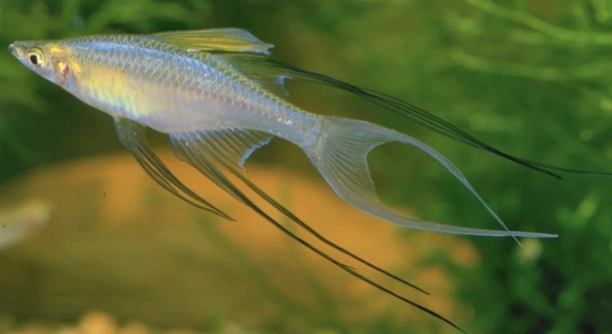
Threadfins are graceful fish often seen moving in unison along coastal waters. Many anglers and marine enthusiasts notice these fish returning to the same spots repeatedly. Their behavior can seem puzzling yet is rooted in natural patterns.
Threadfins often congregate in specific areas due to a combination of food availability, water temperature, and habitat structure. Consistent currents and shelter from predators create optimal conditions, encouraging repeated visits and forming predictable movement patterns within their environment.
Learning why threadfins favor certain locations can improve fishing strategies and enhance understanding of local ecosystems. Their habits reveal important details about coastal marine life and its delicate balance.
Understanding Threadfin Feeding Habits
Threadfins are highly focused on feeding, often returning to areas rich in small fish, shrimp, or plankton. Their movement patterns are influenced by tides and water clarity, which help them locate prey more efficiently. Observing the water during feeding times can reveal why certain spots are favored repeatedly. These fish are opportunistic but show remarkable consistency in their choices. Water temperature also plays a role; threadfins tend to prefer warmer currents, which bring abundant food sources. Areas with gentle currents allow them to conserve energy while foraging. By noticing which areas sustain the most food, you can better understand the distribution of threadfins along the coast. Their feeding patterns are linked to both survival and growth, making these behaviors predictable over time. Seasonal shifts may slightly alter locations, but many key feeding grounds remain consistent year after year, demonstrating the threadfins’ natural ability to identify and return to prime spots.
Threadfins primarily return to areas where food is plentiful. Consistency in prey availability drives their repeated visits.
Spotting these feeding areas can make observing or fishing for threadfins much more effective. By tracking tides and water clarity, it becomes easier to predict where the fish will be. Monitoring seasonal changes also helps anticipate slight shifts in their patterns. Understanding these habits gives a clearer picture of their behavior, rather than relying on random sightings or luck.
Habitat Preferences and Shelter
Threadfins prefer shallow waters with sandy or muddy bottoms. Vegetation or submerged structures provide cover from predators and areas to rest.
Areas with stable shelter and protection encourage threadfins to return regularly. These environments reduce stress and allow for easier feeding and schooling. Consistent habitats are essential for maintaining local populations.
Shallow coastal zones with gentle currents are ideal for threadfins because they provide both food and safety. Structures such as submerged logs, small reefs, or dense seagrass create natural hiding spots. Predation pressure is high in open waters, so these areas act as refuges. In addition, water depth influences their schooling behavior; they often move in tight groups near the bottom for protection. Threadfins also respond to environmental stability—locations with minimal disturbances tend to retain their presence longer. By preferring sheltered habitats, they increase survival rates and improve chances for successful reproduction. These factors combined explain why certain spots see repeated threadfin activity over time, highlighting the importance of both feeding and safe resting areas in shaping their daily patterns.
Seasonal Movements
Threadfins shift locations slightly with changing seasons, following water temperature and food sources. Even small variations in currents or salinity can influence where they gather, making their movement somewhat predictable in familiar areas.
During warmer months, threadfins often move closer to the shore where water temperatures rise, bringing in schools of small fish and shrimp. Cooler months may see them retreating to slightly deeper waters where temperatures remain stable. Seasonal plankton blooms also affect their feeding zones, as these blooms attract other prey species. Tidal patterns interact with seasonal changes, creating optimal times for threadfins to hunt. Observing these shifts helps understand why certain areas become more active at specific times of the year.
Even within a single season, microhabitats influence where threadfins concentrate. Sandy patches, small channels, and areas with moderate cover are preferred. Changes in rainfall, water runoff, or human activity can also alter their preferred spots. By noting these subtle factors, it becomes clearer why threadfins return to some locations more reliably than others. Their seasonal movements are closely tied to survival and efficiency in feeding, balancing energy conservation with access to abundant food.
Social Behavior and Schooling
Threadfins often move in groups, which provides safety from predators and improves foraging success. Schooling is a key factor in why they gather in certain areas consistently.
Moving in schools allows threadfins to reduce individual risk and share information about food sources. The larger the group, the more efficient they are at detecting threats and capturing prey. Schools also help maintain social structure and coordination, keeping the group together while moving through different habitats. Predation pressure strongly influences their choice of schooling locations, favoring areas that offer both safety and abundant food.
School size and cohesion can vary depending on habitat features and predator presence. In areas with clear water and open space, threadfins may form tighter schools to remain protected. Vegetated or structured habitats can support slightly looser groupings while still offering refuge. Social interaction within schools strengthens collective awareness, allowing fish to respond quickly to threats or opportunities. These behaviors create predictable patterns, showing why threadfins are repeatedly found in specific areas where both food and safety converge. Observing schooling behavior gives insight into their movement patterns and habitat preferences.
Water Currents and Movement
Threadfins often follow gentle currents that bring food to them. Strong or turbulent waters are usually avoided to conserve energy.
Areas where currents converge tend to concentrate prey, making them ideal spots for threadfins. These patterns create predictable feeding zones along the coast.
Reproduction and Spawning Areas
Threadfins return to specific locations for spawning because these spots provide safety for eggs and larvae. Shallow waters with moderate cover reduce predation risk and allow young fish to grow. Adults often display site fidelity, returning to the same spawning grounds year after year. Consistent environmental conditions, such as temperature, salinity, and protection from strong currents, make these locations optimal. Observing these areas reveals repeated activity, as threadfins gather in groups to reproduce efficiently. Protecting these sites ensures ongoing survival of local populations and explains why these fish frequently appear in familiar locations during breeding periods.
Human Influence
Fishing pressure and boat traffic can shift threadfin patterns. They tend to avoid areas with frequent disturbance.
FAQ
Why do threadfins return to the same areas repeatedly?
Threadfins are creatures of habit, largely driven by food availability, water temperature, and safe habitats. They identify areas that consistently provide prey like small fish and shrimp, along with gentle currents that make feeding efficient. Shallow waters with shelter from predators encourage repeated visits. Seasonal changes may slightly alter locations, but core feeding and resting spots remain consistent over time. Their behavior is shaped by survival needs, energy conservation, and social interactions, making their presence in certain areas predictable. Observing these patterns allows better understanding of their movement along coasts.
Do threadfins prefer shallow or deep waters?
Threadfins generally prefer shallow waters, especially those with sandy or muddy bottoms. Shallow zones allow them to forage efficiently and provide access to shelter like submerged vegetation, small reefs, or other structures. They may move to slightly deeper waters during cooler months, but areas with stable temperatures, gentle currents, and protective cover remain attractive year-round. Shallow areas also support schooling behavior, which increases safety from predators. These zones offer both feeding opportunities and protection, making them central to their movement patterns and repeated visits.
How do currents affect threadfin behavior?
Currents are crucial for threadfins because they influence prey movement and feeding efficiency. Gentle currents bring in food while allowing the fish to conserve energy. Strong or turbulent waters are typically avoided, as swimming against them requires more effort. Areas where currents converge tend to concentrate prey, creating predictable feeding zones. Seasonal or tidal variations can shift these zones slightly, but threadfins generally return to the most productive areas. Understanding current patterns helps explain why certain spots see repeated activity.
Do threadfins form schools, and why?
Yes, threadfins often move in schools. Schooling increases safety from predators and improves feeding efficiency. Large groups can detect threats quickly and respond as a unit, reducing individual risk. Social cohesion also helps the group locate prey and maintain position in favorable habitats. Predation pressure and habitat structure influence school size and formation. In open waters, schools are tighter for protection, while vegetated or sheltered areas allow slightly looser groupings. Observing schooling behavior reveals why certain locations maintain repeated threadfin activity over time.
How do seasonal changes influence threadfin locations?
Threadfins shift locations slightly with seasons, primarily responding to water temperature and food availability. Warmer months may see them moving closer to shore, where small fish and shrimp are abundant. Cooler months may drive them to deeper waters with stable conditions. Seasonal plankton blooms can also impact prey distribution, indirectly affecting threadfin feeding areas. Tidal patterns interacting with seasonal changes create optimal hunting periods. These predictable seasonal movements explain why some areas are more active at certain times of the year, while others see reduced activity.
Where do threadfins spawn, and why do they return to the same spots?
Threadfins return to specific locations for spawning because these areas provide safety and favorable conditions for eggs and larvae. Shallow waters with moderate cover reduce predation risk, allowing young fish to grow. Adults show strong site fidelity, often returning to the same spawning grounds each year. Stable environmental conditions, including temperature, salinity, and gentle currents, make these locations ideal. By choosing the same areas repeatedly, threadfins increase survival rates of offspring and ensure the continuation of local populations.
How do human activities impact threadfin behavior?
Fishing pressure, boat traffic, and habitat disturbance can shift threadfin patterns. They tend to avoid areas with frequent human activity, seeking safer zones with less disturbance. Coastal development and water pollution may also alter feeding and resting areas. In areas with low human interference, threadfins are more likely to return to familiar spots consistently. Recognizing these influences can help manage populations and protect important habitats, ensuring threadfins continue their predictable movements along the coast.
Can observing threadfins help with fishing or conservation efforts?
Yes, tracking their habits provides valuable insight. Knowing where threadfins gather for feeding, shelter, or spawning allows for more effective fishing while minimizing environmental impact. Observing schooling, current patterns, and seasonal shifts can guide both recreational and conservation efforts. Protecting key areas ensures population stability and supports coastal ecosystem health. Over time, understanding threadfin behavior can improve both sustainable fishing practices and habitat preservation strategies.
Why do some areas see more threadfin activity than others?
Variations in prey availability, water temperature, shelter, and current patterns make certain spots more attractive. Shallow, protected zones with consistent food sources naturally draw repeated visits. Seasonal and environmental changes can slightly shift these areas, but core habitats remain preferred. Observing these patterns shows the relationship between environmental conditions and threadfin distribution.
Are threadfins sensitive to environmental changes?
Yes, threadfins respond to water temperature, salinity, pollution, and habitat disturbance. Even small changes can influence where they gather. Areas that remain stable in terms of food, currents, and protection see more consistent threadfin activity. Sensitivity to environmental changes explains why monitoring these factors is important for maintaining healthy populations.
This FAQ covers why threadfins behave predictably, from feeding and schooling to spawning and human impacts. Understanding these patterns helps explain their repeated presence in familiar coastal areas, highlighting both natural and environmental influences on their movement.
Threadfins are fascinating fish that show a high level of predictability in their behavior. Their repeated visits to certain areas are not random but are shaped by several natural factors, including food availability, water temperature, shelter, and social behavior. Observing threadfins over time can reveal patterns in their movement that make it easier to understand why they return to the same spots. Feeding is a major reason for their behavior, as they follow currents and areas rich in small fish, shrimp, and other prey. Shallow waters with gentle currents allow them to conserve energy while still finding enough food, which explains why certain locations consistently attract these fish. By studying these feeding patterns, it is possible to see how threadfins interact with their environment and why they remain loyal to specific coastal zones.
In addition to feeding, threadfins rely heavily on safe habitats for shelter and reproduction. Areas with submerged vegetation, small reefs, or soft sandy bottoms provide protection from predators and places to rest. They often form schools, which improves safety and allows them to locate food more efficiently. Seasonal movements also play a role, as threadfins may shift slightly with temperature changes or tidal patterns, but core habitats tend to remain the same. Reproduction is another factor that encourages repeated visits to certain spots. Threadfins return to the same spawning grounds year after year, choosing shallow, sheltered areas that improve the survival of eggs and young fish. These behaviors show how threadfins balance survival, energy conservation, and reproduction in a natural and predictable way.
Human activity can influence threadfin behavior, though these fish show resilience when their preferred areas remain relatively undisturbed. Boat traffic, fishing pressure, and habitat changes can cause temporary shifts in their movements, but they often return to familiar zones when conditions improve. Understanding threadfin patterns benefits both recreational and conservation efforts. By observing where they feed, rest, and spawn, it becomes easier to manage coastal environments and protect key habitats. These insights also help predict their presence in local waters, allowing for better planning for those who fish or study them. Overall, threadfins demonstrate the importance of environmental stability, food access, and safe shelter in shaping predictable behaviors. Recognizing these patterns not only enhances knowledge of the species but also supports efforts to maintain healthy ecosystems along the coast.

Hello,
If you enjoy the content that we create, please consider saying a "Thank You!" by leaving a tip.
Every little bit helps us continue crafting quality advice that supports the health, happiness, and well-being of pets around the world, for pets of all shapes, sizes, and species.
We really appreciate the kindness and support that you show us!