
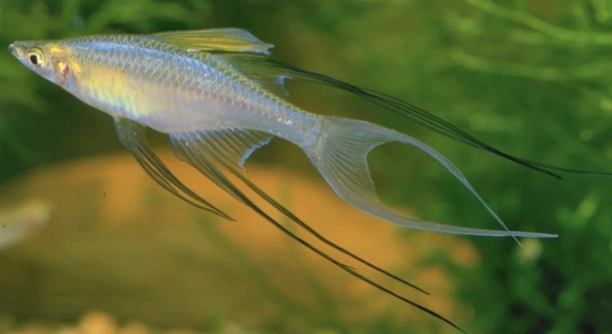
Threadfin Rainbowfish are small, colorful freshwater fish that brighten any aquarium. They enjoy active surroundings and can react noticeably to changes in their environment, especially when new decorations are introduced. Their behavior can be quite engaging to observe.
Threadfin Rainbowfish typically respond to moving decorations with increased swimming activity and heightened alertness. They may approach or avoid objects depending on their size, speed, and placement. These responses reflect their natural curiosity and cautious nature in dynamic environments.
Watching how these fish interact with changes in their tank offers insights into their natural instincts and daily behaviors. Observing them can help in creating a more engaging and suitable aquarium setup.
Threadfin Rainbowfish are small, colorful freshwater fish that brighten any aquarium. They enjoy active surroundings and can react noticeably to changes in their environment, especially when new decorations are introduced. Their behavior can be quite engaging to observe.
Threadfin Rainbowfish typically respond to moving decorations with increased swimming activity and heightened alertness. They may approach or avoid objects depending on their size, speed, and placement. These responses reflect their natural curiosity and cautious nature in dynamic environments.
Watching how these fish interact with changes in their tank offers insights into their natural instincts and daily behaviors. Observing them can help in creating a more engaging and suitable aquarium setup.
How Movement Affects Their Behavior
Threadfin Rainbowfish often show quick bursts of energy when decorations move in their tank. They swim faster, turn sharply, and sometimes scatter before cautiously approaching again. This behavior reflects both their curiosity and their natural instinct to remain alert.
When new decorations move or shift, these fish tend to investigate closely. They may swim around the object repeatedly, pausing before darting away. Their cautious movements highlight how they balance curiosity with self-preservation. This kind of reaction is quite natural, as movement in water could represent food, other fish, or even threats in their natural environment.
In some cases, too much sudden movement may stress them. You might notice them hiding behind plants or avoiding the moving decoration altogether. A gentle and slow introduction to new items in the tank often helps. This way, they can adjust without feeling overwhelmed, keeping their behavior more natural and relaxed.
Types of Movements That Influence Them
Quick, sharp movements in the water tend to startle Threadfin Rainbowfish, while slow, gentle motions usually spark curiosity instead. Their responses depend heavily on how sudden or consistent the movement appears within their space.
Decorations that sway lightly with the current often create an engaging environment without causing distress. These subtle movements mimic plants in their natural habitats, encouraging the fish to swim around more freely. On the other hand, decorations that move abruptly, such as air-driven ornaments, can sometimes overwhelm them. Careful placement of such decorations helps keep their environment stimulating but not stressful. By observing how they react, adjustments can be made to ensure both activity and comfort.
Stress Responses to Movement
When movements are too sudden or frequent, Threadfin Rainbowfish may retreat to the back of the tank. They often hide among plants or decorations, seeking comfort and stability until they feel safe enough to emerge again.
Over time, frequent stress from moving decorations can affect their overall activity levels. Instead of swimming freely, they may appear withdrawn or less lively. Careful observation of these responses is important, as reducing stress helps maintain their natural energy and vibrant health in the aquarium setting.
Creating a Comfortable Setup
A balanced setup with both steady and gently moving decorations works best for Threadfin Rainbowfish. By keeping movements slow and predictable, their environment feels less threatening. Adding live plants that sway naturally in the current can encourage them to explore while still providing safe areas to retreat when needed.
Subtle Reactions to Watch
Sometimes their reactions are very subtle, like flicking fins or slight changes in swimming direction. These small shifts may seem unimportant, but they are signs of awareness. Watching for these details helps in understanding how comfortable they feel with movements around them.
FAQ
Do Threadfin Rainbowfish get scared of moving decorations?
Yes, sudden or fast movements in their tank can make them feel nervous. When startled, they may dart quickly, hide among plants, or keep their distance from the moving object. This reaction comes from natural instincts to avoid potential threats.
Can moving decorations keep Threadfin Rainbowfish active?
Gentle movement can encourage more swimming. Decorations that sway lightly in the current often make them curious, motivating them to explore different areas of the tank. However, balance is important because too much movement may overwhelm them instead of keeping them engaged.
What types of decorations are best for them?
Threadfin Rainbowfish thrive with decorations that combine stability and light motion. Smooth stones, driftwood, and live plants offer safe hiding spots, while soft, flowing plants that move naturally with the water create a realistic environment that feels less stressful and more natural to them.
Should I use air-driven decorations for them?
Air-driven ornaments can sometimes be too forceful. The bubbles and abrupt movement may startle the fish, leading them to avoid that side of the tank. If used, it’s best to place them away from resting areas and balance them with calmer spaces.
How do I know if the decorations are stressing them out?
Signs of stress include hiding more often, reduced activity, loss of color vibrancy, or erratic swimming. If these behaviors appear after adding or moving decorations, it’s a clear sign that the changes are too disruptive and should be adjusted or removed.
Can moving decorations affect their feeding behavior?
Yes, stress from too much movement can make Threadfin Rainbowfish hesitant to eat. They may avoid food if it floats near busy areas. A calmer environment during feeding times helps them feel secure and encourages consistent, healthy eating habits.
How often should I change or rearrange decorations?
Frequent rearranging can confuse and unsettle them. It’s best to make changes gradually and only when necessary, such as cleaning or improving their habitat. Allowing time between adjustments helps the fish feel stable and adapt comfortably to their surroundings.
Do Threadfin Rainbowfish recognize decorations over time?
They may not recognize objects the way humans do, but they grow accustomed to stable items in their environment. When something familiar moves unexpectedly, their alertness increases. This shows they notice changes and respond based on their comfort and caution levels.
What role do plants play in balancing movement?
Plants are important because they offer shelter and natural motion. Live plants sway gently in the current, creating realistic movement without being harsh. This makes the tank feel more like their natural habitat and encourages both relaxation and healthy exploration.
Are moving decorations harmful in the long run?
Not necessarily, as long as they are chosen carefully. Overly busy or noisy decorations can cause long-term stress, but soft, predictable movement is generally harmless. A thoughtful balance ensures the fish remain active while also feeling safe in their environment.
Can young Threadfin Rainbowfish react differently to movement?
Yes, younger fish are often more sensitive. They may dart away quickly or avoid areas with active movement more than adults do. Providing calm spaces allows them to build confidence, while still experiencing the gentle motions that stimulate natural curiosity.
Is it possible for moving decorations to improve their environment?
Yes, when used wisely. Gentle water flow, swaying plants, and soft movement can enrich their habitat. These features create variety, stimulate exploration, and prevent boredom. The key is moderation, making sure the environment remains safe and not overwhelming.
How do Threadfin Rainbowfish compare to other species in reacting to movement?
Compared to more robust fish, Threadfin Rainbowfish are delicate and more cautious. While some fish may ignore movement, these fish pay close attention to their surroundings. Their responses are sharper and more noticeable, which makes monitoring their comfort especially important.
Can lighting affect how they react to moving decorations?
Yes, lighting plays a role. Bright or harsh lighting combined with moving decorations can make them feel exposed and uneasy. Softer lighting, paired with gentle decoration movement, creates a calmer atmosphere that helps the fish feel more secure and balanced.
What’s the best way to introduce new moving decorations?
Introduce them slowly and start with small changes. Position the decoration in a less central spot at first, then observe the fish’s response. If they show calm curiosity rather than hiding, you can gradually make it a more permanent feature.
Final Thoughts
Threadfin Rainbowfish are delicate, graceful fish that notice even the smallest changes in their surroundings. Moving decorations may seem like simple additions, but they have a meaningful effect on how these fish behave. At times, the movement encourages curiosity and playfulness, drawing them out into the open to explore. Other times, it can create stress, leading them to retreat behind plants or stay hidden in quiet corners. Their responses are a reminder that these fish live by instinct, and even in the safety of an aquarium, they continue to react to movement as they would in the wild. Observing these patterns not only helps create a more suitable habitat but also strengthens the bond you feel with your aquarium as you see how the fish interact with their world.
The key to maintaining a balanced environment for Threadfin Rainbowfish lies in moderation and observation. Decorations that sway gently with the water can mimic natural settings, making the fish more comfortable. On the other hand, ornaments that move sharply or unpredictably may create anxiety, especially if placed too close to their resting areas. The difference between a stimulating environment and a stressful one often depends on how carefully the tank is arranged. By noticing when your fish seem curious and active, or when they appear withdrawn and stressed, you can make small adjustments that improve their comfort. In many cases, even slight changes in decoration placement or water flow can reduce stress while still keeping the aquarium visually appealing and engaging for the fish.
Caring for Threadfin Rainbowfish involves more than just feeding them and keeping their water clean. Their behavior shows how much they depend on stability, gentle stimulation, and a safe space to retreat when needed. Moving decorations can enrich their lives when chosen and placed thoughtfully, but they can also unsettle them if introduced too quickly or without consideration. The balance lies in creating an environment that feels both lively and secure, where the fish can swim freely without fear. In paying attention to their reactions, you not only support their health but also deepen your understanding of their needs. This attention ensures that the aquarium remains a safe and enjoyable home for them, allowing their natural beauty and peaceful behavior to shine.

Hello,
If you enjoy the content that we create, please consider saying a "Thank You!" by leaving a tip.
Every little bit helps us continue crafting quality advice that supports the health, happiness, and well-being of pets around the world, for pets of all shapes, sizes, and species.
We really appreciate the kindness and support that you show us!