
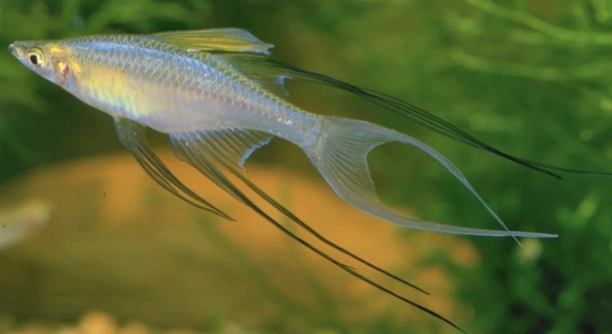
Do you ever notice your threadfins acting unusually aggressive or avoiding each other in their tank? Observing these fish can be surprising, especially when their normally calm behavior suddenly changes in the shared environment.
When threadfins do not get along, they may exhibit territorial disputes, nipping, and stress-related behaviors. Prolonged conflict can lead to weakened immune systems, stunted growth, and sometimes even the death of the weaker fish in the group.
Managing your tank environment and observing fish interactions closely will help maintain harmony and ensure your threadfins remain healthy and active in their habitat.
Signs of Conflict Among Threadfins
When threadfins start avoiding each other or swimming aggressively, it is usually a sign of tension in the tank. You might notice chasing, nipping at fins, or sudden hiding behaviors. Sometimes, one fish dominates the space, leaving the others stressed or unable to access food. Stress in threadfins can manifest physically as faded colors or torn fins, which may indicate ongoing fights. Even small quarrels can escalate quickly if not addressed. Changes in tank setup, overcrowding, or uneven feeding routines often trigger these conflicts. Observing your fish daily helps spot problems early before injuries or long-term stress develop. Making minor adjustments, like rearranging decorations or adding hiding spots, can reduce aggression. These measures help each fish feel secure while promoting healthier group dynamics. Over time, paying attention to behavior can prevent fights from escalating, ensuring your threadfins remain active and healthy in a calmer environment.
Stress behaviors such as fin damage or constant hiding are clear signs that intervention is needed to restore peace in the tank.
Regular monitoring and small environmental adjustments are effective in reducing tension. Adjusting tank decorations, space, and feeding routines helps maintain balance and comfort for all threadfins.
Causes of Aggressive Behavior
Overcrowding is a common cause of aggression in threadfins. A limited space forces competition for territory and resources, which can trigger frequent conflicts and stress-related behaviors.
Threadfins are naturally social fish but still need personal space to thrive. Conflicts often arise when tank conditions do not allow for separate areas where each fish can rest or hide. Improper feeding schedules may lead to competition over food, with dominant fish taking more than their share while others go hungry. Environmental stressors like sudden water temperature changes, poor water quality, or lack of hiding spots can heighten aggression. Introducing new fish without proper acclimation or ignoring size differences between individuals also increases disputes. Observing behavior patterns over time can reveal triggers, allowing for targeted interventions such as adding plants, rearranging rocks, or increasing tank size. Ensuring water parameters are stable, food is evenly distributed, and each fish has space to retreat significantly reduces aggressive encounters. These steps create a calmer environment where threadfins can coexist without unnecessary stress or harm.
Managing Aggression in Threadfins
Adding more space in the tank helps reduce fighting. Rearranging decorations or adding plants creates hiding spots, giving each fish room to feel secure. Regular observation ensures you catch problems early before stress escalates.
Providing adequate space and environmental enrichment is key to managing aggression. Threadfins feel less threatened when they have defined territories and places to retreat. Avoid overcrowding by following recommended stocking guidelines and consider separating larger or more dominant fish if conflicts persist. Consistent feeding routines and evenly distributing food also prevent competition, allowing each fish to eat without stress. Minor changes, like moving decorations or adding extra hiding spots, can make a noticeable difference in reducing tension and promoting harmony among your fish.
Monitoring behavior closely lets you spot early signs of conflict before injuries occur. Keeping water quality stable, providing sufficient space, and arranging the tank thoughtfully all contribute to calmer interactions. Over time, these steps create a balanced environment where threadfins coexist peacefully and maintain their health.
Feeding and Nutrition Considerations
Uneven feeding can spark aggression in threadfins. Dominant fish may take more food, leaving others stressed or undernourished. Maintaining a consistent feeding schedule helps reduce disputes.
Ensuring proper nutrition involves more than just quantity. Providing high-quality, varied food supports growth, coloration, and overall health. Distribute food across different areas of the tank to prevent competition at a single spot. Feeding smaller portions multiple times a day can also minimize fights by keeping all fish engaged. Observing which fish eat first helps identify individuals who may need extra attention. Balanced nutrition strengthens the immune system, making fish less susceptible to stress and disease caused by conflicts. Over time, proper feeding routines reduce aggression, as each fish receives the energy it needs without fighting over limited resources.
Water quality and tank maintenance influence feeding behavior and aggression. Uneaten food can pollute the water, causing stress and prompting more aggressive behavior. Regular cleaning and monitoring parameters like ammonia, nitrite, and pH keep fish healthy. Clear water and stable conditions encourage calmer behavior during feeding, as fish are less distracted by environmental stress. Combining proper nutrition with a clean, well-maintained tank ensures your threadfins remain healthy, reduces disputes, and creates a more peaceful aquarium environment.
Tank Setup and Environment
Adding plants, rocks, and hiding spots gives threadfins areas to claim as their own. A varied environment reduces stress and aggressive interactions while allowing fish to feel secure.
Adjusting tank size is equally important. Overcrowding increases tension and fights, so providing sufficient space helps each fish maintain personal territory and reduces conflicts.
Observing Behavior Patterns
Keeping a close eye on how threadfins interact helps identify early signs of aggression. Noticing chasing, fin nipping, or avoidance allows you to act before serious injuries occur. Consistent observation also helps track which fish are more dominant and which may need extra care, ensuring balanced tank dynamics.
Separating Aggressive Individuals
When conflicts persist despite adjustments, separating aggressive threadfins may be necessary. Using a divider or another tank can prevent injuries and stress, giving each fish a safer environment while maintaining overall health.
FAQ
How can I tell if my threadfins are stressed?
Signs of stress in threadfins include faded colors, torn or frayed fins, frequent hiding, and reduced appetite. Aggressive chasing or constant swimming at the surface or corners can also indicate tension. Observing behavior consistently helps catch stress early and prevents serious health problems.
What is the best tank size for multiple threadfins?
A larger tank helps reduce aggression by providing space for personal territories. For a small group of threadfins, at least a 55-gallon tank is recommended, with additional space needed for each extra fish. Adequate space minimizes fights and allows all fish to thrive.
Can tank decorations really reduce fighting?
Yes. Plants, rocks, and hiding spots break up lines of sight and give fish areas to retreat. By creating separate zones, dominant fish cannot monopolize the entire tank, and shy or smaller individuals have places to feel safe.
How often should I feed my threadfins?
Multiple small feedings throughout the day are better than a single large feeding. This reduces competition for food, prevents dominant fish from taking all resources, and keeps all individuals healthy and less stressed.
Is water quality linked to aggression?
Absolutely. Poor water quality can increase stress and irritability in fish. Maintaining stable ammonia, nitrite, and pH levels, along with regular water changes, reduces aggressive behavior and supports overall health. Clean, stable water encourages calmer interactions.
Should I separate aggressive fish immediately?
If fights cause visible injuries or stress persists despite tank adjustments, separation is necessary. Using a divider or transferring a particularly aggressive individual to another tank prevents harm and allows all fish to recover in a safer environment.
Do threadfins eventually calm down with each other?
Some groups establish a pecking order over time and reduce conflicts, especially if the tank is large and well-structured. Patience and careful monitoring are key, but intervention may still be needed for highly aggressive individuals.
Can overfeeding cause aggression?
Yes. Overfeeding can create competition if food accumulates in certain areas, attracting dominant fish to guard it. Proper portioning and spreading food around the tank help all fish eat without fighting, maintaining a calmer environment.
Are certain threadfins naturally more aggressive?
Individual temperament varies. Some threadfins are naturally dominant, while others are shy. Understanding these differences helps in planning tank setup and feeding routines, as well as deciding when separation or extra space is needed.
How do I prevent future conflicts?
Maintain proper tank size, add plenty of hiding spots, feed consistently, monitor water quality, and observe behavior. Addressing small issues early prevents escalation and keeps your threadfins healthy and harmonious over the long term.
This FAQ provides practical guidance for recognizing, managing, and preventing conflicts, helping maintain a calm and healthy environment for your threadfins. Regular observation and thoughtful adjustments ensure all fish thrive together.
Final Thoughts
Threadfins are generally peaceful fish, but like any group of animals, they can experience conflicts when their environment does not meet their needs. Stress, overcrowding, and competition for food or territory are common reasons why disagreements occur. Even small tanks with plenty of decorations can sometimes see tension rise if dominant fish feel threatened or if new individuals are introduced without proper care. Observing your threadfins on a daily basis helps you understand their behavior and identify early signs of stress or aggression. Noticing changes in swimming patterns, fin condition, or coloration allows you to make adjustments before problems escalate. Taking proactive steps to maintain a stable, enriched environment reduces conflict and supports the overall well-being of every fish in the tank. Over time, careful management helps the group settle into a routine, where each fish has enough space and resources to coexist peacefully.
Creating a suitable tank environment is one of the most important factors in preventing fights among threadfins. Providing adequate space for each fish is essential, especially when keeping multiple individuals together. Decorations like plants, rocks, and hiding spots are not just for looks—they allow fish to establish personal territories and retreat when they feel threatened. Even minor changes, such as rearranging decorations or adding more cover, can significantly reduce aggressive behaviors. Consistent feeding routines also play a key role. Dominant fish tend to take more food when it is concentrated in one spot, which increases competition and stress. Spreading food across different areas of the tank and offering smaller meals multiple times a day ensures all fish receive enough nutrition without fighting. Maintaining clean water and stable parameters is equally important, as poor conditions can exacerbate aggression and weaken the immune system. These simple but consistent measures contribute to a calmer, healthier aquarium where threadfins can thrive.
It is also important to recognize that some conflicts may require direct intervention. Separating particularly aggressive individuals or providing dividers can prevent injuries and stress when other adjustments do not fully resolve tensions. Patience and observation are critical, as threadfins can gradually adjust to each other when conditions are favorable, but persistent issues should not be ignored. Understanding each fish’s temperament, ensuring balanced nutrition, and keeping the environment stable all work together to minimize disputes. By focusing on these factors, you create a tank that supports harmony and long-term health. Ultimately, paying close attention to your threadfins’ needs and behaviors allows you to respond promptly to problems, ensuring that your fish remain active, healthy, and comfortable in their shared habitat.

Hello,
If you enjoy the content that we create, please consider saying a "Thank You!" by leaving a tip.
Every little bit helps us continue crafting quality advice that supports the health, happiness, and well-being of pets around the world, for pets of all shapes, sizes, and species.
We really appreciate the kindness and support that you show us!