
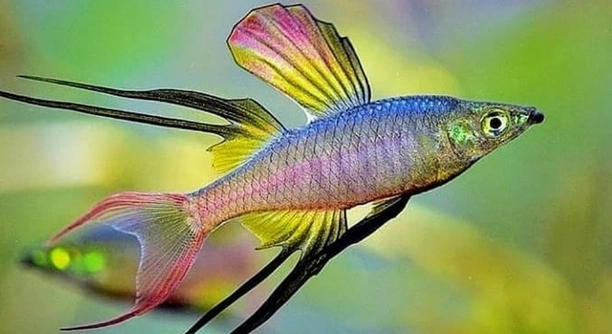
Threadfin rainbowfish are vibrant and active fish that bring life to any aquarium. Observing their behaviors can be fascinating, yet they require more than just a clean tank to stay engaged and healthy.
Providing proper enrichment for threadfin rainbowfish is essential for their physical and mental well-being. Methods such as varying tank decorations, introducing live or artificial plants, offering diverse feeding routines, and creating interactive environments can significantly improve their overall stimulation and reduce stress.
Implementing these enrichment strategies can transform your aquarium into a more dynamic and enjoyable environment for your rainbowfish. Small adjustments make a meaningful difference in their daily activity.
Rearrange Tank Decorations Regularly
Changing the layout of your aquarium can keep threadfin rainbowfish active and curious. They respond well to new hiding spots, tunnels, or elevated areas. Rocks, driftwood, and plants provide both shelter and exploration opportunities. When rearranging, ensure pathways are safe and do not trap fish. Regular updates prevent boredom, encouraging natural swimming and social behaviors. Even small changes, like moving a plant or adding a new ornament, can stimulate their interest. Avoid overcrowding the tank, as this can stress the fish and reduce the effectiveness of enrichment. Observing how they explore new spaces helps you understand their preferences. Rotate decorations every few weeks to maintain novelty. Introducing new textures and surfaces can also provide sensory enrichment. Threadfin rainbowfish enjoy both vertical and horizontal swimming space, so consider adjusting tank elements to allow different movement patterns. A varied environment supports both mental and physical health, reducing aggression and promoting overall well-being.
Rearranging tank decorations is simple but highly effective. Even minor adjustments can make fish more active and engaged.
Regularly updating the tank keeps threadfin rainbowfish alert. They explore more, reducing stress and encouraging natural behaviors. A thoughtful layout benefits their health and enjoyment daily.
Introduce Live or Artificial Plants
Adding plants, whether live or artificial, creates hiding spots and visual barriers for threadfin rainbowfish. Plants mimic their natural habitat, encouraging exploration and reducing stress. Live plants offer the added benefit of improving water quality, while artificial plants are low maintenance and versatile. Use a mix of tall and short plants to provide both vertical and horizontal cover. Placing plants near open swimming areas gives fish choices for movement and refuge. Rotate or trim plants to maintain a dynamic environment. Observing how fish interact with plant arrangements allows you to tailor enrichment. Floating plants can provide shade, while rooted plants give fish places to dart in and out. Ensure plants are non-toxic and securely anchored to prevent uprooting. Enrichment is not just physical; visual interest from plants stimulates curiosity. Both types of plants contribute to a lively, engaging tank where threadfin rainbowfish feel comfortable and active.
Properly placed plants enhance tank dynamics, giving fish space to swim freely and hide when desired.
Live and artificial plants together create a balanced, stimulating environment. Fish can explore, hide, and interact with their surroundings, which promotes healthier activity and reduces boredom in the aquarium.
Offer a Variety of Foods
Feeding threadfin rainbowfish different foods encourages natural foraging behavior. Mixing flakes, pellets, live, and frozen foods keeps their diet balanced and interesting. Rotation prevents boredom and ensures they get essential nutrients daily.
Providing a varied diet supports both physical health and mental stimulation. Live foods like brine shrimp or daphnia spark hunting instincts, while high-quality flakes and pellets offer consistent nutrition. Occasionally adding finely chopped vegetables or algae wafers can diversify their meals. Feed small amounts multiple times a day to mimic natural feeding patterns. Observing how they respond to different textures and colors allows you to fine-tune the feeding routine. This variety helps prevent selective eating habits and keeps them engaged. Healthy fish are more active and display natural swimming and social behaviors, which contributes to overall tank harmony and reduces stress-related issues. Variety in diet is a simple yet effective form of enrichment.
Introducing different foods gradually helps fish adapt without shocking their digestive system. Combining live, frozen, and prepared foods keeps feeding time engaging and supports long-term health.
Add Interactive Tank Elements
Interactive elements like floating toys, small tunnels, and gentle currents encourage threadfin rainbowfish to explore and exercise. These features replicate challenges they would face in their natural habitats, enhancing activity and curiosity.
Small objects and structures in the tank invite fish to swim around, under, and through them, mimicking natural obstacles. Floating rings or bubbles from an air stone provide visual and physical stimulation, prompting movement and investigation. Tunnels and caves offer hiding spots that reduce stress and encourage social behaviors. Even slight water currents from filters or pumps give fish choices in swimming resistance, strengthening muscles and promoting energy use. Rotating or repositioning these elements maintains novelty and prevents habituation. Observing which features the fish interact with most can guide future enrichment additions. Balanced interaction ensures mental stimulation, physical exercise, and overall well-being.
Regularly updating these elements keeps the aquarium dynamic. Fish remain alert, active, and more engaged with their surroundings, promoting a healthier lifestyle.
Use Gentle Water Currents
Creating gentle water currents encourages threadfin rainbowfish to swim actively. Using a low-flow filter or strategically placed air stones provides movement without overwhelming the fish.
Currents simulate natural river or stream conditions, helping fish exercise and maintain muscle tone. They also reduce stagnation, promoting oxygen circulation and healthier water conditions.
Incorporate Hiding Spots
Providing caves, driftwood, or dense plant clusters gives threadfin rainbowfish secure areas to retreat. Hiding spots reduce stress and encourage natural exploration behaviors, keeping fish more comfortable and confident.
Vary Light Cycles
Adjusting light intensity and timing gradually mimics natural day and night cycles. Proper light variation supports normal activity patterns and overall well-being in threadfin rainbowfish.
Offer Occasional Live Food Treats
Live foods like daphnia or brine shrimp stimulate hunting instincts. Feeding these occasionally adds excitement to mealtime and encourages natural predatory behaviors.
FAQ
How often should I rearrange tank decorations for threadfin rainbowfish?
Rearranging tank decorations every two to four weeks is ideal. Small changes like moving a plant, rock, or tunnel keep the fish engaged without causing stress. Avoid drastic changes all at once, as sudden alterations can make fish feel insecure and hesitant to explore.
Are live plants better than artificial plants for enrichment?
Both live and artificial plants have benefits. Live plants improve water quality and mimic natural habitats, while artificial plants are low-maintenance and flexible in placement. Combining both types can provide variety, hiding spots, and visual stimulation, which helps fish remain active and healthy.
Can varying foods improve fish behavior?
Yes. Offering a mix of flakes, pellets, live foods, and frozen options encourages natural foraging and hunting behaviors. Rotating foods prevents boredom and ensures a balanced diet, contributing to both mental stimulation and overall health. Small portions fed multiple times a day are ideal.
Do threadfin rainbowfish need hiding spots?
Absolutely. Hiding spots like caves, tunnels, or dense plant areas give fish security and reduce stress. These areas allow shy or lower-ranking fish to retreat and rest. Well-placed hiding spots encourage natural exploration and social interactions while maintaining a calmer environment.
How important are water currents for enrichment?
Gentle water currents mimic natural river conditions and encourage swimming activity. Low-flow filters or strategically placed air stones provide resistance without overwhelming the fish. Currents promote exercise, improve oxygen circulation, and keep fish alert and active, which is essential for their physical and mental health.
How should I adjust lighting for rainbowfish enrichment?
Gradual light changes that simulate day and night cycles are best. Proper lighting supports natural activity patterns, feeding routines, and overall well-being. Avoid sudden or harsh light changes, as this can stress the fish. Incorporating shaded areas or floating plants helps them regulate exposure naturally.
Is it beneficial to provide live food occasionally?
Yes, live food like daphnia, brine shrimp, or small worms stimulates natural predatory behaviors. Occasional live food encourages active hunting, mental engagement, and adds excitement to feeding time. It should complement a regular balanced diet rather than replace it entirely.
Can interactive elements reduce stress and boredom?
Interactive tank features such as tunnels, floating rings, or small objects invite exploration and movement. Rotating these elements keeps the environment dynamic. Fish interacting with these objects show improved activity, reduced aggression, and more natural behaviors, which benefits overall mental and physical health.
How do I know if enrichment is working?
You can observe your rainbowfish for signs of engagement, increased swimming activity, and interaction with plants or objects. Healthy fish are curious, explore the tank, and display natural schooling or foraging behaviors. Lack of interest may indicate a need to adjust enrichment strategies or tank setup.
Should enrichment be tailored to the number of fish?
Yes, tank population affects enrichment needs. Overcrowded tanks can reduce space for exploration and cause stress, while underpopulated tanks may lack social stimulation. Ensure decorations, hiding spots, and feeding strategies suit the number of fish to maximize activity and well-being.
How do I maintain enrichment without stressing the fish?
Introduce changes gradually, whether it’s decorations, plants, or currents. Monitor fish behavior after each adjustment. Avoid sharp contrasts in lighting, water flow, or tank layout. Gradual updates keep the environment stimulating while allowing fish to adapt comfortably.
Can enrichment improve overall fish health?
Consistent enrichment positively affects mental and physical health. Active, engaged fish develop stronger muscles, display natural behaviors, and experience less stress. A varied environment with proper feeding, hiding spots, and interactive elements reduces the risk of illness and supports long-term well-being.
What is the easiest form of enrichment to start with?
Adding plants, rearranging decorations, and offering occasional live food are simple first steps. These require minimal effort but provide immediate stimulation. Observing how the fish respond can guide more advanced enrichment strategies over time.
How do I keep enrichment interesting over time?
Rotate plants, decorations, and interactive elements regularly. Introduce new textures, hiding spots, or gentle currents. Vary feeding routines and occasionally offer live foods. Consistent observation ensures changes suit fish preferences and maintain long-term engagement.
Is enrichment necessary for all rainbowfish, or only certain ages?
All ages benefit from enrichment. Young fish develop natural behaviors and coordination, while adults remain active and reduce stress. Age-specific adjustments, like smaller hiding spots for juveniles or larger swimming spaces for adults, ensure all fish enjoy appropriate stimulation.
Threadfin rainbowfish thrive best in environments that provide both physical and mental stimulation. Simply keeping the tank clean and feeding them regularly is not enough to ensure their overall well-being. Enrichment activities, such as rearranging decorations, adding live or artificial plants, and incorporating interactive elements, play a vital role in keeping them active and engaged. When fish have opportunities to explore, hide, and interact with their surroundings, they show more natural behaviors, display better coloration, and maintain healthier activity levels. Even small changes, like introducing new textures or repositioning ornaments, can make a noticeable difference in their daily activity. Over time, these changes not only reduce boredom but also contribute to the fish’s long-term health. Observing their reactions to different enrichment strategies allows you to better understand their preferences, ensuring that the tank continues to meet their needs effectively.
A varied diet also contributes significantly to enrichment. Providing a mix of flakes, pellets, live foods, and occasional frozen options encourages natural foraging and hunting behaviors. Rotating foods helps prevent selective eating habits while ensuring proper nutrition, which directly supports their energy and activity levels. Live foods, in particular, can add excitement to feeding time and stimulate predatory instincts, creating a more dynamic and rewarding experience for the fish. Feeding smaller portions multiple times a day, rather than one large meal, mimics their natural feeding patterns, which helps maintain consistent energy levels and reduces stress. Combining dietary variety with environmental enrichment ensures that both mental and physical needs are met, leading to healthier, more active fish that interact positively with their environment. Over time, these practices create a balanced routine that supports natural behavior, strengthens immune function, and encourages social interaction within the tank.
Maintaining a proper balance of tank conditions, enrichment, and diet is key to supporting the long-term well-being of threadfin rainbowfish. Regular monitoring of water quality, temperature, and light cycles ensures that the environment remains safe and comfortable. Gentle water currents, varied light exposure, and thoughtfully placed hiding spots enhance the sense of security and stimulate natural activity. Observing how the fish respond to these elements helps refine enrichment strategies to suit their specific needs. Over time, consistent attention to these factors fosters a vibrant, active aquarium where threadfin rainbowfish can thrive. A well-enriched tank does not only benefit the fish’s physical health but also encourages natural behaviors, reduces stress, and creates a more visually dynamic and lively environment. By investing in thoughtful enrichment, balanced feeding, and attentive care, the aquarium becomes a place where threadfin rainbowfish can truly flourish and display their full potential.

Hello,
If you enjoy the content that we create, please consider saying a "Thank You!" by leaving a tip.
Every little bit helps us continue crafting quality advice that supports the health, happiness, and well-being of pets around the world, for pets of all shapes, sizes, and species.
We really appreciate the kindness and support that you show us!