
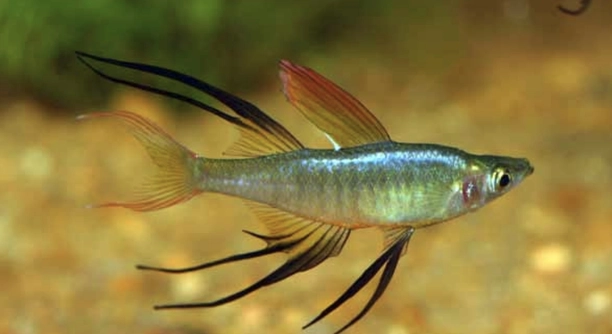
Do you ever notice your Threadfin Rainbowfish swimming past their food, showing little interest in meals they usually enjoy? Watching them ignore their favorite flakes or pellets can be a bit worrying for any aquarist.
Threadfin Rainbowfish sometimes lose interest in food due to stress, water quality changes, illness, or dietary imbalance. Environmental factors and sudden shifts in temperature or pH can significantly affect their appetite and feeding behavior.
Understanding these factors can help you maintain a healthy, active aquarium and ensure your fish stay happy and nourished over time.
Environmental Stress and Its Impact
Threadfin Rainbowfish are highly sensitive to changes in their surroundings. Sudden temperature fluctuations, poor water quality, or even new tankmates can make them uneasy. When stressed, their metabolism slows down, and they often lose interest in food. I noticed in my own tank that after introducing new decorations, my fish barely touched their usual flakes for days. Even subtle changes, like moving the aquarium to a different spot in the room, can make a difference. Regular water testing and keeping parameters stable is key. Fish thrive in predictable, clean conditions where they feel safe and secure. Observing their behavior daily helps catch early signs of stress before appetite loss becomes severe. Stress-related feeding issues are more common than people think, but with careful attention, the fish usually return to their normal eating habits quickly. Patience and consistency are essential when addressing environmental stress factors.
Stress from changes in water conditions or surroundings can quickly reduce feeding habits. Keeping water clean and stable is essential for appetite.
Creating a stable environment includes checking temperature, pH, and ammonia levels regularly. Providing hiding spots and consistent lighting reduces anxiety, helping fish feel more confident while feeding. Avoid sudden changes in tank layout or introducing too many new tankmates at once. Even small disturbances can impact appetite. I found that keeping feeding times consistent also encourages regular eating. Observing fish during meals allows quick responses if they avoid food, showing stress early. A calm, predictable environment supports both growth and immunity, reducing disease risks.
Health Issues Affecting Appetite
Illness can cause Threadfin Rainbowfish to stop eating, and it’s important to notice early signs. Lethargy, faded colors, or unusual swimming patterns often appear before appetite loss.
Common problems include parasites, bacterial infections, or internal issues. Sick fish may isolate themselves or hide more than usual. Early detection allows treatment to be more effective and prevents the spread of disease. Observing feces and gill movement can provide clues to internal health problems.
Maintaining fish health requires proper nutrition and regular monitoring. I ensure my fish receive a balanced diet with high-quality flakes and occasional live or frozen foods. Quarantining new arrivals prevents introducing illnesses to the main tank. Routine water changes, proper filtration, and avoiding overcrowding reduce stress and disease risk. Even small injuries can lead to infection, so inspecting fins and scales is important. When illness strikes, using recommended treatments quickly can restore appetite and vitality. Healthy fish are more active, vibrant, and responsive during feeding, making it easier to notice subtle changes in eating habits. Consistency in care is the most effective approach to prevent appetite-related health problems.
Dietary Imbalance
Threadfin Rainbowfish may refuse food if their diet lacks variety. Feeding only flakes or pellets can make them bored or undernourished, leading to appetite loss.
Adding live or frozen foods, like brine shrimp or daphnia, can stimulate interest and provide essential nutrients. I noticed my fish began eating enthusiastically again after introducing small amounts of finely chopped vegetables and occasional protein treats. Overfeeding or giving too many treats at once can also make them picky, so portion control matters. Rotating food types keeps them engaged and ensures they get vitamins and minerals they need for growth, color, and overall health. A balanced diet is one of the easiest ways to prevent loss of appetite.
Even minor dietary adjustments can significantly impact feeding behavior. Observing preferences and responding accordingly helps maintain interest in meals.
Consistent feeding routines and variety go hand in hand. My fish are more active and colorful when their diet includes different textures and flavors. I try to feed in small amounts multiple times a day, rather than a large single portion, which seems to encourage regular eating. Introducing fresh foods gradually helps prevent digestive upset. Over time, these small changes improved appetite, energy, and overall well-being. By monitoring both the quantity and quality of their meals, I’ve kept my fish healthy and attentive at feeding times.
Tank Mates and Social Dynamics
Aggressive or overly active tank mates can intimidate Threadfin Rainbowfish, causing them to avoid food.
In my experience, even minor bullying from more dominant species can make feeding stressful. Fish may dart around anxiously instead of eating, leading to decreased nutrition and slower growth. Adjusting the tank population or providing separate feeding zones can help. Adding plants or hiding spots reduces tension, allowing fish to eat in peace. Observing interactions during meals helps identify which fish may be causing anxiety. By creating a calmer environment, the Rainbowfish regain confidence and appetite, showing that social dynamics play a critical role in feeding behavior.
Providing safe spaces and reducing stress among tank mates encourages consistent feeding. Separating aggressive fish during meals can restore balance and improve appetite.
Monitoring social interactions is crucial. I noticed that when more boisterous fish were in the same feeding area, my Rainbowfish would hang near the back, barely touching their food. Introducing floating plants and small caves gave them shelter and reassurance. I sometimes feed in different tank sections to prevent competition, ensuring every fish gets a fair chance. Over time, this strategy normalized behavior and improved appetite, showing that careful management of social dynamics supports both physical and emotional health. Peaceful interactions make the tank a more comfortable environment, encouraging regular eating patterns.
Water Temperature Fluctuations
Threadfin Rainbowfish can stop eating when water temperature changes suddenly. Even small shifts can slow metabolism and reduce appetite.
Keeping temperature stable is essential. I use a reliable heater and thermometer to maintain consistency, which helps my fish eat regularly and stay active.
Seasonal Changes
During certain seasons, fish may naturally eat less. Cooler temperatures or changes in daylight can affect their behavior and appetite.
I adjust feeding frequency slightly and provide higher-quality food during these periods. This helps them maintain energy and prevents stress-related health issues.
Tank Size and Space
Crowded tanks can make Rainbowfish nervous, causing them to avoid food. Providing ample space allows them to swim freely and eat without stress.
I noticed my fish began eating better after reducing the number of tank mates and giving each fish more room.
Why is my Threadfin Rainbowfish ignoring food even though the water looks fine?
Even if water appears clear and clean, small changes in pH, ammonia, or nitrate levels can affect appetite. I’ve seen my Rainbowfish stop eating when nitrite spiked slightly after adding new plants. Testing water regularly and maintaining stable conditions helps prevent this.
Could stress from tank decorations or placement cause them to refuse food?
Yes. Rainbowfish are sensitive to their surroundings. Rearranging decorations or moving the tank can make them uneasy. I noticed that after introducing a new ornament, my fish stayed hidden for a day and barely ate. Providing familiar hiding spots and leaving the environment stable encourages feeding.
Can illness be the reason my fish won’t eat?
Absolutely. Lethargy, clamped fins, or faded colors often appear before appetite loss. I once had a Rainbowfish stop eating due to a mild parasite infection. Quarantining new fish, observing health, and using appropriate treatments quickly usually restore appetite.
Does diet variety matter for their interest in food?
It does. Feeding only flakes can cause boredom and nutritional gaps. I rotate between flakes, frozen foods, and occasional vegetables. Small changes like this reignited interest in meals and kept my fish active and healthy. Overfeeding treats can also reduce appetite, so moderation is key.
Do tank mates influence feeding behavior?
Yes. Aggressive or overly active fish can intimidate Rainbowfish during meals. I saw mine hide at the back of the tank when more dominant species were present. Adding hiding spaces or feeding in separate zones helps them eat comfortably and reduces stress.
Can temperature changes impact appetite?
Definitely. Threadfin Rainbowfish prefer stable temperatures. Even minor fluctuations can slow metabolism. I use a heater and thermometer to maintain consistency, which keeps my fish eating regularly. Seasonal adjustments may require feeding slightly less or offering higher-quality foods to maintain energy.
Does tank size affect feeding habits?
Crowding makes Rainbowfish nervous and reduces eating. Providing enough swimming space helps them feel safe. I reduced my tank’s population slightly and noticed immediate improvement in feeding behavior. Space allows them to access food without competition or fear.
Are there signs that indicate why my fish is refusing food?
Yes. Watch for lethargy, hiding, faded colors, or unusual swimming patterns. I check gill movement, fins, and feces for signs of internal issues. Early detection of stress or illness helps restore appetite faster. Observing behavior during feeding times is crucial.
How can I encourage my fish to eat again?
Small steps work best. I introduce variety gradually, maintain water stability, reduce stress, and ensure adequate space. Offering live or frozen foods in small portions often sparks interest. Consistent routines and calm conditions help Rainbowfish regain appetite naturally.
Should I worry if my fish skips a meal or two?
Occasional skipped meals are usually not harmful if the fish appears healthy and active. I monitor closely, ensuring no other signs of stress or illness. Persistent refusal, however, requires checking water quality, diet, tank mates, and health to prevent long-term problems.
Can hiding spots improve feeding confidence?
Yes. Providing plants, caves, or floating decorations helps Rainbowfish feel secure while eating. I added a few small caves, and my fish started exploring and eating more confidently. Security in the environment directly impacts feeding habits and reduces stress-related appetite loss.
Do lighting and day-night cycles affect appetite?
They do. Sudden changes or excessively bright lighting can stress fish. I keep a consistent lighting schedule and avoid harsh lights, which helps Rainbowfish feel comfortable and feed regularly. Gradual light adjustments during seasonal changes also support consistent appetite.
How important is observation during feeding?
Extremely important. Watching behavior helps identify stress, illness, or social issues early. I spend a few minutes daily observing meals, noting who eats, who hides, and any unusual actions. Early intervention based on observation prevents long-term feeding problems.
Can overfeeding cause loss of interest in food?
Yes. Overfeeding can lead to bloating, digestive issues, and pickiness. I feed small, measured portions multiple times a day rather than one large meal. Balanced feeding routines prevent refusal and maintain consistent appetite.
What should I do if all environmental and dietary factors are correct but my fish still refuses food?
If water, temperature, tank mates, and diet are ideal, persistent appetite loss may indicate hidden illness or stress. I recommend isolating the fish, monitoring health closely, and consulting treatment options or a veterinarian familiar with aquarium fish. Early action ensures faster recovery and prevents complications.
This FAQ addresses the main reasons Threadfin Rainbowfish sometimes lose interest in food, based on personal observation and common care practices. Paying attention to water, diet, tank dynamics, and behavior makes it easier to maintain healthy, well-fed fish.
Threadfin Rainbowfish are beautiful and lively fish, but they can sometimes lose interest in food for a variety of reasons. Understanding why this happens helps make caring for them easier and less stressful. Changes in water quality, temperature, or pH levels can affect their appetite quickly. Even small fluctuations that seem unimportant to us can have a big effect on fish. Stress is also a major factor. Introducing new tank mates, rearranging decorations, or adding plants can make them uneasy. They often stop eating until they adjust to the new conditions. Providing a stable and calm environment helps them feel safe and more willing to eat again. In my experience, even leaving a hiding spot or a familiar ornament in the same place encourages them to return to normal feeding habits. Consistency is key for these sensitive fish.
Dietary habits play an important role in keeping Rainbowfish interested in food. Feeding the same type of flakes or pellets every day can lead to boredom or nutritional gaps. Rotating between high-quality flakes, frozen foods, and occasional vegetables keeps them engaged and ensures they get the nutrients they need. Portion size also matters. Overfeeding or giving too many treats can make them less interested in regular meals. I have seen this happen when I tried to offer too many live foods at once. Feeding smaller amounts several times a day instead of one large meal has worked well for me. A balanced diet combined with a stable feeding routine supports their energy, growth, and vibrant coloration. Paying attention to their preferences helps identify what foods they like best while keeping them healthy.
Social dynamics in the tank can also affect feeding behavior. Aggressive or overly active tank mates can intimidate Rainbowfish and make them hide during feeding times. Providing hiding spots, plants, or small caves gives them a sense of security, allowing them to eat without fear. Tank size matters too—overcrowded tanks make fish anxious and reduce appetite. I noticed that when I gave my Rainbowfish more space and carefully monitored interactions, they returned to normal eating habits quickly. Seasonal changes or minor temperature fluctuations can temporarily reduce appetite, but these effects are usually short-term if conditions are monitored and adjusted. Overall, maintaining stable water parameters, a varied diet, adequate space, and a calm environment are the most effective ways to keep Threadfin Rainbowfish healthy and interested in food. Consistent observation and small adjustments make a noticeable difference in their behavior and overall well-being.

Hello,
If you enjoy the content that we create, please consider saying a "Thank You!" by leaving a tip.
Every little bit helps us continue crafting quality advice that supports the health, happiness, and well-being of pets around the world, for pets of all shapes, sizes, and species.
We really appreciate the kindness and support that you show us!