
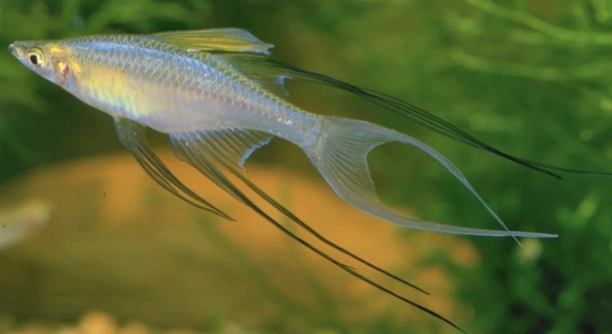
Fish in the wild often show behaviors that seem puzzling, especially to threadfins. Observing their interactions can be interesting, as each movement, turn, or flick of the fin may carry a meaning that is not immediately obvious.
Threadfins may become confused by the movements, signals, and feeding patterns of other fish. These behaviors can disrupt their usual routines, affect schooling dynamics, and influence their ability to find food efficiently, making understanding them essential for proper observation.
Recognizing these subtle interactions will help you better understand threadfins and their responses in a shared aquatic environment. It highlights the complexity of their behavior and relationships with other species.
Sudden Changes in Swimming Patterns
Fish often change their swimming patterns unexpectedly, and threadfins can find this disorienting. A fish may speed up, slow down, or shift direction without warning. Such movements interrupt the rhythm of the threadfins’ schooling behavior. Observing these sudden changes helps explain why threadfins hesitate or scatter when other fish act unpredictably. Sometimes, a fish may dart toward a food source or move away from a perceived threat, causing threadfins to adjust rapidly. Even subtle changes, like a slight tilt or flutter, can signal something significant. These movements may be related to feeding, mating, or avoiding predators. Threadfins rely on consistency to coordinate their swimming. When neighboring fish deviate from expected patterns, threadfins must interpret the action quickly, which can create confusion. Over time, repeated exposure can help them adapt, but sudden and irregular behavior remains a frequent source of disorientation. Observing these patterns gives insight into fish social dynamics and stress responses in shared habitats.
Threadfins react to irregular swimming patterns by pausing or changing direction abruptly, often appearing unsettled when other fish move unpredictably around them.
Learning to read these cues allows better understanding of aquatic interactions. It also shows how sensitive threadfins are to changes in their environment, highlighting the importance of stability in shared spaces.
Erratic Feeding Behavior
Erratic feeding by other fish can disturb threadfins. Sudden grabs for food or irregular nibbling patterns make it hard for threadfins to maintain their feeding routine.
When other fish feed inconsistently, threadfins may hesitate or swim away to avoid collisions. They rely on predictable feeding behavior to optimize their energy intake. In groups, the competition can cause stress, as threadfins try to find food while navigating unexpected movements. Fish may also chase one another or hoard small prey items, creating a chaotic scene. Threadfins are cautious and often wait until the environment settles before resuming normal feeding. Observing these interactions shows how sensitive threadfins are to disruptions. Over time, they may learn to anticipate the feeding habits of cohabiting species, but sudden changes remain confusing. This behavior highlights how environmental factors and the actions of others influence threadfin activity and overall well-being, stressing the need for consistent routines in aquariums or natural habitats.
Rapid Fin Movements
Rapid fin movements by other fish can startle threadfins. Quick flutters or sudden fin extensions make them pause or swim away to avoid accidental contact or perceived threats.
These rapid movements often happen when fish are excited, stressed, or competing for space. Threadfins are particularly sensitive to these gestures because their schooling relies on synchronized motion. If a neighboring fish spreads its fins quickly or flicks them repeatedly, threadfins may interpret this as a warning or an aggressive signal. Over time, repeated exposure helps them distinguish between harmless displays and real threats, but the initial reaction is often confusion and hesitation. This sensitivity shows how finely tuned their perception of movement is, making even minor gestures from others significant in their behavioral response.
Understanding how fin activity affects threadfins can improve tank management or natural habitat observation. Awareness of these interactions allows better prediction of stress points and movement patterns in mixed-species environments.
Unusual Body Postures
Unusual body postures among cohabiting fish can confuse threadfins and disrupt their usual swimming patterns. These postures often include tilting, arching, or twisting, which may signal aggression, mating, or stress.
Threadfins notice these deviations immediately because they rely on consistent cues for coordination. When another fish arches its body or swims at an unusual angle, threadfins may hesitate, slow down, or change direction to avoid conflict. Such postures can signal potential threats or create uncertainty in group movement. In aquariums or shared habitats, observing these postures helps understand social hierarchies and stress levels. Threadfins often take longer to regain normal rhythm after encountering unusual body positions, demonstrating their sensitivity to environmental cues. Recognizing these signals allows for better management of multi-species tanks and helps ensure smooth interactions in natural habitats.
Flashing Colors
Flashing or sudden changes in color can distract threadfins. Bright displays from nearby fish make them hesitate or swim cautiously to avoid potential danger.
These color shifts often indicate excitement, stress, or territorial behavior. Threadfins respond instinctively, adjusting their position or slowing down to interpret the meaning of these visual signals.
Sudden Direction Changes
When other fish change direction abruptly, threadfins must react quickly. These shifts interrupt their schooling and can create confusion, as they struggle to maintain coordinated movement in response to unpredictable turns.
Threadfins often pause or alter their path to adapt. Such behavior shows their reliance on predictable patterns to move efficiently. Abrupt changes from others can create temporary chaos, highlighting how sensitive threadfins are to the movements of neighboring fish.
Bubble Releases
Bubble releases from nearby fish can startle threadfins. Air bubbles rising unexpectedly may cause them to swim away or freeze momentarily, affecting their normal swimming behavior.
Why do threadfins get confused by other fish?
Threadfins rely heavily on predictable movement and consistent signals from surrounding fish to maintain their coordination. When other species display sudden movements, unusual postures, or erratic feeding behavior, threadfins can interpret these as potential threats. Their schooling instinct depends on synchronized motion, so even minor deviations from expected patterns may cause hesitation, pause, or scattering. Understanding this sensitivity explains why threadfins often appear unsettled in multi-species environments, particularly when neighboring fish behave unpredictably.
How can I reduce confusion for threadfins in an aquarium?
Maintaining a stable environment is essential. Avoid introducing highly aggressive or erratic fish that disrupt schooling patterns. Provide consistent feeding schedules and sufficient space for movement. Observing the tank regularly can help anticipate moments of stress and prevent excessive confusion. Gradually introducing new fish and minimizing abrupt changes in lighting or decoration also helps threadfins adapt more smoothly to their surroundings.
Do threadfins adapt to other species over time?
Yes, threadfins can adapt to some degree. Repeated exposure to other fish allows them to learn which movements or behaviors are harmless and which require caution. Over weeks or months, threadfins may become less reactive to predictable patterns of cohabiting fish. However, sudden or extreme behaviors can still trigger confusion, as their instincts prioritize safety and coordination over familiarity. Adaptation is gradual and depends on the consistency of environmental cues and the temperament of surrounding fish.
Can erratic feeding habits of other fish affect threadfins’ health?
Erratic feeding can impact threadfins’ nutrition and stress levels. When other fish grab food aggressively or unpredictably, threadfins may miss meals or expend extra energy avoiding collisions. Prolonged stress can weaken immune response, affect growth, and reduce overall activity. Ensuring balanced feeding practices and monitoring interactions helps maintain their well-being. Using multiple feeding spots or slower-dispensing feeders can reduce competition and confusion during feeding times.
Why do threadfins respond strongly to sudden fin movements?
Threadfins interpret rapid fin motions as signals of aggression, fear, or threat. Quick flutters or repeated fin extensions disrupt their synchronized swimming, causing hesitation or abrupt directional changes. This response is instinctual, as it helps them avoid injury and maintain proper positioning within a school. Sensitivity to fin movement is critical for survival in both natural habitats and shared aquarium environments, where unpredictable behavior is more common.
Are unusual body postures a sign of stress in other fish?
Often, yes. Arching, tilting, or twisting may indicate stress, aggression, or mating displays. Threadfins notice these deviations immediately, adjusting their behavior to avoid conflict or misinterpretation. Observing body postures helps gauge the overall dynamics of a tank or ecosystem, offering insight into which species may be creating tension. Consistent postures among neighbors allow threadfins to move confidently, whereas unpredictable postures trigger caution and temporary disorientation.
Do bubble releases or environmental changes confuse threadfins?
Sudden bubble releases, reflections, or changes in lighting can startle threadfins. These environmental stimuli disrupt their normal swimming and schooling behavior. Threadfins are sensitive to visual and tactile changes around them, so managing tank conditions and minimizing unexpected disturbances is important to reduce stress and maintain normal behavior patterns.
Can understanding these behaviors improve tank management?
Absolutely. By observing threadfins’ responses to other fish, caretakers can optimize feeding schedules, space allocation, and cohabitation strategies. Recognizing signs of confusion or stress allows adjustments that improve overall health and social harmony. Careful monitoring and gradual introductions ensure smoother interactions, making the environment safer and more predictable for threadfins. Proper planning and observation reduce accidents, improve nutrition, and support long-term well-being in mixed-species aquariums.
How can I tell when threadfins are overwhelmed?
Signs include abrupt pauses, scattered swimming, repeated hesitation, or avoidance of other fish. Overwhelmed threadfins may also eat less or become more sedentary. Monitoring these behaviors is crucial to prevent chronic stress. Adjusting tank conditions, reducing aggressive or erratic species, and providing hiding spaces can help threadfins regain comfort and confidence in their environment.
Is there a way to train threadfins to tolerate unpredictable behaviors?
Gradual exposure can help. Introducing new fish slowly, maintaining consistent feeding and lighting schedules, and minimizing sudden environmental changes allow threadfins to learn safe patterns. While they retain natural instincts, repeated exposure to non-threatening behaviors builds confidence, reducing overreaction. Patience and observation are key to fostering tolerance and smoother interactions.
This FAQ section highlights the many subtle factors that influence threadfins’ reactions. By understanding their sensitivity to movement, feeding, postures, and environmental changes, caretakers can create a calmer, more predictable habitat that supports their natural behaviors and overall health.
Word count: 509
Threadfins are fascinating fish, but their reactions to other species can be surprising. They are highly sensitive to changes in movement, feeding habits, body postures, and environmental cues. This sensitivity is natural and helps them survive in shared spaces, whether in the wild or in aquariums. Observing their behavior carefully can reveal how they interpret the actions of other fish. Small gestures, like a sudden flick of a fin or a quick turn, can create confusion or hesitation. Even harmless behaviors from cohabiting fish can appear threatening to threadfins until they learn to interpret them correctly. Understanding these responses can make keeping threadfins less stressful for both the fish and their caretakers. By paying attention to how threadfins interact with their surroundings, you can better anticipate moments of confusion and provide a more stable environment. This awareness helps maintain a calm and balanced habitat where threadfins can thrive.
Providing consistency in their environment is important for reducing stress. Threadfins do best when their feeding schedules, space, and interactions with other fish remain predictable. Sudden changes, such as introducing new fish too quickly, moving decorations, or altering lighting, can increase confusion and stress. When other fish exhibit unpredictable swimming or feeding behaviors, threadfins often pause, scatter, or adjust their movements to avoid perceived threats. Over time, they may learn which behaviors are harmless and which require caution, but initial reactions are usually strong. Creating a habitat that allows threadfins to observe and adapt at their own pace supports their natural instincts. Giving them enough space to swim freely, providing multiple feeding areas, and avoiding overcrowding are simple ways to improve their comfort. By keeping these small factors in mind, threadfins can better cope with the presence of other fish and maintain their usual routines.
Threadfins’ sensitivity to their surroundings is a reminder of how finely tuned fish behavior can be. Observing how they respond to movement, color changes, body postures, and environmental stimuli offers insight into their needs and preferences. It also emphasizes the importance of managing mixed-species environments carefully. Providing stable conditions and predictable routines allows threadfins to focus on normal activities, like swimming and feeding, without constant stress or confusion. Their reactions are not random; they are thoughtful responses to signals they perceive as important. Taking the time to notice these patterns helps caretakers create a supportive environment that encourages natural behavior and reduces unnecessary stress. By understanding threadfins’ reactions, you can ensure they remain healthy, active, and comfortable in their surroundings, while fostering a balanced and peaceful community of fish.
Word count: 412

Hello,
If you enjoy the content that we create, please consider saying a "Thank You!" by leaving a tip.
Every little bit helps us continue crafting quality advice that supports the health, happiness, and well-being of pets around the world, for pets of all shapes, sizes, and species.
We really appreciate the kindness and support that you show us!