
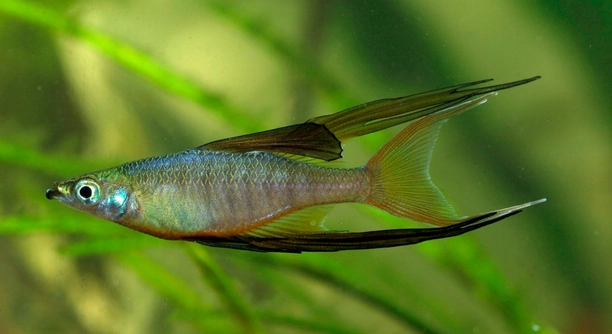
Have you ever tried keeping threadfin rainbowfish only to notice that their display does not look as vibrant or harmonious as expected? Their delicate beauty can sometimes be overshadowed when common mistakes disturb the balance of their tank.
Several factors can ruin a threadfin rainbowfish display, ranging from poor tank conditions to incompatible tank mates. Inadequate lighting, improper feeding, and overcrowding are among the most frequent causes. Addressing these issues is essential for maintaining both health and appearance.
From subtle missteps in maintenance to overlooked details in setup, each factor plays a role in shaping the overall display.
Overcrowding the Tank
Overcrowding is one of the biggest mistakes when keeping threadfin rainbowfish. These fish thrive in groups but need enough swimming space to display their graceful movements. When too many are placed in a small tank, stress levels rise quickly. Stress can make them lose color, weaken their immune system, and cause fights among tank mates. It also reduces the natural display of their flowing fins, making them look dull and less active. Giving them space helps them maintain their energy and health. A long, horizontal tank setup is ideal for allowing their elegant swimming style to shine.
Threadfin rainbowfish require at least a moderate-sized tank with open swimming areas. Crowding them with too many fish makes it difficult for them to maintain their natural behavior.
A properly stocked aquarium not only supports the well-being of the fish but also creates a more balanced and visually appealing display. Watching threadfins swim freely without stress highlights their natural beauty. Careful stocking decisions ensure the fish remain active, vibrant, and healthy. When their environment feels comfortable, the display becomes more enjoyable. By maintaining the right balance, you allow their stunning fins to show off in the way they are meant to, creating a lively centerpiece for your aquarium.
Incompatible Tank Mates
Threadfin rainbowfish are peaceful, but not all fish share their calm nature. Housing them with aggressive or fin-nipping species disrupts their display and causes unnecessary stress.
Fish like barbs or larger cichlids can quickly harm the delicate fins of threadfins. Once damaged, the fins may take time to recover, and the display loses its charm. Even semi-aggressive fish can create tension, leading to dull coloration and withdrawn behavior. Choosing calm and similarly sized companions is key. Ideal tank mates include small rasboras, peaceful tetras, and other non-aggressive rainbowfish species. A well-matched community tank allows threadfins to swim confidently and display their best colors. Creating harmony in their environment ensures both health and beauty. Selecting tank mates carefully is not just about preventing harm but also about bringing out the vibrant qualities that make threadfin rainbowfish such a pleasure to keep.
Poor Water Quality
Poor water quality quickly affects threadfin rainbowfish. Ammonia, nitrite, and nitrate levels that are too high will cause stress and illness. Cloudy water, algae growth, and foul odors are early warning signs that the aquarium is not balanced properly.
Clean, stable water conditions help threadfins maintain their vivid colors and delicate fins. Weekly partial water changes and a reliable filter system are essential. Overfeeding and letting debris build up at the bottom should be avoided. Testing the water regularly ensures you can act before problems become serious. Balanced water parameters give the fish a chance to thrive and display naturally.
Consistent care makes a big difference. Even small shifts in water chemistry can disrupt their health. Keeping the tank clean helps prevent diseases that weaken their immune systems. Clear water also highlights their shimmering fins, making the display look brighter. A healthy environment allows their natural beauty to show fully.
Incorrect Lighting
Lighting influences both the health and appearance of threadfin rainbowfish. Dim or inconsistent light dulls their colors, while overly bright light causes stress. A steady schedule helps keep them calm and allows their display to remain natural and attractive.
Good lighting should bring out their subtle iridescence without overwhelming them. LED fixtures are a popular choice, as they provide clarity without excess brightness. It is best to run lights on a timer, mimicking day and night cycles for stability. Avoid sudden changes in light, which can frighten them and reduce activity. Balanced lighting brings out their delicate features and helps them feel secure. Proper use of light not only enhances their beauty but also keeps them comfortable.
Improper Feeding
Feeding threadfin rainbowfish incorrectly can ruin their display. Overfeeding leads to excess waste and poor water quality, while underfeeding weakens their health. A balanced diet of small, varied foods helps them stay vibrant and active without unnecessary stress.
Low-quality food reduces coloration and fin health. Offering live or frozen foods alongside quality flakes or micro-pellets keeps their diet nutritious. Feeding small amounts multiple times a day prevents leftovers from spoiling the tank and supports their delicate structure.
Lack of Aquascaping
An empty or poorly designed tank leaves threadfin rainbowfish looking unsettled. They need plants, driftwood, or decorations to feel secure while swimming. The right aquascape also enhances their natural colors and allows their fins to shine against a beautiful backdrop.
Fluctuating Temperatures
Unstable temperatures make threadfins stressed and prone to illness. Sudden drops or rises affect their immune system and reduce their energy. Keeping the tank within a steady range supports both their health and the overall display.
FAQ
How many threadfin rainbowfish should be kept together?
Threadfin rainbowfish are schooling fish, and they feel more secure in groups. A minimum of six is recommended, though larger groups show off their colors and behavior more clearly. Keeping them in numbers reduces stress and creates a balanced display.
What tank size is best for threadfin rainbowfish?
A long tank of at least 20 gallons is suitable for a small group. They need horizontal swimming space rather than deep tanks. Larger tanks provide more stability in water quality, reduce territorial stress, and give room for aquascaping that highlights their delicate fins.
What water parameters do threadfin rainbowfish need?
They prefer soft to moderately hard water with a pH between 6.0 and 7.5. Temperature should stay steady between 75°F and 82°F. Consistency is important, as sudden changes weaken their health. Regular testing ensures the environment supports both appearance and activity.
Can threadfin rainbowfish live with other species?
Yes, but only with peaceful fish. Avoid aggressive or fin-nipping species that might damage their delicate fins. Ideal companions include small rasboras, tetras, corydoras, and other gentle rainbowfish. Choosing calm tank mates prevents stress and allows threadfins to swim confidently.
What should threadfin rainbowfish eat?
A varied diet of high-quality flakes, micro-pellets, and live or frozen foods is best. They enjoy daphnia, baby brine shrimp, and microworms. Small, frequent feedings throughout the day mimic their natural feeding habits and support their graceful energy.
How often should water changes be done?
Weekly partial water changes are important for keeping water clean and balanced. Changing around 25–30% each week helps control nitrates and reduces waste buildup. Clean water not only supports their health but also enhances the brightness of their shimmering fins.
Do threadfin rainbowfish need plants in their tank?
Yes, live or artificial plants provide comfort and security. Plants create shaded areas where threadfins feel safe and highlight their colors against natural green backgrounds. Floating plants also reduce harsh lighting and make them more comfortable, encouraging them to display freely.
Why are my threadfin rainbowfish losing color?
Loss of color usually comes from stress, poor water quality, or unsuitable tank mates. Inconsistent lighting or a poor diet also affects coloration. Correcting these issues by improving their environment and food helps restore their natural iridescence and lively behavior.
Are threadfin rainbowfish hard to breed?
Breeding can be challenging due to their delicate eggs and fry. They scatter eggs among plants, and the eggs may be eaten by adults. A separate breeding tank with fine plants or spawning mops helps protect the eggs and increases success.
How long do threadfin rainbowfish live?
With good care, they typically live for three to five years. Their lifespan depends on water quality, diet, and stress levels. Providing a stable and clean environment with proper nutrition ensures they stay active, healthy, and colorful for as long as possible.
Can threadfin rainbowfish tolerate fluctuations in temperature?
They are sensitive to changes. Even small shifts can weaken their immune system and cause stress. Using a reliable heater keeps conditions stable. Consistency in temperature is one of the most important aspects of maintaining their health and appearance.
What makes threadfin rainbowfish special in displays?
Their long, flowing fins and iridescent shimmer make them unique. Unlike many fish, they do not rely on bold colors alone but shine through their delicate movement and fin extensions. When given space and care, their display feels elegant and captivating.
Why do threadfin rainbowfish sometimes hide?
Hiding often means they are stressed. Causes include aggressive tank mates, poor lighting, or unstable water conditions. Ensuring a calm environment with safe spaces such as plants and driftwood helps them regain confidence and swim openly in the aquarium.
Can threadfin rainbowfish live in community tanks?
Yes, they can thrive in peaceful community setups. When combined with calm species, they display naturally and interact well. Community tanks with plants, open swimming areas, and proper lighting create harmony, allowing threadfins to stand out as graceful centerpiece fish.
Do threadfin rainbowfish need strong filtration?
They benefit from gentle filtration. Strong currents may overwhelm their delicate fins. A filter that provides clean water without harsh flow is ideal. Sponge filters or adjustable filters work best, keeping water healthy while maintaining a calm swimming environment.
Final Thoughts
Threadfin rainbowfish are delicate yet rewarding fish to keep, and their beauty is most visible when their needs are respected. They are not the type of fish that can thrive in any setup, and ignoring the details of their care quickly takes away from their natural display. Overcrowding, poor water quality, and the wrong choice of tank mates all lead to stress, which is the first sign that something in their environment is not right. Once they begin to lose color, hide more often, or show signs of frayed fins, the charm of the aquarium begins to fade. Taking time to create a clean, stable, and calm environment allows them to swim gracefully and show the shimmering details that make them such a special addition to a tank. Their care may seem demanding at first, but the results are well worth the effort.
Consistency is the most important part of keeping threadfin rainbowfish healthy and active. Stable water parameters, careful feeding, and proper lighting should be kept at the center of their care routine. Even small fluctuations can make them feel unsettled, so using a good heater, reliable filter, and testing water regularly helps prevent problems before they appear. Feeding small amounts of high-quality food several times a day rather than large portions keeps them active and reduces waste in the tank. Adding plants and natural decorations makes them feel safe while also enhancing the visual appeal of the display. These small steps are easy to overlook but make all the difference in keeping the fish stress-free and looking their best. Over time, the balance between care and design creates a display that feels complete and lively.
Threadfin rainbowfish are best appreciated when kept in groups where they can interact naturally. Watching a group glide together through plants and open spaces highlights their flowing fins in a way that a single fish never could. They thrive in harmony, surrounded by other gentle species, in a tank that has been thoughtfully arranged and carefully maintained. Their lifespan may not be as long as some other freshwater fish, but providing the right conditions ensures those years are full of color, activity, and health. The effort to maintain their display pays off not only in their well-being but also in the calm and beauty they bring to an aquarium. In the end, caring for threadfin rainbowfish is about balance, patience, and attention to detail, and when those are met, the reward is a display that feels both graceful and complete.

Hello,
If you enjoy the content that we create, please consider saying a "Thank You!" by leaving a tip.
Every little bit helps us continue crafting quality advice that supports the health, happiness, and well-being of pets around the world, for pets of all shapes, sizes, and species.
We really appreciate the kindness and support that you show us!