
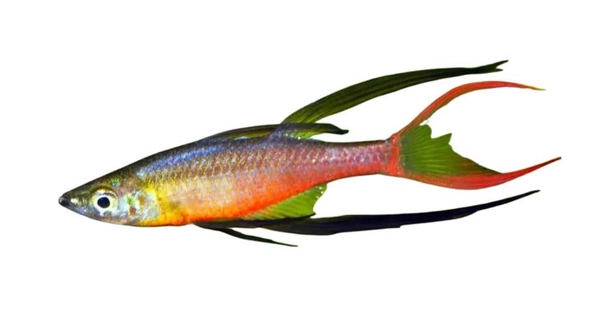
Do you ever notice how threadfin rainbowfish move in unison, gliding through the water with a kind of quiet grace? Their delicate fins and shimmering scales make them a striking addition to any home aquarium.
Threadfin rainbowfish possess a lateral line system that enables them to detect shifts in water pressure. This sensory adaptation allows them to respond to subtle environmental changes, aiding in navigation, schooling behavior, and predator avoidance within their habitat.
Learning about these unique abilities can help aquarists create a more comfortable environment for these fish, improving their overall health and wellbeing in captivity.
How Threadfin Rainbowfish Sense Their Surroundings
Threadfin rainbowfish rely on a lateral line system, a row of sensory organs along their body that detects changes in water movement and pressure. This system helps them sense vibrations, currents, and even the approach of nearby fish. In a tank, it allows them to react quickly to other fish moving around or sudden water flow changes. The lateral line is especially important when they swim in schools. By sensing subtle pressure shifts, they can coordinate their movements with other fish almost instinctively. This ability reduces collisions and helps maintain harmony within the group. In the wild, it also provides protection against predators, allowing them to detect approaching danger before it’s visible. Observing these fish can be fascinating because their reactions are often almost instantaneous, showing just how sensitive their lateral line truly is. Tank owners who understand this system can create a more stable and supportive environment for their fish.
The lateral line is their main tool for detecting subtle changes. It guides their movements and interactions efficiently.
Being aware of these sensory abilities is essential for maintaining a healthy aquarium. Water flow, tank layout, and other fish behavior can affect them more than many people realize. Providing gentle currents and avoiding sudden disturbances makes a noticeable difference in how comfortable and active they are. Even small adjustments, like repositioning decorations or managing water temperature, can influence their daily behavior. Observing them react to subtle changes highlights the sophistication of their sensory system and can deepen appreciation for these fish. Proper understanding ensures they remain healthy, stress-free, and engaged in their environment.
Creating the Ideal Tank Environment
A calm tank with gentle water flow supports the fish’s natural behaviors and reduces stress.
Temperature, water quality, and tank layout all play crucial roles in their wellbeing. Threadfin rainbowfish thrive in slightly acidic to neutral water and benefit from a tank that mimics their natural habitat, with plants, open swimming areas, and hiding spots. Maintaining stable water parameters is key, as sudden fluctuations can stress the fish and disrupt their schooling. Regular observation helps identify stress signs early, such as clamped fins or erratic swimming. Feeding routines should be consistent, offering a balanced diet to support energy for movement and growth. By considering their sensory abilities, owners can arrange plants and decorations to allow natural navigation while providing areas to retreat. Lighting should be moderate, simulating daylight patterns without overwhelming them. A well-thought-out tank environment enhances their ability to respond to subtle pressure changes naturally, ensuring they remain active, healthy, and display their full coloration over time.
Maintaining Water Quality
Regular water changes keep the tank clean and stable. Threadfin rainbowfish are sensitive to pollutants and sudden changes, so consistent maintenance is essential for their health and comfort.
Testing water parameters like pH, ammonia, nitrite, and nitrate levels ensures conditions stay within safe ranges. Stable water quality helps fish remain active, reduces stress, and supports proper growth. Using a reliable filter and avoiding overfeeding prevents excess waste buildup, which can harm the fish. Observing the fish daily can reveal subtle signs of water quality issues, such as unusual swimming patterns or faded colors, allowing quick adjustments.
Adding live plants and decorations can improve water quality naturally. Plants absorb nitrates, provide oxygen, and create gentle currents, supporting the fish’s lateral line system. Proper tank care ensures threadfin rainbowfish stay healthy, active, and display natural schooling behaviors, responding efficiently to water pressure changes while reducing stress and promoting long-term wellbeing.
Feeding and Nutrition
A balanced diet supports growth, coloration, and energy for movement. Threadfin rainbowfish benefit from a mix of high-quality flakes, pellets, and occasional live or frozen foods.
Variety in their diet ensures they receive essential proteins, fats, and vitamins for overall health. Feeding small amounts multiple times a day mimics natural feeding patterns and prevents overfeeding. Live foods like brine shrimp or daphnia stimulate natural hunting behaviors and provide enrichment. Plant-based options, such as spirulina flakes, support coloration and digestion. Observing how they respond to different foods can guide adjustments, ensuring each fish receives adequate nutrition.
Feeding routines also interact with their sensory systems. Gentle currents created during feeding allow the lateral line to detect movement and pressure, encouraging schooling and coordinated activity. Avoiding sudden food drops reduces stress and supports natural foraging behavior. Consistency in timing, food type, and portion size helps maintain healthy weight and vibrant appearance while promoting normal activity levels. A well-planned diet ensures threadfin rainbowfish remain energetic, healthy, and responsive in their environment.
Tank Companions
Threadfin rainbowfish are peaceful and do best with similarly sized, non-aggressive fish. Aggressive or overly large species can stress them, disrupting natural schooling behavior and causing color dulling.
Keeping them in groups of at least six helps them feel secure. Schooling reduces stress and encourages natural movement, allowing their lateral line to function effectively in detecting water shifts.
Lighting Considerations
Moderate lighting supports natural behavior and coloration without causing stress. Too bright or flickering lights can make fish hide and reduce activity, impacting their response to subtle water movements. Proper lighting also supports plant growth, which indirectly benefits water quality and creates gentle currents for sensory stimulation.
Observing Behavior
Watching threadfin rainbowfish swim and interact provides clues to their health and comfort. Sudden changes in movement or color may indicate stress or water quality issues. Regular observation allows timely adjustments to their environment, helping maintain a stable, safe habitat.
FAQ
How sensitive are threadfin rainbowfish to water pressure changes?
Threadfin rainbowfish are highly sensitive to subtle shifts in water pressure due to their well-developed lateral line system. This system detects vibrations and currents, allowing them to respond instantly to changes in their environment. In a home aquarium, even minor alterations in water flow can trigger noticeable adjustments in their swimming patterns. This sensitivity helps them stay coordinated while schooling and avoid potential hazards, such as sudden movements from other fish or water disturbances caused by equipment. Maintaining stable conditions ensures they remain relaxed and active, highlighting their natural behaviors.
Can sudden water flow stress threadfin rainbowfish?
Yes, sudden increases in water flow can stress these fish. Strong currents may cause erratic swimming or force them to cling near tank edges, which can lead to exhaustion over time. Gradually adjusting water flow and avoiding abrupt changes supports their comfort and overall wellbeing.
Do threadfin rainbowfish respond to other fish movements?
Absolutely. Their lateral line system allows them to sense nearby fish, even without direct visual contact. This ability ensures synchronized schooling, reducing collisions and improving coordination. In mixed-species tanks, calmer companions help maintain natural behavior patterns.
How often should I monitor water conditions for these fish?
Daily observation of temperature, pH, and clarity is recommended. Weekly testing for ammonia, nitrites, and nitrates helps catch potential issues early. Consistency in monitoring prevents stress and allows timely interventions before water changes or maintenance are required.
What feeding techniques help maintain their health?
Feeding small portions multiple times a day mimics natural foraging. A mix of high-quality flakes, pellets, and occasional live or frozen foods provides essential nutrients. Observing which foods they prefer ensures that all fish receive adequate nutrition without overfeeding, which can impact water quality.
Can decorations affect their ability to sense water pressure?
Yes. Dense or poorly placed decorations can alter water currents, limiting the lateral line’s effectiveness. Leaving open swimming areas while providing plants or hiding spots allows them to navigate naturally and respond appropriately to pressure shifts.
Do they need schooling for proper sensory function?
Schooling is crucial. Being in a group of at least six helps them practice coordinated movement and ensures the lateral line system remains active. Isolation may reduce responsiveness, causing stress and erratic swimming behaviors.
Are there signs of stress related to pressure changes?
Signs include clamped fins, hiding, erratic swimming, or loss of color vibrancy. These behaviors often indicate the fish are struggling to adapt to environmental disturbances. Correcting water flow, tank layout, or companion placement can alleviate stress.
How do temperature and water chemistry affect their sensory abilities?
Stable temperature and pH are essential. Sudden shifts can reduce the lateral line’s sensitivity and make fish less responsive to currents or schooling cues. Maintaining consistent conditions supports natural behaviors and overall health.
Can tank size influence their response to water pressure?
Yes. Small or overcrowded tanks can create turbulent areas, confusing their lateral line system. A sufficiently large tank with open swimming zones allows them to detect currents properly and coordinate with their group effectively.
How long does it take them to adapt to new tanks?
Acclimation usually takes several days to a week. Gradual introduction of water conditions and gentle adjustments in flow and temperature helps them adapt without excessive stress. Observing their movement and schooling behavior can indicate successful adaptation.
Do lighting and plant placement impact their sensing abilities?
Moderate lighting supports normal activity without overwhelming the fish. Plants and decorations should create gentle currents rather than block natural flow, allowing the lateral line system to function efficiently. Plants also improve water quality, indirectly supporting their sensory health.
Is it necessary to adjust tank maintenance based on their lateral line sensitivity?
Yes. Avoid sudden water changes or aggressive filtration adjustments. Gentle, regular maintenance helps maintain stable conditions, allowing their lateral line to operate normally and reducing stress-related behaviors.
Can they detect changes caused by human activity near the tank?
They can. Movement around the tank, tapping, or water disturbance from hands can trigger responses. Minimizing sudden activity near the tank keeps them calm and reduces unnecessary stress, ensuring they continue to display natural behaviors.
Do these sensory abilities change as they age?
Mature fish maintain strong lateral line sensitivity, but younger fish may take longer to respond accurately to water currents. Providing consistent care and a stable environment supports their sensory development and overall wellbeing.
Are there ways to enhance their natural sensing abilities?
Maintaining stable water conditions, providing a moderate current, and keeping them in proper groups encourages natural use of the lateral line. Avoiding stressors like aggressive tank mates or sudden disturbances helps them remain alert and responsive.
How important is schooling versus individual observation for aquarists?
Both are essential. Observing individual behavior can reveal early signs of stress, while supporting proper schooling ensures the lateral line system functions optimally. Together, these practices promote a healthier, more active fish population.
Do they react to vibrations outside the tank?
Yes. Loud noises, footsteps, or nearby equipment can create vibrations detectable by their lateral line. Minimizing such disturbances helps maintain calm swimming and natural behavior patterns within the aquarium.
Can overfeeding affect their sensory responses?
Overfeeding can increase waste and alter water flow, indirectly affecting their lateral line function. Maintaining portion control and a consistent feeding schedule supports both water quality and natural sensory activity.
What signs show that water quality adjustments are working?
Fish will swim smoothly, school in unison, display vibrant coloration, and respond appropriately to currents. Consistent observation of these behaviors confirms that their environment is supporting both sensory and overall health.
How does tank shape influence pressure detection?
Rectangular tanks with open swimming areas allow more consistent currents, helping the lateral line detect changes efficiently. Irregular layouts or crowded spaces can create turbulence, reducing their ability to navigate naturally.
Can stress from poor water quality affect their lifespan?
Yes. Chronic stress from unstable conditions can weaken immune systems, reduce growth, and shorten lifespan. Maintaining stable, clean water is crucial for long-term health and normal sensory functioning.
How quickly do they respond to changes in flow or pressure?
Threadfin rainbowfish can react almost instantly to changes, adjusting speed, direction, or position within the school. This rapid response highlights the efficiency of the lateral line system and its importance in both safety and coordination.
Are there compatible species that won’t disrupt their sensory system?
Peaceful, mid-sized schooling fish are ideal. Aggressive or territorial species create sudden movements and turbulence, which can stress rainbowfish and interfere with natural schooling and lateral line responses.
Do plants improve both water quality and sensory stimulation?
Yes. Plants absorb excess nutrients, oxygenate water, and create gentle currents. These currents allow fish to practice natural lateral line sensing, while the improved water quality supports overall health and reduces stress.
Is frequent observation necessary for early detection of problems?
Yes. Daily observation helps identify subtle behavioral changes, color fading, or schooling disruptions. Early detection allows adjustments to water, flow, or tank setup, ensuring optimal conditions for sensory function and overall wellbeing.
Do lateral line abilities vary between individual fish?
Slight variations exist, but all threadfin rainbowfish rely on the lateral line for movement and coordination. Observing individual responses can help aquarists identify fish needing extra care or adjustments in tank conditions.
How important is a stable feeding routine for sensory health?
Consistent feeding reduces stress, supports energy levels, and maintains water quality. Fish in stable conditions can use their lateral line more effectively for schooling and responding to currents without being distracted by irregular food availability.
Can water temperature swings impair their lateral line function?
Sudden temperature changes can reduce responsiveness and cause stress. Gradual adjustments and stable conditions ensure their sensory system continues functioning efficiently, allowing normal coordination and predator awareness.
Do they interact differently in crowded tanks?
Crowding can disrupt schooling, increase competition, and create chaotic currents. This environment stresses the lateral line system, causing erratic swimming, hiding, or reduced coloration. Adequate space is essential for normal behavior.
Are older fish more resilient to environmental changes?
Mature fish are generally more stable but can still be stressed by sudden changes in water flow, quality, or tank layout. Maintaining consistent conditions supports health and preserves sensory function throughout their lifespan.
How does schooling behavior influence lateral line development in young fish?
Being in a group allows young rainbowfish to learn coordinated movements and practice responding to water shifts. This experience strengthens lateral line sensitivity and prepares them for long-term survival and social interaction within the tank.
Do vibrations from aquarium equipment affect their behavior?
Continuous vibrations from pumps or filters can be sensed by their lateral line. Ensuring equipment runs smoothly and quietly minimizes unnecessary stress and promotes calm, natural swimming patterns.
Can lateral line stress cause feeding problems?
Yes. If fish are stressed due to strong currents or turbulence, they may avoid food or eat irregularly. Adjusting flow and providing a calm feeding area encourages normal foraging behavior.
Do lighting schedules impact their activity?
Consistent lighting supports natural rhythms, encouraging active schooling and exploration. Sudden changes or overly bright light can cause hiding, which reduces lateral line use and limits natural movement within the tank.
How can aquarists test if lateral line function is normal?
Observing coordinated schooling, reactions to gentle water movements, and responses to nearby fish are indicators. Healthy fish should adjust smoothly to changes without erratic swimming or panic behavior.
What is the best way to reduce stress during maintenance?
Perform gradual water changes, avoid tapping the tank, and make small adjustments to flow and decorations. This approach keeps lateral line activity natural and minimizes disruptions to their behavior.
Do all threadfin rainbowfish react the same way to disturbances?
Individual temperament varies slightly, but the majority respond similarly to changes in water pressure and currents. Monitoring their behavior helps aquarists provide tailored care to ensure all fish remain healthy and active.
Can lateral line health affect breeding success?
Yes. Fish with strong sensory function coordinate better during courtship and schooling. Stress from poor conditions or disrupted sensory input can reduce breeding behavior and overall reproductive success.
Are there long-term effects of ignoring water pressure sensitivity?
Ignoring this need can lead to chronic stress, decreased coloration, erratic swimming, and susceptibility to disease. Maintaining stable flow, schooling groups, and calm environments ensures long-term health and natural behavior patterns.
How do gentle currents benefit their physical fitness?
Moderate water movement encourages swimming and strengthens muscles. It allows lateral line practice, supports cardiovascular health, and promotes natural schooling, keeping the fish active, alert, and fit.
Do these fish adapt to varying tank setups over time?
They can adapt gradually, but sudden changes in flow, layout, or water chemistry create stress. Slow adjustments and stable conditions allow them to acclimate while maintaining normal lateral line function.
How important is spacing in a community tank for their sensing abilities?
Adequate spacing prevents turbulence and overcrowding. It allows coordinated schooling and accurate response to subtle water pressure changes, reducing stress and supporting natural movement.
Can aquarists simulate natural currents effectively?
Yes. Using gentle filters or flow pumps and observing fish reactions can create realistic currents. Properly simulated conditions encourage natural behaviors, activating their lateral line and promoting healthy swimming patterns.
Do lateral line abilities decline with illness?
Illness or poor water quality can reduce responsiveness. Maintaining optimal conditions and monitoring health ensures the lateral line continues functioning efficiently, supporting normal movement, schooling, and feeding behaviors.
How can owners minimize stress from tank maintenance?
Performing water changes slowly, using quiet equipment, and avoiding sudden movement near the tank helps reduce stress. These practices allow fish to remain active and responsive, preserving natural lateral line activity.
Are certain substrates better for lateral line function?
Smooth substrates reduce turbulence and allow consistent currents. Rough or heavily decorated tanks can create unpredictable water movement, making it harder for fish to navigate and coordinate effectively.
Does diet influence energy for sensory response?
A balanced diet provides the energy needed for swimming, schooling, and responding to currents. Proper nutrition ensures the lateral line system functions efficiently and supports overall health.
Can temperature control devices affect lateral line sensitivity?
Devices that create strong localized currents or sudden temperature shifts can temporarily confuse the lateral line. Gradual adjustments and gentle flow maintain natural sensory responses.
Do they respond to surface disturbances?
Yes. Ripples from feeding or water changes can be detected, prompting adjustments in swimming or schooling. Minimizing sudden surface disturbances keeps them calm and supports normal behavior.
How do seasonal changes in light or temperature affect them?
Gradual seasonal changes are manageable, but rapid shifts can stress the fish and reduce lateral line responsiveness. Maintaining consistency within reasonable ranges ensures ongoing comfort and activity.
Are lateral line issues reversible with improved care?
Yes. Stabilizing water quality, flow, and tank layout can restore normal schooling and swimming behaviors. Fish regain responsiveness once stressors are removed, supporting overall health and longevity.
How can small aquariums be optimized for their sensory needs?
Even small tanks can provide gentle currents, open swimming spaces, and proper schooling groups. Avoiding overcrowding and excessive decorations ensures the lateral line system functions effectively, keeping fish healthy and active.
Do they react differently in planted versus bare tanks?
Planted tanks create gentle currents and hiding spots, which support lateral line use and reduce stress. Bare tanks may have fewer disturbances but offer less enrichment, which can affect natural behaviors over time.
Can aquarists measure lateral line sensitivity directly?
There is no simple home test, but careful observation of schooling, swimming patterns, and reaction to gentle water movements indicates proper function. Any irregularities may signal stress, illness, or environmental issues.
Are juvenile and adult responses the same?
Juveniles may take longer to coordinate with the group and react to currents. Adults typically display quicker, more synchronized movements, showing fully developed lateral line function.
Can stress from tankmates override lateral line signals?
Aggressive or fast-moving companions can cause panic responses, disrupting schooling and interfering with normal lateral line use. Maintaining peaceful tankmates ensures optimal sensory performance and calm behavior.
Do they rely solely on the lateral line for navigation?
No. Vision and other senses complement the lateral line, but this system is critical for detecting pressure changes, coordinating schooling, and avoiding obstacles, especially in low-light or crowded conditions.
How do sudden water level changes affect them?
Rapid changes in water level alter pressure and flow patterns, which can confuse the lateral line and cause temporary stress. Gradual adjustments help maintain stability and normal behavior.
Can they recover from chronic lateral line stress?
With consistent care, stress reduction, and stable conditions, fish can regain proper schooling behavior, normal swimming, and responsiveness. Recovery may take several days to weeks, depending on severity.
Do lighting direction or reflection impact behavior?
Strong reflections or direct bright light can cause hiding or erratic swimming. Indirect, moderate lighting encourages normal schooling and allows the lateral line to function effectively.
Are there signs of over-stimulation of the lateral line?
Constant turbulence, rapid currents, or crowded conditions can lead to erratic swimming, fatigue, or hiding. Reducing these stressors restores normal responsiveness and comfort.
Can older tanks affect lateral line function differently than new tanks?
Older, established tanks often have more stable conditions and natural water flow patterns. New tanks may create uneven currents or pressure changes until decorations settle and filtration stabilizes.
How does water hardness influence pressure sensing?
Extreme hardness or softness can affect swim comfort and movement. Moderate, stable water hardness allows smooth swimming, enabling the lateral line to detect subtle shifts accurately.
Do changes in dissolved oxygen impact their behavior?
Low oxygen levels can reduce activity, slow swimming, and interfere with schooling. Maintaining proper aeration and water circulation supports normal lateral line function and overall health.
Is lateral line sensitivity hereditary?
While all threadfin rainbowfish have the system, slight variations in responsiveness may exist between individuals. Genetics play a minor role compared to environmental stability and care.
Do tank rearrangements affect lateral line use?
Yes. Moving decorations or plants changes water flow and pressure patterns. Gradual rearrangement allows fish to adjust without excessive stress, keeping schooling and swimming normal.
Can multiple small disturbances be as stressful as one large one?
Repeated minor disturbances can accumulate, causing chronic stress. Consistent, gentle maintenance routines minimize disruption and support proper lateral line activity.
Are there indicators that schooling size is too small?
Smaller groups may swim erratically, fail to coordinate, or display higher stress. Keeping at least six fish helps maintain normal lateral line function and social behavior.
Do they respond differently in filtered versus unfiltered water?
Filtered water provides stable flow and removes waste, supporting comfortable movement and lateral line use. Unfiltered tanks can create unpredictable currents and stress, impacting behavior and health.
How important is tank depth for pressure detection?
Depth influences how currents and water movement interact. Moderate depth allows sufficient vertical space for swimming while maintaining gentle currents for lateral line stimulation.
Can lateral line issues cause uneven schooling?
Yes. Fish unable to sense subtle pressure changes may fall out of formation, bump into others, or swim irregularly. Correcting flow and reducing stress restores coordinated schooling.
Does feeding location affect schooling behavior?
Dispersing food evenly encourages group movement and natural foraging, activating the lateral line. Concentrated feeding spots can create turbulence or competition, increasing stress.
Are there seasonal changes in behavior related to lateral line use?
Slight variations may occur with temperature or daylight changes, but stable tank conditions reduce seasonal impact, maintaining normal schooling and responsiveness.
Do stress-reducing plants improve lateral line function?
Yes. Plants provide gentle currents, hiding areas, and visual markers, supporting natural sensory use while reducing anxiety from sudden environmental changes.
How do aquarists know if lateral line recovery is complete?
Coordinated schooling, smooth swimming, and normal response to currents indicate proper function. Any erratic movements suggest ongoing stress or environmental issues needing attention.
Can lateral line stress affect social hierarchy?
Yes. Stressed fish may be excluded from schooling or forced into hiding. Stable conditions and peaceful tankmates help maintain social balance and effective sensory use.
Does regular tank cleaning impact lateral line sensitivity?
Proper, gradual cleaning minimizes stress and preserves water stability, allowing the lateral line to operate efficiently. Abrupt cleaning or heavy water changes can temporarily disrupt behavior.
Do fish show preference for certain flow patterns?
They often favor areas with moderate currents that allow easy swimming while activating the lateral line. Strong turbulence or stagnant zones may reduce activity or cause hiding.
Are lateral line issues reversible in overcrowded tanks?
Yes, if density is reduced and flow stabilized. Overcrowding creates turbulence and stress, but adjusting numbers and tank layout restores schooling and natural responses.
Do lateral line responses vary during feeding versus resting?
During feeding, fish actively use their lateral line to detect food and coordinate movement. At rest, sensitivity remains but activity is reduced, allowing them to conserve energy while still responding to disturbances.
**Can lateral
Threadfin rainbowfish are delicate and active fish that bring life and color to an aquarium. Their lateral line system is one of their most important features, allowing them to sense changes in water pressure and movement. This system helps them navigate their environment, avoid obstacles, and stay coordinated while swimming in schools. Understanding this ability is key to providing a healthy and stable environment for them. Small adjustments in water flow, tank layout, and maintenance routines can make a significant difference in how these fish behave and how comfortable they feel in their space. Observing their swimming patterns, reactions to currents, and schooling behavior gives a clear indication of whether they are thriving or experiencing stress.
Maintaining stable water conditions is essential for their health and sensory function. Consistent temperature, pH, and water quality ensure that the lateral line system works efficiently and that the fish remain active and alert. Sudden changes in water flow or chemistry can confuse or stress them, leading to erratic swimming, hiding, or reduced coloration. Tank companions, lighting, and decorations also play a role in their wellbeing. Choosing peaceful fish, providing moderate lighting, and arranging plants or structures to allow open swimming areas supports their natural behavior. Gradual adjustments rather than abrupt changes help threadfin rainbowfish adapt without disrupting their schooling or lateral line function, making the tank a safer and more comfortable home.
Feeding routines and diet also affect their overall health and activity. A balanced diet of flakes, pellets, and occasional live or frozen foods provides the energy needed for swimming and schooling. Feeding small amounts multiple times a day mimics natural foraging and reduces stress. Overfeeding or creating strong currents during feeding can affect water quality and disturb the lateral line system. By paying attention to these details, aquarists can ensure their threadfin rainbowfish remain vibrant, coordinated, and responsive. With consistent care, a suitable tank environment, and thoughtful observation, these fish can live healthy, active lives, displaying the full beauty of their movements and colors while safely responding to the subtle shifts in their aquatic world.

Hello,
If you enjoy the content that we create, please consider saying a "Thank You!" by leaving a tip.
Every little bit helps us continue crafting quality advice that supports the health, happiness, and well-being of pets around the world, for pets of all shapes, sizes, and species.
We really appreciate the kindness and support that you show us!