
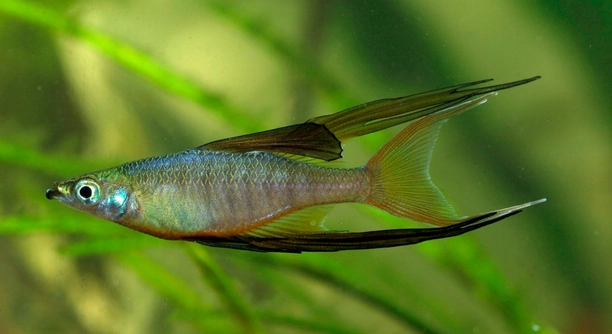
Threadfin are sensitive fish that can react noticeably when introduced to a new environment. Their routines, feeding habits, and social interactions may shift, making it important for owners to observe them closely during this period of adjustment.
After a move, threadfin behavior changes due to stress, adaptation to new surroundings, and altered environmental cues. Adjustments in swimming patterns, feeding responses, and social interactions are common, reflecting the species’ need to establish comfort and stability in unfamiliar conditions.
Recognizing these behavioral shifts early helps ensure threadfin remain healthy and adapt smoothly to their new home environment. Observing them closely reveals insights into their adjustment process.
Changes in Swimming Patterns
Threadfin often alter their swimming patterns after a move. Some may become more hesitant, staying close to corners or hiding, while others may explore more actively. These changes are normal reactions to a new environment and reflect their attempts to understand their surroundings. Observing these patterns provides insight into how comfortable the fish feels. Stress can make them swim erratically or linger near the surface. Lighting, water flow, and tank layout can influence movement. Consistent monitoring helps identify if behavior returns to normal or if adjustments are needed. Gradually, most threadfin will resume regular swimming routines as they acclimate.
Tracking these patterns ensures their adaptation is on schedule and highlights areas in the tank that may need modification.
Swimming changes often indicate both stress and adaptation. For example, a fish that hides excessively may require calmer areas, while one that explores immediately may be less affected by the move. Feeding time can also influence swimming; some threadfin may circle slowly near the food, whereas others dart energetically. Water temperature and quality contribute to these patterns, affecting energy levels and movement. By providing a stable environment and observing interactions, owners can gauge comfort levels. Over time, threadfin generally normalize their swimming as they establish familiarity with their new home, indicating successful adjustment.
Altered Feeding Behavior
Threadfin may eat less or show selectivity after relocation.
Feeding changes result from stress, uncertainty, or adaptation. Some fish may reject certain foods temporarily, while others may compete more aggressively during feeding times.
Monitoring feeding behavior is essential for maintaining health. Gradual reintroduction of familiar foods helps reduce stress. Observing how much and how often they eat provides clues about their comfort and adjustment. Food timing and consistency can encourage normal eating patterns. In some cases, minor changes to diet texture or presentation can stimulate appetite. Patience is key; most threadfin regain regular feeding habits within a week or two, reflecting successful adaptation to their new tank environment.
Changes in Social Interactions
Threadfin may become more reserved or assertive with tank mates after moving. Some will stay isolated, while others attempt to establish dominance quickly.
Social dynamics shift as fish adjust to the new environment. Those that were previously shy may explore more, whereas confident fish might show heightened territorial behavior. Observing interactions helps determine if aggression or stress is temporary or requires intervention. Over time, a stable hierarchy usually forms, allowing all fish to coexist comfortably.
Maintaining consistent tank conditions supports smoother social adaptation. Water quality, hiding spots, and feeding routines influence how threadfin interact. Providing adequate space reduces conflicts, while ensuring everyone receives food prevents competition-related stress. Watching these interactions closely allows for timely adjustments, encouraging a peaceful tank atmosphere.
Response to Environmental Changes
Threadfin respond strongly to new tank conditions, including lighting, water flow, and temperature.
Environmental changes can trigger immediate reactions such as hiding, rapid swimming, or increased alertness. Even minor alterations in water chemistry can affect behavior, making consistent monitoring essential. Gradual adjustments help fish acclimate without excessive stress. Noticing subtle cues, like fin clamping or reduced activity, can indicate discomfort or adaptation needs. Maintaining stable conditions reduces prolonged stress and supports overall well-being.
Providing an environment that mimics their previous habitat encourages quicker adaptation. Structured hiding spots, consistent feeding, and stable lighting patterns allow threadfin to regain normal routines. Observing their responses over several days helps assess whether changes are beneficial. Adjusting flow rates, temperature, or light intensity in small increments supports their comfort, ensuring they feel secure while settling into the new tank.
Increased Hiding
Threadfin often seek shelter more frequently after a move. Rocks, plants, and corners become safe zones.
Hiding helps them feel secure while they adjust. Over time, they usually spend less time secluded as confidence returns.
Changes in Activity Levels
Some threadfin may become unusually energetic, swimming more than usual, while others may appear lethargic. Stress, adaptation, and environmental factors influence these variations. Consistent observation and stable conditions help determine whether behavior is temporary. Adjusting feeding schedules and monitoring water quality supports normalization of activity patterns.
Altered Vocalizations
Threadfin may make more or fewer sounds following relocation, reflecting stress or communication changes. Monitoring these cues provides insight into their comfort and adjustment progress.
What should I do if my threadfin is hiding excessively after a move?
Excessive hiding is a natural response to a new environment. Make sure your tank has enough hiding spots, like plants, rocks, or decorations, so the fish feels secure. Avoid sudden movements near the tank and maintain stable water conditions. Over time, the fish will explore more as confidence grows. Consistent feeding and minimal disruption encourage gradual adjustment.
Why has my threadfin’s feeding behavior changed?
Changes in feeding are common after relocation. Stress can make threadfin reluctant to eat, or they may become pickier with food. Offer familiar foods and maintain a regular feeding schedule. If appetite does not return after a week, check water quality and ensure the tank environment matches their previous habitat. Gradual reintroduction of favorite foods can help.
Is it normal for my threadfin to be more aggressive with tank mates?
Yes, aggression can appear after a move. Fish may establish new hierarchies or feel territorial in unfamiliar surroundings. Ensure the tank provides enough space and hiding areas to reduce conflicts. Observe interactions and separate individuals if aggression becomes extreme. Over time, social balance usually stabilizes as fish acclimate.
How can I tell if my threadfin is stressed from the move?
Signs of stress include hiding, clamped fins, erratic swimming, loss of appetite, and changes in coloration. Monitor behavior closely and maintain stable conditions. Stress can also make fish more susceptible to illness, so keeping water clean and providing a calm environment is essential for recovery.
What changes in activity levels should I expect?
Threadfin may become more active or unusually lethargic after a move. Some explore constantly to understand their new environment, while others stay still to conserve energy. Track their daily patterns, provide consistent feeding times, and ensure the tank conditions support normal activity. Activity levels typically normalize within a few days to weeks.
Why does my threadfin’s swimming pattern look different?
Altered swimming can indicate adaptation to new surroundings or temporary stress. Fish may stay near corners, swim erratically, or explore more than usual. Observe for other stress signals, like changes in feeding or hiding. Adjust lighting, water flow, and tank layout if necessary, and provide a calm environment for gradual normalization.
What should I do if my threadfin refuses food for several days?
First, check water quality and temperature to ensure optimal conditions. Offer familiar foods and try smaller, more frequent feedings. Remove uneaten food to prevent water issues. If the fish still refuses to eat after a week, consult a professional for possible health concerns. Gradual acclimation usually restores appetite.
Can environmental changes affect my threadfin’s vocalizations?
Yes, threadfin may change the frequency or intensity of sounds after relocation. Increased or decreased vocalizations can reflect stress, communication attempts, or comfort levels. Observing these changes helps gauge adaptation and indicates whether the tank environment needs adjustment, such as modifying lighting, water flow, or providing more hiding spots.
How long does it take for threadfin to fully adapt to a new tank?
Adaptation varies but generally takes one to two weeks. Factors include tank size, water stability, presence of other fish, and stress levels. Providing a calm, consistent environment with familiar food and adequate hiding spaces speeds up the adjustment process. Regular observation helps identify issues early and supports smoother acclimation.
Are there any signs that adaptation is complete?
Threadfin that resume normal feeding, swimming patterns, and social interactions have likely adapted. Hiding decreases, activity levels stabilize, and aggression subsides. Their coloration returns to normal, and they interact confidently with tank mates. Observing these changes confirms a successful transition and ensures long-term health in the new environment.
What can I do to prevent future stress during moves?
Prepare the tank before moving by ensuring water parameters are stable. Transport fish in appropriate containers with minimal disturbance. Provide hiding spots and avoid sudden environmental changes after relocation. Maintaining routine feeding, water quality, and gentle handling reduces stress and supports a smoother adjustment for threadfin in their new home.
Is it normal for behavior to fluctuate during adaptation?
Yes, fluctuations in swimming, feeding, and social behavior are common. Fish may alternate between hiding and exploring or eat inconsistently. Monitor daily, maintain stable conditions, and allow time for natural acclimation. Gradual stabilization indicates that the threadfin is becoming comfortable and adjusting well to its environment.
Threadfin are sensitive fish that can show noticeable changes after a move. Their swimming patterns, feeding habits, social behavior, and response to the environment may all shift as they adjust to their new home. Observing these behaviors closely is important because it allows you to understand how comfortable the fish is in its surroundings. Stress, even if temporary, can affect their health, so noticing signs early helps prevent potential problems. By paying attention to their actions, such as hiding more than usual or altering swimming routines, you can make small changes to the tank environment that encourage a smoother adaptation process. Simple adjustments like providing hiding spots, maintaining stable water conditions, and keeping consistent feeding schedules can make a significant difference.
Adaptation to a new environment takes time, and each threadfin may respond differently. Some fish may become more active, exploring every corner of the tank, while others may stay secluded for longer periods. Feeding behavior may also vary, with some fish eating normally and others becoming hesitant or selective. Social interactions with other tank mates can shift as hierarchies are reestablished, which may result in temporary aggression or increased avoidance. Environmental factors, including water flow, lighting, and temperature, play a major role in how quickly threadfin adjust. Providing a calm and consistent setting allows them to gradually regain confidence, return to normal routines, and resume healthy behaviors. By carefully monitoring these changes and intervening only when necessary, you support the fish’s natural adaptation without causing additional stress.
Maintaining patience throughout this period is essential. Sudden or drastic changes can prolong stress and make adjustment more difficult. Consistency in feeding, water quality, and tank layout is key to helping threadfin feel secure and stable. Over time, most fish will show improvements in activity, feeding, social behavior, and general comfort within their new environment. Understanding their responses and being attentive to subtle signs of stress or discomfort ensures long-term health and wellbeing. Providing a supportive environment not only allows threadfin to settle in successfully but also helps you develop a better understanding of their needs and behavior patterns. This careful observation and thoughtful care create a balanced, healthy environment where threadfin can thrive and return to their usual routines.

Hello,
If you enjoy the content that we create, please consider saying a "Thank You!" by leaving a tip.
Every little bit helps us continue crafting quality advice that supports the health, happiness, and well-being of pets around the world, for pets of all shapes, sizes, and species.
We really appreciate the kindness and support that you show us!