
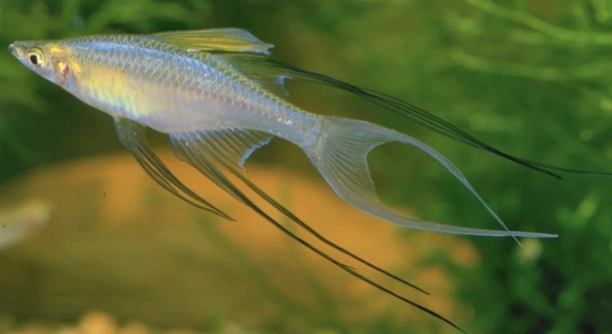
Threadfins are fascinating fish often seen swimming in tight, circular patterns. Observing them move this way can be surprisingly calming, yet it may also leave you wondering why they behave in such precise formations.
Threadfins sometimes swim in tight circles as a method of social coordination and foraging efficiency. This behavior helps maintain group cohesion, enhances communication within schools, and assists in herding prey or avoiding predators in their aquatic environment.
Learning more about these movements reveals patterns that are both practical and intriguing, showing a deeper side to the behavior of these elegant fish.
Reasons Threadfins Swim in Circles
Threadfins often swim in tight circles to coordinate their movements with other fish. This behavior helps them stay together as a group, making it easier to navigate through the water. Circling can also help them locate food more effectively. When they move in patterns, they can herd small prey into a concentrated area. Predators may find it harder to target a single fish when they are in synchronized groups. Observing them in shallow waters shows how their fins create currents, guiding nearby prey toward them. These circular patterns are also part of their natural communication. Fish use movement and position to signal others about safety or danger. Swimming in circles can indicate that a group is alert and responsive to changes in the environment. It’s not random; it’s a practical and instinctive behavior that increases survival. Each movement contributes to the school’s overall efficiency and stability.
The circular swimming helps threadfins maintain group coordination and avoid predators while improving their chances of catching prey.
This behavior can also reflect environmental factors. Threadfins respond to water currents, light, and the presence of other species. In some cases, swimming in circles may be more prominent when food is abundant, as it allows fish to gather efficiently. Stress or changes in water temperature can also influence their movements. Observing their patterns over time can reveal much about the ecosystem. Aquarists often notice that when threadfins are in captivity, circular swimming indicates comfort and adaptation to their surroundings. The patterns are not just instinctive but also adaptive, showing intelligence in response to conditions. These movements, when studied carefully, provide insights into feeding strategies, predator avoidance, and social interactions. Understanding why they move this way highlights the complexity of aquatic life. Every swirl and turn has a purpose, even if it looks simple at first glance.
Environmental Influence on Threadfin Behavior
Environmental factors, such as current and light, greatly affect how threadfins swim. Changes in conditions can make their circling more pronounced or subtle.
Water temperature, clarity, and prey availability all influence circular swimming. Threadfins adapt their movements to navigate effectively, ensuring access to food and safety. In areas with strong currents, they may circle more frequently to maintain position. Clear water allows them to see both prey and predators, reinforcing their coordinated swimming. In murkier waters, the patterns may slow, conserving energy and reducing risk. Seasonal changes in food supply also affect how often they engage in this behavior. Observing these adaptations shows how flexible and responsive threadfins are to their environment. Their circling is a mix of instinct and real-time adjustment to surroundings, making it a reliable indicator of habitat conditions and the dynamics within their aquatic communities.
How Threadfins Communicate Through Movement
Threadfins use circling as a form of communication within their schools. The patterns signal safety, alert others to prey, and coordinate group movements efficiently. Circling helps maintain social structure and ensures that all members respond to environmental changes in unison.
This movement allows threadfins to synchronize feeding efforts and avoid predators more effectively. By circling together, they can herd smaller fish into tighter areas, making hunting easier and more efficient. The signals sent through their positions and fin movements are subtle but critical. Each fish adjusts its speed and direction based on neighbors, creating a coordinated and responsive school. This communication method reduces the risk of isolation and increases overall survival rates. Observing these patterns reveals the sophistication of their social behavior, showing that their seemingly simple circling has a clear functional purpose.
Circling also reflects the individual’s alertness and responsiveness. Fish that lag behind or fail to follow the pattern may be more vulnerable. Maintaining consistent movement indicates good health and awareness. This behavior can also influence how the group reacts to sudden changes, such as a predator’s approach. Over time, consistent circling strengthens the school’s cohesion, making it a stable and resilient unit in dynamic environments.
Seasonal Changes Affecting Circling Behavior
Threadfins may adjust circling frequency and patterns depending on seasonal variations in temperature, food, and predator activity. Changes in conditions directly affect their swimming habits and social coordination.
During warmer months, increased prey availability encourages more frequent and tighter circling. Threadfins take advantage of abundant food by moving in coordinated loops to trap prey efficiently. Predation risk can also rise in certain seasons, prompting schools to circle more tightly for protection. Cooler months may see slower, less frequent movements as metabolism decreases. Environmental shifts like changing currents, water clarity, or vegetation also influence their swimming patterns. By adapting circling behavior to seasonal factors, threadfins maximize energy efficiency while maintaining safety and access to resources. Their movements provide insight into environmental pressures and resource distribution.
Predators and Threadfin Circling
Circling helps threadfins reduce individual risk from predators. By moving together in tight loops, they make it harder for predators to single out one fish.
This behavior also allows them to monitor threats quickly. Changes in the group’s movement signal potential danger, prompting a rapid response that keeps the school safe and coordinated.
Feeding Strategies
Threadfins often circle to herd small prey into concentrated areas. This method increases hunting efficiency and ensures that all members of the school get access to food. Coordinated circling allows them to exploit limited resources effectively, while reducing wasted effort in chasing scattered prey.
Observing Threadfin Patterns
Watching threadfins circle reveals subtle differences between individuals. Some lead, some follow, creating a dynamic but stable social structure that supports the school’s survival.
FAQ
Why do threadfins swim in circles instead of straight lines?
Threadfins circle to stay coordinated with the school and maintain group cohesion. Moving in loops allows them to herd prey efficiently and stay alert to predators. Straight-line swimming can separate individuals, making them more vulnerable. Circling ensures everyone moves together safely.
Do all threadfins in a school circle at the same speed?
No, individual fish adjust their speed depending on their position in the school. Some lead, while others follow closely, maintaining a balance that keeps the school synchronized. Variations in speed help manage energy and allow smooth coordination during feeding or avoiding threats.
Is circling behavior related to feeding?
Yes, circling is a primary feeding strategy. Threadfins often herd smaller fish or invertebrates into tighter groups, making it easier to catch food. Coordinated movement increases hunting efficiency and reduces wasted energy, benefiting the entire school.
Can environmental changes affect circling patterns?
Absolutely. Water temperature, current strength, and prey availability all influence how threadfins circle. Warmer water with abundant prey can lead to tighter, more frequent circling, while cooler water or scarce food slows their movement and reduces coordination intensity.
Do predators influence circling behavior?
Yes, circling acts as a defensive tactic. Tightly grouped circles confuse predators and reduce the risk to any one fish. If a predator approaches, changes in the circle’s speed or shape signal the school to respond quickly and maintain safety.
Does circling help with social structure?
It does. Circling allows threadfins to communicate through movement. Fish signal alertness, feeding success, or danger by adjusting their position and speed within the loop. This subtle communication reinforces group stability and ensures that the school can react collectively to changing conditions.
Do captive threadfins circle the same way as wild ones?
Yes, but patterns may differ slightly. In aquariums, circling indicates comfort and adaptation to the environment. Fish may circle less tightly if space is limited or if food is evenly distributed. Observing captive behavior can provide insight into their natural instincts.
Are younger threadfins better at circling than older ones?
Younger fish may learn circling more quickly, but older fish usually take the lead in coordination. Experience helps them anticipate group movements and predator threats, maintaining efficiency. The combination of youth and experience keeps the school balanced and adaptive.
How long do threadfins typically maintain circular patterns?
Circling duration varies with purpose. During feeding, they may circle for extended periods to capture prey efficiently. In response to predators, circling may be shorter and more intense, designed to quickly protect the school. Environmental factors also determine how long the patterns persist.
Can circling behavior indicate stress or health issues?
Yes, irregular or disrupted circling can signal stress, illness, or poor water conditions. Fish that lag or fail to maintain the pattern may be weaker or unwell. Regular observation helps identify potential problems early, ensuring the school’s overall health and safety.
Does circling improve energy efficiency?
It does. Coordinated movement reduces individual effort by taking advantage of currents created by other fish. Following the flow of the group allows threadfins to conserve energy while maintaining speed and agility, which is essential for feeding and predator avoidance.
Do threadfins circle differently in shallow versus deep water?
Yes, depth can influence movement. In shallow areas, circling may be tighter due to limited space, while in deeper water, loops may be larger and more spread out. Fish adjust their behavior based on available space and visibility to optimize feeding and safety.
Is circling behavior unique to threadfins?
No, other schooling fish exhibit similar patterns. However, threadfins are notable for the precision and consistency of their circular swimming. Studying them provides a clear example of how movement supports social structure, feeding, and survival in aquatic environments.
Can observing circling patterns help understand the ecosystem?
Yes, patterns reflect environmental conditions, prey availability, and predator presence. Consistent observation allows researchers and aquarists to gauge habitat health, resource distribution, and the adaptability of the species to changing conditions, providing a broader understanding of aquatic ecosystems.
Are there variations in circling between different threadfin species?
Yes, species differences affect loop size, speed, and group coordination. Some species circle more tightly during feeding, while others focus on predator avoidance. These variations highlight the adaptability of threadfins to specific habitats and ecological niches, showing that behavior is influenced by both instinct and environment.
Do threadfins ever break the circle for individual purposes?
Occasionally, an individual may leave the group briefly to investigate food or escape minor threats. However, the majority quickly adjusts to maintain cohesion, demonstrating the importance of circling for overall safety and efficiency.
Can human activity impact circling behavior?
Yes, changes like water pollution, boat traffic, and fishing can disrupt circling. Stressful conditions may lead to erratic patterns, reduced coordination, or even abandonment of circular movement, highlighting the sensitivity of threadfins to their environment.
How can aquarists encourage natural circling in captivity?
Providing sufficient space, clean water, and appropriate prey encourages threadfins to circle naturally. Observing and mimicking environmental conditions from their natural habitats supports normal behavior, ensuring the fish remain healthy and socially active.
Does circling have long-term benefits for threadfins?
Yes, it strengthens social bonds, improves feeding success, and enhances predator avoidance. Over time, consistent circling maintains the school’s cohesion, stability, and overall survival, making it a critical aspect of their daily life.
Are circling patterns the same throughout the day?
No, activity levels vary. Feeding times often see more intense circling, while resting periods involve slower, less frequent loops. Light levels, water conditions, and prey activity all influence the timing and intensity of circling behavior.
Do all members of a school participate equally in circling?
Participation varies by role. Leaders often guide the movement, while others follow and adjust. Some individuals may remain on the periphery, contributing less to the loop but maintaining vigilance for predators, creating a balanced and efficient group structure.
Can circling behavior be used to identify individual fish?
Subtle differences in swimming style, position preference, and response timing can help observers distinguish individuals within a school. While patterns are coordinated, attentive observation reveals unique traits that indicate health, experience, and personality.
How does circling influence mating or reproductive behavior?
Circling may indirectly support reproduction by maintaining group cohesion and health. Healthy, well-coordinated schools ensure better access to food and safety, which in turn supports reproductive success and the overall vitality of the population.
Does circling behavior change with water clarity?
Yes, in clear water, fish can maintain tighter, more precise loops because visual cues are easier to follow. In murkier water, patterns may loosen, and coordination relies more on movement sensing and proximity to neighbors.
Are threadfins more likely to circle in groups of a certain size?
Medium to large schools exhibit the most consistent circling, as the behavior relies on group interaction. Small groups may circle less predictably, and very large schools can form complex patterns with multiple overlapping loops, adapting to the number of individuals.
Does circling ever become chaotic or disorganized?
Disturbances, such as sudden predator attacks or environmental stress, can temporarily disrupt circling. However, threadfins are quick to reorganize, showing the resilience of their social structure and the adaptive nature of their behavior.
How long have scientists known about threadfin circling?
Observations date back decades, with detailed studies emerging in recent years. Research continues to reveal the functional and social importance of circling, providing insights into their feeding strategies, communication, and ecological role in aquatic systems.
Can circling patterns be modeled or predicted?
Yes, biologists use mathematical models to study threadfin movement. These models simulate energy efficiency, predator avoidance, and feeding strategies, helping researchers understand how individual behavior contributes to school dynamics and survival strategies.
Do circling patterns differ between freshwater and saltwater environments?
Threadfins primarily inhabit saltwater, but in brackish conditions, circling may adjust due to changes in prey distribution, current strength, and habitat complexity. Behavior remains adaptive, reflecting environmental pressures rather than fixed routines.
Are there any benefits to humans from observing circling threadfins?
Yes, studying circling patterns informs aquaculture practices, conservation strategies, and ecosystem monitoring. Understanding their behavior can guide habitat preservation, improve fish welfare in captivity, and reveal broader ecological trends that affect multiple species.
Do threadfins ever form temporary sub-groups within circles?
Sometimes, smaller clusters emerge within the larger loop, usually around abundant food or in response to minor threats. These temporary formations allow flexible responses without disrupting the overall cohesion of the school.
Can circling behavior indicate reproduction readiness?
Indirectly. Healthy, coordinated circling suggests a stable school environment, which supports reproductive success. Strong schools with consistent behavior are more likely to provide favorable conditions for mating and raising offspring.
How sensitive are threadfins to changes in their circling environment?
Highly sensitive. Even slight changes in current, water quality, or predator presence can alter circling intensity, speed, and pattern. Their quick adaptation demonstrates a refined ability to respond to environmental cues while maintaining social structure.
Are there seasonal shifts in circling behavior?
Yes, seasonality affects food availability, temperature, and predator pressure. Threadfins adjust the frequency, tightness, and duration of circling to match environmental conditions, optimizing energy use and safety throughout the year.
Does circling help threadfins during migration?
Yes, coordinated movement during migration ensures the school stays together over long distances. Circling maintains communication, supports energy efficiency, and reduces predation risk during travel through unfamiliar or challenging habitats.
Can observing circling behavior help with species identification?
Patterns, speed, and group dynamics provide clues to species type. While not definitive alone, combined with physical traits and habitat knowledge, circling behavior helps differentiate threadfin species and understand their ecological adaptations.
Do threadfins always return to the same circling patterns?
Patterns can vary based on environmental conditions and group composition. While some consistency exists, flexibility is key, allowing schools to respond effectively to changing prey, predators, and water conditions.
Is there a connection between circling and learning in threadfins?
Yes, young fish learn from following experienced members. Circling teaches coordination, feeding strategies, and predator avoidance, showing that behavior is both instinctive and reinforced through observation and participation.
How long does it take for a new school member to adapt to circling?
Adaptation varies with age and experience. Young fish often learn quickly, while older individuals may take longer to synchronize. Social interaction, observation, and repeated practice ensure smooth integration into the school’s patterns.
Are there differences in circling behavior between males and females?
Differences are subtle. While both sexes participate equally in feeding and predator avoidance, males may take more active roles during social displays or breeding periods, slightly influencing their position and movement within the circle.
Does circling influence energy expenditure compared to random swimming?
Yes, coordinated circling reduces individual effort. By following currents generated by neighbors, threadfins conserve energy while maintaining speed and agility, making this behavior more efficient than uncoordinated, random swimming in terms of both hunting and predator avoidance.
Can circling behavior be observed at night?
Yes, though patterns may slow and become less precise due to reduced visibility. Threadfins rely more on sensing movement and proximity to neighbors rather than visual cues, maintaining cohesion while adjusting intensity to low-light conditions.
Are there long-term studies on threadfin circling?
Several studies track behavior across seasons and years, revealing insights into feeding strategies, social structure, and environmental responses. Long-term observation helps understand adaptations, school stability, and the ecological significance of circling.
Do threadfins show preference for specific locations to circle?
Yes, areas with abundant prey or safer conditions are preferred. Schools may select zones with optimal water flow, visibility, and shelter, ensuring effective feeding and reduced predation risk. Choice of location reflects environmental awareness and survival strategy.
Can circling patterns predict changes in the ecosystem?
Patterns act as indicators of prey abundance, predator activity, and water quality. Shifts in circling intensity, frequency, or cohesion can reveal subtle ecological changes, providing early warnings for researchers monitoring aquatic health.
Does circling influence reproduction timing?
Indirectly, by maintaining group health and energy efficiency. Stable, well-fed schools with coordinated behavior provide better conditions for mating, ensuring that reproductive activities occur in safe and resource-rich environments.
Are threadfins capable of teaching circling behavior to younger fish?
In a sense, yes. Young fish learn by observing and following experienced members. Circling behavior spreads through imitation, ensuring that survival strategies and feeding techniques are passed to the next generation.
Does circling behavior vary between freshwater and brackish habitats?
Yes, adjustments occur based on prey distribution, water clarity, and predator presence. While the basic behavior remains, loops may tighten or loosen depending on environmental pressures, showing flexibility across different habitat types.
Can circling behavior help identify environmental stressors?
Yes, irregular patterns, slower movement, or disorganized loops often indicate stress from pollution, temperature changes, or predator pressure. Monitoring behavior provides insight into habitat conditions and overall fish welfare.
Do threadfins ever switch from circling to other movement patterns?
Yes, circling is situational. When threats are minimal, or feeding is complete, schools may disperse or swim in straighter lines. This flexibility demonstrates the adaptive nature of their behavior to meet current needs.
Is circling behavior genetically influenced?
Partially. Instinct drives initial coordination, but learning and experience refine the patterns. Genetic predisposition ensures basic survival behavior, while environmental interaction shapes precise execution and adaptability.
How quickly do threadfins adjust circling when conditions change?
Adjustments are rapid. Changes in predator presence, prey concentration, or water currents trigger almost immediate modifications in speed, loop size, or cohesion, showing high responsiveness and awareness within the school.
Are there risks associated with circling behavior?
Minimal, but tight loops can occasionally lead to collisions, especially in confined spaces. Overall, the benefits—predator avoidance, feeding efficiency, and social coordination—far outweigh the minor risks.
Does circling behavior ever include other species?
Yes, threadfins sometimes coordinate movements near compatible species, particularly when hunting shared prey or avoiding common predators. Inter-species interactions are subtle but demonstrate the adaptability of circling behavior in mixed communities.
Can circling patterns indicate health problems?
Disrupted or inconsistent circling may reveal illness, injury, or stress. Fish that lag, spin irregularly, or fail to respond to the school’s movement should be observed closely to ensure proper health and care.
Do threadfins adjust circling during extreme weather?
Yes, storms or rapid temperature changes prompt tighter, more protective loops. Fish slow their movements and increase cohesion, reducing risk and conserving energy until conditions stabilize.
How important is circling for survival?
Circling is crucial. It supports feeding, predator avoidance, social cohesion, and energy efficiency, directly impacting the school’s overall survival and long-term success in their habitat.
Can humans replicate circling behavior in artificial environments?
Yes, careful habitat design, space allocation, and prey placement can encourage natural circling. Aquarists and researchers use these methods to maintain health, observe social interactions, and support natural behaviors in captivity.
Does circling influence fish growth or development?
Indirectly. Coordinated feeding ensures adequate nutrition for all members, supporting growth. Reduced stress from predator avoidance and efficient energy use also contributes to healthier development, particularly for younger fish.
Are there differences in circling based on age groups within the same school?
Yes, older fish may lead or maintain consistent loops, while younger fish follow and learn. This balance supports school cohesion and ensures knowledge transfer across generations.
Does circling ever occur outside of feeding or predator situations?
Yes, it can happen during migration, social interaction, or territory exploration. Circling reinforces cohesion and communication, serving multiple functional purposes beyond immediate survival.
Can circling patterns reveal individual personalities?
Subtle variations in speed, position preference, and responsiveness can indicate individual tendencies. Some fish consistently take leadership roles, while others remain cautious or peripheral, showing diversity within the school.
Do threadfins ever abandon circling completely?
Rarely, except under extreme stress, illness, or environmental disruption. Abandoning circling generally signals a serious issue, as it removes many survival advantages provided by coordinated movement.
Is circling behavior consistent across generations?
Yes, basic patterns are passed down, with learning from elders refining technique. While each generation adapts to current conditions, the underlying behavior remains a stable and essential survival strategy.
Can observing circling help with fish conservation?
Yes, monitoring circling behavior provides insight into population health, habitat quality, and resource distribution. Understanding patterns aids in designing effective conservation and management strategies for threadfins and similar schooling species.
How does circling compare to other schooling behaviors?
Circling is specialized for coordination, feeding, and predator avoidance. While other patterns like straight-line movement or milling occur, circling uniquely combines communication, efficiency, and protection, highlighting the adaptability of threadfins in their environment.
Do threadfins modify circling for group size changes?
Yes, the loop size and cohesion adjust depending on school size. Smaller schools may have looser circles, while larger groups form multiple overlapping loops to maintain coordination and efficiency.
Does circling affect oxygen consumption?
Circling can optimize energy expenditure, indirectly influencing oxygen use. Coordinated movement reduces unnecessary effort, allowing threadfins to maintain activity levels efficiently without excessive respiratory strain.
Are there seasonal variations in circling intensity?
Yes, intensity increases during feeding seasons or predator-heavy periods and decreases when conditions are stable. Seasonal adjustments reflect adaptive responses to maximize efficiency and survival.
Can circling indicate reproductive readiness?
Indirectly, as coordinated, healthy schools create optimal conditions for mating. Fish in strong, cohesive groups are better positioned for successful reproduction.
Do threadfins exhibit circling behavior in captivity as naturally as in the wild?
Yes, given sufficient space, environmental enrichment, and proper feeding. Natural circling indicates adaptation, health, and well-being, even in artificial environments.
Does circling help threadfins during migration?
Yes, it ensures group cohesion, energy efficiency, and predator avoidance during long-distance movement, maintaining safety and coordination throughout the travel period.
Are circling patterns affected by human activity?
Yes, disturbances like pollution, noise, and boat traffic can disrupt loops, reduce cohesion, and stress the school. Observing changes helps identify environmental impacts on behavior.
Do threadfins ever change circling direction?
Yes, direction changes can signal threats, shifts in prey
Threadfins are remarkable fish, and their habit of swimming in tight circles is much more than a random quirk. These movements serve practical purposes that are crucial for their survival. Circling helps maintain group cohesion, making it difficult for predators to single out an individual. It also allows them to herd prey efficiently, giving each member of the school better access to food. Observing these patterns in the wild or in captivity highlights how instinct and environmental awareness come together to guide their behavior. Every swirl and loop is a coordinated effort, showing that threadfins are highly responsive to their surroundings and the presence of other fish around them.
The behavior also plays a key role in communication within the school. Fish use their position, speed, and movement to send signals to each other, whether it is about nearby threats or the location of food. Younger fish often learn how to navigate these patterns by following more experienced members, which helps them integrate into the social structure of the group. Even small changes in circling can reflect environmental conditions such as water temperature, prey availability, or predator activity. In this way, the fish are not just moving randomly; they are constantly adapting to their environment in real time. Circling patterns give the school flexibility while keeping it coordinated, allowing them to survive and thrive in both stable and challenging conditions.
Circling also provides insights for humans observing threadfins. By paying attention to these movements, researchers, aquarists, and hobbyists can better understand fish behavior, health, and adaptation. Patterns can indicate whether a school is comfortable, stressed, or responding to environmental changes. In captivity, maintaining space, water quality, and appropriate feeding conditions encourages natural circling, supporting the fish’s well-being. In the wild, these movements show the interplay between survival instincts, social behavior, and environmental pressures. Threadfins demonstrate that even behaviors that seem simple at first glance have a complex and important purpose. Their circling is a combination of instinct, learning, and adaptation, making it a fascinating example of how fish interact with each other and with their surroundings. Observing these patterns provides not only an appreciation for their behavior but also practical knowledge about how to support their health and survival.

Hello,
If you enjoy the content that we create, please consider saying a "Thank You!" by leaving a tip.
Every little bit helps us continue crafting quality advice that supports the health, happiness, and well-being of pets around the world, for pets of all shapes, sizes, and species.
We really appreciate the kindness and support that you show us!