
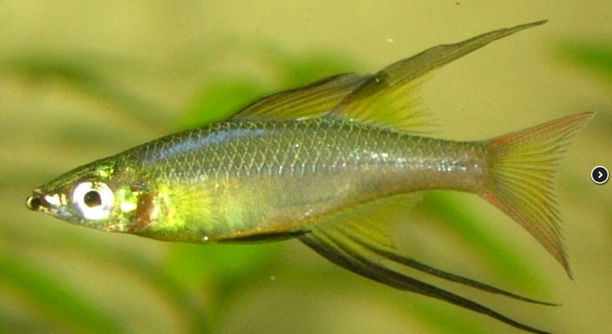
Have you ever noticed your threadfins swimming slower than usual during cold days? Their movements may seem hesitant, and they might cluster together more tightly than normal, trying to cope with sudden temperature drops in their environment.
When the heater fails, threadfins usually reduce activity, seek warmer pockets of water, and huddle together to conserve energy. This behavior helps maintain basic metabolic functions and minimizes stress until the water temperature stabilizes.
Understanding these responses can help you provide better care and prevent stress-related issues for your threadfins. Observing them closely is essential for maintaining their well-being.
How Threadfins Adjust Their Movement
When the heater stops working, threadfins often slow down considerably. Their usual gliding and darting movements become more deliberate, and they may hover near the middle or bottom of the tank where water tends to retain slight warmth. Clustering together is a natural response to conserve energy and maintain body heat. Even in small tanks, these fish instinctively find areas where water feels marginally warmer, reducing unnecessary swimming. Over time, if the temperature remains low, they may show signs of lethargy, reduced feeding, and minimal interaction with tank decorations. Watching them closely can help you recognize these subtle changes early. Light activity, such as short swims between hiding spots or gentle surface movements, indicates they are coping reasonably well. Providing temporary warmth through localized heating or covering part of the tank can support their adaptation. Maintaining clean water and avoiding sudden disturbances helps reduce stress further, making their adjustment smoother.
Threadfins rely heavily on water temperature to regulate metabolism. Their slowed activity is a protective mechanism during cooler conditions.
When a heater fails, observing how threadfins move gives insight into their stress levels. Some may stop swimming entirely, staying near rocks or plants. Others might cluster in groups, sharing warmth through body contact. In this period, feeding should be moderated because lower temperatures slow digestion. Supplementary heating sources, like warm water additions or portable aquarium heaters, can temporarily stabilize conditions. Avoid drastic temperature changes, as rapid warming can shock the fish and cause health issues. Keeping lights on a regular schedule can also help them maintain a sense of routine. Monitoring water quality becomes even more important because slower swimming reduces circulation, which may lead to uneven oxygen distribution. Noting behavior changes, such as sudden darting or excessive hiding, is crucial to prevent secondary problems like fungal infections. A calm environment supports recovery while the main heater is repaired.
Feeding and Care Adjustments
During heater failure, threadfins’ appetite may decrease. Feeding smaller portions ensures they can digest comfortably without stress.
It is important to adjust feeding routines when temperatures drop. Threadfins digest food more slowly in cooler water, and overfeeding can lead to uneaten waste, which can pollute the tank. Offering highly digestible foods, like soft pellets or finely chopped protein, reduces strain on their systems. Timing meals during the warmest part of the day encourages consumption. Avoid frequent feeding, and remove leftovers promptly to maintain water quality. Observation is key—if they show no interest in food, do not force feeding, as this can create more problems. Lightly stirring water or gently moving food near them can stimulate mild curiosity and encourage eating.
When care routines adapt to changing temperatures, threadfins can maintain health even during heater outages. Adjusting feeding, monitoring behavior, and providing temporary warmth all contribute to reducing stress. Temperature fluctuations affect metabolism, so keeping the environment as stable as possible helps the fish conserve energy. Water quality becomes more critical because slower swimming reduces natural circulation. Ensuring proper filtration and removing debris promptly prevents harmful buildup. Creating hiding spots allows fish to regulate their exposure and feel secure. Light schedules and minimal disturbances help them retain normal behavior. Overall, thoughtful care during heater failure supports recovery and keeps threadfins active and healthy once normal temperatures return.
Monitoring Water Quality
Cold water slows circulation, making water quality even more important. Check ammonia, nitrite, and nitrate levels daily to prevent stress or illness among threadfins.
Lower temperatures can reduce the effectiveness of biological filtration. Uneaten food and waste may accumulate faster than normal, causing spikes in harmful chemicals. Frequent water testing allows you to detect these changes early and take corrective action. Partial water changes with slightly warmed, dechlorinated water help maintain stability without shocking the fish. Avoid sudden large water changes, as threadfins are sensitive to rapid temperature shifts. Gentle filtration adjustments, like reducing flow if the water is colder, can keep the environment safer. Observing fish behavior alongside water parameters gives a complete picture of their well-being. Maintaining clean substrate and removing visible debris supports overall tank health, making recovery easier while the heater is offline.
Keeping the tank clean and monitoring water chemistry prevents complications during heater failure, helping threadfins stay healthy.
Adjusting filtration and removing waste carefully ensures the tank environment remains stable. Slow changes protect the fish while supporting metabolism.
Temporary Heating Solutions
Small portable heaters or warm water additions can stabilize temperature without creating extremes. Careful monitoring is essential to avoid shocks.
Using temporary heating methods requires caution. Slowly introducing warmed water or employing a low-wattage heater near the cooler zones helps maintain comfort without stressing threadfins. Avoid placing heaters directly where fish gather, as sudden heat can cause rapid reactions or burns. Observe their behavior to ensure they are not clustering too tightly or avoiding certain areas. Regularly check temperature to maintain a safe, consistent range. Even short-term solutions should aim for gradual stabilization, mimicking natural warmth as much as possible. Maintaining a calm, minimally disturbed environment enhances the effectiveness of these temporary measures.
Localized warmth reduces stress and encourages normal activity. These solutions give threadfins time to adjust while the main heater is repaired.
Gradual and controlled heating helps maintain metabolism and digestion. Careful placement and monitoring prevent temperature extremes, supporting overall fish health.
Observing Social Behavior
Threadfins often cluster together when the heater fails, sharing warmth naturally. Watching these patterns helps gauge their comfort and stress levels.
Changes in interaction can indicate temperature issues. Reduced chasing or schooling suggests the fish are conserving energy and adjusting to cooler water.
Adjusting Lighting
Lowering light intensity can reduce stress. Soft lighting helps threadfins feel more secure and encourages calmer movement during heater outages.
Providing dimmer light mimics cooler, natural conditions. It prevents sudden activity spikes and helps fish conserve energy. Maintaining a consistent day-night cycle supports normal behavior even with temperature fluctuations.
Temporary Hiding Spots
Adding extra decorations or plants gives threadfins safe areas. They use these to regulate exposure and feel secure.
Hiding spots reduce stress, encourage calmer behavior, and allow fish to maintain stable body temperatures. Regular observation ensures they are using these spaces effectively.
FAQ
How long can threadfins tolerate cooler water?
Threadfins can handle slightly lower temperatures for short periods, usually a few hours to a day, depending on how cold the water gets. Prolonged exposure to cold water slows metabolism, reduces feeding, and increases stress, which can affect overall health if not addressed quickly.
What signs show that threadfins are stressed from cold?
Lethargy, clustering tightly, reduced appetite, and minimal swimming are common signs. Some may hover near warmer areas or hide more than usual. Rapid gill movement or sudden darting may indicate discomfort or low oxygen levels. Observing these behaviors early helps prevent more serious problems.
Can I feed threadfins normally during heater failure?
Feeding should be reduced and adjusted. Cold water slows digestion, so smaller, easily digestible meals are best. Remove uneaten food promptly to maintain water quality. Avoid overfeeding, as leftover food can cause ammonia spikes and further stress the fish.
Are temporary heaters safe to use?
Yes, if used carefully. Low-wattage portable heaters or gradually warmed water additions help maintain comfort without sudden temperature shifts. Avoid placing heaters where fish gather, and always monitor the temperature to prevent overheating or thermal shock.
Should I do water changes during a heater outage?
Partial water changes can help maintain quality, but temperature differences should be minimal. Slowly adding slightly warmed, dechlorinated water prevents sudden stress. Avoid large or rapid changes, as they can shock threadfins and worsen health issues.
How can I encourage normal activity?
Provide hiding spots, maintain calm lighting, and keep the tank environment stable. Gentle movement of food or mild water circulation may prompt light swimming, but avoid forcing activity. Let the fish adjust at their own pace.
Do I need to adjust filtration during cold periods?
Yes. Lower temperatures reduce circulation, so reducing filter flow slightly can prevent strong currents from stressing fish. Maintain cleanliness and remove debris manually to compensate for slower natural filtration processes.
What if a threadfin stops eating entirely?
If appetite loss persists beyond a day or two, check water quality and temperature. Ensure there is no rapid temperature change or buildup of harmful chemicals. Sometimes offering small amounts of highly digestible food during warmer periods encourages feeding.
How often should I monitor the tank?
Daily observation is essential. Check water parameters, temperature, fish behavior, and general tank conditions. Early detection of stress or environmental changes allows for timely interventions and prevents long-term health problems.
Can I mix different care strategies?
Yes, combining temporary heating, adjusted feeding, dimmed lighting, and added hiding spots supports threadfins effectively. Monitoring behavior and water quality ensures each approach works without causing unintended stress. Each strategy complements the others to maintain comfort and health.
How quickly should I repair or replace the heater?
Repair or replacement should be done as soon as possible. Prolonged exposure to cold water increases risks of illness or long-term stress. Temporary measures are useful short-term, but a functional heater is essential for stable, healthy conditions.
What long-term effects can heater failure have?
Extended periods of cold can weaken immunity, slow growth, and reduce activity. Stress may make threadfins more prone to infections. Quick action and careful monitoring help minimize these effects and ensure the fish recover fully once normal temperatures return.
Are all threadfins equally sensitive to temperature changes?
No, individual fish may react differently. Younger or weaker fish are more vulnerable, while mature, healthy fish may tolerate short cold spells better. Observing each fish’s behavior helps identify those needing extra attention or intervention.
Can I prevent stress if another heater failure occurs?
Yes, planning ahead helps. Keep backup heaters, monitor water quality regularly, and have a small supply of slightly warmed water ready. Familiarity with your threadfins’ behavior and responses allows for faster, more effective care during unexpected temperature drops.
Final Thoughts
Threadfins are delicate fish that depend heavily on stable water temperatures. When a heater fails, their first response is to slow down and conserve energy. They may gather together or hover in areas where water is slightly warmer. These behaviors are natural and help them survive short-term cold periods. Paying close attention to their activity, feeding habits, and general behavior gives important clues about how well they are coping. Even small changes, like reduced swimming or hesitancy to explore the tank, can indicate stress. By noticing these signs early, it is easier to take steps to support the fish and prevent further complications. Threadfins rely on their environment to regulate body functions, so any change in temperature can affect metabolism and energy levels.
Providing temporary solutions, like portable heaters or adding slightly warmed water, can help maintain comfort until the main heater is fixed. Adjusting lighting and creating safe hiding spots also reduces stress and encourages calmer behavior. Feeding should be moderated because slower metabolism means digestion takes longer in colder water. Small, easily digestible meals are best, and leftover food should be removed promptly to avoid water quality problems. Observing water chemistry is equally important because lower temperatures can slow filtration and circulation. Testing for ammonia, nitrites, and nitrates ensures that the tank remains safe for the fish. Even small interventions, when combined, make a noticeable difference in keeping threadfins healthy during a heater outage.
Once the main heater is repaired or replaced, it is important to restore the tank gradually. Sudden temperature increases can shock the fish, so aim for slow, steady adjustments. Maintaining clean water, monitoring behavior, and keeping feeding routines consistent helps threadfins return to normal activity. Over time, they will resume regular swimming patterns and feeding habits. Understanding their natural responses to temperature changes allows for better care in the future. Taking these precautions not only helps threadfins survive temporary heater failures but also supports long-term health and well-being. Consistent observation and thoughtful care are key to ensuring they thrive in their environment, even when unexpected problems occur.

Hello,
If you enjoy the content that we create, please consider saying a "Thank You!" by leaving a tip.
Every little bit helps us continue crafting quality advice that supports the health, happiness, and well-being of pets around the world, for pets of all shapes, sizes, and species.
We really appreciate the kindness and support that you show us!