
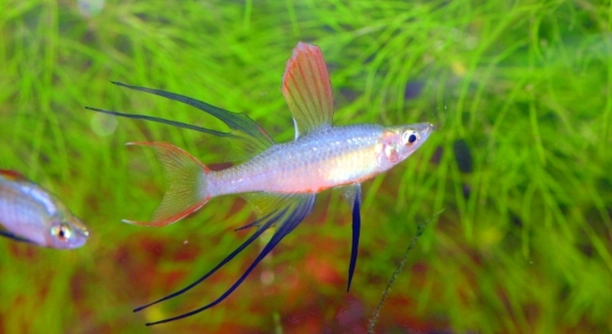
Many aquarists enjoy keeping threadfin rainbowfish for their shimmering colors and active behavior. These fish, however, can be sensitive to certain sounds in their environment, which may cause unexpected stress or agitation.
Threadfin rainbowfish are particularly affected by sudden or continuous loud noises, vibrations from household appliances, tank equipment, or environmental disturbances. Identifying and minimizing these sound sources is essential for maintaining their well-being and promoting a calm aquatic habitat.
Understanding how sound impacts your fish helps create a peaceful tank environment. Small adjustments can make a big difference in their overall health and comfort.
Loud Household Appliances
Household appliances such as washing machines, vacuum cleaners, and blenders can produce vibrations and noise that reach your aquarium. Even if the tank is in another room, the hum and sudden bursts of sound may stress threadfin rainbowfish. These fish have sensitive hearing, and constant exposure to mechanical noises can increase their heart rate and trigger erratic swimming. Placing the aquarium on a padded surface and moving noisy machines further away helps reduce the impact. It is also helpful to run appliances when the fish are less active, usually during the day if your tank is in a living space. Over time, minimizing these sound disturbances can make a noticeable difference in their behavior and overall health, keeping them calmer and more vibrant. Paying attention to these environmental factors ensures the fish remain comfortable and less prone to stress-related illnesses.
Appliances create vibrations that threadfin rainbowfish can sense. Reducing noise exposure is important for their daily comfort and health.
Noise from regular household equipment may seem harmless, but it can disrupt the natural rhythm of your fish. Vibrations travel through floors and walls, startling the fish unexpectedly. Prolonged exposure may lead to stress behaviors such as hiding, loss of appetite, or increased aggression among tank mates. By monitoring when appliances run and using noise-dampening strategies, you can create a more peaceful environment. Even simple steps like placing the tank away from high-traffic areas or using mats to absorb vibration can significantly improve their well-being. Consistent attention to minimizing household noise ensures your rainbowfish stay active, healthy, and display their best colors. Small adjustments in daily routines protect their comfort without requiring major changes in your home setup.
Nearby Construction or Road Noise
Threadfin rainbowfish are sensitive to low-frequency vibrations caused by construction work or heavy traffic. Loud and continuous noise can increase stress levels and affect feeding habits.
Construction or road noise produces vibrations that penetrate walls and floors. These disturbances can disrupt fish behavior, causing them to hide or swim erratically.
Ongoing construction projects or heavy traffic nearby can have a lasting effect on aquarium life. Threadfin rainbowfish detect vibrations through the water, interpreting them as threats, which triggers stress responses. Even moderate noise levels can make them skittish, reducing their appetite and interaction with tank mates. Long-term exposure may weaken their immune systems and affect growth. To protect your fish, try moving the aquarium to a quieter room, adding sound-absorbing materials around the tank, or adjusting feeding schedules to times when external noise is lower. Maintaining a calmer environment helps fish feel secure, encouraging normal swimming patterns and social behavior. Monitoring these external factors allows you to proactively reduce stress and support the overall health of your aquatic pets.
Tank Equipment Malfunctions
Malfunctioning filters, air pumps, or heaters can produce unexpected noises that disturb threadfin rainbowfish. Humming, rattling, or gurgling sounds from faulty equipment can increase stress and disrupt their swimming patterns.
Regular maintenance of tank equipment is essential to keep noise levels low. Filters should be cleaned frequently, air pumps checked for vibrations, and heaters monitored for unusual sounds. Even minor irregularities can be sensed by rainbowfish, causing them to hide or display nervous behaviors. Properly secured equipment prevents unnecessary rattling, and replacing worn parts reduces persistent noise. Ensuring a well-functioning system keeps the tank calm and promotes healthy activity, feeding habits, and coloration.
Positioning equipment correctly also reduces water turbulence that can create additional sound. Using tubing clamps, soft pads under pumps, and checking for loose fittings minimizes vibrations. The combination of proper setup and ongoing maintenance ensures a stable environment for threadfin rainbowfish.
Footsteps and Vibrations
Frequent movement near the tank, including footsteps or furniture shifts, produces vibrations that threadfin rainbowfish can detect. Sudden impacts or repeated tremors may cause short-term stress and unpredictable swimming patterns.
The floor transmits subtle vibrations directly into the water. These signals alert rainbowfish to potential danger, even if nothing appears visibly threatening. High traffic areas, heavy footfalls, or rearranging furniture close to the tank can create a continuous source of disturbance. Over time, persistent vibrations can elevate stress hormones, affecting immunity and reducing appetite. Minimizing sudden movements near the aquarium and placing it on a vibration-absorbing stand or mat can mitigate these effects. Creating a stable environment reduces unnecessary stress, allowing the fish to swim calmly and interact naturally with their tank mates.
Loud Music or Television
Threadfin rainbowfish are highly sensitive to nearby loud music or television sounds. Continuous exposure can make them nervous and less active in the tank.
Reducing volume or moving the tank to a quieter area helps maintain a calm environment. This prevents stress and encourages natural swimming patterns.
Sudden Shouting or Human Activity
Abrupt noises from shouting, clapping, or sudden movements can startle rainbowfish. Their heightened sensitivity to vibrations triggers rapid swimming and hiding behaviors, which can persist for several minutes. Regular calm activity around the tank helps them feel secure and reduces chronic stress over time.
Dropping Objects Near the Tank
Objects falling near or against the tank produce vibrations and sudden noise that disturb threadfin rainbowfish. Even small items hitting the floor can startle them, interrupting feeding and social behavior.
FAQ
What are the main sound sources that stress threadfin rainbowfish?
Threadfin rainbowfish are sensitive to a variety of noises. Common sources include household appliances, nearby construction, traffic vibrations, malfunctioning tank equipment, loud music or television, sudden shouting, and objects dropping near the tank. Each type of sound can affect their behavior differently, from minor skittishness to prolonged stress. Reducing exposure to these noises helps maintain a calm tank environment.
How can I tell if my rainbowfish is stressed by noise?
Signs of stress include erratic swimming, hiding for long periods, loss of appetite, and pale coloration. Sometimes, the fish may bump into tank decorations or become more aggressive toward tank mates. Observing these behaviors after specific sounds or vibrations can help identify the cause. Keeping a log of noisy events and fish reactions is a helpful way to track patterns and reduce stress triggers effectively.
Can household appliances really affect my fish?
Yes, appliances like washing machines, vacuum cleaners, and blenders produce vibrations and low-frequency noises that travel through floors and walls. Threadfin rainbowfish detect these vibrations easily, and frequent exposure may increase stress levels. Placing appliances farther from the tank or using padding under the aquarium can significantly reduce their impact.
Are there steps to minimize road or construction noise?
Moving the tank to a quieter room, using vibration-absorbing stands, or placing mats under the aquarium can help buffer external noise. Timing feedings and quiet periods during high traffic or construction hours also reduces stress. Covering the tank with sound-dampening materials may help in extreme cases.
How important is tank equipment maintenance for noise reduction?
Proper maintenance is essential. Filters, heaters, and air pumps that are misaligned or worn can produce rattling, humming, or gurgling sounds. Securing equipment, cleaning regularly, and replacing faulty parts keeps noise low. Even minor adjustments, like tightening fittings or using soft tubing, reduce vibrations and keep fish calm.
Will loud music or television affect the fish long-term?
Continuous exposure to loud sounds can raise stress hormones in threadfin rainbowfish, impacting their immune system, feeding habits, and social behavior. Even if they seem active, prolonged noise can have subtle negative effects. Reducing volume or moving the tank to a quieter area helps maintain healthy activity and coloration.
What about sudden human activity near the tank?
Shouting, clapping, or sudden movements create vibrations that the fish perceive as threats. Over time, frequent disturbances can lead to chronic stress, hiding behavior, or reduced feeding. Maintaining calm, gentle activity around the tank encourages natural swimming and reduces stress responses.
Are dropping objects near the tank really harmful?
Yes, even small items hitting the floor near the aquarium can create vibrations that startle rainbowfish. Repeated disturbances may interrupt feeding and social interactions, causing prolonged stress. Awareness of this simple factor and minimizing accidental drops helps maintain a calmer environment for the fish.
Can these stressors be completely eliminated?
While some noise is unavoidable, careful placement of the tank, consistent equipment maintenance, sound buffering, and mindful household behavior can greatly reduce stress. Observing your rainbowfish and adjusting the environment ensures they remain healthy, active, and display their natural vibrant colors.
How can I monitor the fish’s response to noise?
Keep a simple observation log noting the time, type of noise, and fish behavior. Track changes in appetite, swimming patterns, and hiding frequency. This record helps identify patterns, allowing you to take proactive steps to minimize stress and ensure long-term well-being.
Is it necessary to combine multiple strategies for best results?
Yes, using several approaches together is most effective. Proper tank placement, equipment maintenance, vibration damping, and reducing loud activities collectively create a stable, calm environment. Threadfin rainbowfish thrive when external disturbances are minimized consistently.
How quickly will my fish recover from noise-related stress?
Recovery depends on the frequency and intensity of stressors. Minor disturbances may result in immediate calming, while prolonged exposure might take days or weeks to see improvement. Consistent reduction of noise and stable conditions support faster recovery and restore natural behavior patterns.
Threadfin rainbowfish are beautiful and active fish, but they are sensitive to their surroundings. Sounds and vibrations that may seem minor to us can create significant stress for them. Everyday noises from household appliances, music, or even footsteps can cause these fish to become nervous or hide frequently. Over time, repeated exposure to these stressors can affect their health, feeding habits, and social behavior in the tank. Paying attention to the environment where the aquarium is placed can make a big difference in how comfortable the fish feel. Small adjustments, such as moving noisy appliances farther from the tank or placing it on a padded surface, help reduce vibrations that travel through floors and walls. Even minor changes can improve their overall well-being and help maintain their natural colors and active behavior. Maintaining a quiet and stable environment is an essential part of responsible fish care.
Regular monitoring of your rainbowfish is important to understand how they respond to different sounds. Observing their swimming patterns, feeding habits, and social interactions can reveal signs of stress early on. Erratic swimming, hiding for long periods, and changes in coloration are all indicators that the fish may be reacting to vibrations or loud noises. Once these signs are noticed, changes to the environment can be made to reduce stress. Proper equipment maintenance also plays a role in minimizing disruptive noises. Ensuring filters, air pumps, and heaters are clean, secure, and functioning quietly prevents unnecessary disturbance. Even seemingly small improvements, such as using soft tubing or vibration-absorbing mats, help create a calmer tank. Consistency in these efforts is key. By observing the fish regularly and adjusting the environment as needed, it is possible to provide a healthy and stress-free habitat that supports natural behavior and longevity.
Creating a peaceful environment for threadfin rainbowfish requires a combination of awareness, careful planning, and ongoing maintenance. External noise sources, whether from construction, traffic, or household activity, can be managed through placement and simple modifications. Reducing sudden disturbances, keeping the tank in a quieter area, and maintaining all equipment in proper working order collectively contribute to a stable habitat. Threadfin rainbowfish respond positively to calm, predictable surroundings, and even small steps taken to minimize noise and vibration can have significant effects on their health and behavior. Over time, a quiet and stable tank allows these fish to thrive, swim confidently, and display their vibrant coloration without unnecessary stress. Prioritizing a peaceful environment ensures the long-term well-being of your rainbowfish, supporting their natural activity levels, social interactions, and overall quality of life.

Hello,
If you enjoy the content that we create, please consider saying a "Thank You!" by leaving a tip.
Every little bit helps us continue crafting quality advice that supports the health, happiness, and well-being of pets around the world, for pets of all shapes, sizes, and species.
We really appreciate the kindness and support that you show us!