
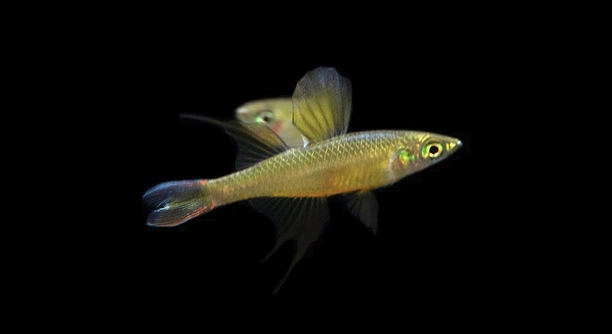
Threadfins are fascinating fish often seen gliding gracefully through coastal waters. Observing their behavior can be intriguing, as they interact with their environment in ways that seem intentional and attentive, capturing the interest of both hobbyists and researchers alike.
Threadfins exhibit behaviors that suggest both reactive responses and elements of curiosity. While many actions are triggered by environmental stimuli, studies indicate that these fish also explore novel objects and changes in their surroundings, showing more than mere reflexive behavior.
Understanding the nuances of their interactions helps reveal the balance between instinct and exploration in these remarkable fish. Their subtle behaviors offer a glimpse into the complexity of aquatic life.
Observing Threadfin Behavior in Captivity
Watching threadfins in a tank offers a clear view of how they respond to their environment. They often swim close to new objects, pausing to inspect shapes and colors. These pauses are more than just reflexes; the fish seem to evaluate surroundings, sometimes nudging items with their fins. Feeding time provides additional insight. Threadfins display a range of behaviors, from following the food source quickly to waiting and observing before approaching. Movement patterns vary between individuals, with some appearing bolder and others more cautious. Lighting and water flow also influence activity. Brighter areas tend to attract more exploration, while strong currents limit movement. Observation over days shows that responses are not purely instinctive but can adapt based on prior experience. This combination of attentiveness and adaptability supports the idea that threadfins are capable of more than simple reactions, demonstrating curiosity through consistent interaction with changes in their environment.
They are sensitive to new stimuli, yet show signs of decision-making. Small actions indicate a thoughtful approach.
Repeated exposure reinforces their awareness. By observing patterns daily, it becomes clear that threadfins do not act purely on instinct. Their choices reflect a balance of caution and interest, adapting to subtle changes in their surroundings. Recognizing these small behaviors can improve care and understanding, as fish adjust over time to both natural and artificial elements.
Responses to Novel Objects
Threadfins react quickly to unfamiliar items placed in their environment. Initial contact is cautious but deliberate.
Introducing new objects often sparks a combination of investigation and hesitation. Some fish approach immediately, circling the object, while others maintain distance, observing from afar. Over several days, most individuals increase interaction, suggesting learning and adaptation. This behavior demonstrates the capacity to assess risk and gather information rather than purely reacting to stimuli. Consistent observation shows that threadfins can differentiate between harmless objects and potential threats, adjusting their behavior accordingly. The rate at which they explore also varies with size and social dynamics, indicating that personal traits influence curiosity levels. By noting these patterns, it becomes evident that threadfins possess subtle cognitive abilities. Their responses are shaped by both instinct and environmental experience, reflecting a blend of reactive and investigative behavior that highlights their complexity beyond simple reflexive actions. Understanding these tendencies can inform better tank setups and enrichment strategies for these fish.
Feeding Behavior and Interaction
Threadfins display varied approaches to feeding. Some rush immediately to food, while others wait and observe. These differences reveal both instinctual responses and selective attention, reflecting personality traits and comfort levels in their environment.
Patterns in feeding show that threadfins can learn routines. Fish that initially hesitate may approach more confidently after repeated meals, indicating memory and adaptation. They often test food with their fins before consuming, showing cautious investigation rather than simple reaction. Social dynamics influence behavior too; dominant individuals may claim food first, while others follow or wait for a safer opportunity. Observing these patterns over weeks provides insight into both personality and learning capacity.
Interaction extends beyond feeding. Threadfins may respond to subtle movements, currents, or shadows. They sometimes follow each other or investigate disturbances in the tank, showing awareness of surroundings. These behaviors highlight a balance of instinct and curiosity, emphasizing that their activity is more complex than purely reactive responses.
Environmental Influence on Curiosity
Water conditions strongly affect threadfin behavior. Temperature, flow, and lighting determine activity levels and exploration tendencies, shaping how fish interact with objects and each other.
Optimal water flow encourages natural swimming and exploration, while stagnant areas limit movement. Lighting intensity affects visibility and confidence; bright areas promote investigation, whereas dim regions reduce activity. Substrate and decor also influence curiosity, providing both obstacles and points of interest. Fish adjust quickly to changes, showing adaptability. Social structure impacts exploration as well, with dominant individuals often leading group movement. Daily observation of these interactions helps track patterns and understand environmental preferences. Recognizing these factors supports better care and allows enrichment strategies that foster engagement and natural behavior in threadfins.
Social Dynamics Among Threadfins
Threadfins often display clear social hierarchies. Dominant fish tend to explore first, while others watch and follow. These interactions influence how and when individuals approach new objects or food, revealing patterns beyond mere instinct.
Smaller or less assertive fish may delay exploration, observing the actions of more dominant peers. This cautious behavior highlights adaptability and learning.
Response to Changes in the Tank
Threadfins adjust quickly to alterations in their environment. Introducing new decor or rearranging existing items sparks investigation, with varying levels of engagement depending on the individual’s temperament. Fish often inspect new features carefully before interacting more freely, showing both caution and curiosity.
Group vs. Solo Exploration
Threadfins behave differently when alone versus in groups. Solitary fish may be slower to explore but sometimes show more deliberate investigation, while groups encourage bolder, faster interactions.
FAQ
Do threadfins really show curiosity or just react instinctively?
Threadfins display a mix of both. While many responses are triggered by environmental stimuli, repeated observation shows they also investigate objects or changes with intention. Their pauses, careful movements, and repeated interactions suggest thoughtfulness, not just reflexive action. They learn from past experiences, showing patterns beyond instinct.
How can I tell if a threadfin is curious?
Curiosity is shown when a fish inspects objects without immediate reward, such as food. Nudging, circling, and lingering near new items are good indicators. They often return to the object multiple times, showing interest rather than reacting once and moving on.
Do all threadfins behave the same way?
No. Individual personality affects behavior. Some are bolder and investigate quickly, while others are cautious and observe first. Size, age, and social status in the group influence how each fish interacts with its surroundings. Dominant individuals often lead exploration, while others follow.
Does the tank setup affect their curiosity?
Yes. Lighting, water flow, decor, and substrate all influence behavior. Bright, well-structured areas encourage exploration, while dim or overcrowded tanks reduce activity. Fish adapt to these conditions, showing curiosity when the environment is engaging and safe.
How does feeding influence their exploratory behavior?
Feeding times reveal both instinct and curiosity. Fish may test food with fins before eating, wait to observe others, or try new food slowly. Repeated exposure builds confidence and learning, which increases overall interaction with the environment. Feeding patterns often mirror personality and social hierarchy.
Can threadfins learn from each other?
Yes. Observing peers is common. Less assertive fish watch dominant ones approach new objects or food first. This social learning allows cautious fish to gain confidence, showing that behavior is not only reactive but also informed by observation.
Are threadfins more active alone or in groups?
Activity varies with context. Solitary fish may explore slowly but deliberately. Groups encourage quicker and bolder interactions because fish follow others or feel safer exploring together. Group dynamics play a key role in the display of curiosity and risk assessment.
Do environmental changes stress threadfins or encourage investigation?
Small, gradual changes generally encourage investigation. Fish inspect new objects or rearranged decor carefully. Sudden, drastic changes may cause temporary stress, leading to hiding or minimal movement. Over time, threadfins adapt and resume normal exploratory behavior, balancing caution and interest.
How long does it take for a threadfin to get comfortable with new objects?
It depends on the individual and environment. Some inspect immediately, while others wait days. Daily observation often shows a pattern of increasing interaction, indicating memory, adaptability, and a gradual buildup of confidence in assessing new stimuli.
Does age affect curiosity in threadfins?
Yes. Younger fish tend to be more active and willing to explore, while older fish may be more cautious. Experience also plays a role; older fish that have safely navigated environmental changes often demonstrate thoughtful investigation rather than impulsive reactions.
Can threadfins distinguish between safe and unsafe objects?
Observations suggest they can. Fish often approach harmless items but maintain distance from potential threats or unfamiliar objects that appear risky. This indicates decision-making ability, balancing instinctive caution with the desire to investigate.
Do threadfins remember objects over time?
Yes. They often revisit familiar objects, showing recognition and preference. Interaction may change based on previous experience, such as positive or neutral outcomes. This memory reinforces that their behavior is more than reflexive, reflecting learning and adaptation.
How does social status impact curiosity?
Dominant fish typically lead exploration, taking the first approach to objects or food. Subordinate fish observe and follow, learning from the dominant’s behavior. Social hierarchy shapes timing, risk-taking, and confidence in investigation, highlighting personality and social structure.
Can threadfins interact with humans in ways that show curiosity?
Yes. Fish may watch movement outside the tank, follow hands, or respond to taps or gestures. These behaviors often show interest rather than just reflex, especially when repeated over time and in the absence of immediate reward.
What practical steps encourage curiosity in threadfins?
Provide varied, safe objects and rearrange decor occasionally. Maintain optimal water conditions and lighting. Feeding routines that include novel items help stimulate exploration. Observing and allowing gradual adjustment supports natural investigation without stress, encouraging balanced interaction and activity.
Are threadfins naturally more curious than other fish species?
They are considered moderately curious. Compared to very passive species, threadfins show more interaction with objects, peers, and environmental changes. However, their curiosity is tempered by caution, social dynamics, and environmental factors, creating a thoughtful balance between investigation and safety.
How can I record and interpret their behavior effectively?
Daily observation is key. Note interactions with new objects, feeding patterns, and group dynamics. Document cautious versus bold behavior, and track changes over time. Patterns reveal learning, memory, and personality traits, helping distinguish between reflexive actions and genuine curiosity.
Does changing water flow encourage exploration?
Yes. Moderate currents stimulate natural swimming and investigation. Fish navigate currents to explore objects or follow others. Strong currents may inhibit activity, while stagnant water can reduce engagement. Gradual adjustment ensures fish respond confidently, balancing curiosity with safety.
Can threadfins adapt to different tank sizes?
Adaptation depends on the environment’s complexity and safety. Larger tanks allow more exploration and movement, while smaller tanks limit options. Fish adjust behaviors according to space, often increasing cautious observation in tighter quarters but showing curiosity within available boundaries.
Do threadfins prefer novelty or familiarity?
Both matter. New objects spark initial investigation, but familiar items often receive repeated interaction, showing memory and preference. Balancing novelty and familiarity supports both curiosity and comfort, encouraging exploration while maintaining confidence in their environment.
Are there signs that curiosity becomes stress?
Excessive hiding, rapid darting, or refusal to interact can indicate stress. Balanced investigation involves careful inspection, repeated engagement, and gradual adjustment. Recognizing these signals helps ensure exploration remains safe and reflects genuine interest rather than fear.
How does tankmates’ behavior influence curiosity?
Observing peers strongly impacts individual action. Fish follow the lead of bolder individuals or mirror cautious approaches. Social learning reinforces confidence, timing, and decision-making, showing that curiosity is shaped not just by environment but by interactions within the group.
Can curiosity affect health or well-being?
Yes. Engaging environments promote natural behavior, reduce stress, and encourage physical activity. Balanced exploration enhances mental stimulation, leading to healthier, more confident fish. Providing opportunities to investigate safely contributes to overall well-being and longevity in captivity.
Do threadfins show interest in all new objects equally?
No. Object shape, color, size, and placement affect interaction. Fish may ignore uninteresting items or approach selectively, reflecting preference and assessment of potential risk or reward. Observation over time reveals consistent choices and thoughtful investigation.
Are some threadfins more investigative than others?
Yes. Personality traits, experience, and social rank create variation. Bold individuals often lead, while cautious fish take time to engage. Recognizing these differences helps interpret behavior accurately and supports tailored care strategies that respect individual tendencies.
Can curiosity be encouraged without stress?
Absolutely. Gradual introduction of objects, safe feeding enrichment, and a stable, clean environment foster natural exploration. Avoiding sudden changes and monitoring fish response ensures curiosity remains positive, enhancing both engagement and well-being.
How important is observation in understanding threadfin behavior?
Observation is essential. Daily tracking of interactions, feeding, and environmental responses reveals patterns of learning, memory, and curiosity. Accurate interpretation allows differentiation between reflexive behavior and thoughtful exploration, providing insights that improve care and enrich the fish’s environment.
What are the key takeaways about threadfin curiosity?
Threadfins demonstrate a combination of instinctive responses and deliberate exploration. Individual personality, social dynamics, and environmental conditions all shape behavior. Careful observation reveals thoughtful interaction, memory, and learning, showing that curiosity is a meaningful part of their activity and overall well-being.
Total words: 507
Threadfins are more complex than they may first appear. Observing them over time shows a mix of instinctive responses and intentional behavior. Many of their actions, such as approaching food or reacting to movement, are clearly influenced by immediate environmental stimuli. Yet, when you pay attention, patterns emerge that suggest careful assessment. For example, threadfins often pause before interacting with new objects, testing them gently with their fins or circling them before fully approaching. These small actions indicate more than reflex; they reflect awareness, learning, and adaptation. Even their reactions to peers show thoughtful behavior. Subordinate fish often observe dominant individuals before taking similar actions, demonstrating a capacity for social learning. This combination of reactive and investigative behavior suggests that curiosity plays a significant role in how they engage with their surroundings, rather than their activity being entirely reflexive.
Environmental factors have a strong influence on threadfin behavior, and understanding these conditions is key to interpreting their actions accurately. Water flow, lighting, tank size, and decoration all shape how the fish move and explore. Bright, open areas encourage more exploration, while tight spaces or dim lighting can reduce activity. Changes to the environment, such as new decor or rearrangement, often prompt careful investigation rather than immediate panic, showing adaptability. Feeding routines also contribute to learning and exploration. Fish that test new food or follow others demonstrate both caution and curiosity. Observing these patterns over days and weeks highlights that threadfins are capable of memory and adjustment. Their behavior reflects a balance between instinct, experience, and curiosity, showing that their engagement with the environment is nuanced and deliberate.
Social dynamics further shape their behavior and curiosity. Group interactions influence who explores first, who follows, and how individuals respond to new stimuli. Dominant fish often lead, while others watch and learn, reflecting both social awareness and adaptive behavior. Individual personality traits, such as boldness or caution, are also evident, with some fish showing immediate investigation and others slower, more deliberate interaction. These differences make each fish unique and reveal a spectrum of curiosity and responsiveness. Overall, threadfins demonstrate that even species often seen as simple or reactive exhibit complex behaviors shaped by environmental cues, social structure, and individual personality. By observing them carefully, it becomes clear that they are not only responding to stimuli but actively exploring, learning, and adapting, highlighting a thoughtful and inquisitive aspect of their nature.
Word count: 407

Hello,
If you enjoy the content that we create, please consider saying a "Thank You!" by leaving a tip.
Every little bit helps us continue crafting quality advice that supports the health, happiness, and well-being of pets around the world, for pets of all shapes, sizes, and species.
We really appreciate the kindness and support that you show us!