
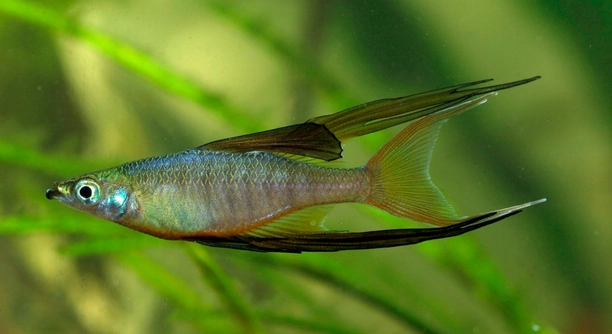
Shy threadfins often struggle to interact in community tanks, preferring to hide or linger in corners. This behavior can make it challenging for aquarists to see their natural social patterns in a home environment.
Implementing structured tank modifications can significantly enhance social behaviors in shy threadfins. Adjustments such as rearranging hiding spots, controlling lighting levels, optimizing water flow, and providing visual barriers create a more comfortable environment that encourages interaction and reduces stress.
These simple changes can transform a timid tank into a lively, interactive space for threadfins to thrive and connect with each other naturally.
Rearrange Hiding Spots
Shy threadfins feel more comfortable when they have multiple areas to retreat to. Rocks, plants, and driftwood can be positioned strategically to break up open space and reduce exposure. By moving hiding spots periodically, you prevent fish from becoming too accustomed to one area, encouraging them to explore new zones. This gradual adjustment helps them gain confidence without forcing interaction. Small caves or dense plant clusters are ideal because they provide both security and a sense of territory. Observing how threadfins react to these changes can guide further placement. Over time, shy fish may begin to venture into open areas, interact with tank mates, and show more natural swimming patterns. Rearranging hiding spots also improves the aesthetic appeal of the tank and can stimulate natural behavior, making it easier to monitor overall health and activity levels. Regularly adjusting the environment keeps the fish engaged and promotes a balanced tank ecosystem.
Proper placement of rocks and plants encourages exploration while maintaining security for shy threadfins.
Consistency in providing multiple retreats allows shy fish to gradually increase confidence, reducing stress and supporting long-term social behavior.
Adjust Lighting Levels
Soft lighting can make shy threadfins feel less exposed. Bright lights often push timid fish into hiding, whereas dim or diffused lighting promotes calmness and interaction.
By controlling light intensity, you can simulate natural day and night cycles. Threadfins are sensitive to sudden brightness, which can cause stress and reduce social activity. Installing floating plants or using adjustable LED lights allows you to fine-tune brightness levels. Lowering light gradually in the morning or evening helps fish acclimate naturally, promoting swimming in open spaces rather than hiding. Additionally, subtle lighting enhances colors without overwhelming timid species. Observing fish behavior under different lighting helps identify optimal levels for social interaction. Maintaining a stable light schedule supports regular feeding patterns and encourages group swimming. It also reduces aggressive encounters caused by stress or territorial disputes. Over time, consistent and gentle lighting helps shy threadfins feel secure, explore more freely, and develop normal social behaviors within the tank, creating a balanced and lively environment for all inhabitants.
Provide Visual Barriers
Visual barriers help shy threadfins feel secure while still interacting. Plants, rocks, or decorative items can create zones that reduce stress and encourage movement without forcing exposure.
Threadfins respond well to partial visual separation. Barriers allow fish to observe tank mates from a safe distance, gradually increasing confidence. By positioning taller plants or vertical decorations, you create areas that block direct lines of sight. This setup reduces intimidation from more active or aggressive species while maintaining a sense of openness. Over time, timid threadfins learn to navigate these spaces and engage in natural schooling behavior. Visual barriers also help define territories, minimizing disputes and promoting calmer interactions. Observing how fish use these zones can guide further adjustments, ensuring a balanced and interactive tank environment. Maintaining barriers in key locations encourages shy threadfins to explore more without overwhelming them, supporting gradual socialization.
Controlled placement of barriers fosters a sense of security while encouraging cautious interaction among tank mates.
Optimize Water Flow
Gentle water flow benefits shy threadfins by reducing stress and promoting natural swimming patterns. Too strong a current can discourage exploration and hide behavior.
Adjusting filter output or using flow deflectors creates calmer areas for timid fish. Threadfins are more likely to engage socially in zones where the current feels manageable. Providing varied flow zones also mimics natural habitats, allowing fish to choose areas based on comfort. Flow influences oxygen distribution and nutrient movement, supporting healthier, more active fish. Observing how threadfins respond to different flow levels helps fine-tune placement and filtration settings. Over time, controlled water movement encourages swimming in open areas, supporting interactions with other tank mates. Consistent flow conditions reduce stress-related behaviors and allow shy threadfins to exhibit normal schooling, foraging, and social patterns within a well-balanced tank. Adjusting flow thoughtfully ensures a safe and engaging environment for timid species while maintaining overall tank health.
Introduce Live Plants
Live plants offer hiding spots and reduce stress for shy threadfins. They create natural zones that encourage exploration without forcing exposure.
Plants also improve water quality by absorbing excess nutrients. Shy threadfins feel safer and are more likely to interact near well-planted areas.
Use Neutral Tankmates
Choosing calm, non-aggressive species prevents intimidation and promotes confidence in shy threadfins. Avoid overly active or territorial fish that can increase stress.
Compatibility is key. Neutral tankmates allow threadfins to explore, feed, and swim together without fear. Observing interactions helps identify the right companions and supports a peaceful tank environment.
Maintain Stable Water Parameters
Consistent temperature, pH, and salinity reduce stress. Shy threadfins are sensitive to sudden changes, which can hinder social behavior.
Regular monitoring and gradual adjustments ensure fish remain comfortable and active. Stability in water conditions supports normal interaction and long-term health.
FAQ
How often should I rearrange hiding spots for my threadfins?
Rearranging hiding spots every few weeks is usually sufficient. This keeps the environment interesting and encourages exploration. Avoid drastic changes, as sudden moves can stress shy threadfins. Small adjustments like shifting rocks or plant clusters help them gradually gain confidence and adapt.
What type of plants work best for shy threadfins?
Tall, bushy plants like hornwort or water wisteria provide cover and visual barriers. Floating plants can also soften lighting and create shaded areas. Dense foliage gives timid threadfins places to hide while allowing them to observe tank mates safely. Plants improve water quality and mimic natural habitats.
Can strong water flow harm shy threadfins?
Yes. Strong currents can exhaust or stress timid fish. Gentle, adjustable flow allows fish to choose comfortable zones, promoting swimming and social interaction. Using flow deflectors or placing plants strategically can reduce turbulence while maintaining oxygen circulation and filtration efficiency.
How do I choose suitable tankmates for shy threadfins?
Select calm, non-aggressive species that won’t chase or dominate. Avoid overly active or territorial fish, as these can intimidate timid threadfins. Observing tankmate behavior before permanent introduction ensures compatibility and reduces stress, encouraging shy fish to interact naturally.
What lighting conditions help shy threadfins feel secure?
Soft, diffused lighting is ideal. Bright lights can make timid fish retreat, while dimmer light reduces stress and encourages movement. Floating plants or adjustable LED lights can help regulate intensity. Maintaining a consistent light schedule supports normal feeding and social patterns.
How do I know if my threadfins are becoming more social?
Increased exploration of open areas, schooling with other fish, and regular feeding in view of tank mates are good signs. Reduced hiding and calmer swimming patterns indicate growing confidence. Tracking changes over time helps measure progress.
Are decorations necessary for social behavior?
Yes. Rocks, caves, and driftwood create zones that balance security and interaction. Strategic placement reduces intimidation from other fish while allowing observation and gradual socialization. Decorations also define territories, minimizing disputes and promoting calmer group behavior.
How often should water parameters be checked?
Weekly monitoring of temperature, pH, and salinity is recommended. Sudden fluctuations can stress shy threadfins and limit interaction. Keeping stable conditions ensures fish remain healthy and confident, supporting natural social behaviors over time.
Can shy threadfins eventually become fully social?
With consistent care, proper tank setup, and compatible tankmates, many timid threadfins gradually become more interactive. Patience and observation are essential, as progress may take weeks or months. Each fish has a unique personality, so socialization rates can vary.
Is feeding strategy important for socialization?
Yes. Providing multiple feeding spots and spreading food encourages timid fish to venture out. Offering live or small floating foods can attract shy threadfins into open areas, helping them interact with others while reducing stress during mealtime.
How do I handle stress in shy threadfins?
Minimize sudden changes, avoid overcrowding, and maintain stable water conditions. Gentle handling during maintenance and providing plenty of cover reduces anxiety. Observing behavior allows you to identify stress triggers and make adjustments promptly.
Can temperature fluctuations affect social behavior?
Absolutely. Shy threadfins are sensitive to temperature swings, which can reduce activity and interaction. Maintaining a steady, appropriate temperature range ensures comfort and encourages natural swimming and schooling behaviors.
Are visual barriers really necessary?
Yes. Barriers like plants or decorative partitions allow timid fish to observe tank mates safely. This reduces stress while encouraging cautious exploration, which is essential for gradual socialization and long-term confidence in the tank environment.
How long does it take for shy threadfins to adjust?
Adjustment time varies by individual fish. Some may become more social within weeks, while others take several months. Consistency in tank setup, lighting, water parameters, and compatible tankmates accelerates progress and supports gradual confidence-building.
Do shy threadfins interact differently with different tankmates?
Yes. They are more likely to engage with calm, non-threatening species and retreat from aggressive or overly active fish. Observing interactions allows you to optimize tankmate selection, promoting peaceful behavior and gradual socialization over time.
What’s the most important factor for socializing shy threadfins?
Creating a secure, stable environment with gentle lighting, mild water flow, suitable tankmates, and plenty of hiding spots is key. Patience and careful observation support confidence-building, encouraging timid threadfins to gradually explore, interact, and thrive in a community tank.
This FAQ provides practical guidance for supporting timid threadfins while maintaining a balanced, stress-free tank environment.
Shy threadfins require a carefully managed environment to feel secure and begin interacting with other fish. Simple adjustments in tank setup can make a noticeable difference in their behavior. Rearranging hiding spots, adding plants, and creating visual barriers help timid threadfins explore without feeling threatened. These small changes allow them to establish comfort zones while encouraging natural swimming patterns. Over time, they may begin venturing into open areas, schooling with tankmates, and displaying normal social behaviors. Consistency is key, as sudden changes can increase stress and reverse progress. Monitoring how each fish responds to modifications provides insight into what works best for their confidence and comfort.
Maintaining stable water parameters and controlling lighting also support shy threadfins’ well-being. Temperature, pH, and salinity should remain steady, as fluctuations can trigger stress and inhibit social interaction. Soft, diffused lighting makes the tank feel secure and reduces the tendency to hide. Flow adjustments are equally important, as strong currents can tire or frighten timid fish. By providing gentle water movement and shaded areas, shy threadfins feel safer exploring the tank. Over time, these conditions help them build confidence, interact more freely, and develop natural schooling and feeding behaviors. Observing fish behavior regularly allows for small, effective adjustments that maintain a balanced environment.
Choosing compatible tankmates completes the foundation for socialization. Non-aggressive species reduce intimidation and create a calm atmosphere that encourages timid threadfins to engage. Multiple feeding spots and slow introductions also help build confidence, allowing shy fish to participate without fear. While progress may take weeks or months, patience and consistent care lead to long-term improvements in social behavior. Every threadfin has a unique personality, so growth may vary, but creating a secure, stable, and supportive environment gives them the best chance to thrive. Over time, the tank becomes a space where shy threadfins feel comfortable, interact naturally, and contribute to a lively, balanced aquatic community.

Hello,
If you enjoy the content that we create, please consider saying a "Thank You!" by leaving a tip.
Every little bit helps us continue crafting quality advice that supports the health, happiness, and well-being of pets around the world, for pets of all shapes, sizes, and species.
We really appreciate the kindness and support that you show us!