
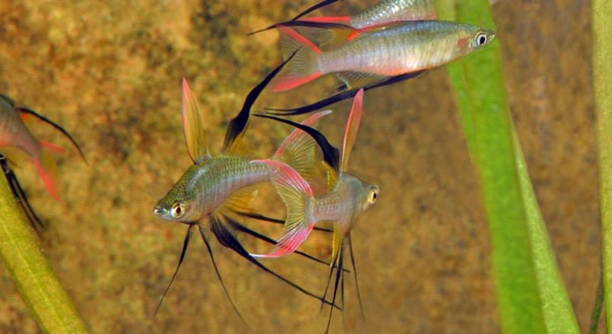
Threadfin Rainbowfish are small, colorful fish that often attract attention in home aquariums. Their shiny scales and quick movements make them interesting to watch, especially when they swim near the glass or reflect light in the water.
Threadfin Rainbowfish chase their reflections primarily due to territorial instincts and social behavior. Seeing their own image, they may perceive it as another fish intruding, prompting chasing actions to assert dominance or engage in routine interaction.
Understanding these behaviors can help aquarium owners provide better care. Observing their reflection habits offers insights into their natural instincts and social needs within a home tank environment.
Why Threadfin Rainbowfish React to Reflections
When I first noticed my Threadfin Rainbowfish chasing their reflections, I was surprised by how intense it was. They would dart quickly across the tank, tail fins flaring, aiming directly at the glass. At first, I thought it was play, but over time it became clear that this behavior is more about instinct than amusement. These fish are naturally territorial, and reflections trigger a response similar to encountering another fish. Even in a small tank, this can lead to frequent bursts of movement as they assert their presence. Some owners notice changes in behavior depending on lighting or tank placement, as reflections become more noticeable. Over time, I learned that this reaction is common among many Rainbowfish species. Observing it patiently can give insight into their social interactions and natural tendencies, which helps in providing a healthier and less stressful tank environment for them.
Reflection chasing is mainly linked to their territorial instincts, rather than boredom or aggression alone.
Watching these behaviors made me reconsider the setup of my aquarium. Adjusting decorations, background colors, and lighting helped reduce constant reflection triggers. Positioning the tank to limit direct light or using a soft background can decrease stress, making my fish more comfortable. Understanding their responses gives me confidence in managing their environment.
Managing Reflection Behavior in Your Tank
Small adjustments in the tank can reduce chasing incidents.
I experimented with several strategies to minimize constant chasing of reflections. Covering parts of the tank with a non-reflective background reduced sudden movements. Adding plants or decorations provided visual barriers, giving fish defined spaces that mimic natural hiding spots. Lighting changes also made a difference; soft, diffused light prevented sharp reflections that often triggered chasing. Feeding times and maintaining a consistent routine helped my fish focus on natural behaviors instead of chasing images. Observing carefully, I noticed that fish in groups were less likely to stress over reflections, as social interaction provided enough stimulation. Tank cleanliness is important too—clear water enhances reflections, so slightly dimmed backgrounds or frosted surfaces help. Over a few weeks, my fish became calmer, and chasing events decreased noticeably. These adjustments are simple but highly effective in reducing unnecessary stress caused by reflections, making the tank environment healthier for the Threadfin Rainbowfish.
Signs Your Threadfin Rainbowfish Are Stressed
I noticed my Rainbowfish flaring fins and repeatedly striking the glass when reflections were strong. These signs indicated that they were feeling territorial pressure and mild stress, rather than just being playful.
Stress in Rainbowfish can show through constant chasing of reflections, rapid swimming, or hiding more than usual. Over time, these behaviors may affect their appetite or energy levels. Keeping the tank environment stable, with plenty of hiding spots and consistent lighting, helped my fish remain calmer. Observing their movements closely revealed patterns in behavior linked to stress triggers, such as sudden reflections from room lights or shiny surfaces nearby. Adjusting the tank setup gradually allowed them to regain confidence in their surroundings.
I also learned that social dynamics influence stress levels. Groups of fish displayed fewer aggressive chases when they had enough space and visual barriers. Individual fish were more reactive to reflections, showing how group size and tank layout impact behavior. Monitoring interactions carefully provided insight into their social hierarchy and natural instincts, which guided me in making informed changes to reduce unnecessary tension in the tank.
Techniques to Reduce Reflection Chasing
Adding plants and decorations created visual barriers that interrupted direct reflections.
Over time, I experimented with different approaches to manage reflection chasing. Using tall plants and floating decorations allowed fish to hide or break line-of-sight with reflective surfaces. Adjusting tank lighting also played a role, as softer light reduced sharp reflections that triggered aggressive swimming. I discovered that placing opaque backgrounds on certain tank sides minimized repeated chasing incidents. Feeding routines became more structured, keeping the fish focused on natural behaviors rather than reacting to mirrored images. Combining these strategies gradually made a noticeable difference in their stress levels. Observing closely, I could see my Rainbowfish swimming calmly and exploring the tank without constantly attacking reflections. Consistency in applying these changes proved essential for long-term behavioral improvement and overall well-being.
Adjusting Tank Lighting
I noticed my Rainbowfish chased reflections more when sunlight hit the tank directly. Shading parts of the aquarium helped reduce these triggers.
Using soft, diffused lighting instead of harsh overhead lights kept the tank calmer. Even small changes in light angle made a noticeable difference in behavior.
The Role of Tank Layout
Rearranging decorations gave fish more secure spaces. Hiding spots and plants broke up open sightlines and made reflections less noticeable. Over time, my fish became less reactive. Proper layout supports natural behavior, giving them both territory and comfort without frequent stress from mirrored images.
Observation Is Key
Watching the fish closely helps identify which reflections trigger chasing. Adjustments based on their behavior can prevent stress and maintain a peaceful environment.
FAQ
Why do Threadfin Rainbowfish chase their reflections so often?
In my experience, this behavior is mostly due to territorial instincts. When they see their reflection, they often interpret it as another fish invading their space. This triggers quick bursts of swimming and tail flaring. Even small movements near reflective surfaces can set off this reaction, especially in tanks with clear glass or strong lighting. Over time, I noticed that reflections during certain times of day caused more frequent chasing. By adjusting light angles and background surfaces, I was able to reduce these episodes, which helped the fish stay calmer.
Is this behavior harmful to the fish?
Chasing reflections occasionally is not harmful, but constant activity can increase stress and fatigue. I observed that fish who chased their reflections repeatedly sometimes skipped meals or rested less. Over time, stress can weaken their immune system and affect overall health. Providing hiding spaces, plants, and proper tank layout reduces stress levels. I also noticed that grouping multiple Rainbowfish together spreads out their energy and helps them focus on natural social interactions, rather than attacking mirrored images. These adjustments can prevent potential harm and promote healthier, calmer behavior.
How can I tell if my Rainbowfish are stressed?
Stress signs include rapid swimming, flaring fins, hiding, or refusing food. In my tank, I noticed that when reflections were strong, my fish became more skittish and darted across the aquarium frequently. Observing changes in appetite, color, and activity helps identify stress early. Adjusting tank lighting, adding visual barriers, or slightly dimming reflective surfaces often improves their comfort. Over time, I learned that consistent monitoring is key. Simple observations like who chases more often or who avoids certain areas give insight into how stressed they might be.
Can reflections ever be beneficial for Rainbowfish?
Yes, to a certain extent. Reflections can provide mild stimulation and encourage natural chasing instincts. I noticed that brief periods of reflection sometimes encouraged exercise and exploration, especially in larger tanks. However, constant exposure can be stressful, so balance is essential. Using a combination of reflective surfaces and safe hiding spots allows them to interact with their environment without overreacting. Controlled exposure can mimic natural encounters with other fish, offering mental stimulation while preventing excessive stress.
What tank modifications help reduce chasing reflections?
I found that adding plants, decorations, and opaque backgrounds helps break line-of-sight with reflective surfaces. Soft lighting and avoiding direct sunlight prevent sudden reflections. Rearranging the tank periodically also keeps fish focused on exploring, rather than reacting to their images. Over time, these adjustments made chasing behaviors less frequent. Providing visual barriers mimics natural hiding spots, which gives Rainbowfish a sense of security. I also noticed that splitting open spaces with tall plants or rocks reduced constant flaring and swimming toward the glass.
Does group size affect reflection chasing?
Absolutely. I observed that Rainbowfish kept in small groups were less focused on reflections. Larger groups spread out social interactions, so individual fish are less likely to fixate on mirrored images. Isolation tends to increase chasing behaviors because a single fish has no other social outlet. Maintaining a balanced group size, along with a well-structured tank, helps distribute attention and reduces unnecessary stress caused by reflections.
Are there long-term consequences if I don’t address this behavior?
Yes, repeated stress can affect growth, color, and overall health. In my experience, fish constantly chasing reflections may show reduced appetite, weaker immunity, and more aggressive tendencies. Addressing the behavior through tank layout, lighting adjustments, and social grouping prevents these consequences. Observing their reactions regularly ensures a healthier environment.
Can I use mirrors for controlled reflection exposure?
Yes, but only for short periods. I experimented with mirrors to provide stimulation, but limiting exposure to a few minutes prevents stress. Constant mirror use can trigger aggression or exhaustion. Using mirrors strategically can mimic encounters with other fish, but careful monitoring is essential to maintain calm behavior.
How do I know if my interventions are working?
I tracked chasing frequency, hiding behavior, and overall energy levels. Reductions in frantic movements and calmer swimming indicate that modifications are effective. Over weeks, I noticed my Rainbowfish became more confident and focused on exploring the tank rather than attacking reflections. Monitoring gradually helps refine adjustments.
Can reflection chasing ever be completely eliminated?
No, it’s a natural instinct. My fish still occasionally respond to reflections, especially during high light exposure or new tank setups. The goal is to minimize stress and prevent constant chasing rather than eliminate it entirely. Creating a balanced environment allows natural behavior without causing harm.
This FAQ covers the most common concerns I faced and provides practical steps for managing reflection-related behaviors in Threadfin Rainbowfish. Proper observation, tank setup, and routine adjustments make a noticeable difference in their well-being.
Final Thoughts
Watching Threadfin Rainbowfish chase their reflections can be both fascinating and puzzling. At first, I thought it was just playful behavior, but over time I realized it stems from natural instincts. These fish are highly aware of their surroundings, and reflections can trigger responses similar to encountering another fish in their territory. While this chasing might seem harmless, repeated or constant activity can create stress, especially in smaller tanks or when environmental conditions make reflections more noticeable. Understanding this behavior is important for providing a healthy and comfortable space for them.
I learned that small changes in the tank setup make a big difference. Adding plants, rocks, and decorations provides hiding spots that break up direct lines of sight, reducing the number of reflection-triggered chases. Even simple modifications like adjusting lighting or placing a soft background can prevent reflections from becoming overwhelming. I noticed that soft, diffused lighting worked much better than harsh, direct light, which caused frantic movements and flaring fins. The arrangement of the tank also affects how fish interact with each other and their reflections. Observing how they swim around obstacles or interact in groups gave me a clearer understanding of their social behavior and territorial instincts. Small interventions help maintain a calm environment and reduce unnecessary stress.
Social dynamics also play a role in reflection chasing. Fish kept in groups are less likely to focus on their own reflections because they interact with each other naturally. I found that providing enough space for multiple fish to coexist without overcrowding was essential. Even with a well-structured tank, reflections cannot be completely eliminated, and occasional chasing is normal. The goal is not to stop this instinct entirely but to manage it so that it does not harm their health or well-being. Observing my Rainbowfish over time, I saw improvements in overall behavior, activity levels, and even coloration when stress was reduced. By paying attention to their natural instincts, tank setup, and social needs, it is possible to create an environment where Threadfin Rainbowfish can thrive and show off their colors without constant stress from reflections.

Hello,
If you enjoy the content that we create, please consider saying a "Thank You!" by leaving a tip.
Every little bit helps us continue crafting quality advice that supports the health, happiness, and well-being of pets around the world, for pets of all shapes, sizes, and species.
We really appreciate the kindness and support that you show us!