
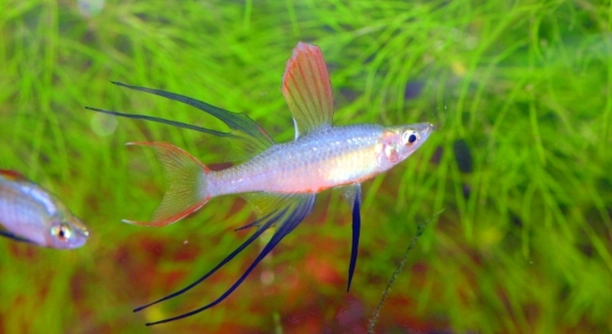
Threadfin Rainbowfish are lively, colorful fish that brighten any aquarium. Many owners notice them swimming energetically, often chasing each other across the tank. Their constant movement can be both entertaining and slightly puzzling for new fish keepers.
Threadfin Rainbowfish often chase each other due to social hierarchy, territorial behavior, and breeding instincts. Males typically establish dominance, and this chasing ensures social structure, reduces conflict, and encourages mating opportunities within the group, maintaining balance in the aquarium environment.
Understanding their behavior helps you create a calmer tank and promote healthy interactions. Observing these patterns closely reveals more about their social dynamics and daily activity.
Understanding Social Hierarchy
Threadfin Rainbowfish live in groups where social order is very important. Males often establish dominance by chasing other males around the tank. This behavior is not aggressive in the harmful sense but is a way to maintain structure. Dominant males show off their bright colors and active swimming, while less dominant fish often stay on the edges or hide among plants. Chasing also helps males test each other’s strength and stamina. Females may observe these interactions to select healthy mates. This dynamic keeps the group balanced and reduces prolonged fights. Over time, even the shyest fish learn their place and the chasing becomes less intense. Observing these behaviors gives insight into how the fish interact naturally. Providing enough space and hiding spots is essential. Tanks that are too small or overcrowded can increase stress, making chasing more frequent and intense. A well-structured environment supports calmer and healthier social interactions among the fish.
Males use chasing to establish dominance, protect territory, and attract females. These behaviors maintain social order in the tank.
Creating a proper habitat reduces stress. Including plants, open swimming space, and visual barriers helps the fish avoid constant conflict. Feeding multiple times a day and maintaining consistent water conditions also supports their natural social structure. By watching their interactions, it is easier to understand which fish are dominant and which prefer to avoid confrontation. Observing patterns over time can reveal subtle shifts in hierarchy and behavior. Regular monitoring prevents overcrowding and ensures all fish have adequate space to swim and hide. A balanced tank encourages natural chasing behavior rather than harmful aggression, making the aquarium more enjoyable to observe. Proper care and attention to their environment promote a stable and lively fish community where chasing occurs naturally, but not excessively.
Breeding Instincts and Chasing
Breeding instincts strongly influence chasing behavior. Males chase females and other males to display fitness and attract mates, which can make the activity appear constant.
During breeding periods, males become more active and aggressive. Chasing ensures that the strongest, healthiest males have priority access to females for mating. This behavior is typical in healthy, well-fed fish that are comfortable in their environment. Females often respond by swimming quickly or hiding, which encourages males to continue their display. Providing fine-leaved plants or spawning mops gives females safe spots to rest and reduce stress. Over time, chasing patterns may intensify or lessen depending on water quality, diet, and group composition. Maintaining optimal conditions helps the fish exhibit natural reproductive behaviors without causing harm. Understanding breeding-driven chasing allows aquarists to plan tank layouts that support spawning while keeping all fish safe. Observing these behaviors over weeks shows how social and reproductive instincts shape daily activity in Threadfin Rainbowfish.
Tank Size and Space
Small tanks increase chasing frequency because fish have limited room to swim and escape each other. Crowded conditions amplify stress, making interactions more intense and constant.
Providing at least a 30-gallon tank with open swimming areas and hiding spots reduces aggressive chasing. Threadfin Rainbowfish need enough space to establish territories and escape when necessary. Plants, rocks, and decorations create natural barriers that help fish avoid constant confrontations. Overcrowded tanks often lead to more frequent displays of dominance, and even calm fish can become stressed. Maintaining proper stocking levels and ensuring sufficient swimming space encourages healthier interactions. A spacious and structured environment allows chasing to occur naturally, without causing injury or excessive stress. Observing the tank regularly can help identify problem areas and adjust layout or stocking accordingly, keeping the fish active but balanced.
Using visual barriers and spacing is key to managing social interactions. Strategic tank layout promotes calmer behavior.
A proper tank setup directly impacts chasing behavior. Fish in well-planned aquariums exhibit natural activity without prolonged stress. Open areas allow swimming freely, while hiding spaces let submissive fish escape aggressive males. Plants and decorations break the line of sight, reducing constant confrontations. Providing multiple feeding points prevents competition and minimizes chasing during meals. Water quality also plays a role; clean, stable conditions reduce irritability and maintain energy levels, preventing unnecessary aggression. By arranging the tank thoughtfully and monitoring fish behavior, chasing becomes part of normal interaction rather than a sign of distress.
Diet and Nutrition
Inadequate nutrition can make Threadfin Rainbowfish more active in chasing, as they compete for limited food sources. Proper feeding reduces stress-related aggression.
Balanced diets that include flakes, pellets, and occasional live or frozen food ensure energy levels remain stable. Well-fed fish are less likely to chase constantly out of hunger. Feeding multiple small portions throughout the day helps distribute food evenly, reducing competitive stress. Malnutrition or inconsistent feeding schedules can increase chasing behavior, as fish fight to get enough nutrients. Observing how fish eat and adjusting portion sizes can maintain a calmer, more balanced tank environment. Nutritional support directly influences both physical health and social behavior.
High-quality nutrition supports calmer social behavior and reduces aggressive chasing. Overfeeding or underfeeding can trigger excessive activity and stress.
Consistent feeding routines and diverse diets keep Threadfin Rainbowfish healthy and balanced. Overfeeding may lead to obesity or poor water quality, indirectly increasing chasing due to irritability. Underfeeding creates competition, prompting dominant fish to chase others for limited food. Including vitamins and proteins from live or frozen foods supports growth, color vibrancy, and stamina. Observing fish during feeding provides insight into social dynamics and hierarchy. By maintaining proper nutrition and feeding schedules, chasing remains a natural, manageable part of their behavior rather than a sign of conflict or poor care. This approach encourages healthy, predictable interactions within the tank.
Stress and Environmental Factors
Changes in water quality, temperature, or tank layout can increase chasing behavior. Fish are sensitive to sudden disturbances and may react by becoming more active.
Consistent maintenance, stable water parameters, and gentle adjustments help reduce stress. Stress-free environments encourage calmer social interactions and limit unnecessary chasing among Threadfin Rainbowfish.
Gender Dynamics
Male Threadfin Rainbowfish are generally more active in chasing than females. This is part of natural social hierarchy and mating behavior. Dominant males assert themselves, while females mostly avoid conflict and occupy calmer areas of the tank.
Group Size
Keeping too few fish can lead to repeated chasing because there are not enough individuals to diffuse social tension. A moderate-sized group balances interactions and spreads out activity.
Observation and Monitoring
Regularly watching your fish helps identify aggressive or excessive chasing early. Timely adjustments to environment, diet, or group composition can prevent stress-related behaviors from escalating.
FAQ
Why do Threadfin Rainbowfish chase each other constantly?
Chasing is a natural behavior in Threadfin Rainbowfish. Males chase to establish dominance, defend territory, or attract mates. It also helps maintain social hierarchy within the group. Chasing is not necessarily aggressive; it is part of their instinctive interactions and reflects their active, social nature.
Is constant chasing harmful to my fish?
In most cases, occasional chasing is normal and not harmful. Problems arise when chasing becomes excessive due to overcrowding, poor water quality, or stress. Providing ample swimming space, hiding spots, and a balanced group helps prevent injury and reduces unnecessary aggression.
How can I reduce excessive chasing in my tank?
Ensure your tank is appropriately sized for the number of fish. Include plants, rocks, or decorations to break lines of sight. Maintain proper water conditions and feed a balanced diet. Spreading feeding locations can prevent competition and lower chasing behavior during meals.
Do males chase females for breeding purposes only?
Males primarily chase females during breeding periods to display fitness and encourage spawning. Outside of breeding times, males may still chase females lightly, but the intensity is generally lower. Providing plants or hiding spaces allows females to rest and avoid stress during these periods.
How does tank size affect chasing behavior?
Smaller tanks increase chasing frequency because fish cannot escape each other easily. Overcrowding raises stress levels and intensifies dominance behavior. A minimum of 30 gallons with open swimming space and visual barriers helps fish maintain natural social interactions without excessive aggression.
Does diet influence chasing activity?
Yes, nutrition directly affects behavior. Poor or inconsistent feeding can increase chasing as fish compete for food. Well-fed fish are calmer and less likely to chase excessively. Feeding multiple small portions and including varied diets supports stable energy levels and reduces stress-induced aggression.
Can gender ratio impact chasing in the tank?
Absolutely. Too many males can increase chasing, as they compete for dominance and mates. A balanced ratio, often more females than males, helps spread out activity and reduces repeated confrontations. Adjusting the group composition improves overall harmony in the tank.
What signs indicate chasing is becoming a problem?
Constant, high-intensity chasing that leads to injuries, torn fins, or stressed fish indicates a problem. Fish hiding excessively, losing color, or refusing food are also warning signs. Timely intervention, such as adjusting tank size, adding hiding spots, or separating aggressive individuals, is essential.
How can I observe chasing behavior effectively?
Watch your fish at different times of the day and during feeding. Note patterns in who chases whom, the frequency, and intensity. Keeping a log helps track changes over time and allows adjustments in tank setup, group size, or diet to maintain balanced behavior.
Do environmental changes affect chasing?
Yes, sudden changes in water temperature, quality, or tank layout can trigger more chasing. Fish are sensitive to disturbances, and even minor changes can increase activity. Maintaining stable conditions and introducing adjustments gradually minimizes stress and prevents excessive chasing.
Are there long-term effects of constant chasing?
Long-term excessive chasing can stress fish, weaken their immune system, and reduce lifespan. Ensuring proper tank setup, balanced group size, stable water conditions, and adequate nutrition prevents chronic stress and promotes healthy, natural social behavior among Threadfin Rainbowfish.
Is it normal for chasing to decrease over time?
Yes, as social hierarchies stabilize, chasing often decreases. Dominant and submissive roles become clear, and fish learn to navigate interactions calmly. Providing a structured, stable environment accelerates this process and supports long-term social harmony in the tank.
Can adding more fish reduce chasing?
Adding additional fish can sometimes help by diffusing attention, but it must be done carefully. Overcrowding can worsen chasing. Introducing compatible individuals gradually and monitoring interactions is essential to maintain balance and avoid increasing stress.
How important are hiding spots for reducing chasing?
Hiding spots are crucial. Plants, rocks, and decorations allow submissive fish to escape aggressive chases, reduce stress, and maintain natural behavior. A well-structured tank helps balance activity and prevents continuous high-intensity chasing, keeping the aquarium healthy and visually appealing.
Does water quality influence chasing behavior?
Yes. Poor water quality increases stress and irritability, which can lead to more frequent or aggressive chasing. Regular water changes, filtration, and monitoring parameters such as pH, ammonia, and temperature support calmer, healthier fish and reduce unnecessary conflict.
Final Thoughts
Threadfin Rainbowfish are naturally active and social fish, which means chasing behavior is a normal part of their interactions. Observing them swim energetically and interact with each other can be fascinating. Chasing often reflects the establishment of social hierarchy, mating behaviors, or simply their playful nature. While it may appear aggressive at times, most chasing is harmless if the tank environment is properly set up. Recognizing that this behavior is instinctive helps in understanding why it occurs and how to manage it effectively.
Providing an appropriate environment is essential to keeping chasing healthy and balanced. Tank size, structure, and decorations play a major role in shaping interactions. Open swimming areas allow fish to move freely, while plants, rocks, or other barriers give less dominant fish space to hide and avoid constant chasing. Maintaining a stable water environment with proper filtration and regular cleaning also reduces stress, which can exacerbate chasing. Feeding a balanced diet at consistent intervals ensures fish are not competing for food, which often triggers extra chasing. A well-planned tank layout combined with careful monitoring creates a calmer, healthier group of Threadfin Rainbowfish.
Monitoring social dynamics over time is just as important as the initial tank setup. Dominance hierarchies will become apparent, and chasing typically decreases as fish settle into their roles. However, it is still important to watch for signs of excessive aggression or stress, such as torn fins, hiding excessively, or reduced appetite. Adjustments such as adding more hiding spots, balancing gender ratios, or providing additional food distribution points can improve social harmony. Understanding these factors helps maintain a thriving and visually appealing aquarium where chasing remains a natural, controlled behavior rather than a source of harm. Consistent observation, proper care, and attention to tank conditions allow Threadfin Rainbowfish to display their lively behavior safely and healthily.

Hello,
If you enjoy the content that we create, please consider saying a "Thank You!" by leaving a tip.
Every little bit helps us continue crafting quality advice that supports the health, happiness, and well-being of pets around the world, for pets of all shapes, sizes, and species.
We really appreciate the kindness and support that you show us!