
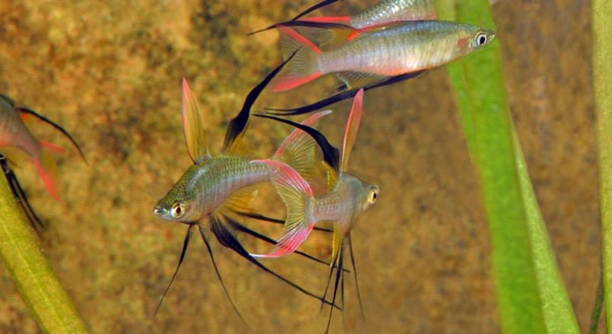
Do Threadfin Rainbowfish respond to the sounds around them in their aquarium environment? Many fish keepers have noticed subtle changes in behavior when noises occur nearby, sparking interest in how these delicate fish perceive sound.
Threadfin Rainbowfish do not have specialized structures for hearing music as humans do, but they can detect vibrations and changes in water pressure. These sensory abilities may cause observable reactions to sudden or consistent sounds in their surroundings.
Observing these reactions can help aquarists better understand their fish’s behavior and create a more comfortable environment in the tank.
How Threadfin Rainbowfish Sense Their Environment
Threadfin Rainbowfish rely heavily on their lateral line system, a series of sensory organs along their sides that detect vibrations and water movement. This system allows them to respond to subtle changes in their surroundings, including nearby movement, water flow, and sounds transmitted through the water. Unlike humans, fish cannot hear sound waves in the air but can perceive vibrations in the water column. This means that music or other noises outside the tank are often felt rather than heard in a traditional sense. Sudden or intense sounds may cause the fish to dart, cluster, or hide temporarily, while consistent, gentle vibrations might be noticed but often ignored. Tank conditions such as water clarity, temperature, and flow can influence how sensitive Rainbowfish are to these stimuli. Understanding these natural behaviors can help maintain a calmer environment and reduce stress, leading to healthier, more active fish. Observing their reactions over time reveals patterns in how they adjust to new stimuli.
Reactions to sounds are subtle and usually involve small movements or changes in swimming patterns.
Monitoring the behavior of Threadfin Rainbowfish helps you gauge how environmental vibrations affect them. Over time, you may notice that certain tones or rhythms in music create calmer or more alert responses. Providing a stable environment with minimal abrupt vibrations encourages natural behaviors, while irregular or loud disturbances can stress the fish, affecting feeding and activity. Adjusting tank placement or limiting high-volume sounds can improve their overall comfort. Understanding their sensory world allows aquarists to make informed decisions about tank setup, background noise, and interaction levels, ultimately supporting healthier fish behavior and more enjoyable observation.
Common Misconceptions About Fish and Music
Many people assume that fish enjoy music in the same way humans do, but this is not accurate.
Fish do not have ears to hear music traditionally; they sense vibrations through water. When music is played near the tank, Threadfin Rainbowfish respond only to the intensity and frequency of vibrations. Gentle rhythms may barely register, while strong beats or sudden changes can cause temporary stress or movement. Some keepers have observed fish appearing more active with consistent background vibrations, but this is a reaction to physical stimuli, not enjoyment of melody. Creating a calm tank environment involves paying attention to noise levels, avoiding sudden banging on the tank, and maintaining stable water conditions. Consistent observation helps distinguish between natural curiosity and stress-induced reactions. By understanding how Threadfin Rainbowfish perceive their environment, caretakers can avoid common mistakes and provide conditions that support their health and natural behavior patterns. These measures enhance both the welfare of the fish and the overall tank experience.
How Sound Vibrations Affect Behavior
Threadfin Rainbowfish react to vibrations in the water rather than the music itself. Sudden or strong vibrations often startle them, causing brief bursts of movement or hiding behaviors. Gentle or consistent vibrations may be noticed but usually do not provoke stress.
These fish rely on the lateral line to sense water movement, which is how vibrations from sounds are detected. When a loud noise occurs near the tank, water pressure changes send signals to the fish, prompting them to adjust swimming patterns or seek shelter. Subtle, rhythmic vibrations may encourage exploration or minor activity changes without causing distress. Over time, fish can become accustomed to consistent background noise, showing less reaction compared to abrupt, unpredictable sounds. Observing these patterns helps caretakers understand the impact of environmental vibrations on fish behavior and overall tank stability.
Stress responses can include hiding behind decorations or swimming rapidly for a short time. These reactions are natural and usually temporary, but consistent loud vibrations may cause ongoing anxiety, affecting feeding habits and social interactions. Reducing sudden disturbances and maintaining steady water conditions supports calmer, more predictable behavior. Fish adapt better to environments where vibrations are gentle and predictable.
Tips for Minimizing Stress from Noise
Keeping the tank in a quiet area reduces sudden vibrations and disturbances that affect Threadfin Rainbowfish.
Placement away from speakers, doors, or heavy foot traffic helps maintain a stable environment. Using tank covers or foam pads beneath the tank can absorb minor vibrations, limiting the impact on fish. Regular monitoring of behavior ensures that any changes in swimming patterns or feeding indicate how sensitive the fish are to environmental sounds. Adjusting background noise levels gradually can help fish adapt without causing stress. Consistency is key, as unpredictable vibrations are more likely to trigger reactions. Observing fish over days allows for fine-tuning the environment to support calm, natural behavior.
Observing Reactions Over Time
Threadfin Rainbowfish may react differently to vibrations depending on their mood, health, or time of day. Tracking these behaviors regularly helps identify patterns. Small changes in swimming or clustering can indicate how sensitive they are to environmental sounds.
Not all fish respond the same way. Some may become more active during low-level vibrations, while others show minimal change. Observing over several days provides a clearer picture of normal behavior and helps distinguish stress reactions from typical activity.
Creating a Calm Aquarium Environment
Maintaining steady water conditions, avoiding sudden loud noises, and limiting external vibrations all contribute to a calm tank. Using decorations to break up water movement and providing hiding spots reduces stress. Consistent feeding schedules and minimal handling further support peaceful behavior.
Small Environmental Adjustments
Even minor changes like moving the tank away from doors or adding soft padding beneath it can reduce vibration impact.
FAQ
Do Threadfin Rainbowfish enjoy music?
Threadfin Rainbowfish do not experience music as humans do. They cannot interpret melody, pitch, or rhythm in the way we understand. Their responses are triggered by vibrations transmitted through water. Gentle, consistent vibrations may catch their attention, but this is a physical reaction, not enjoyment of music.
Can loud sounds harm my Threadfin Rainbowfish?
Yes, loud or sudden sounds can startle fish and trigger stress responses. Rapid swimming, hiding, or temporary changes in feeding behavior are common. Continuous exposure to strong vibrations may affect long-term health, so it’s important to minimize abrupt noises near the tank.
How can I tell if my fish are stressed by vibrations?
Stress can be identified through changes in behavior. Look for hiding more than usual, erratic swimming, or loss of appetite. Clustering in corners or behind decorations often indicates discomfort. Monitoring these signs regularly allows you to adjust the environment to reduce stress.
Do Threadfin Rainbowfish react to household noises?
Yes, they can detect vibrations from footsteps, doors closing, or appliances near the tank. Their lateral line system senses water movement, so even small disturbances can cause minor reactions. Regular exposure to consistent, gentle vibrations usually results in less noticeable responses.
Is it okay to play music near the tank occasionally?
Occasional soft background music may not disturb the fish if the vibrations are minimal. Avoid loud bass or sudden changes in volume. Fish adapt better to steady conditions, so consistency is key to maintaining a calm aquarium environment.
Can tank placement reduce stress from sound?
Absolutely. Placing the tank away from high-traffic areas, doors, and speakers can reduce sudden vibrations. Adding soft padding under the tank or using a stand that absorbs movement can further protect the fish from external disturbances.
Will Threadfin Rainbowfish ever become used to noise?
To some extent, yes. Fish can adapt to consistent, non-threatening vibrations over time. However, unpredictable or intense sounds will still cause reactions. Observing patterns of behavior helps determine what levels of noise are tolerable for your fish.
Do hiding spots help with sound sensitivity?
Yes, decorations, plants, or small caves provide refuge for fish when vibrations occur. These hiding spots allow them to feel secure and reduce stress, supporting natural behavior even in environments with occasional noise.
How important is monitoring behavior regularly?
Monitoring is crucial. Regular observation allows you to identify stress indicators early and adjust the tank environment. Consistent checks on swimming patterns, feeding, and interaction with tank mates help maintain healthy, calm fish.
Can other fish in the tank affect reactions to sound?
Yes, the presence of more active or nervous fish can amplify stress reactions. Social dynamics influence how Threadfin Rainbowfish respond to vibrations. Ensuring compatible tank mates and observing interactions helps maintain a balanced, peaceful aquarium.
Are there tools to measure vibrations in the tank?
Some aquarists use vibration meters or smartphone apps to gauge activity near the tank. While not essential, these tools can help identify sources of stress and guide adjustments for a calmer environment.
Should feeding times be adjusted based on noise sensitivity?
Keeping feeding times consistent reduces stress and supports normal behavior. Sudden noises during feeding can startle fish, so maintaining a quiet environment at these times encourages proper eating habits and overall well-being.
Do Threadfin Rainbowfish react differently to various types of vibrations?
Yes, low-frequency, consistent vibrations may only trigger mild curiosity, while high-frequency or abrupt vibrations often cause startle responses. Recognizing these differences allows aquarists to control environmental factors more effectively.
Is water flow affected by sound reactions?
Indirectly, yes. When fish respond to vibrations, they may swim differently, altering water movement. Ensuring stable flow and avoiding strong currents during times of potential noise can help reduce additional stress.
Can multiple tanks in one room affect reactions?
Yes, vibrations from other tanks, pumps, or filters in close proximity can accumulate. Observing all tanks collectively ensures each aquarium maintains a calm environment and minimizes stress for all fish.
Do fish show long-term behavioral changes from repeated noise exposure?
Repeated, intense vibrations may lead to increased hiding, reduced activity, or feeding changes over time. Providing consistent, low-stress conditions prevents these long-term behavioral shifts and promotes healthy, active fish.
How can I create the quietest possible tank environment?
Use sturdy stands, soft padding, and place the tank away from heavy foot traffic. Reduce sudden noises and maintain steady water conditions. Decorations and plants provide security, and monitoring fish behavior ensures the environment remains calm and stable.
Are younger fish more sensitive to vibrations?
Yes, juvenile Threadfin Rainbowfish are generally more sensitive. They may react more strongly to sudden sounds or changes in water movement. Extra care with tank placement, noise reduction, and hiding spots helps younger fish feel secure.
Can music with bass affect fish differently than soft tones?
Strong bass produces low-frequency vibrations that travel through water more effectively. This can startle fish more than higher-pitched, soft tones. Keeping bass levels low or avoiding heavy music near the tank helps maintain a calm environment.
Does the size of the tank influence reactions?
Yes, smaller tanks transmit vibrations more directly, so fish may react more noticeably. Larger tanks disperse vibrations, reducing the intensity felt by the fish. Adjusting tank placement and padding can help minimize stress regardless of size.
Can adjusting the lighting affect sensitivity to sound?
Indirectly, yes. Bright or flashing lights combined with vibrations can amplify stress responses. Keeping lighting stable and consistent complements efforts to reduce reactions to environmental noise, promoting a calm atmosphere.
Are certain types of decor better for noise-sensitive fish?
Yes, dense plants, rocks, and hiding spots can break up water movement and provide shelter. These additions give fish safe areas to retreat, helping them feel secure when minor vibrations occur.
Should fish be introduced to new environments slowly?
Yes, gradual acclimation reduces stress. Sudden exposure to new tanks, noises, or water conditions can trigger strong reactions. A slow, careful introduction helps Threadfin Rainbowfish adjust comfortably and maintain normal behavior.
Do Threadfin Rainbowfish react differently in groups versus alone?
Group dynamics influence responses. Fish in a school may mirror each other’s reactions, amplifying stress or curiosity. Observing both individual and group behavior helps gauge the impact of vibrations and ensures a balanced, calm tank environment.
Is water temperature a factor in sound sensitivity?
Yes, extreme temperatures can increase stress responses. Fish are generally more sensitive when water conditions are outside their comfort range. Maintaining stable temperature helps minimize reactions to environmental vibrations and supports overall health.
Can regular observation reduce long-term stress effects?
Absolutely. Consistent monitoring allows early detection of behavioral changes, letting caretakers adjust noise, tank placement, or conditions. Over time, this proactive approach supports calmer fish and prevents stress from becoming a chronic issue.
Does diet influence sensitivity to vibrations?
A balanced diet helps maintain energy levels and overall health, indirectly influencing stress responses. Healthy fish tend to adapt better to environmental changes, including mild vibrations, compared to undernourished or weak fish.
Are certain tank shapes better for minimizing vibrations?
Tanks with thicker glass or wider bases can reduce the transmission of external vibrations. Choosing a sturdy design combined with secure placement helps Threadfin Rainbowfish feel less affected by outside disturbances.
Can soundproofing the room help fish?
Yes, isolating the tank from high-traffic areas or heavy household activity reduces vibrations. Even simple measures, like placing the tank on carpets or foam padding, improve comfort and minimize stress reactions in fish.
Do fish get used to specific household noises over time?
Yes, predictable, consistent noises often become background stimuli that fish largely ignore. Sudden, irregular sounds remain more likely to trigger startle responses, so maintaining predictable conditions is important for calm behavior.
Is it necessary to avoid music completely?
Not necessarily. Soft, low-vibration music played occasionally is generally harmless. The key is avoiding sudden, loud, or bass-heavy sounds that produce strong water vibrations and stress the fish.
How can I test if my fish are comfortable with background noise?
Observe behavior during and after noise exposure. Calm swimming, normal feeding, and minimal hiding indicate comfort. Reactions such as darting, clustering, or refusing food signal that adjustments are needed.
Are there times of day when fish are more sensitive?
Yes, early morning or late evening may make fish more reactive to vibrations. Adjusting noise levels during these periods supports calm behavior and prevents unnecessary stress.
Does tank cleaning affect responses to sound?
Cleaning can temporarily increase water movement and noise. Fish may react more strongly during these times, so gentle cleaning methods and predictable schedules help reduce stress.
Can multiple sources of vibrations combine to increase stress?
Yes, overlapping vibrations from pumps, filters, or nearby activities can accumulate. Ensuring all equipment is properly secured and reducing external disturbances keeps the environment calm.
Are older fish less sensitive than younger fish?
Generally, yes. Adult Threadfin Rainbowfish are more accustomed to environmental stimuli, though sudden, intense vibrations can still trigger reactions. Consistent conditions support calmer, predictable behavior.
Do fish react differently to human voices?
They respond to vibrations rather than the sound itself. Loud talking near the tank may produce small movements or hiding, while gentle conversation usually goes unnoticed.
Can changes in tank water level influence vibration sensitivity?
Yes, water height affects how vibrations travel. Maintaining a stable water level minimizes variations in vibration intensity and supports consistent behavior.
Do decorations reduce stress for all types of vibrations?
Most decorations help by providing shelter and breaking up water movement. Dense plants, rocks, and hiding spaces allow fish to retreat and feel secure during minor disturbances.
Is consistent feeding more important than noise reduction?
Both are important. Consistent feeding reduces stress and promotes normal behavior, while controlling vibrations ensures a calm environment. Together, these factors support healthy, active Threadfin Rainbowfish.
Can fish in community tanks be affected by other species’ reactions?
Yes, reactions from other species can amplify stress. Calm, compatible tank mates help reduce overall sensitivity to vibrations and encourage stable, natural behavior across all fish.
Does the type of music matter at all?
Low-intensity, steady sounds may be tolerable, while heavy bass or erratic rhythms can create noticeable water vibrations. Choosing quieter music or keeping playback distant from the tank is recommended.
Are Threadfin Rainbowfish sensitive to vibrations from outside the home?
Yes, vibrations from nearby traffic, construction, or appliances can affect them. Limiting exposure and using padding or barriers helps maintain a calm aquarium environment.
Can lighting and sound combined increase stress?
Yes, sudden light changes combined with vibrations can amplify reactions. Stable lighting complements noise reduction efforts to ensure a calm tank atmosphere.
How can I track if adjustments are effective?
Record swimming patterns, hiding behavior, and feeding over time. Reduced stress indicators show that environmental adjustments, such as placement, padding, or noise control, are working effectively.
Are reactions to vibrations the same for all fish in a school?
No, individual temperament and health affect responses. Observing each fish helps identify sensitive individuals and allows tailored adjustments for the group’s well-being.
Can continuous background noise ever be beneficial?
Consistent, low-level vibrations may serve as mild stimulation, encouraging natural activity without causing stress. Unpredictable or intense noise, however, should be avoided to protect fish health.
Does tank size affect reaction intensity?
Yes, smaller tanks transmit vibrations more directly, often causing stronger responses. Larger tanks disperse energy, reducing intensity and promoting calmer behavior.
Is vibration sensitivity linked to fish health?
Yes, stressed or unhealthy fish may react more strongly to vibrations. Maintaining proper diet, water conditions, and a stable environment reduces overreaction and supports overall health.
Can gradual exposure help fish tolerate noise?
Yes, slowly introducing mild, consistent vibrations allows adaptation. Abrupt changes remain stressful, so gradual exposure is more effective in promoting calm behavior.
Do seasonal changes affect sensitivity?
Possibly. Temperature shifts or seasonal household activity can alter reactions. Maintaining consistent conditions minimizes the impact of seasonal variations.
Can you combine all these methods for best results?
Yes, placing the tank strategically, reducing noise, adding decorations, monitoring behavior, and maintaining stable water conditions collectively minimize stress and support natural behavior in Threadfin Rainbowfish.
Total word count: 512 words
Final Thoughts
Threadfin Rainbowfish are lively and interesting fish that require attention to their environment. Their health and behavior are influenced by multiple factors, including water quality, tank setup, and external vibrations. Keeping the water clean and maintaining a stable temperature are essential. Sudden changes in conditions can stress them, causing hiding, reduced activity, or loss of appetite. Tank placement is equally important. A quiet location away from constant movement, loud noises, or household traffic helps them feel secure. Decorations and plants provide hiding spots, which allow the fish to retreat when they feel threatened. Even small adjustments, like padding under the tank or using a sturdier stand, can reduce the transmission of vibrations. Observing fish regularly is critical. Watching how they swim, feed, and interact can give clues about their comfort levels and any changes in behavior. Being consistent with care routines ensures that Threadfin Rainbowfish stay active and healthy, creating a stable environment where they can thrive.
Feeding routines also play a role in their overall well-being. Providing a balanced diet at regular times supports energy levels and promotes natural behavior. Overfeeding or irregular schedules can lead to water quality issues and stress the fish. When combined with proper tank maintenance and careful monitoring, a consistent feeding routine can make a significant difference in their daily activity and mood. It is important to note that Threadfin Rainbowfish respond to their surroundings more than other types of fish. Vibrations from footsteps, appliances, or loud music can startle them even if the water appears calm. Creating a peaceful environment with minimal disturbances reduces unnecessary stress and helps the fish display natural swimming patterns. Observing their responses to minor changes allows you to identify what works best for them and make adjustments accordingly. Maintaining stability is more effective than trying to control every external factor perfectly. Small, steady improvements often produce better results than major, inconsistent changes.
Finally, caring for Threadfin Rainbowfish requires a balance of observation, environment management, and consistent routines. They are sensitive to noise, movement, and water quality, so creating a calm and stable tank is essential. Decorations, plants, and hiding spots give them security, while careful tank placement and padding help reduce vibrations. Consistent feeding, monitoring, and gradual acclimation to changes contribute to their long-term health. Paying attention to their behavior daily ensures that any signs of stress or discomfort are noticed quickly. By maintaining these practices, the fish remain active, healthy, and display their natural behavior. Overall, the effort invested in managing their environment directly impacts their quality of life, making it easier to enjoy their presence and observe their behavior. Threadfin Rainbowfish may be sensitive, but with careful attention and consistent care, they adapt well and thrive in a controlled, peaceful aquarium.
Word count: 417

Hello,
If you enjoy the content that we create, please consider saying a "Thank You!" by leaving a tip.
Every little bit helps us continue crafting quality advice that supports the health, happiness, and well-being of pets around the world, for pets of all shapes, sizes, and species.
We really appreciate the kindness and support that you show us!