
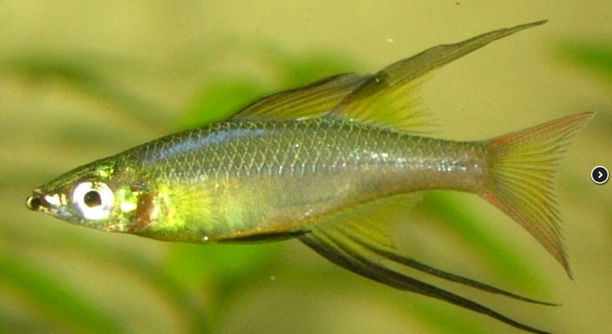
Threadfin fish display unique behaviors when feeding, often reflecting their comfort and trust levels in their environment. Observing these patterns can reveal subtle signals of confidence, social interaction, and safety among their peers. These behaviors are fascinating to watch.
Threadfin trust can be assessed through specific feeding patterns that indicate comfort and social confidence. Regular, synchronized movements, willingness to approach food sources, and cooperative feeding behaviors are clear indicators that these fish feel secure in their environment.
Recognizing these signs will help you better understand threadfin behavior and support a healthy, trusting aquatic community.
Rapid Surface Snacking
Threadfins often feed quickly at the water surface when they feel safe and comfortable. Watching them dart for small particles shows their confidence. Their movements are purposeful, not frantic, suggesting they trust their environment. When multiple fish gather and feed together, it signals social trust. These fish rarely hesitate or scatter, and their behavior appears coordinated. Rapid surface snacking is not just about hunger—it reflects awareness, readiness, and comfort. It also hints at their ability to gauge threats; a calm fish is a trusting fish. Fish that consistently feed in open water without hiding are demonstrating a level of confidence not seen in stressed individuals. This pattern is particularly noticeable during times of plentiful food, where they are willing to take small risks to gain nutrition. Observing these habits over days provides a clearer picture of their trust levels, as sudden changes often indicate stress or discomfort.
Regular rapid surface snacking reflects a strong sense of safety and environmental awareness among threadfin populations.
When threadfins snack at the surface, it’s a visible sign of comfort. Their interactions are smoother, and their willingness to share space shows trust. Feeding becomes a social activity, highlighting their confidence in surroundings.
Coordinated Group Feeding
Coordinated group feeding is a common signal of trust in threadfins. Fish move together, timing their bites and avoiding collisions. This behavior demonstrates awareness of others and indicates a lack of fear.
Threadfins feeding in unison show complex social cues. They maintain spacing while keeping pace with neighbors. The coordination helps reduce stress and encourages even food distribution. Fish that trust each other are less likely to dominate feeding spots aggressively. Observation of these patterns over weeks can reveal hierarchy stability, social bonds, and overall comfort in the environment. Group feeding also improves efficiency, allowing more fish to feed without competition. Fish that suddenly stop coordinating may be reacting to environmental changes, new tank mates, or food inconsistency. Maintaining steady conditions reinforces trust, encouraging more synchronized feeding. This pattern also shows that threadfins can communicate subtle cues, like body angle and fin movement, to maintain harmony. In this way, coordinated feeding is a reliable behavioral marker for healthy, trusting fish communities.
Bottom-Dwelling Foraging
Threadfins that forage along the tank or riverbed often display trust by moving confidently over open areas. Their slow, deliberate movements show they are not startled easily and feel safe in their surroundings.
Observing bottom-dwelling foraging reveals patience and focus. Fish that trust their environment explore freely, sifting through sand or substrate for small food items. They are less likely to dart away at sudden movements, and their posture is relaxed. This behavior indicates they feel secure, even near open spaces where potential threats could appear. These fish often work alongside others, sharing feeding areas without aggression. It reflects not only trust in their environment but also trust in the social group. Regular observation shows that bottom-feeding threadfins often lead younger or less confident fish, acting as examples of safe foraging behavior.
This pattern also reflects adaptability. Fish that forage at the bottom without hesitation can quickly adjust to changing conditions, such as shifts in water flow or the presence of floating food. Their focus and calm demeanor make it easier to assess food sources and avoid conflict, showing that trust extends to both their environment and companions.
Selective Pecking
Selective pecking is when threadfins choose specific food particles while ignoring others, demonstrating familiarity and comfort with available options.
Fish that engage in selective pecking move deliberately, testing and sampling items before fully consuming them. This behavior shows confidence in their ability to find nutritious or preferred food without rushing. It also signals that they are comfortable in their surroundings, willing to pause and make choices rather than reacting out of fear. Over time, selective pecking highlights their feeding preferences, social tolerance, and willingness to share space with others. Observing this pattern helps identify trusted members of the group and reinforces understanding of natural foraging instincts.
Selective pecking also indicates a level of environmental mastery. Fish learn which areas of the tank or riverbed consistently provide better nutrition. They will revisit these spots while remaining calm, showing trust in both the space and the process. This behavior reflects not only confidence in food sources but also patience and awareness. It suggests that the fish have established routines and feel secure in exploring without stress, which is a clear marker of trust within their habitat.
Mid-Water Grazing
Threadfins feeding in mid-water display calm confidence, moving steadily without sudden jerks. Their posture and speed indicate they feel secure and unthreatened in open spaces.
This grazing shows balance and awareness. Fish maintain even spacing, avoiding collisions while accessing food. Mid-water feeding signals both environmental trust and comfort with nearby companions.
Opportunistic Snatching
Threadfins often grab food quickly when it appears, showing alertness combined with confidence. They assess opportunities and act decisively, reflecting trust in their surroundings.
Opportunistic snatching also demonstrates the ability to adapt. Fish quickly judge when food is safe to approach, moving with precision. They remain composed even in the presence of more dominant peers, showing social trust. This feeding pattern suggests a clear understanding of resource availability and environmental safety. Fish that regularly snatch opportunistically are more likely to explore freely and engage actively in group feeding, reinforcing trust among individuals. Their quick, confident movements are both efficient and socially aware, highlighting their ability to feed without stress.
Even Distribution
Threadfins that spread out evenly during feeding show comfort in sharing space and resources. This pattern reduces conflict and encourages harmonious group dynamics.
FAQ
How can I tell if my threadfins are feeding confidently?
Confident threadfins move deliberately and calmly while feeding. They rarely dart away at sudden movements and maintain steady posture. They approach food sources without hesitation and often interact smoothly with other fish during group feeding. Observing these behaviors consistently over time shows that the fish feel safe and trust their environment.
Why do some threadfins feed faster than others?
Feeding speed can indicate both hunger levels and comfort. Fish that feed quickly but without frantic movements are typically confident. Slow feeders may be more cautious or less familiar with the environment. Differences in feeding pace can also reflect social hierarchy or experience in recognizing safe areas to forage.
What does synchronized feeding reveal about trust?
When threadfins feed in unison, it indicates both social and environmental trust. They coordinate movements, maintain spacing, and avoid collisions. This behavior reduces stress and prevents competition over food, showing confidence in both the surroundings and companions. Fish that stop coordinating may be reacting to stress or new conditions.
Is bottom-dwelling foraging a sign of safety?
Yes, fish that forage along the substrate without hesitation demonstrate trust. They move slowly, inspecting the area for food while remaining calm. This shows comfort in their surroundings and confidence in avoiding threats. It also reflects patience and awareness, essential for maintaining a balanced feeding environment.
Why do threadfins practice selective pecking?
Selective pecking occurs when fish choose specific food items rather than consuming everything quickly. This behavior shows familiarity with the food and environment. It reflects patience, focus, and confidence in accessing preferred items. It also suggests they are comfortable sharing feeding space with others without fear of losing resources.
How do mid-water grazing patterns indicate trust?
Feeding in open mid-water requires confidence. Fish maintain even spacing, move steadily, and avoid sudden jerks. Mid-water grazing shows environmental awareness and comfort with nearby companions. Fish that feed calmly in this space are less stressed and more likely to engage actively with others in group feeding.
What does opportunistic snatching tell me about my fish?
Opportunistic snatching indicates alertness and adaptability. Fish assess food availability and act quickly, reflecting confidence in their surroundings. They can feed efficiently without stress, even around dominant peers. This pattern shows an understanding of safety, resource availability, and social hierarchy.
How does even distribution during feeding reflect trust?
Threadfins that spread out evenly demonstrate comfort sharing space and resources. This behavior prevents conflict, promotes harmony, and indicates confidence in their environment. Fish that feed in this manner are relaxed, socially aware, and able to maintain calm interactions with others, showing that trust is present both in surroundings and companions.
Can changes in feeding patterns signal stress?
Yes, sudden shifts in feeding behavior often indicate stress or discomfort. Fish that previously fed confidently may become hesitant, scatter, or avoid food. Noticing these changes early allows adjustments in the environment, diet, or social group to restore trust and maintain healthy feeding patterns.
Are all feeding patterns equally reliable for judging trust?
Some patterns, like synchronized group feeding and mid-water grazing, are strong indicators of trust. Others, like opportunistic snatching or selective pecking, should be considered alongside additional behaviors. Observing multiple feeding habits over time gives a clearer and more accurate picture of trust among threadfins.
How can I encourage trusting feeding behavior?
Maintaining stable water conditions, consistent feeding schedules, and balanced nutrition promotes confidence. Avoid sudden changes, overcrowding, or aggressive tank mates. Providing areas for both open feeding and bottom foraging allows fish to express natural behaviors. Consistency and a safe environment reinforce trust, encouraging calm, confident feeding.
What role does social interaction play in feeding trust?
Social interaction is critical. Threadfins that trust each other feed without competition or aggression. Cooperative behaviors, such as coordinated group feeding and even distribution, reflect comfort in social dynamics. Observing interactions alongside individual feeding patterns helps assess overall trust within the community.
How long does it take for trust to develop in new environments?
Trust development depends on fish personality, social hierarchy, and environmental stability. Some threadfins adapt within days, while others take weeks. Gradual introduction, predictable feeding, and minimal stress accelerate confidence, allowing fish to feed freely and display natural behaviors without hesitation.
Final Thoughts
Threadfins show trust in many ways, and feeding patterns are one of the clearest indicators. Watching how they eat can reveal a lot about their comfort level and confidence. Fish that feed calmly, move steadily, and interact smoothly with others are likely feeling safe in their environment. Observing these behaviors over time helps to understand each fish’s personality, as well as the group dynamics. Confident feeding is not just about nutrition—it reflects mental well-being and social comfort. A fish that darts away or feeds hesitantly may be signaling stress, discomfort, or uncertainty about its surroundings. Paying attention to these subtle cues can make a big difference in creating a supportive and safe habitat.
Different feeding patterns reveal different aspects of trust. Rapid surface snacking shows alertness and confidence near the water’s top, while bottom-dwelling foraging reflects patience and focus in more exposed spaces. Mid-water grazing highlights environmental awareness and comfort with peers, and selective pecking demonstrates familiarity with food sources and social tolerance. Coordinated group feeding and even distribution reveal harmony within the group, showing that the fish feel safe sharing resources. Opportunistic snatching highlights adaptability and alertness, traits that only appear when fish trust that they can act without risk. Together, these behaviors paint a picture of both individual and social trust in threadfins. Understanding each pattern allows caretakers to create conditions that encourage natural, healthy behavior and reduce stress.
Maintaining trust requires a stable environment and consistent care. Proper feeding schedules, balanced nutrition, and calm surroundings help threadfins feel secure. Avoid sudden changes in water conditions, overcrowding, or introducing aggressive tank mates without preparation. Providing areas for both open feeding and bottom foraging allows fish to express their natural behaviors comfortably. Over time, careful observation and consistent support help fish develop confident, trusting habits that make feeding easier for both the fish and the caretaker. Recognizing and respecting these patterns fosters a healthy aquatic community, where threadfins can thrive and demonstrate the behaviors that reflect their comfort, awareness, and social confidence.

Hello,
If you enjoy the content that we create, please consider saying a "Thank You!" by leaving a tip.
Every little bit helps us continue crafting quality advice that supports the health, happiness, and well-being of pets around the world, for pets of all shapes, sizes, and species.
We really appreciate the kindness and support that you show us!