
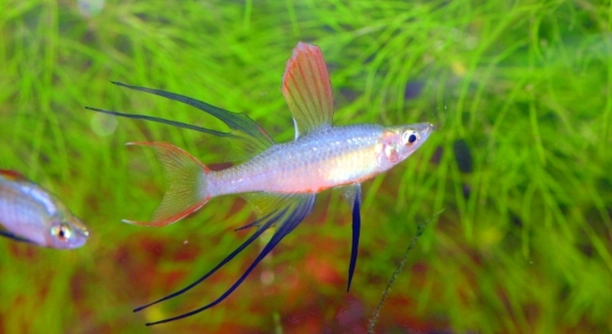
Threadfins are active fish that enjoy swimming around their tanks or natural habitats. Their movements can vary throughout the day, sometimes appearing calm and other times quite energetic. Observing their behavior helps understand their well-being.
Threadfins can become overstimulated by excessive movement, especially in confined spaces. High activity levels may increase stress, disrupt feeding patterns, and lead to potential health issues. Proper tank management and monitoring of their activity are essential for maintaining their stability.
Keeping an eye on their activity patterns provides valuable insights into their needs and ensures a healthier, calmer environment for your threadfins to thrive.
Recognizing Overstimulation in Threadfins
Threadfins can show signs of overstimulation in several ways. They may swim rapidly in short bursts or crash against tank walls more often than usual. Some may display erratic movements, like darting back and forth without settling. Changes in appetite are also common; an overstimulated fish may refuse food or nibble irregularly. Physical signs such as frayed fins, pale coloring, or rapid gill movement can indicate stress. Environmental factors play a big role, including sudden noises, excessive light, or overcrowding in the tank. Even frequent handling or cleaning can trigger responses if the fish are sensitive. Monitoring their normal routines can help you detect early changes. Observing them during feeding and at different times of the day allows you to see their typical behavior and notice any deviations. Small adjustments in the tank setup or lighting can often reduce overstimulation and improve overall health. Consistency is key in keeping their environment calm.
Noticing subtle shifts in behavior early can prevent serious stress-related health issues in threadfins.
Regular observation of your threadfins allows you to understand what triggers their stress. Adjusting tank conditions and monitoring interactions with other fish helps maintain balance, reducing overstimulation and promoting healthier activity levels over time.
Managing Excessive Movement
Overstimulation often results from crowded or chaotic tank environments, which increase activity levels unnecessarily.
Controlling excessive movement requires a combination of environmental adjustments and behavioral monitoring. Start by assessing the tank size and ensuring it provides enough space for free swimming without constant contact with decorations or other fish. Reducing sudden light changes and minimizing loud noises around the tank helps calm the fish. Introduce hiding spots or plants where threadfins can retreat when feeling stressed. Observe how different fish interact; some may provoke constant chasing or competition, which heightens movement and stress. Feeding schedules can also influence activity, so maintaining consistent feeding times can stabilize behavior. If water currents are too strong, adjust filtration or pumps to lower flow, preventing frantic swimming. Documenting behavioral changes over several weeks can help you identify triggers and respond before overstimulation affects health. Ultimately, a steady, predictable environment is crucial for threadfins to remain calm, maintain normal feeding, and reduce unnecessary energy expenditure.
Adjusting Tank Conditions
Overcrowding and strong water currents can trigger overstimulation in threadfins. Reducing the number of fish and ensuring adequate swimming space helps calm their movements and lowers stress levels.
Water temperature and filtration directly affect activity. Cooler water can slow metabolism, while strong currents make them swim harder, increasing stress. Positioning plants or decorations strategically creates resting areas. Lighting should mimic natural cycles to avoid sudden bursts of activity. Observing behavior after adjustments shows if changes are effective. Gradually implementing modifications prevents further agitation and allows threadfins to adapt comfortably, maintaining healthier patterns over time.
Consistent monitoring of water quality is essential. High ammonia or nitrate levels can cause agitation and erratic swimming. Regular testing and maintenance ensure safe conditions. Proper tank setup not only minimizes overstimulation but also promotes long-term well-being and normal social behavior among threadfins.
Feeding and Activity Balance
Feeding times and portion sizes influence threadfin movement and energy. Overfeeding or irregular schedules can increase frantic activity and stress.
Providing balanced meals at consistent times stabilizes their energy and behavior. Avoiding sudden changes in diet or food type prevents excitement spikes that lead to overstimulation. Smaller, frequent feedings often reduce frantic chasing of food, promoting calmer swimming. Observing how threadfins react to new feeding routines helps fine-tune portions and timing, ensuring activity levels remain healthy.
Pairing feeding adjustments with environmental management improves overall calmness. Proper nutrition and consistent routines reduce energy bursts while supporting growth and vitality. Maintaining a balanced schedule encourages predictable behavior, minimizes stress, and allows threadfins to interact more harmoniously in their tank environment.
Signs of Stress
Rapid darting, frayed fins, and pale coloring indicate threadfins are stressed. Changes in appetite or unusual hiding behavior also signal overstimulation.
Erratic swimming or constant chasing among tank mates is another clear sign. Observing these behaviors early helps prevent long-term health problems.
Creating Calm Spaces
Providing hiding spots like plants or decorations reduces stress and overstimulation. These areas give threadfins a place to rest and feel secure.
Arranging the tank thoughtfully also encourages natural swimming patterns. Avoiding sharp corners and ensuring smooth surfaces helps prevent injury and chaotic movements, supporting overall health and calmer activity.
Regular Monitoring
Checking behavior and water quality daily ensures threadfins stay comfortable and active in healthy ways. Consistent observation allows early intervention if signs of overstimulation appear.
FAQ
Can threadfins recover from overstimulation quickly?
Yes, threadfins can recover if environmental stressors are reduced promptly. Providing calmer water conditions, hiding spaces, and consistent feeding routines helps them regain normal activity. Recovery speed depends on the severity of stress and how long overstimulation has been ongoing.
How often should I monitor their behavior?
Daily observation is ideal. Watch for changes in swimming patterns, appetite, and interactions with other fish. Frequent monitoring allows early detection of overstimulation and helps prevent long-term stress or health issues. Even short daily checks make a significant difference in their well-being.
Does tank size affect overstimulation?
Absolutely. Small or overcrowded tanks increase frantic swimming and aggressive interactions. Threadfins need ample swimming space to reduce stress. Ensuring enough room per fish, along with proper decor placement, promotes calmer movement and natural behaviors.
Can lighting cause overstimulation?
Yes, sudden or overly bright lighting can trigger rapid swimming and stress. Simulating natural light cycles and avoiding abrupt changes reduces excessive movement. Soft, consistent lighting helps threadfins feel secure and maintain normal activity levels.
Will other fish in the tank influence threadfins?
Other fish can significantly impact activity. Aggressive or overly active tank mates may cause threadfins to swim erratically or hide constantly. Observing interactions and separating incompatible species prevents overstimulation and supports a calmer environment.
Do diet changes affect their energy levels?
Diet can influence activity. Sudden introduction of high-protein or new foods may excite threadfins, increasing frantic swimming. Feeding balanced meals on a consistent schedule stabilizes energy, reducing unnecessary bursts of movement and stress.
Is water current important for their activity?
Yes, water flow affects swimming behavior. Strong currents make threadfins swim harder, leading to overstimulation. Adjusting pumps or filters to moderate flow allows smoother swimming and helps maintain a calm tank environment.
How do I know if the tank is too noisy?
Excessive vibrations, loud sounds, or frequent disturbances can stress threadfins. Signs include rapid swimming, hiding, or refusing food. Minimizing loud noises near the tank and placing it in a quieter area helps prevent overstimulation and supports normal behavior.
Can overcrowding lead to long-term health issues?
Yes, sustained overstimulation from overcrowding increases stress, weakens the immune system, and can lead to illness. Proper tank management and maintaining appropriate fish density reduce health risks and promote overall well-being.
What’s the best way to introduce new decorations or changes?
Introduce changes gradually. Sudden rearrangements can startle threadfins and trigger overstimulation. Adding new plants or ornaments one at a time allows fish to adjust comfortably, minimizing stress and encouraging natural movement patterns.
Can temperature fluctuations affect behavior?
Temperature changes directly influence metabolism and activity. Sudden drops or spikes can lead to frantic swimming or lethargy. Maintaining a stable, appropriate temperature range ensures threadfins remain active without excessive stress or overstimulation.
How long does it take to see improvements after adjustments?
Improvements vary depending on stress severity and changes implemented. Minor adjustments like lighting or hiding spots may show results in days, while correcting overcrowding or diet issues may take several weeks. Consistency in care is crucial for sustained calm behavior.
Are there signs that indicate permanent stress damage?
Persistent frayed fins, continuous hiding, or chronic loss of appetite may indicate long-term stress. These signs suggest prolonged overstimulation, requiring careful intervention, improved tank conditions, and sometimes consultation with a fish health expert.
Is it necessary to separate stressed threadfins?
Separation may be needed if tank mates cause persistent chasing or aggression. Providing a separate area reduces continuous overstimulation and allows the fish to recover in a calmer environment. Observing behavior helps decide if this step is necessary.
Can enrichment help reduce overstimulation?
Yes, gentle enrichment like floating plants or slow-moving water features can provide mental stimulation without causing stress. These elements allow threadfins to explore and interact safely, balancing activity and calmness effectively.
How do I balance feeding and activity for overstimulated fish?
Feed smaller, consistent portions at regular intervals. Avoid sudden changes in food type or quantity. Observing how threadfins respond helps adjust routines to maintain energy levels without triggering frantic movement or stress.
Can stress from overstimulation affect growth?
Yes, prolonged stress can reduce appetite and energy, slowing growth. Maintaining a calm environment, balanced diet, and consistent routines supports healthy development and minimizes negative impacts from overstimulation.
Are certain threadfin species more sensitive than others?
Some species exhibit higher activity levels and are more prone to overstimulation. Understanding specific species’ natural behavior, tank space needs, and social tendencies is important for creating a supportive environment and preventing stress.
How can I prevent overstimulation long-term?
Consistent monitoring, proper tank size, moderate water currents, compatible tank mates, gradual environmental changes, and balanced feeding routines all help maintain long-term calm and reduce the risk of overstimulation.
What’s the most important takeaway from all this?
Threadfins thrive in stable, predictable environments. Careful observation, proper tank setup, and gradual adjustments are key to preventing overstimulation and ensuring healthy, natural behavior over time.
Word count: 511
Final Thoughts
Threadfins are lively and engaging fish, but their active nature means they can easily become overstimulated if their environment is not carefully managed. Observing their behavior is essential to understanding how they respond to different conditions. Rapid swimming, frayed fins, changes in appetite, and erratic movement are all signs that a threadfin may be experiencing stress. Early recognition of these behaviors allows for timely intervention, which can prevent long-term health issues and ensure the fish remains active in a healthy way. Adjustments in tank setup, such as providing sufficient swimming space, adding hiding spots, and reducing loud noises or sudden lighting changes, are simple but effective strategies to calm overstimulated threadfins. Paying attention to these details helps create an environment where they can exhibit normal, natural behaviors without excessive stress.
Tank conditions are one of the most significant factors influencing threadfin activity. Overcrowded tanks, strong water currents, and unstable temperatures can increase movement and stress. Making gradual adjustments, such as lowering water flow, separating incompatible tank mates, or carefully rearranging decorations, can make a noticeable difference in their behavior. Lighting also plays an important role, as sudden bright lights or inconsistent cycles can trigger frantic swimming. Maintaining consistent feeding schedules with balanced meals helps stabilize energy levels and reduces bursts of unnecessary activity. Regular monitoring of water quality, including checking ammonia, nitrate, and pH levels, ensures a healthy environment that supports both activity and calmness. By taking these steps, you can significantly reduce the risk of overstimulation and help your threadfins maintain long-term health and stability in their tank.
Understanding and managing overstimulation is not just about preventing stress; it is about promoting overall well-being for threadfins. Providing a calm, predictable environment allows them to grow, eat, and interact naturally. Creating hiding spaces, managing light and noise, monitoring behavior, and ensuring proper nutrition all contribute to a stable habitat. Observing the fish over time helps identify subtle shifts in behavior, giving you the opportunity to respond before stress becomes harmful. Overstimulation can be prevented with consistent care and small adjustments rather than drastic changes. By maintaining a thoughtful approach to tank management and focusing on the needs of the fish, threadfins can thrive, remaining active, healthy, and content in their environment. Paying attention to their behavior and making mindful choices ensures that these fish remain a calm and enjoyable addition to any tank.
Word count: 407

Hello,
If you enjoy the content that we create, please consider saying a "Thank You!" by leaving a tip.
Every little bit helps us continue crafting quality advice that supports the health, happiness, and well-being of pets around the world, for pets of all shapes, sizes, and species.
We really appreciate the kindness and support that you show us!