
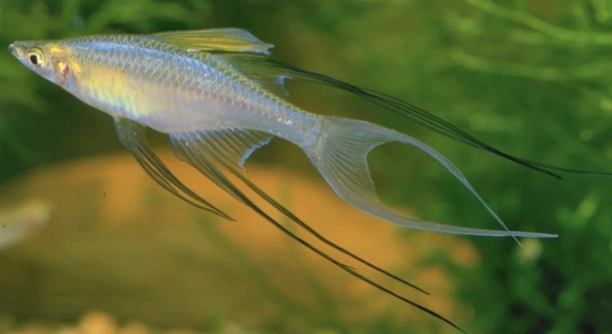
Do your threadfins often behave strangely, leaving you puzzled about their swimming patterns or interactions inside the aquarium you carefully designed?
Threadfin fish can become confused when their tank layout includes flaws such as improper spacing, poor plant placement, or inconsistent lighting. These design issues interfere with their natural schooling instincts, communication, and comfort, ultimately affecting their overall health and behavior.
Understanding these flaws allows you to adjust your aquarium in ways that support natural threadfin behavior and create a healthier environment.
Overcrowded Tanks
Overcrowding is a common issue that disrupts threadfin behavior. When too many fish share limited space, they often display stress behaviors such as erratic swimming, aggression, or hiding. These signs indicate that fish are struggling to establish territories and maintain their natural social patterns. Overcrowding reduces oxygen levels and increases waste, which can also impact health. Providing adequate space allows threadfins to swim freely, form proper schools, and interact in ways that reflect their natural instincts. Tank decorations, rocks, and plants should be balanced with open swimming areas to ensure that the environment does not feel restrictive. Observing your fish regularly helps identify stress early. A properly sized tank for your number of threadfins ensures a stable environment, minimizes stress, and promotes natural behavior. Adjusting tank population and layout can have a significant effect on their overall well-being and schooling habits.
Maintaining the right number of fish per gallon is essential for a balanced and healthy environment.
Careful planning of tank population prevents constant stress, reduces disease risk, and encourages natural social interactions. With enough space, threadfins form cohesive groups and maintain calmer behavior.
Poor Plant Placement
Incorrect plant placement can confuse threadfins by obstructing swimming paths and visual cues. Hiding spots are important, but too many dense areas can fragment the school and reduce interaction. Open spaces should complement plant clusters for balance.
Plants must be positioned to allow clear swimming lanes while still providing shelter.
Threadfins rely on visual and spatial awareness to navigate. When plants block lines of sight or create isolated areas, schooling becomes disorganized. This disorientation can lead to stress, increased aggression, and irregular feeding habits. Using tall plants at the back and sides while keeping the center open allows fish to swim naturally and maintain group cohesion. Floating plants can diffuse light and offer additional security but should not overcrowd the surface. Adjusting plant placement based on observation ensures the tank remains stimulating yet navigable. Over time, minor changes to plant density and arrangement can restore normal behavior, encourage exploration, and improve overall health. Consistency in layout allows threadfins to establish routines and reduces confusion.
Uneven Lighting
Inconsistent lighting can stress threadfins and disrupt their natural rhythms. Bright spots and dark areas may confuse their movement, making them hesitant to explore or feed. Maintaining a consistent light level across the tank helps fish feel secure and supports normal behavior patterns.
Threadfins are sensitive to sudden changes in light. Areas that are too bright or too dim can cause avoidance behavior, fragmentation of the school, and reduced activity. Gradually adjusting light intensity during the day simulates a natural environment and encourages balanced swimming. Even distribution prevents shadows that may trigger hiding or erratic movement. Using timers for gradual sunrise and sunset effects helps threadfins adapt. Consistent lighting supports feeding schedules, promotes natural schooling, and reduces stress-related behaviors. Paying attention to light levels allows better observation of health and interactions.
Proper light placement reduces stress, encourages even swimming, and ensures plants and decorations do not create unintended dark zones. Regular monitoring maintains a harmonious tank environment.
Sharp or Awkward Decorations
Sharp or poorly placed decorations can injure threadfins or block their natural swimming paths. Decorations should be smooth and strategically positioned to allow free movement while providing resting or hiding areas. Avoid overcrowding with items that restrict flow.
Decorations with jagged edges or narrow spaces increase the risk of physical harm, including fin tears or accidental collisions. Threadfins need unobstructed swimming lanes to maintain schooling cohesion. When decorations interrupt paths, fish may become stressed, leading to abnormal behavior, reduced feeding, and aggression. Positioning items along the tank edges or in corners provides interest without disrupting flow. Smooth rocks, rounded ornaments, and safe plant bases create a safer environment while preserving visual appeal. Observing fish interaction with these objects is essential to ensure safety. Adjusting layout incrementally allows fish to adapt and prevents sudden disruptions to behavior. Safe decorations improve overall health and encourage natural movement patterns within the aquarium.
Strong Currents
Strong currents can overwhelm threadfins, making it difficult for them to swim naturally. Excessive flow causes fatigue, erratic movement, and breaks their schooling pattern, leading to stress.
Reducing current strength or redirecting flow allows threadfins to swim comfortably. Proper flow ensures exercise without exhaustion and maintains natural behavior throughout the tank.
Inadequate Hiding Spots
Threadfins require places to hide and feel secure. Without sufficient shelter, they may display stress, aggression, or erratic swimming, disrupting normal behavior. Providing caves, plants, or ornaments in balanced locations allows them to retreat safely while still maintaining visibility for schooling and feeding.
Uneven Temperature
Temperature fluctuations can confuse threadfins and affect their metabolism. Consistent water temperature ensures normal swimming, feeding, and social interactions. Maintaining a stable, species-appropriate range is critical for their overall health and reduces stress-related behavior in the tank.
FAQ
Why are my threadfins swimming erratically?
Erratic swimming usually signals stress or confusion in the tank environment. Common causes include overcrowding, strong currents, poor lighting, or obstructive decorations. Threadfins rely on clear swimming paths and stable conditions to maintain normal behavior. Adjusting these factors often restores calm and predictable movement.
How do I know if my tank is too crowded?
A crowded tank reduces swimming space and increases competition for resources. Signs include frequent collisions, hiding, aggression, and disorganized schooling. A general guideline is to maintain appropriate fish density per gallon, ensuring each threadfin has enough room to swim freely and interact naturally.
Can poor plant placement affect schooling behavior?
Yes, plants that block visual cues or create isolated pockets can fragment schools and confuse threadfins. Arranging plants along tank edges and leaving central swimming lanes open encourages cohesion and allows fish to maintain natural social patterns without feeling trapped.
How does lighting impact threadfin behavior?
Uneven or harsh lighting creates shadows and bright spots, causing stress and avoidance behavior. Consistent, moderate light levels, ideally on a timed cycle, help threadfins navigate confidently, feed properly, and maintain their schooling structure. Gradual sunrise and sunset effects simulate natural conditions and reduce stress.
What decorations are safe for threadfins?
Smooth, rounded decorations are ideal. Avoid sharp edges or narrow crevices that can injure fins or trap fish. Decorations should provide shelter without restricting movement, allowing open swimming paths while offering safe hiding areas for comfort and security.
Do strong currents harm threadfins?
Excessive current can exhaust threadfins and disrupt schooling. Moderate flow encourages activity, but it must be balanced to allow easy swimming without forcing fish against the tank walls or surface. Redirecting filters or using flow diffusers can help maintain appropriate conditions.
How many hiding spots do threadfins need?
Threadfins need several secure shelters to reduce stress, but overcrowding the tank with hiding areas can be counterproductive. Strategically place caves, plants, or ornaments to offer retreat spaces while maintaining open swimming lanes and visual contact with other fish.
Can temperature changes affect their behavior?
Yes, fluctuations in water temperature can confuse threadfins and impact metabolism. Consistent temperatures within the species’ preferred range promote natural swimming, feeding, and social interactions. Sudden changes may lead to lethargy, aggression, or avoidance behavior. Using reliable heaters and thermometers ensures stability.
Why do my threadfins seem to avoid certain areas of the tank?
Avoidance often indicates stress caused by bright light, strong currents, sharp decorations, or insufficient hiding spots. Observing fish patterns helps identify problem areas. Adjusting tank layout, lighting, and flow encourages balanced use of the entire space and improves comfort.
How often should I monitor tank conditions?
Regular observation is key. Daily checks for behavior, water quality, and equipment function help catch issues before they escalate. Monitoring ensures stable conditions for threadfins, allowing timely adjustments to lighting, temperature, and tank layout, which supports natural schooling and overall well-being.
What is the best way to introduce new threadfins?
Introduce new fish gradually, ideally after quarantining them for health checks. Adding fish in small numbers reduces stress on the existing school. Maintain consistent water parameters and monitor interactions to ensure smooth integration and prevent aggression or disorientation.
How can I improve schooling behavior?
Provide ample space, consistent lighting, moderate currents, and clear swimming lanes. Balanced plant placement and safe decorations encourage cohesion. Observing daily allows for adjustments, promoting natural patterns and reducing stress-related behaviors. Well-maintained water quality and temperature stability also reinforce normal schooling dynamics.
Are certain tank layouts better for threadfins?
Yes, layouts with open central swimming areas, gradual light transitions, and strategically placed plants and decorations work best. Avoid overcrowding, sharp objects, or excessive hiding spots. A thoughtful design supports natural behavior, reduces stress, and encourages active schooling while allowing individual fish to retreat safely.
Can diet affect threadfin behavior?
Diet influences energy levels and activity. Balanced nutrition ensures fish have strength for schooling and exploration. Inconsistent feeding or poor-quality food can reduce activity, increase stress, and lead to aggressive behavior. Feeding multiple times a day in appropriate amounts helps maintain normal movement patterns and overall health.
What are the signs of stress in threadfins?
Signs include erratic swimming, hiding, loss of appetite, aggression, or fragmentation of the school. Physical symptoms like torn fins or pale coloration can also indicate stress. Identifying these early allows timely adjustments in tank layout, lighting, flow, or population density to restore balance.
How do I maintain long-term behavior stability?
Consistency is crucial. Stable water conditions, predictable lighting, safe decorations, proper space, and balanced diet all contribute to long-term normal behavior. Regular observation and incremental adjustments ensure threadfins remain active, healthy, and socially cohesive over time.
Is it normal for threadfins to change behavior suddenly?
Sudden changes usually indicate environmental stress, illness, or injuries. Observing water quality, tank conditions, and fish interactions helps determine the cause. Promptly addressing problems prevents long-term behavioral issues and supports recovery of natural schooling and activity patterns.
Can other fish affect threadfin behavior?
Yes, aggressive or territorial species can stress threadfins, altering swimming and feeding patterns. Compatibility is essential. Ensuring peaceful tankmates and providing sufficient space reduces conflicts and allows threadfins to exhibit normal schooling behavior without interference.
What maintenance routines support healthy behavior?
Regular water changes, filter cleaning, and monitoring temperature and lighting maintain stability. Observing fish during these routines ensures early detection of stress or health issues. Maintaining a clean, consistent environment promotes natural swimming, social interactions, and long-term well-being.
How do I know if my interventions are working?
Positive signs include cohesive schooling, even swimming, active feeding, and minimal hiding or aggression. Observing these behaviors after layout adjustments, lighting changes, or population management indicates that interventions are supporting normal, healthy threadfin activity.
What should I prioritize when setting up a new tank?
Focus on adequate space, safe decorations, moderate lighting, balanced plant placement, proper flow, and stable temperature. Prioritizing these factors from the start prevents confusion, reduces stress, and encourages threadfins to exhibit natural behavior from the beginning.
How often should I rearrange decorations or plants?
Frequent changes can stress threadfins. Only adjust layout when necessary, and do so gradually. Maintaining familiar swimming paths while introducing minor changes supports exploration without disrupting schooling or causing disorientation.
Are behavioral changes reversible?
Yes, most changes caused by environmental factors are reversible. Correcting overcrowding, poor lighting, strong currents, or unsafe decorations allows threadfins to return to normal schooling, feeding, and swimming behaviors. Patience and observation are key to effective recovery.
Can observing behavior improve tank management?
Absolutely. Watching threadfins’ swimming patterns, social interactions, and reactions to tank elements provides insight into environmental issues. Observations guide adjustments in layout, lighting, flow, and population, supporting healthier behavior and a more stable aquarium ecosystem.
What role does social structure play in behavior?
Threadfins rely on schooling for security and navigation. Disruption in group cohesion due to overcrowding, obstructions, or stress can lead to erratic movement or aggression. Supporting a stable social structure ensures predictable interactions and reduces stress-related behavior.
How do I balance hiding spaces with open areas?
Provide sufficient shelters without overcrowding the tank. Position caves, plants, and ornaments along edges or corners, leaving central lanes open. This balance allows threadfins to retreat safely while maintaining visual contact with the group and engaging in natural swimming patterns.
Can seasonal changes affect threadfins in a tank?
Seasonal temperature and light variations can impact behavior. Simulating gradual changes with timers and heaters reduces stress and maintains normal activity. Sudden shifts should be avoided, as they can lead to disorientation, reduced feeding, and fragmented schooling.
How do I introduce environmental enrichment safely?
Add objects, plants, or gentle flow adjustments gradually. Observe threadfins’ response to ensure no obstruction, aggression, or stress occurs. Enrichment encourages exploration and natural behavior without causing confusion or over-stimulation.
Why is observation more important than guesswork?
Threadfins’ behavior directly reflects tank conditions. Guesswork can overlook subtle stress signs or environmental issues. Careful observation allows precise adjustments, improving schooling, feeding, and overall health without unnecessary interventions.
Can I prevent behavior problems entirely?
While some unpredictability exists, most issues are preventable with proper tank setup, consistent maintenance, and careful observation. Meeting space, flow, lighting, shelter, and social needs significantly reduces confusion, stress, and abnormal behavior in threadfins.
How long does it take for behavior to stabilize after changes?
Stabilization varies depending on the adjustment and fish sensitivity. Minor layout tweaks may take a few days, while population or environmental changes can require weeks. Gradual adjustments help threadfins adapt without triggering stress responses.
Is feeding time important for maintaining behavior?
Yes, predictable feeding supports natural movement and schooling. Sudden changes in feeding schedules or inconsistent portions can create stress, aggression, or erratic swimming. Consistency in feeding reinforces routine behavior and overall tank harmony.
Do threadfins need companions of the same species?
Yes, they rely on schooling for security and social interaction. Mixed-species tanks require careful planning to prevent stress. Keeping adequate numbers of threadfins ensures natural schooling behavior and reduces the risk of disorientation or aggression from unfamiliar tankmates.
Can stress affect their appearance?
Stress can cause pale coloration, frayed fins, or lethargy. Observing these physical signs along with behavioral changes helps identify environmental problems. Addressing the underlying causes supports recovery and restores natural appearance and activity levels.
How do I know if my tank layout is effective?
Effective layouts allow cohesive schooling, balanced exploration, easy access to hiding spots, and smooth swimming lanes. Fish should display normal feeding, interaction, and resting behaviors. Observation over time confirms whether adjustments support comfort and natural activity.
What’s the most important factor in reducing confusion?
Consistency in tank conditions is key. Stable temperature, proper lighting, safe decorations, adequate space, and sufficient hiding spots all reduce stress. A predictable environment allows threadfins to swim, feed, and interact naturally without confusion or erratic behavior.
How can I track long-term improvements?
Keep notes or photos of behavior, schooling patterns, feeding response, and physical health. Regular tracking highlights positive changes and identifies persistent issues, helping maintain a balanced, stress-free environment for threadfins over time.
What’s the best way to handle aggressive behavior?
Identify stress sources such as overcrowding, strong currents, or lack of hiding spots. Adjust tank layout or population gradually. Separating aggressive individuals temporarily can restore normal interactions and allow the group to re-establish social balance.
Are some threadfins more sensitive than others?
Yes, individual temperament varies. Some fish are more prone to stress or disorientation in suboptimal conditions. Observing each fish helps tailor the environment, ensuring even sensitive individuals maintain normal swimming and social behavior.
How do I balance aesthetics with function?
Create an appealing layout while prioritizing swimming space, visual cues, and safe hiding areas. Avoid overcrowding with decorations, ensure lighting is even, and position plants to enhance both beauty and functionality without disrupting natural behavior.
Can stress affect reproduction?
Yes, stressed threadfins may reduce spawning activity or abandon eggs. Stable conditions, proper space, and minimal disruption support reproductive behavior and overall well-being, ensuring a healthier, more active population.
Is gradual adjustment better than sudden changes?
Always. Sudden changes in lighting, flow, or layout can cause confusion and stress. Gradual modifications allow threadfins to adapt, maintain schooling cohesion, and continue normal behavior without long-term disruption.
How do I maintain consistent water quality?
Regular testing, timely water changes, and filter maintenance keep ammonia, nitrite, and nitrate levels in safe ranges. Stable water chemistry supports healthy behavior, prevents stress, and ensures threadfins swim and interact naturally.
Can behavioral observation replace frequent testing?
No, observation complements testing. Fish may show subtle stress before physical symptoms appear. Combining regular water quality checks with behavioral monitoring ensures a complete understanding of tank health and allows timely interventions.
How do I correct fragmented schooling?
Identify environmental issues such as overcrowding, blocked paths, or strong currents. Adjust tank layout gradually, maintain consistent lighting, and ensure safe decorations. Fragmented schooling usually improves once fish feel secure and swimming paths are clear.
What’s the role of routine in threadfin behavior?
Routine reduces stress and encourages predictable swimming, feeding, and social interactions. Consistent light cycles, feeding times, and environmental stability help threadfins establish comfortable patterns and maintain cohesive schooling.
Can I use plants to guide swimming patterns?
Yes, plant placement can encourage natural swimming lanes and schooling cohesion. Tall plants along tank edges and open central areas create defined paths while offering shelter, allowing fish to move confidently without obstruction or confusion.
How do I prevent aggression between threadfins?
Maintain proper space, hiding spots, and consistent environmental conditions. Avoid sudden changes in flow, lighting, or tank layout. Ensuring adequate group size and minimizing competition reduces tension and allows natural social behavior.
What’s the impact of water changes on behavior?
Proper water changes stabilize chemistry and remove waste, promoting comfort and normal activity. Sudden, large changes can shock fish. Gradual adjustments support ongoing schooling, feeding, and exploration without causing disorientation.
How do I handle illness-related behavior changes?
Observe for lethargy, abnormal swimming, or isolation. Quarantine sick fish if necessary and treat appropriately. Maintaining stable conditions during recovery supports return to normal schooling and activity levels.
Can minor layout tweaks improve behavior?
Yes, small adjustments to plant placement, decoration arrangement, or flow direction can significantly reduce stress, improve schooling cohesion, and encourage exploration while maintaining safety. Incremental changes allow fish to adapt gradually.
What is the ideal tank shape for threadfins?
Rectangular tanks with long swimming lanes are best. Narrow or square tanks can restrict movement and confuse schooling behavior. Providing open central areas with safe edges encourages natural swimming and interaction patterns.
How do I manage multi-species tanks effectively?
Select compatible species, maintain adequate space, and observe interactions closely. Ensure threadfins have sufficient swimming room, safe hiding areas, and minimal stress from more aggressive or territorial tankmates. Balance is essential for normal schooling behavior.
Can observation help prevent disease outbreaks?
Yes, early detection of abnormal behavior often precedes visible illness. Promptly addressing stressors and maintaining water quality reduces the likelihood of disease and supports long-term health.
What should I prioritize if behavior worsens suddenly?
Check water quality, temperature, tank layout, flow, and population density first. Correcting these factors quickly minimizes stress and helps threadfins return to normal swimming, feeding, and social patterns.
How do I maintain a balanced ecosystem?
Ensure proper filtration, consistent water parameters, safe decorations, adequate hiding spots, and compatible tankmates. Regular observation, gradual adjustments, and stable routines support healthy threadfin behavior and a harmonious tank environment.
Can enrichment reduce boredom-related stress?
Yes, introducing gentle stimuli like plants, safe decorations, or minor flow changes encourages exploration and natural behavior. Enrichment should not obstruct swimming or cause stress but provides mental stimulation and promotes active schooling.
How can I support older or sensitive threadfins?
Provide extra hiding spots, moderate flow, consistent lighting, and minimal disruptions. Monitoring their behavior closely ensures they remain comfortable, safe, and active alongside the rest of the school.
What are the key takeaways for preventing confusion?
Prioritize consistent lighting, stable temperature, safe decorations, adequate space, balanced hiding spots, and proper schooling numbers. Observation and gradual adjustments maintain normal behavior and reduce stress effectively.
How important is social observation for tank management?
Very. Monitoring interactions, swimming patterns, and responses to the environment provides insight into potential issues. Observation guides precise adjustments to maintain comfort, cohesion, and natural behavior within the tank.
How do I maintain long-term schooling cohesion?
Ensure proper group size, consistent environmental conditions, unobstructed swimming lanes, and sufficient hiding spots. Gradual adjustments and careful monitoring prevent fragmentation and promote stable, healthy social behavior.
Can minor environmental improvements have major effects?
Yes, small changes like adjusting light, flow, or decoration placement often restore normal behavior, reduce stress, and improve cohesion in the school, demonstrating that thoughtful interventions can yield significant results.
How do I balance exploration and safety?
Provide open swimming areas with strategically placed hiding spots. Threadfins can explore freely while retreating to safe areas as needed, promoting confidence, schooling cohesion, and reduced stress in a controlled environment.
What daily habits support threadfin well-being?
Observe behavior, feed consistently, monitor water quality, check temperature, and maintain decorations and plants. Regular attention ensures stability, prevents stress, and promotes normal schooling and social patterns.
Can water flow patterns influence social hierarchy?
Yes, uneven currents can favor certain fish, creating dominance or isolation. Balanced flow promotes equal swimming opportunities, reducing stress and maintaining cohesive schooling behavior.
How can I measure success in tank adjustments?
Success is visible through cohesive schooling, calm swimming, active feeding, minimal hiding, and healthy coloration. Consistent observation and incremental changes provide clear evidence of effective tank management.
How do I prevent long-term behavioral issues?
Maintain stable conditions, provide proper space, safe decorations, moderate currents, consistent lighting, and balanced group size. Regular monitoring and gradual adjustments prevent stress and encourage natural, long-term schooling behavior.
What is the role of gradual acclimation?
Introducing new fish or changes slowly allows threadfins to adapt without stress. Gradual acclimation supports schooling cohesion, proper feeding, and exploration while minimizing behavioral disruption.
How important is tank size for behavior?
Adequate tank size is crucial. Insufficient space restricts swimming, increases stress, and fragments schools. Larger tanks provide freedom, support natural interaction, and reduce aggressive or erratic behavior.
What should I do if schooling remains fragmented?
Assess environmental factors, adjust layout, reduce stressors, and ensure proper group size. Patience and incremental changes help threadfins re-establish cohesive schooling over time.
Can observation replace structured interventions?
Observation alone is not enough, but it informs targeted interventions. Monitoring behavior identifies causes of stress or confusion, guiding effective adjustments in lighting, flow, layout, or population management.
How do I maintain optimal water temperature year-round?
Use reliable heaters, monitor with thermometers, and adjust gradually to seasonal changes. Stable temperatures support consistent behavior, feeding, and social interactions.
Are some environmental adjustments more urgent than others?
Yes, factors like overcrowding, strong currents, and unsafe decorations require immediate attention. Addressing these first prevents injuries, stress, and long-term behavioral disruption.
**How
Final Thoughts
Managing a tank for threadfins requires careful attention to both their physical environment and social needs. Every detail, from the number of fish to the placement of plants and decorations, influences their behavior. Overcrowding, strong currents, uneven lighting, and sharp or awkward decorations can create confusion, stress, and irregular swimming patterns. Threadfins rely on clear swimming lanes, balanced hiding spots, and consistent lighting to maintain natural schooling behavior. Paying attention to these factors ensures the fish are comfortable and allows them to interact normally. Small adjustments in tank layout or flow can significantly reduce stress and improve overall well-being. Regular observation is essential to identify problem areas before they become serious issues. By monitoring swimming patterns, feeding habits, and social interactions, you can make incremental improvements that support stable, natural behavior.
Consistency is one of the most important aspects of successful threadfin care. Sudden changes in temperature, lighting, or tank layout can lead to erratic swimming, hiding, or aggression. Maintaining steady water parameters, moderate flow, and a predictable environment allows threadfins to adapt naturally. Gradual adjustments are preferable to sudden changes, as they give fish time to explore and understand their surroundings. Stable conditions also support other aspects of health, including appetite, coloration, and resistance to disease. Providing adequate hiding spots while keeping open swimming areas is essential for both comfort and schooling cohesion. Observing the fish daily ensures that minor problems, such as overly dense plant clusters or obstructive decorations, are addressed before they affect behavior. Thoughtful, consistent care creates a harmonious tank where threadfins can thrive and exhibit their natural patterns with minimal stress.
Long-term success in managing threadfin behavior comes from combining careful planning, observation, and gradual adjustments. Understanding the needs of these fish allows for a tank layout that encourages natural swimming, cohesive schooling, and regular feeding patterns. Safe decorations, appropriate plant placement, and even lighting all contribute to a stress-free environment. Population density must be managed to prevent competition and overcrowding, which can disrupt social structure. By maintaining consistent water temperature and flow, you create a stable environment that minimizes confusion. Observing the fish over time helps identify subtle signs of stress or behavioral change, allowing timely intervention. Thoughtful adjustments, combined with consistent care, ensure that threadfins remain active, healthy, and social. With patience and attention, your tank can provide a stable, balanced environment where these fish can display their natural behaviors confidently and consistently.

Hello,
If you enjoy the content that we create, please consider saying a "Thank You!" by leaving a tip.
Every little bit helps us continue crafting quality advice that supports the health, happiness, and well-being of pets around the world, for pets of all shapes, sizes, and species.
We really appreciate the kindness and support that you show us!