
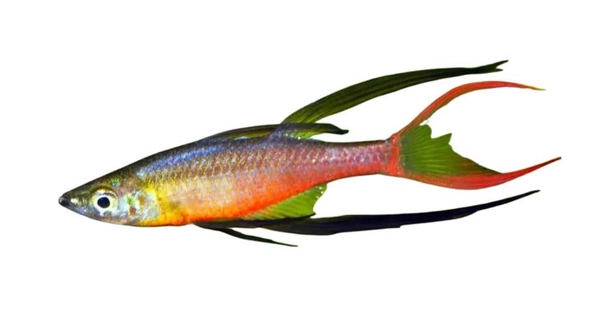
Threadfin Rainbowfish are small, colorful freshwater fish that bring life to home aquariums. Their vibrant scales and active swimming patterns often catch the attention of hobbyists looking to create visually appealing tank setups.
Research indicates that Threadfin Rainbowfish can recognize and respond to patterns within their tank environment. They exhibit visual learning abilities that allow them to distinguish shapes, colors, and layouts, which can influence their swimming behavior and spatial preferences.
Recognizing these patterns can improve tank arrangement and enrich the fish’s daily activity, supporting a healthier and more stimulating environment for them.
How Threadfin Rainbowfish Perceive Their Environment
Threadfin Rainbowfish rely heavily on their vision to navigate and interact with their surroundings. Their eyes are highly sensitive to light and color, which helps them identify objects, other fish, and potential hiding spots in the tank. When patterns are introduced into their environment, such as substrate textures, plants, or decorations, the fish can distinguish differences in shapes and layouts. This visual recognition affects their swimming routes and resting areas, making some regions of the tank more appealing than others. Over time, they may learn to avoid areas that feel unfamiliar or stressful, while consistently returning to spots that feel secure. Consistent patterns can reduce stress and encourage natural behaviors like schooling and foraging. Subtle changes in the tank may cause brief hesitations, but the fish typically adjust quickly. Observing these behaviors offers insight into how Threadfin Rainbowfish process visual cues and interact with their environment effectively.
Pattern recognition is crucial for maintaining their comfort and daily activity.
Understanding these abilities helps in creating a tank that promotes health and engagement. Thoughtful arrangement of objects and plants encourages natural movement, reduces stress, and allows the fish to feel secure. By providing consistent visual cues, you can support their well-being while making the tank visually appealing. Small adjustments in layout can significantly impact how the fish interact with each other and explore their space. Over time, patterns that are predictable yet varied stimulate curiosity without causing anxiety. Including a mix of plants, rocks, and safe hiding spots helps them exhibit normal behaviors while keeping their environment dynamic. Paying attention to their responses to patterns ensures a healthier, more engaging habitat. This approach not only benefits the fish but also enhances the enjoyment of observing them daily, seeing how they adapt and respond to subtle changes around them.
Benefits of Recognizing Tank Patterns
Recognizing tank patterns allows Threadfin Rainbowfish to feel secure and maintain natural routines within their aquarium space.
Pattern awareness reduces stress and supports cognitive development in these fish. Fish use visual cues to navigate, locate food, and interact with companions. Predictable layouts allow them to establish territories and routines, promoting stable behavior. Consistent environmental features reduce anxiety and encourage exploration, while sudden changes may trigger cautious behavior. Understanding how Threadfin Rainbowfish perceive patterns can guide tank setup choices. Including varied textures, shapes, and colors provides stimulation without overwhelming the fish. Over time, fish learn to associate certain areas with feeding, resting, or social interaction, creating a structured habitat that mirrors natural conditions. Observation of these responses allows caretakers to adjust the environment thoughtfully, ensuring comfort and activity balance. Proper use of patterns in the tank can lead to healthier, more vibrant fish and an aesthetically pleasing aquarium that aligns with their needs. Recognizing and accommodating their visual learning capacity supports overall well-being, encouraging lively behavior, confident movement, and social interaction within the tank.
Visual Cues and Swimming Patterns
Threadfin Rainbowfish adjust their swimming paths based on visual cues in the tank. They tend to explore areas with familiar shapes, colors, and textures while avoiding zones that seem unusual or empty. These patterns guide daily movement and resting spots, helping them feel secure.
Familiar shapes, plant arrangements, and substrate textures influence how Threadfin Rainbowfish navigate. When similar patterns are repeated throughout the tank, the fish develop predictable swimming routes. They may school along certain pathways or linger near favored decorations. Recognizing patterns helps them anticipate feeding areas and resting spots, reducing stress and increasing comfort. Subtle differences in lighting or placement can cause them to change routes temporarily. Over time, consistent layouts create a sense of structure in the tank, allowing fish to focus on normal behaviors rather than adjusting constantly to unfamiliar changes.
Colors and contrasts in the tank play a significant role in guiding fish behavior. Bright or reflective surfaces can attract attention, while darker zones often become resting areas. Threadfin Rainbowfish respond to these visual signals by exploring and interacting with the environment more confidently. Repeating specific patterns encourages natural schooling behavior, as fish recognize safe zones and preferred swimming paths. Attention to contrast and layout enhances both their activity and well-being. Changes to the environment should be gradual, allowing them to adapt without stress. This approach ensures that visual cues remain helpful rather than overwhelming, supporting daily routines and engagement with their habitat.
Environmental Enrichment Through Patterns
Patterns in the tank enhance environmental enrichment for Threadfin Rainbowfish. Repetition of shapes and colors provides stimulation and supports natural instincts for exploration and interaction.
Incorporating varied patterns encourages mental engagement and reduces boredom. Fish respond to decorations, plants, and substrate designs by exploring different areas, interacting with companions, and establishing territories. Visual patterns help them anticipate feeding locations and resting spots, which can increase confidence and activity levels. Rotating or rearranging objects gradually introduces novelty without causing stress. Repeated exposure to specific visual cues fosters learning, allowing the fish to navigate more efficiently. Enrichment through patterns supports cognitive health, promotes social behaviors, and encourages active swimming, which contributes to overall fitness. Thoughtful use of shapes, textures, and colors creates a dynamic yet comfortable environment that balances stimulation with safety, making the tank both visually interesting and beneficial for the fish.
Pattern Consistency in the Tank
Consistent patterns in the tank help Threadfin Rainbowfish feel secure. They recognize familiar shapes and colors, which guide their movement and resting spots. Sudden changes can cause brief hesitation, so maintaining stable visual cues supports natural behavior.
Regularly repeating substrate textures and decoration layouts reinforces predictable swimming routes. Fish adapt more quickly when the tank maintains a consistent environment. Stability allows them to focus on feeding, schooling, and exploring, rather than adjusting constantly to unfamiliar changes. A well-structured tank reduces stress and encourages confident movement, contributing to overall health and engagement.
Influence of Tank Decorations
Tank decorations influence how Threadfin Rainbowfish interact with their environment. Plants, rocks, and ornaments create visual cues that guide exploration, resting areas, and social interactions. Proper arrangement ensures a stimulating yet comfortable habitat.
Observing Behavioral Changes
Behavioral changes indicate how well the fish respond to patterns. Increased activity, confidence, and interaction suggest positive adaptation.
FAQ
Can Threadfin Rainbowfish distinguish between different colors in the tank?
Yes, Threadfin Rainbowfish have well-developed vision that allows them to recognize and respond to various colors. Bright and contrasting colors often attract attention, guiding exploration and swimming patterns. Using a mix of soft and bold colors can create areas of interest while keeping the environment comfortable.
Do they prefer certain patterns over others?
Threadfin Rainbowfish tend to respond better to repeated, consistent patterns rather than random or chaotic arrangements. Substrate textures, plant placement, and ornament shapes that are predictable encourage natural swimming routes and resting zones. This consistency reduces stress and helps fish establish a sense of territory and familiarity.
How often should I change the tank layout?
Frequent changes can cause stress, as fish rely on visual cues to feel secure. Gradual adjustments are recommended. Minor additions or slight rearrangements every few weeks allow them to explore without disrupting established routines. This balance keeps the environment engaging while maintaining comfort.
Can they learn the location of feeding areas?
Yes, Threadfin Rainbowfish can associate specific visual cues with feeding spots. Repeating patterns near these areas, like a distinct plant or decoration, helps fish recognize where food is provided. Over time, they may swim directly to these zones when feeding time approaches.
Do tank patterns affect schooling behavior?
Absolutely. Consistent visual cues encourage group cohesion and synchronized swimming. Threadfin Rainbowfish use patterns to navigate together safely. When their environment is predictable, schooling behavior becomes more organized, reducing collisions and stress within the group.
How do patterns impact resting spots?
Fish choose resting areas based on shelter and familiar visuals. Darker regions or zones with repeated structures become preferred resting spots. Proper placement of plants and ornaments can create secure areas, allowing fish to rest safely while maintaining a structured and stimulating environment.
Will sudden changes in patterns cause fear or stress?
Yes, abrupt modifications can trigger caution or avoidance behaviors. Threadfin Rainbowfish may hide or swim erratically when confronted with unfamiliar layouts. Gradual adjustments help them adapt while preventing unnecessary stress, ensuring their overall well-being.
Can recognizing patterns improve their cognitive abilities?
Observing and responding to visual cues stimulates mental activity. Threadfin Rainbowfish can learn to navigate, identify feeding areas, and adjust to changes over time. Providing varied but consistent patterns supports cognitive development and encourages natural problem-solving behaviors.
Is there a benefit to including contrasting colors and textures?
Contrasting elements help fish distinguish different zones in the tank. Bold colors or textured decorations guide exploration, signaling resting, feeding, or social interaction areas. This structured variety enhances activity, reduces stress, and keeps their environment interesting without overwhelming them.
Do tank patterns influence interactions with other fish?
Yes, visual patterns can impact social behavior. Fish establish territories and choose companions based on their environment. Familiar patterns allow confident interactions, while chaotic layouts may increase aggression or avoidance. Structured setups promote harmony, especially in group tanks, improving overall social dynamics and reducing tension.
How can I observe if my fish recognize patterns?
Watch for consistent routes, repeated use of certain areas, and predictable reactions to decorations. Fish returning to specific zones, schooling along familiar paths, or showing confidence in exploration indicates they are recognizing visual cues. Gradual changes in the tank can also reveal adaptability and learning.
Are artificial plants as effective as live plants for pattern recognition?
Yes, both live and artificial plants provide visual cues, but live plants offer additional sensory stimuli like movement and slight water current changes. Fish respond similarly to visual patterns in either setup, though live plants can enrich the environment further by encouraging exploration and interaction.
Does lighting affect pattern recognition?
Lighting plays a significant role. Proper illumination highlights colors, textures, and shapes, making visual cues more noticeable. Consistent light cycles help fish adjust to patterns, while overly bright or dim lighting may reduce their ability to recognize cues effectively. Balanced lighting supports comfort and activity.
Can recognizing tank patterns reduce aggressive behavior?
Yes, a well-structured environment reduces stress and territorial disputes. Clear visual boundaries and predictable layouts allow fish to establish personal space, minimizing confrontations. Thoughtful arrangement of hiding spots and decorations promotes a calmer, more cooperative tank environment, especially in multi-fish setups.
How long does it take for Threadfin Rainbowfish to adapt to new patterns?
Adaptation varies depending on the fish and the extent of changes. Minor adjustments may be recognized within hours or days, while significant alterations could take a week or more. Gradual changes and observation help ensure a smooth transition without causing stress or disruption to natural behaviors.
Can tank patterns affect breeding behavior?
Yes, patterns can influence spawning sites and territorial selection. Fish prefer areas with familiar visuals for laying eggs or displaying courtship behavior. Providing consistent decorations and plants creates secure spaces that support natural breeding habits, improving success and reducing stress during reproduction.
Is there a risk of over-stimulation from too many patterns?
Overly complex or cluttered layouts can overwhelm Threadfin Rainbowfish. They may avoid certain areas or exhibit stress behaviors if visual cues are confusing. Maintaining a balance between stimulation and simplicity ensures they can recognize patterns without feeling threatened or overstimulated.
Do they remember patterns over time?
Threadfin Rainbowfish show long-term visual memory. They recall familiar zones, preferred hiding spots, and feeding locations, demonstrating learning and recognition. Consistent patterns reinforce memory, allowing fish to navigate efficiently and confidently within their tank, creating a stable and secure environment.
Can observing pattern recognition help improve tank management?
Yes, monitoring how fish interact with patterns informs better placement of decorations, plants, and feeding areas. Recognizing preferences helps maintain a stress-free environment, encourages natural behaviors, and improves overall fish health. Adjustments based on observation lead to a more comfortable and engaging habitat.
Does tank size influence pattern recognition?
Larger tanks require more deliberate pattern placement to guide fish effectively. In spacious environments, repeated visual cues and strategic decoration help Threadfin Rainbowfish navigate, explore, and establish territories. Smaller tanks may need simpler layouts, but consistency remains important for recognition and comfort.
Are there specific patterns that promote active swimming?
Open areas framed by plants or decorations encourage movement between zones. Contrasting colors or textured paths guide exploration and schooling behavior. Predictable layouts with stimulating yet unobtrusive patterns support daily activity, keeping fish engaged without causing stress.
How can I safely test pattern changes in the tank?
Introduce small, gradual modifications and observe reactions. Monitor swimming routes, hiding behaviors, and interactions with other fish. Gradual testing ensures adaptation without overwhelming the fish. Adjustments should be minor at first, allowing them to recognize and respond to new visual cues safely.
Does water clarity affect pattern recognition?
Yes, clear water enhances visibility, allowing Threadfin Rainbowfish to identify shapes, colors, and textures. Murky or cloudy conditions can obscure cues, reducing confidence in navigation and exploration. Maintaining good water quality supports both recognition of patterns and overall health.
How do patterns affect feeding efficiency?
Recognizable visual cues near feeding areas help fish locate food quickly and consistently. Patterns guide movement, reduce stress during feeding, and support structured routines. Consistent placement of decorations or substrates around feeding zones reinforces learning and improves overall feeding behavior.
Can young Threadfin Rainbowfish recognize patterns as effectively as adults?
Juveniles develop pattern recognition early but may take longer to respond confidently. As they grow, repeated exposure to consistent layouts strengthens their learning. Providing predictable patterns from a young age supports healthy development, exploration, and social behavior as they mature.
Do patterns influence stress recovery?
Familiar visual cues help fish recover more quickly from stress. Known zones and predictable layouts provide a sense of security, reducing anxiety and encouraging normal behavior. Consistency in patterns supports mental stability and overall well-being, particularly after environmental changes or social interactions.
Is it beneficial to rotate decorations occasionally?
Yes, rotation introduces novelty without overwhelming the fish. Gradual changes stimulate exploration and cognitive engagement while maintaining familiar visual cues. Regular but minor adjustments help prevent boredom and encourage interaction with the environment, promoting active and confident behavior.
How can I balance complexity and simplicity in tank patterns?
Include enough variety to stimulate exploration, but maintain clear, consistent cues. Avoid cluttered arrangements that may confuse fish. Strategically placed plants, rocks, and decorations provide zones for swimming, resting, and social interaction, creating a comfortable yet engaging environment.
Does pattern recognition improve overall well-being?
Yes, consistent and thoughtfully arranged patterns support mental and physical health. Fish navigate confidently, interact naturally, and feel secure. Recognition of patterns reduces stress, encourages activity, and fosters social behavior, resulting in healthier, happier Threadfin Rainbowfish.
Final Thoughts
Threadfin Rainbowfish are small, vibrant fish that rely heavily on visual cues to interact with their environment. Recognizing patterns in their tank is an important aspect of their daily behavior. These patterns can include substrate textures, plant placement, decorations, and colors. When fish are familiar with these elements, they move confidently, explore different areas, and rest in preferred spots. Predictable layouts reduce stress and create a sense of security, allowing the fish to focus on natural behaviors such as schooling, foraging, and interacting with tank mates. Observing their reactions to patterns can provide valuable insight into how they perceive and adapt to their surroundings. By paying attention to these cues, caretakers can better understand the preferences and needs of Threadfin Rainbowfish.
Maintaining consistent patterns in the tank also supports cognitive development. Fish learn to associate certain shapes, colors, and locations with feeding areas, resting spots, and safe zones. Over time, they develop memory and recognition of these cues, which guides their daily activity and social interactions. Changing the layout too frequently or making abrupt alterations can create stress, causing hesitation or erratic swimming. Gradual adjustments, however, allow them to adapt while still experiencing novelty. Patterns that balance simplicity with gentle variation help keep the fish engaged without overwhelming them. Well-placed plants, rocks, and decorations can encourage exploration while maintaining a structured environment. This careful consideration ensures that the tank is both visually appealing and functionally supportive of the fish’s natural behavior, creating a habitat that promotes both mental and physical well-being.
Finally, understanding how Threadfin Rainbowfish recognize and respond to patterns helps improve overall tank management. A thoughtfully arranged tank enhances comfort, encourages natural routines, and reduces stress. Visual cues guide movement, resting, feeding, and social interaction, allowing fish to navigate their environment confidently. Attention to detail, such as proper lighting, clear water, and consistent decoration placement, enhances their ability to perceive patterns. Observing how fish adapt to new layouts or interact with familiar features provides insight into their preferences and cognitive abilities. Pattern recognition not only benefits the fish but also improves the experience of maintaining a tank, making it easier to support healthy, active, and content fish. Consistency, gradual change, and balance are key factors in creating an environment that aligns with the needs of Threadfin Rainbowfish, ensuring their habitat remains engaging, secure, and harmonious.

Hello,
If you enjoy the content that we create, please consider saying a "Thank You!" by leaving a tip.
Every little bit helps us continue crafting quality advice that supports the health, happiness, and well-being of pets around the world, for pets of all shapes, sizes, and species.
We really appreciate the kindness and support that you show us!