
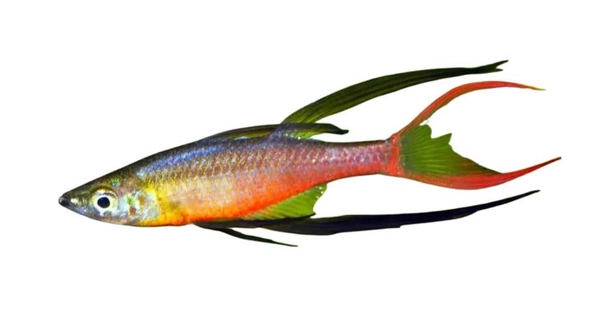
Are your threadfin fish suddenly hiding away in the corners of the tank, leaving you wondering why they avoid interaction? Isolation can be subtle at first, but over time, it becomes more obvious in their behavior and movement.
Threadfin isolation is often caused by environmental stressors, including poor water quality, improper tank size, lack of hiding spaces, incompatible tank mates, inconsistent feeding schedules, sudden temperature fluctuations, or inadequate lighting. Each factor directly impacts their comfort and social behavior.
Recognizing these issues early allows you to make adjustments, ensuring your threadfin thrive in a healthy and engaging tank environment.
Poor Water Quality
Maintaining clean water is essential for threadfin health. High levels of ammonia, nitrites, or nitrates can stress your fish, causing them to hide or isolate themselves. Regular testing and partial water changes help prevent these issues. Filtration must match the tank size to ensure debris and toxins are removed efficiently. Overfeeding can worsen water quality, so feeding only the necessary amount is important. Uneaten food should be removed promptly to avoid decomposition. Temperature fluctuations also influence water chemistry, so keeping a stable environment supports your threadfin’s comfort. Observing your fish daily helps detect subtle changes in behavior that indicate water problems. Even slight discoloration or cloudiness can signal the need for maintenance. By taking consistent steps, you create a healthy environment that encourages social interaction and reduces isolation. Over time, your threadfin will appear more active and confident in exploring the tank space. Proper water management is a simple, yet crucial step.
Poor water quality stresses threadfin, leading them to isolate. Testing and regular water changes can restore comfort.
Consistent maintenance also prevents diseases that can develop from toxic water. A stable environment encourages natural behavior, helping your threadfin regain confidence and interact more freely with tank mates.
Incompatible Tank Mates
Threadfin can become isolated if housed with aggressive or overly active species. Aggression causes stress, making fish retreat to hiding spots. Peaceful companions help maintain a calm environment, encouraging interaction and reducing anxiety. Observation is key; noticing chase patterns or sudden hiding informs you about unsuitable companions. Tank size plays a role—crowding increases tension and triggers avoidance behavior. Even seemingly calm fish may compete for food or territory, indirectly causing isolation. Adjusting the tank population or separating aggressive individuals supports social health. Providing structured hiding spots allows fish to feel secure while remaining part of the community. Pairing compatible species enhances overall tank harmony, reducing stress-related isolation. Behavioral observation combined with strategic planning ensures threadfin remain engaged and active, rather than withdrawn. Proper selection of tank mates creates a balanced environment where all species can coexist peacefully, promoting healthier interactions and reducing solitary behavior in threadfin fish.
Choosing peaceful companions helps prevent stress and isolation, supporting a calm tank environment.
Evaluating fish behavior, spacing, and hiding availability allows for adjustments that keep threadfin comfortable. Creating a suitable community encourages activity, reduces hiding, and fosters natural social behaviors over time.
Inadequate Hiding Spots
Threadfin need places to retreat when stressed. Without sufficient hiding spots, they may isolate in corners or near the tank bottom, avoiding interaction with other fish. Plants, rocks, or decorative caves offer security and reduce anxiety.
Providing multiple hiding areas ensures threadfin feel safe. These spots should vary in size and placement, allowing fish to choose locations based on their comfort level. Overcrowding with decorations should be avoided, as it can limit swimming space and create territorial disputes. Natural-looking structures help mimic their environment, promoting exploration while giving refuge from more dominant tank mates. Observing where fish prefer to hide can guide adjustments in tank design, helping them feel secure. Security and privacy directly influence their willingness to socialize and reduces constant hiding behavior.
Hiding spots also reduce stress during feeding and cleaning routines. Fish that feel protected are more active and display natural behaviors, improving overall tank dynamics and minimizing isolation. Properly arranged refuges foster confidence and help threadfin integrate better with their surroundings.
Improper Feeding Schedule
Inconsistent feeding schedules can make threadfin anxious, leading them to isolate. Fish depend on routine to anticipate meals and feel secure in their environment. A predictable schedule supports healthy activity levels.
Feeding threadfin at the same times each day maintains their energy and encourages social interaction. Overfeeding can pollute water, while underfeeding causes stress and aggressive competition. Small, frequent portions are better than a single large meal. Observing feeding behavior helps ensure all fish are eating adequately and reduces the chance of weaker individuals retreating or hiding. Variety in diet, including high-quality flakes, pellets, and occasional live foods, keeps fish interested and nourished. Consistent feeding also strengthens their immune system and supports vibrant coloration.
A stable feeding routine minimizes stress and promotes engagement. Threadfin are more likely to explore the tank and interact when they trust food will be available regularly, reducing solitary behavior.
Sudden Temperature Changes
Threadfin are sensitive to sudden shifts in water temperature. Rapid increases or decreases can stress them, causing them to hide or become inactive. Maintaining a stable temperature is crucial for their comfort and activity levels.
Using a reliable heater and thermometer helps keep water within the ideal range. Avoid placing the tank near drafts or direct sunlight, as this can cause fluctuations. Gradual adjustments during seasonal changes prevent shock and keep threadfin healthy. Stable conditions reduce stress and encourage normal swimming and social behaviors, minimizing isolation.
Overcrowding
Too many fish in a tank creates competition for space and resources. Overcrowding increases stress and can push threadfin to isolate in less populated corners. Adequate space per fish ensures comfort, reducing conflicts and improving overall tank dynamics.
Poor Lighting
Insufficient or overly bright lighting affects threadfin behavior. Proper lighting supports natural activity patterns, helping them feel secure and encouraging interaction with tank mates.
Lack of Enrichment
Threadfin require stimulation to stay engaged. Without environmental enrichment such as plants, driftwood, or varied terrain, fish may become bored, retreating to isolated areas. Adding new elements encourages exploration, reduces stress, and promotes social behavior.
FAQ
Why is my threadfin hiding all the time?
Threadfin hide when they feel stressed, unsafe, or unwell. Poor water quality, aggressive tank mates, sudden temperature changes, or lack of hiding spaces are common reasons. Observing your tank setup and fish behavior helps pinpoint the issue. Adjusting these factors often encourages fish to explore and interact more naturally.
How can I improve water quality for my threadfin?
Regular partial water changes, using a proper filter, and testing ammonia, nitrite, and nitrate levels are essential. Avoid overfeeding and promptly remove uneaten food. Maintaining stable temperature and pH levels supports healthy water chemistry, reducing stress and isolation tendencies. Consistent monitoring ensures a safe environment.
What tank size is ideal for threadfin?
Threadfin require ample space to swim freely. Overcrowding increases stress, aggression, and isolation. The ideal tank size varies depending on the number of fish, but providing at least 20 gallons for the first few individuals and additional space per extra fish helps maintain comfort and natural behavior.
Which tank mates work best with threadfin?
Peaceful, similarly sized fish reduce stress and prevent isolation. Aggressive or overly active species can intimidate threadfin, causing them to hide. Observation is important; even calm fish may create competition for food or territory. Choosing compatible species supports social interaction and a harmonious tank environment.
How often should I feed my threadfin?
A consistent feeding schedule keeps threadfin comfortable and encourages activity. Small, frequent meals are better than a single large feeding. Overfeeding pollutes water, while underfeeding causes stress. A varied diet of high-quality flakes, pellets, and occasional live foods ensures proper nutrition and reduces isolation.
Do decorations and hiding spots really help?
Yes. Threadfin feel secure with places to retreat. Multiple hiding spots, such as plants, rocks, or caves, reduce anxiety and encourage social behavior. Proper arrangement allows exploration without overcrowding, improving confidence and reducing solitary habits. Observing preferred hiding spots can guide adjustments for comfort.
Can lighting affect threadfin behavior?
Lighting impacts activity and stress levels. Too bright or too dim lighting can cause hiding or lethargy. Providing a natural day-night cycle helps threadfin feel secure and encourages exploration. Adjustable lighting or shaded areas allow fish to regulate their exposure.
How do I know if my threadfin is stressed?
Signs include hiding, reduced swimming, loss of appetite, color fading, or clamped fins. Stress often stems from poor water quality, incompatible tank mates, improper feeding, or environmental issues. Addressing these causes promptly restores comfort and normal behavior.
What is the role of enrichment in reducing isolation?
Environmental enrichment provides mental stimulation, encourages exploration, and reduces boredom. Adding plants, driftwood, and varied terrain keeps threadfin engaged and less likely to isolate. Rotating decorations occasionally maintains novelty, supporting active and social behavior in the tank.
How long does it take for threadfin to adjust after changes?
Adjustment depends on the severity of stress and the individual fish. Minor adjustments, like adding hiding spots or stabilizing water, may show results within days. Larger changes, such as rearranging tank mates or correcting water chemistry, can take weeks. Patience and consistent care ensure gradual improvement in activity and social behavior.
Are temperature fluctuations dangerous for threadfin?
Yes. Rapid changes in temperature can shock threadfin, causing hiding or illness. Keeping water within a stable, appropriate range is critical. Use reliable heaters and thermometers, and avoid placing the tank near drafts or direct sunlight. Gradual changes during seasonal shifts prevent stress and isolation.
Can I help a shy threadfin become more social?
Providing hiding spaces, a calm environment, consistent feeding, and compatible tank mates encourages confidence. Gradually introducing new enrichment and avoiding sudden disturbances helps shy fish explore the tank and interact more freely. Observation and patience are key to building social behavior over time.
Is overfeeding a common cause of isolation?
Yes. Overfeeding can foul the water, leading to stress and hiding. Uneaten food decomposes, affecting water chemistry. Feeding small, measured portions and removing leftovers maintains cleanliness and reduces anxiety, allowing threadfin to swim freely and interact with other tank mates.
How often should I check water parameters?
Testing water at least once a week for ammonia, nitrite, nitrate, and pH ensures stable conditions. Frequent monitoring helps catch early problems before fish become stressed or isolated. Maintaining optimal water chemistry promotes activity, social interaction, and overall health.
What should I do if isolation continues despite adjustments?
Persistent isolation may indicate illness, injury, or ongoing stress. Inspect for signs of disease, check tank mates, and review environmental conditions. If needed, consult an aquatic specialist. Prompt action can prevent long-term behavioral issues and support your threadfin’s well-being.
Threadfin fish are sensitive creatures, and their behavior often reflects the quality of their environment. Isolation is usually a sign that something in the tank is not ideal for them. By observing their actions carefully, you can identify potential issues and address them before they worsen. Small changes, like improving water quality, stabilizing temperature, or providing hiding spots, can make a big difference in their comfort. Consistent care and attention ensure that threadfin remain active and engaged, which is important for their overall health. Even subtle changes in behavior, such as spending more time in corners or avoiding other fish, can indicate stress or discomfort. Acting on these signs quickly helps prevent long-term problems and allows your fish to thrive in a safe, healthy environment.
Proper tank management goes beyond just water quality and feeding. The social dynamics of the tank are equally important. Threadfin are social fish that benefit from compatible tank mates and a balanced environment. Aggressive or overly active species can intimidate them, causing retreat and isolation. On the other hand, peaceful companions encourage natural social behavior and help the fish feel secure. Providing environmental enrichment like plants, caves, or driftwood also reduces stress and gives the fish opportunities to explore and interact. A well-organized tank supports both physical and mental health, keeping threadfin confident and comfortable. By paying attention to these factors, you create a harmonious space where the fish can display their natural behaviors without fear. Regular observation, thoughtful adjustments, and proper planning are key to preventing isolation and promoting a balanced, thriving aquarium.
Feeding schedules and tank routines also play a major role in reducing isolation. Threadfin respond well to consistency, and predictable feeding times create a sense of security. Overfeeding or irregular feeding can lead to stress, which may cause hiding or decreased interaction with other fish. Small, measured portions spread throughout the day help maintain water quality while ensuring all fish receive proper nutrition. Stable lighting, moderate temperatures, and a comfortable tank layout further support their well-being. Even simple adjustments, like adding new hiding spots or rearranging decorations, can encourage exploration and social activity. Overall, maintaining a stable and enriching environment allows threadfin to feel safe and engaged, reducing isolation and promoting natural behavior. Careful attention to these details ensures your aquarium remains a healthy, active space where threadfin thrive.

Hello,
If you enjoy the content that we create, please consider saying a "Thank You!" by leaving a tip.
Every little bit helps us continue crafting quality advice that supports the health, happiness, and well-being of pets around the world, for pets of all shapes, sizes, and species.
We really appreciate the kindness and support that you show us!