
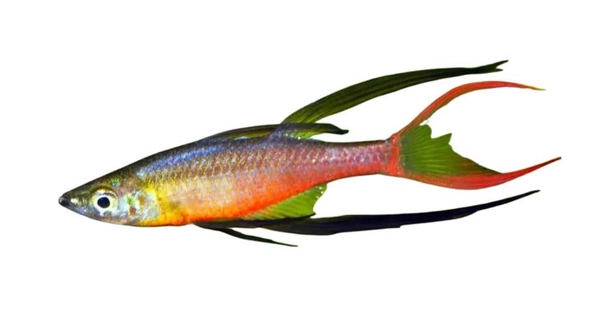
Have you ever watched your threadfins swim and noticed something seemed off, as if they were unsure where to go? These fish are usually graceful, but sometimes subtle changes in their behavior signal trouble. Observing them closely helps.
Threadfins may exhibit disorientation through erratic swimming, loss of schooling behavior, changes in feeding patterns, unusual fin movements, or hesitation near familiar areas. Monitoring these signs can indicate stress, environmental issues, or potential health problems that require attention.
Recognizing these behaviors early allows you to address the cause and help your threadfins regain their natural rhythm and confidence in their environment.
Erratic Swimming Patterns
Threadfins usually swim in smooth, coordinated motions, moving with their school and exploring their surroundings calmly. When they feel disoriented, their swimming becomes erratic. You might notice sudden bursts of speed, abrupt changes in direction, or even spinning in place. These behaviors are a clear sign that something is affecting their ability to navigate normally. It can be stressful to watch, especially when your fish seem confused in familiar areas. Environmental factors, water quality, or illness can all impact their orientation, so careful observation is essential. Sometimes, even subtle changes like hesitating before moving or bumping into objects indicate that they are not as comfortable as usual. Paying attention to these patterns can help you address issues before they escalate, ensuring your threadfins remain healthy and confident in their environment. Consistent monitoring helps maintain their well-being and prevents minor problems from becoming serious.
Erratic swimming often signals disorientation or stress. Immediate attention to water conditions and health can prevent worsening behavior.
Noticing these movements is important because it gives insight into their overall health. A sudden change could indicate that something in their tank is off balance. Observing their behavior over several days allows you to detect patterns and understand the cause. This knowledge is key to maintaining a stable environment and promoting the fish’s natural swimming habits. Adjusting lighting, checking water chemistry, or evaluating tankmates can make a big difference. Over time, threadfins can regain their usual coordinated swimming once the underlying issue is addressed. This careful attention ensures they feel secure and maintain their usual routines without unnecessary stress, ultimately supporting long-term health.
Loss of Schooling Behavior
When threadfins stop swimming in a group or isolate themselves, it often indicates confusion or stress. They may lag behind or move independently, which is unusual for schooling fish.
Threadfins are social fish, and schooling helps them feel safe and oriented. A fish that separates from the group may be struggling to navigate its environment. Loss of schooling behavior can result from changes in water conditions, sudden noise, or illness. Observing which fish are affected and noting any concurrent behavioral changes can help identify the problem. In some cases, even minor adjustments to lighting or the tank layout restore their normal social behavior. Fish that remain isolated for extended periods may need more attention, such as a health check or adjustments to tankmates. Consistent observation, recording changes, and acting quickly can prevent small issues from escalating. Re-establishing schooling behavior not only improves their safety but also reduces stress, promoting overall health and activity. By understanding these patterns, you can maintain a more harmonious and secure environment for all your threadfins.
Hesitation Near Familiar Areas
Threadfins may pause unexpectedly near corners or areas they usually swim through easily. This hesitation shows they are unsure of their surroundings.
Hesitation near familiar spots can indicate disorientation or stress. A fish that normally swims confidently around decorations or tank edges may suddenly stop, swim slowly, or turn back without reason. These behaviors often reflect subtle environmental changes or discomfort that affect their navigation. Stressful conditions such as sudden lighting changes, temperature fluctuations, or overcrowding can make threadfins reluctant to move freely. Observing these pauses helps pinpoint problems before they worsen, allowing you to maintain a stable and predictable habitat. Regularly checking water parameters, tank setup, and daily routines can reduce such hesitation, ensuring your fish feel secure.
Even slight hesitation should not be ignored. It may also signal health issues such as swim bladder problems, infections, or minor injuries. Monitoring their behavior over time helps detect patterns, showing whether these pauses are temporary or persistent. Providing a calm environment, stable water quality, and clear swimming paths encourages normal activity. Adjusting tank arrangements to minimize obstacles or sudden changes can restore confidence. In some cases, isolating stressed or ill fish temporarily allows them to regain comfort. Consistency and patience are key to helping threadfins return to their usual, fluid swimming.
Changes in Feeding Patterns
Threadfins that eat less or seem uninterested in food may be feeling disoriented or stressed. Even minor shifts in appetite are important to note.
Altered feeding patterns often reflect underlying issues such as water quality, stress, or early signs of illness. A fish that normally eagerly consumes flakes or pellets may nibble slowly, spit out food, or ignore it entirely. Observing when and how they eat provides valuable insight into their health and comfort levels. Sometimes, these changes are temporary, caused by minor disturbances like rearranged decorations or a new tankmate. Other times, persistent feeding issues signal a need for closer inspection. Maintaining clean water, consistent feeding schedules, and monitoring behavior helps address these concerns.
Changes in appetite may also accompany other behavioral cues such as erratic swimming or isolation. Recognizing these connections allows for early intervention, preventing more serious health complications. Adjusting feeding methods, such as providing smaller portions or more frequent meals, can encourage eating while reducing stress. Ensuring a balanced diet and monitoring food intake supports recovery and overall well-being. Patience and careful observation are essential to restoring normal feeding habits, helping threadfins maintain energy and confidence in their environment.
Unusual Fin Movements
Threadfins may flare, clench, or move their fins irregularly when disoriented. These movements are not part of their normal swimming behavior.
Such fin behaviors can indicate stress, irritation, or confusion. Observing how often and in what situations these movements occur helps identify environmental or health-related triggers.
Collisions with Tank Objects
Disoriented threadfins sometimes bump into decorations, plants, or the tank walls. These collisions show they are struggling to navigate familiar spaces.
Frequent contact with objects may signal vision problems, swim bladder issues, or stress. Keeping the tank organized with clear swimming paths and monitoring water conditions can reduce these incidents. Careful observation ensures threadfins remain safe and maintain normal movement patterns.
Loss of Color Intensity
A noticeable fading or dulling of color in threadfins often accompanies disorientation. This change is usually subtle but significant.
FAQ
Why do my threadfins seem confused even in a familiar tank?
Threadfins rely heavily on their surroundings and water conditions to navigate. Even minor changes in temperature, lighting, or water chemistry can make them feel disoriented. Rearranging decorations or adding new tankmates can also cause temporary confusion until they adjust. Regular observation helps identify what triggers these behaviors.
Can water quality affect their orientation?
Yes, poor water quality is a major factor. High ammonia, nitrite, or nitrate levels can stress fish and impact their swimming patterns. Inconsistent pH or temperature fluctuations may also cause disorientation. Testing water regularly and maintaining stable conditions helps your threadfins stay confident in their environment.
Are there health issues that make threadfins lose direction?
Certain illnesses can affect balance and coordination. Swim bladder problems, internal infections, or parasites can lead to erratic swimming, hesitation, or collisions with tank objects. Watching for additional signs like loss of appetite, clamped fins, or color changes helps determine if medical attention is needed.
How can I help a fish that isolates itself from the school?
Isolation usually indicates stress or illness. Ensuring the tank is not overcrowded, checking water quality, and observing interactions with other fish can help. Sometimes separating the affected fish in a calm environment allows it to regain confidence without interference from more active tankmates.
Do feeding habits reveal confusion or stress?
Absolutely. Threadfins that eat less, spit out food, or seem uninterested in feeding may be disoriented or stressed. Sudden changes in appetite can be caused by water quality issues, illness, or environmental disturbances. Monitoring feeding routines closely can provide early warning signs of problems.
Can tank layout changes impact orientation?
Yes, even small changes can make threadfins hesitant or confused. Adding new plants, decorations, or structures alters their familiar landmarks. Gradual adjustments and keeping swimming paths clear helps them adapt more easily and reduces stress-related behaviors.
How long does it take for threadfins to regain normal behavior?
Recovery depends on the cause. If the issue is environmental, fish may readjust within days. Health-related problems might require treatment, extending recovery to weeks. Patience, consistent care, and minimizing stressors ensure a smoother return to normal behavior.
Should I consult a veterinarian if behaviors persist?
Yes, persistent disorientation or unusual behaviors may indicate underlying health problems. A vet specializing in fish can provide guidance, perform examinations, and suggest treatments. Early intervention often prevents more serious complications and supports overall fish well-being.
Can stress from tankmates cause disorientation?
Interactions with aggressive or overly active fish can make threadfins hesitant or confused. Observing social dynamics, adjusting tank populations, or providing hiding spaces can reduce stress and help disoriented fish regain normal activity.
What daily habits help prevent disorientation in threadfins?
Consistent feeding, stable water conditions, and a predictable environment are key. Avoid sudden changes, monitor fish behavior, and maintain a clear swimming area. Keeping a close eye on their health and behavior allows you to address issues before they escalate, supporting long-term orientation and well-being.
How do I know if hesitation near tank objects is serious?
Occasional pauses are normal, but frequent stops or repeated collisions may indicate stress, poor water quality, or health problems. Observing patterns and combining this with other behavioral cues helps determine if intervention is needed to maintain safety and comfort.
Can environmental enrichment help disoriented threadfins?
Yes, adding structures, plants, or gentle water flow can create landmarks and stimulate natural behavior. Ensuring these additions do not overcrowd the tank or obstruct swimming paths is important. Proper enrichment supports confidence and reduces disorientation.
Do temperature changes affect orientation?
Threadfins are sensitive to sudden temperature shifts. Even small drops or spikes can cause hesitation, erratic swimming, or loss of schooling behavior. Keeping temperature stable within the ideal range for the species reduces stress and helps maintain normal activity.
How important is observation for preventing disorientation?
Very important. Daily monitoring of swimming patterns, feeding behavior, and interactions with other fish allows early detection of disorientation. Prompt action based on observation can prevent minor stressors from escalating into serious health or behavioral problems.
Can lighting impact threadfins’ confidence in the tank?
Yes, sudden changes in lighting or excessive brightness can make threadfins hesitant or confused. Gradual adjustments, using dimmers or natural light cycles, and avoiding sudden flashes help maintain normal swimming behavior and reduce stress.
Are older threadfins more prone to disorientation?
Age can affect coordination and responsiveness. Older fish may swim slower, hesitate more, or react differently to environmental changes. Extra care, stable conditions, and gentle observation are important to help older threadfins remain confident and healthy.
What signs show that disorientation is improving?
Return to smooth swimming, rejoining the school, consistent feeding, and confident exploration of familiar areas indicate recovery. Tracking these improvements helps confirm that interventions, environmental adjustments, or treatments are effective.
Can social reinforcement from other fish help disoriented threadfins?
Yes, schooling behavior provides safety and orientation cues. When a disoriented fish is gradually reintroduced to a calm, cooperative school, it can regain confidence more quickly. Minimizing aggressive interactions ensures a supportive social environment.
Is it normal for disorientation to come and go?
Temporary disorientation may occur with minor stressors or environmental changes. Persistent or recurring disorientation often points to underlying health or chronic environmental issues. Monitoring over time helps distinguish between temporary confusion and serious problems.
Do water flow patterns affect threadfin orientation?
Strong or uneven currents can confuse fish, especially if they are disoriented or stressed. Maintaining gentle, consistent flow allows better navigation and reduces collisions. Proper water circulation supports comfort and normal movement patterns.
How can I track behavioral changes effectively?
Keeping a daily log of swimming, feeding, and social interactions helps identify trends or triggers. Notes on environmental changes, water parameters, or new tankmates provide context. Over time, this record makes it easier to respond promptly to disorientation or other issues.
Are supplements or diet changes helpful for disoriented threadfins?
Balanced nutrition supports overall health, which can improve swimming confidence and recovery from stress. Specialized supplements may help in specific cases, but environmental stability and monitoring behavior remain the most effective strategies.
Threadfins are delicate fish, and their behavior often reflects how comfortable they feel in their environment. Observing small changes can give important clues about their well-being. Signs such as erratic swimming, hesitation near familiar areas, loss of schooling, or unusual fin movements may indicate that a fish is disoriented or stressed. Paying close attention to these behaviors is not just about noticing problems but understanding what might be affecting their daily life. Even subtle shifts in their swimming or feeding habits can signal that the tank environment or their health needs some attention. Consistent monitoring helps prevent minor issues from becoming more serious.
Maintaining a stable and healthy environment is key to keeping threadfins oriented and confident. Proper water conditions, including consistent temperature, pH, and cleanliness, are essential. Changes in lighting, water flow, or tank layout can affect how they move and interact with each other. Social dynamics also play a role; threadfins are schooling fish, and isolation or aggressive tankmates can increase stress. Keeping their tank predictable and safe allows them to swim naturally and feel secure. Offering hiding spaces, clear swimming paths, and minimal sudden disturbances supports their comfort. Adjusting feeding routines, observing food intake, and providing a balanced diet further contribute to their overall health and orientation.
Recovery from disorientation often takes patience and careful observation. Sometimes environmental adjustments are enough to restore normal behavior, while other times health concerns need to be addressed. Watching for improvements in swimming patterns, appetite, color, and social interactions provides insight into whether interventions are effective. Early attention to unusual behaviors ensures that threadfins regain confidence and maintain their usual energy levels. With a consistent, supportive environment and careful monitoring, these fish can return to their natural rhythm and display the graceful, coordinated swimming that makes them so rewarding to keep. Understanding their needs and responding promptly to changes in behavior strengthens their overall well-being and helps create a stable, stress-free habitat.

Hello,
If you enjoy the content that we create, please consider saying a "Thank You!" by leaving a tip.
Every little bit helps us continue crafting quality advice that supports the health, happiness, and well-being of pets around the world, for pets of all shapes, sizes, and species.
We really appreciate the kindness and support that you show us!