
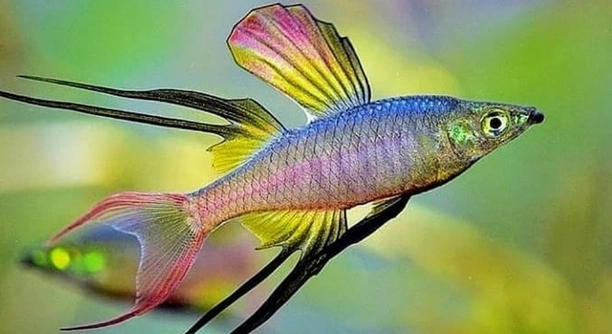
Do you ever find yourself managing threadfin transport and noticing the stress it can cause to the fish? Transporting delicate species like threadfin requires careful attention to their environment, handling, and overall well-being during transit.
Reducing stress during threadfin transport can be achieved through temperature control, oxygen management, minimal handling, proper acclimation, gentle water movement, use of stress-reducing additives, and monitoring transport duration. Implementing these practices ensures the fish remain healthy and resilient.
Understanding these methods will help maintain the health of threadfin during transit, ensuring better survival rates and overall welfare during each transport session.
Temperature Control During Transport
Maintaining the correct water temperature is essential when transporting threadfin. Sudden fluctuations can stress the fish, weaken their immune system, and increase mortality. Ideally, the water temperature should match their natural habitat, minimizing shock and ensuring physiological stability. Using insulated containers or temperature-regulated transport tanks can help maintain consistency. Pre-checking the temperature before placing the fish inside reduces risks of sudden exposure to unsuitable conditions. During longer transport, consider portable heaters or chillers to sustain the optimal range. Even a few degrees above or below the preferred temperature can affect metabolism, oxygen consumption, and overall stress levels. Consistent monitoring throughout transport is critical, especially during seasonal temperature changes. Threadfin are particularly sensitive to heat spikes, which may trigger rapid movements, increased respiration, and physical damage if they collide with container walls. A gradual approach to adjusting temperature before and during transport helps keep them calm. Documenting temperature records can also improve future transport protocols and ensure repeatable success.
Using stable temperatures protects fish from immediate stress and long-term health problems.
Temperature management is one of the most reliable ways to reduce stress and ensure high survival rates. Combining this with proper oxygenation and minimal handling creates an environment where threadfin can remain stable throughout transport. Consistent conditions reduce behavioral stress, prevent shock, and maintain immune response. Implementing simple measures like insulated containers, pre-testing water temperature, and avoiding rapid adjustments helps maintain a calm environment. For longer trips, monitoring devices allow continuous observation of conditions and quick adjustments if needed. Overall, careful temperature control supports physiological balance, helping threadfin adapt better to the temporary transport environment. Maintaining the right thermal conditions ensures a smoother process, fewer mortalities, and healthier fish upon arrival.
Oxygen Management
Adequate oxygen levels are critical to preventing stress during threadfin transport. Low oxygen increases respiration and can cause rapid fatigue, leading to mortality if not addressed.
Using aeration devices or oxygen supplementation ensures fish have enough dissolved oxygen throughout transport. Monitoring oxygen levels frequently is essential. Sudden drops can result from overstocking, high temperatures, or agitation, so maintaining a safe ratio of fish to water volume is necessary. Portable aerators, oxygen cylinders, or air stones help keep concentrations stable. Additionally, reducing unnecessary movements in transport tanks prevents oxygen depletion. Threadfin rely on sufficient oxygen to maintain normal metabolism, so any shortage directly affects their health. Planning transport routes and timing to avoid extreme heat or agitation further supports oxygen stability. Proper oxygen management also interacts with water temperature and quality, creating an environment where fish can tolerate transit better. Incorporating simple checks, such as measuring dissolved oxygen with a meter or observing fish behavior, provides early warning signs of stress. These steps collectively minimize the risk of hypoxia-related complications.
Maintaining consistent oxygen levels reduces stress and improves survival during threadfin transport, ensuring the fish remain active and healthy.
Minimal Handling
Frequent handling increases stress and physical damage to threadfin. Reducing direct contact, using soft nets, and moving fish carefully limits injury and agitation during transport.
When handling is necessary, always use smooth, wet surfaces and avoid squeezing or dropping the fish. Quick, efficient movements help minimize stress, as prolonged exposure outside water can cause rapid oxygen depletion and physical harm. Using containers that allow gentle transfer and limiting the number of times fish are moved further reduces risk. Staff should be trained in proper handling techniques, emphasizing calm and steady actions. Even small improvements, like pre-rinsing nets and avoiding overcrowding, can significantly reduce trauma. Threadfin are sensitive, and rough handling can trigger erratic swimming, bruising, or scale loss, which impacts survival after transport. Maintaining a structured routine with minimal interruptions ensures consistency and better outcomes.
Planning handling procedures in advance allows smoother operations. Proper training and careful movement prevent stress and injury, keeping threadfin healthier throughout transport.
Limiting handling also preserves water quality. Fewer fish movements reduce waste suspension and oxygen depletion. Minimizing disturbances supports overall transport efficiency, reducing cumulative stress and improving recovery after arrival. By combining gentle techniques, controlled movements, and careful monitoring, the fish remain calm and less prone to injury. Ensuring consistent handling protocols prevents unnecessary agitation, which directly improves survival rates. Over time, small adjustments in technique can lead to noticeably calmer, healthier fish during each transport session.
Proper Acclimation
Gradually adjusting fish to new water conditions reduces shock and stress during transport. Sudden changes in salinity or temperature can be harmful.
Acclimation involves slowly mixing transport water with the fish’s current environment. Adding small amounts of new water at intervals allows threadfin to adjust physiologically. This process can prevent rapid shifts in osmotic balance, which otherwise cause stress, lethargy, or even mortality. Careful observation during acclimation ensures fish are responding normally. Signs of distress, such as erratic swimming or rapid gill movement, indicate adjustments are needed. Using aeration during acclimation maintains oxygen levels, supporting the fish’s adaptation. Even minor environmental differences, like pH or hardness, should be considered to reduce the likelihood of shock. Documenting acclimation steps creates a reproducible procedure for future transports, helping maintain consistency.
Proper acclimation reduces stress and improves survival by giving threadfin time to adapt to transport conditions. Gradual adjustments help maintain normal metabolism, prevent physiological shock, and ensure fish remain active and healthy. Combining acclimation with careful temperature control and oxygen management enhances the overall effectiveness of stress reduction techniques. By following a systematic approach, threadfin can tolerate temporary changes without negative effects, improving their resilience and overall welfare during transit.
Gentle Water Movement
Excessive water turbulence stresses threadfin and can cause physical harm. Gentle water movement during transport ensures the fish swim calmly and reduces the risk of injury.
Using slow, controlled water circulation prevents collisions and minimizes agitation. Avoid strong pumps or rapid currents that may exhaust the fish or damage their delicate fins.
Stress-Reducing Additives
Adding safe stress-reducing compounds can help maintain fish health during transport. Common options include natural sedatives or commercially approved additives that stabilize metabolism and reduce aggressive behaviors. These additives should be used according to recommended dosages and with careful monitoring to avoid overdose or negative interactions. Their effectiveness depends on water quality, temperature, and transport duration, so combining additives with proper handling, temperature control, and oxygen management maximizes their benefits. Observing fish behavior after adding the compounds allows immediate response to signs of distress, ensuring that stress levels remain low. Integrating these additives into routine transport procedures can significantly enhance survival and overall well-being for threadfin.
Monitoring Transport Duration
Limiting the length of transport reduces stress and prevents health deterioration. Keeping trips as short as possible ensures threadfin remain stable.
FAQ
What is the ideal water temperature for threadfin during transport?
Maintaining a stable water temperature close to the fish’s natural habitat is crucial. Sudden changes can stress the fish, weaken immunity, and increase mortality. Using insulated containers or temperature-regulated tanks helps maintain consistency. Pre-checking water temperature before placing the fish inside reduces shock and supports physiological stability throughout the transport period.
How often should oxygen levels be checked during transport?
Oxygen levels should be monitored regularly, especially during long trips. Using aeration devices or oxygen cylinders ensures fish have enough dissolved oxygen. Sudden drops can result from overcrowding, high temperature, or agitation, so keeping a proper fish-to-water ratio is essential to maintain a safe environment. Observing fish behavior can also provide early warning signs of oxygen stress.
Can handling the fish too much cause long-term problems?
Yes, frequent or rough handling can cause bruising, scale loss, or stress that weakens the fish over time. Using soft nets, wet surfaces, and minimal contact reduces injury. Efficient movements and careful training for staff handling fish help maintain health and calm behavior during transport.
Should I use stress-reducing additives every time?
Stress-reducing additives can help maintain fish health, but they must be used properly. Overuse or incorrect dosages can cause negative effects. These additives work best when combined with proper temperature control, oxygen management, and minimal handling. Observing the fish after application ensures they respond well.
How long can threadfin be transported safely?
Shorter transport durations are always better. Prolonged trips increase stress and risk of mortality. Proper planning, including water quality management, acclimation, and oxygen monitoring, helps extend safe transport times. Limiting unnecessary delays and keeping the trip efficient reduces cumulative stress on the fish.
How should I acclimate fish before transport?
Gradually adjusting fish to new water conditions prevents shock. Slowly mixing transport water with their current water at intervals allows threadfin to adapt. This approach helps maintain osmotic balance, prevents erratic behavior, and ensures metabolism remains stable. Aeration during acclimation supports oxygen needs while the fish adjust.
Is water movement important inside transport containers?
Yes, gentle water movement keeps fish calm and prevents collisions. Strong currents or turbulence exhaust the fish and damage delicate fins. Slow, controlled circulation ensures a safe environment while maintaining oxygen levels, making the fish more resilient to transport stress.
What should I do if fish appear stressed during transport?
If threadfin show erratic swimming, rapid gill movements, or lethargy, check temperature, oxygen levels, and water quality immediately. Adjust conditions gradually and avoid further handling. Using stress-reducing additives carefully can also help calm the fish. Observing changes closely allows timely interventions to prevent injury or mortality.
How important is documenting the transport process?
Documenting temperature, oxygen levels, handling procedures, and transport duration creates a reference for future trips. Consistent records improve planning, highlight areas needing improvement, and increase survival rates. Keeping detailed logs ensures a repeatable, stress-minimized transport routine.
Can transport affect long-term health of threadfin?
Yes, repeated stress during transport can compromise immune response, growth, and overall vitality. Minimizing handling, controlling temperature and oxygen, and using acclimation and stress-reducing strategies protect both immediate and long-term health, ensuring fish remain active and resilient after arrival.
Are there any signs that indicate a fish is recovering well post-transport?
Healthy recovery signs include normal swimming behavior, steady respiration, bright coloration, and active feeding. Lack of abnormal fin damage, bruising, or lethargy also indicates effective stress management during transport. Observing fish for several hours post-transport provides a clear assessment of overall well-being.
How can I improve transport success over time?
Regularly reviewing procedures, adjusting based on observations, and combining all stress-reduction techniques—temperature control, oxygen management, minimal handling, acclimation, and gentle water movement—ensures better outcomes. Continuous monitoring and staff training create a repeatable process with higher survival and healthier fish.
This FAQ addresses common concerns and provides actionable guidance, ensuring threadfin remain calm, healthy, and resilient throughout transport. Proper preparation, careful monitoring, and consistent techniques are key to minimizing stress and maintaining long-term fish welfare.
Final Thoughts
Transporting threadfin requires careful attention to multiple factors to ensure their health and survival. Stress during transport can weaken fish, reduce immunity, and increase the risk of mortality, making proper preparation essential. Key elements include maintaining stable water temperature, monitoring oxygen levels, limiting handling, and acclimating the fish gradually to new conditions. Each step plays a critical role in reducing stress and supporting overall well-being. Even minor changes in handling or water quality can have significant effects on the fish, so attention to detail is important. By planning each aspect of the transport process, from container selection to monitoring protocols, the risk of complications is minimized. Consistency in these practices builds a reliable system that improves both the immediate and long-term outcomes for the fish. Understanding the sensitivity of threadfin to their environment helps create a safe, controlled setting that reduces unnecessary agitation.
Combining multiple stress-reduction strategies ensures the best results. Gentle water movement, the use of stress-reducing additives when appropriate, and careful observation of fish behavior all contribute to calmer, healthier fish during transport. Acclimation before and during transit allows threadfin to adjust to changes gradually, preventing shock and supporting normal metabolism. Staff training is also essential, as proper handling techniques and awareness of stress signs can prevent injury and unnecessary stress. Preparing equipment, checking temperature, ensuring sufficient oxygen, and limiting transport duration are all small steps that together create a stable environment for the fish. Monitoring throughout transport is critical, as even small changes can indicate potential problems. Quick adjustments, based on careful observation and experience, help maintain optimal conditions and prevent health decline. By combining planning, proper technique, and observation, the transport process becomes more predictable and safer for the fish.
Long-term welfare is just as important as short-term survival. Repeated stress during transport or poor handling can affect growth, immune response, and overall vitality. Using the techniques outlined ensures that threadfin remain active, healthy, and resilient after transit. Consistent records of transport conditions, including temperature, oxygen, and handling practices, allow for improvements over time and help maintain repeatable success. By focusing on every detail, from acclimation to monitoring, transport becomes a manageable process rather than a source of unnecessary stress. Implementing these practices not only improves survival rates but also supports the fish’s long-term health and quality. In the end, careful planning, controlled handling, and attention to environmental conditions create a system where threadfin can be moved safely, maintain their natural behavior, and arrive in good condition, ready to thrive in their new setting.

Hello,
If you enjoy the content that we create, please consider saying a "Thank You!" by leaving a tip.
Every little bit helps us continue crafting quality advice that supports the health, happiness, and well-being of pets around the world, for pets of all shapes, sizes, and species.
We really appreciate the kindness and support that you show us!