
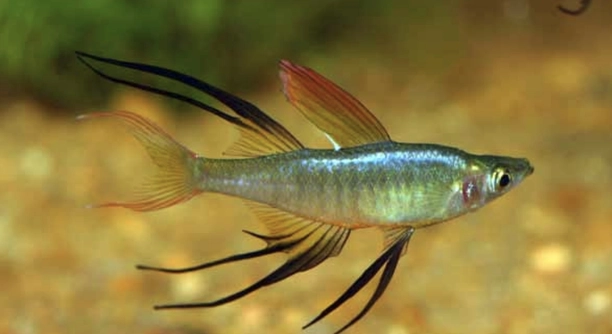
Threadfins are fascinating fish known for their shimmering bodies and delicate fins. They often live in overlapping territories where competition for space and food is common, influencing their daily behavior and interactions with other fish.
During territory disputes, threadfins exhibit aggressive displays such as fin spreading, body posturing, and chasing rivals away. These behaviors establish dominance, protect resources, and reduce prolonged conflict by clearly signaling strength and intent between competing individuals.
Observing these interactions provides insight into their social structure and survival strategies in natural habitats. Understanding these patterns reveals how threadfins maintain order and coexistence within shared environments.
How Threadfins Mark Their Territory
Threadfins mark their territories primarily through visual and behavioral cues. They often spread their fins widely to appear larger and more intimidating. This display communicates strength without requiring direct physical contact. Males may swim in circles, vibrating their bodies to signal presence to rivals. These subtle actions are a way of asserting control over a specific area. Threadfins also use rapid swimming patterns along the edges of their claimed zone. By doing so, they reinforce boundaries and warn intruders to stay away. These signals are efficient because they minimize the risk of injury. Other fish in the vicinity quickly learn to recognize these visual markers. Over time, repeated displays help maintain stable territories, reducing constant conflicts. Threadfins rely heavily on these methods because direct fighting is energy-intensive and dangerous. Observing them gives insight into how fish communicate and manage space without frequent combat.
Territory marking is more about signaling than fighting. Threadfins prefer visual displays to physical confrontations, saving energy for survival and reproduction.
Understanding these behaviors helps explain why certain areas are consistently occupied. It also highlights the importance of space in feeding, mating, and protection. Threadfins rely on these cues to avoid unnecessary fights. By monitoring rivals, they can assess threats and decide whether to engage or retreat. Such behaviors ensure that strong, fit individuals dominate prime areas while others seek less contested spaces. This balance maintains population stability and reduces injuries. The repetition of marking signals strengthens recognition among nearby fish. Even juveniles learn these patterns early, shaping social interactions as they grow. Researchers can use these observations to study fish hierarchy and ecosystem dynamics. The patterns are consistent across different environments, whether in calm lagoons or open coastal waters. Threadfins’ strategies demonstrate an intricate balance of competition, communication, and cooperation that supports their survival in shared habitats.
Common Conflict Behaviors
Threadfins often exhibit chasing, rapid darting, or circling during disputes. These actions help enforce territory limits quickly and decisively.
Physical confrontations are rare but can occur if displays fail. They may briefly bump or nudge rivals to assert dominance. Aggression usually stops once one fish retreats. Energy is conserved by avoiding prolonged fights. Such behaviors are finely tuned to the size and strength of the opponent. Smaller intruders often retreat immediately, while equal-sized fish may repeat displays until one yields. Threadfins also use vertical positioning, swimming higher or lower in the water column to assert control. This visual hierarchy reinforces the dominance of certain individuals. Over time, these interactions reduce conflict frequency, as established boundaries are respected. Observing these patterns can reveal which fish are most dominant and how they manage resources. Repeated minor conflicts create a predictable structure, supporting group stability. By understanding these behaviors, we can see how threadfins maintain order without constant aggression.
Visual Displays and Signals
Threadfins use fin spreading and body posture to communicate strength. These visual cues prevent unnecessary fights by clearly showing dominance without direct contact.
The fins of threadfins are long and delicate, making them perfect for signaling. When a fish spreads its fins fully, it appears larger and more threatening. Rapid swimming along boundaries reinforces ownership. Rival fish recognize these signs and often retreat, avoiding injury. These displays are consistent and repeatable, forming an unspoken language. Even subtle changes in body angle or fin position can convey information about aggression or submission. This system allows threadfins to maintain territories efficiently, reducing energy spent on physical conflict.
In addition to fin spreading, threadfins sometimes perform short, quick movements like darting or circling to emphasize presence. These bursts of motion act as additional signals, showing alertness and readiness. Combining visual size displays with movement patterns strengthens their message. Fish that ignore these cues risk confrontation. Over time, these interactions create a stable hierarchy where each individual understands its position. Juvenile threadfins quickly learn to read these signals, shaping behavior for future disputes.
Energy Management During Conflicts
Threadfins conserve energy by limiting the duration and intensity of disputes. They rely on displays first rather than physical fighting.
Physical clashes are costly and risky. Threadfins often retreat after initial displays rather than escalate. Quick assessments of opponents allow them to decide whether to engage. By avoiding long fights, they maintain energy for feeding, reproduction, and survival. Observing these behaviors shows how efficiently fish balance competition and conservation.
The combination of visual signaling and selective aggression demonstrates careful energy management. When two fish of similar size meet, they may repeat displays multiple times until one retreats. Short chases or nudges may occur, but prolonged combat is rare. This strategy ensures that strong fish maintain prime territories while weaker individuals avoid injury and stress. The energy saved through these tactics allows threadfins to focus on growth and reproduction. Over time, such practices shape social hierarchies and reduce mortality. By studying these patterns, it becomes clear how threadfins have adapted behaviorally to thrive in competitive environments.
Chasing and Retreating
Threadfins often chase intruders to enforce territory. Chases are short and decisive, ending when the weaker fish retreats.
Retreating is a common response. Fish avoid prolonged fights by yielding early, preserving energy and preventing injuries while still respecting territorial boundaries.
Subtle Communication Techniques
Threadfins also use subtle movements like tilting, slight fin flicks, or quick darts to convey intent. These non-aggressive signals help rivals gauge strength and mood without direct confrontation. Over time, fish learn to recognize each individual’s patterns, creating a structured hierarchy within the territory. These techniques reduce repeated conflicts and help maintain order.
Role of Size and Strength
Larger threadfins usually dominate disputes. Their size and strength give them an advantage, allowing them to secure prime feeding and resting areas.
FAQ
How do threadfins know when to back off?
Threadfins observe visual cues and movement patterns of rivals. If a competitor spreads fins widely, swims aggressively, or performs quick darting motions, weaker or smaller fish interpret this as a sign to retreat. These signals prevent serious injuries while maintaining the territory hierarchy. Fish quickly learn to recognize individuals and adjust behavior.
Do all threadfins fight for territory?
Not every threadfin engages in aggressive behaviors. Some prefer to occupy less contested areas or avoid conflict entirely. Factors such as age, size, and physical condition influence whether a fish will actively defend a zone. Subordinate fish often focus on survival rather than dominance.
What happens if two large threadfins meet?
When two similarly sized threadfins encounter each other, displays can last longer. Chasing, circling, and fin spreading may repeat multiple times until one fish decides the energy cost is too high. These encounters rarely escalate into prolonged physical fights, as both fish aim to conserve energy.
Why are visual displays important?
Visual signaling allows threadfins to communicate intentions without physical harm. Spreading fins, posturing, and quick darting serve as warnings. These non-contact methods are efficient, reducing risk of injury while clearly establishing dominance or submission. Fish that ignore these cues risk unnecessary confrontation.
Do threadfins use sound or other senses during disputes?
Primarily, threadfins rely on sight. However, subtle vibrations in the water created by swimming or fin movements may provide additional cues. These signals help rivals detect presence and size, reinforcing territory boundaries without direct interaction.
How often do disputes occur?
Disputes are frequent when territories overlap or food is limited. Over time, fish establish routines and boundaries, which reduces the frequency of conflict. Most encounters are brief and resolved with displays rather than fights. Juveniles may engage more often as they learn boundaries.
Does the environment affect territorial behavior?
Yes, factors such as water depth, visibility, and availability of resources influence behavior. Open areas may require more pronounced displays, while areas with cover allow fish to retreat more easily. Rich feeding zones often see increased disputes, as resources are highly valued.
Can threadfins coexist peacefully?
Yes, once territories are clearly established, most fish respect boundaries. Clear visual signals and repeated interactions create a stable hierarchy. Subordinate fish adapt by occupying less contested areas, which reduces aggressive encounters. This balance supports survival and access to food and shelter.
Do threadfins learn from past encounters?
Absolutely. Fish remember rivals and adjust behavior accordingly. Past experiences inform future interactions, helping them assess threats quickly. This memory reduces unnecessary fights and supports long-term stability in social structure.
Are physical fights common?
Physical fights are rare. Most disputes are resolved through displays and short chases. Direct contact is avoided due to the risk of injury and the high energy cost. Only when both fish are evenly matched and unwilling to yield does physical confrontation occur, and even then, it is brief.
How do juveniles behave compared to adults?
Juvenile threadfins often test boundaries and engage in more frequent displays. They are still learning territory dynamics and observing adult behaviors. Adults tend to rely on established signals and past experience to maintain control with minimal conflict. Over time, juveniles adopt these strategies as they mature.
Do threadfins ever switch territories?
Occasionally, fish may move to a new area if it offers better resources or if they are displaced by a stronger rival. Switching is usually strategic, minimizing conflicts while securing access to food and shelter. Fish weigh the risks of moving versus benefits carefully before leaving a territory.
How long does a territory last?
Territory duration depends on resource availability, fish size, and environmental stability. Strong, dominant individuals can maintain a territory for months, while less dominant fish may have shorter, more transient zones. Stable environments encourage longer-term territorial occupancy, promoting consistent social structures among threadfins.
Do threadfins ever share territory?
Sharing is uncommon but can occur when resources are abundant. Fish may tolerate each other at a distance, reducing aggression. Cooperative tolerance is often temporary and depends on the relative size and dominance of the individuals involved.
What can observers learn from these behaviors?
Observing threadfin territorial behavior reveals social hierarchies, communication strategies, and survival tactics. Understanding their patterns highlights the importance of non-physical signaling and energy conservation in aquatic ecosystems. These behaviors demonstrate a balance between competition, safety, and efficient resource management.
How do environmental changes impact disputes?
Changes such as decreased visibility, altered currents, or reduced food availability can increase disputes. Fish may intensify displays or increase chasing frequency to protect critical areas. Conversely, abundant resources and stable conditions reduce conflicts and promote predictable social structures.
Can aggression affect reproduction?
Yes, dominant fish often secure prime territories with better access to food and shelter, increasing mating opportunities. Subordinate fish may delay reproduction or settle in less favorable areas, influencing population dynamics and the overall success of breeding within the group.
Do threadfins recover quickly after disputes?
Typically, yes. Because most conflicts are brief and non-physical, energy loss is minimal. Fish resume normal feeding, resting, and patrolling activities soon after a dispute ends. Quick recovery helps maintain daily routines and ensures survival despite frequent territorial interactions.
Are these behaviors consistent across species?
Most threadfin species display similar patterns of signaling, chasing, and retreating. Minor differences exist depending on habitat, size, and social structure, but the overall strategies of visual communication and energy conservation are widely observed. These behaviors are key to their survival and territorial management.
Can observing threadfins help in conservation?
Yes, monitoring their territorial interactions provides insights into population health, social structures, and habitat needs. Understanding these behaviors allows better management of environments to support stable populations and reduce stress from competition, ultimately aiding in species conservation.
Final Thoughts
Threadfins show that even small fish have complex ways of managing territory and interacting with others. Their behaviors are not random; each display, chase, or retreat serves a purpose. They rely heavily on visual signals like spreading fins, circling, or darting to communicate strength and intentions. These actions reduce the need for physical fights, which can be dangerous and waste energy. By using displays instead of constant fighting, threadfins can protect their resources, including food, shelter, and space, without putting themselves at risk. It is fascinating to see how these fish balance aggression with caution, showing that survival is often about strategy rather than sheer force. Over time, the repeated use of these signals establishes clear boundaries. Fish learn which areas are occupied and which rivals are strongest, creating a stable social structure within their habitats. Observing threadfins provides a clear example of how even subtle behaviors can maintain order in nature.
Energy conservation plays a key role in their daily lives. Physical fights are rare because they are costly, both in terms of energy and potential injury. Instead, threadfins assess each opponent carefully before deciding how to respond. A smaller or weaker fish will often retreat when confronted by a larger, more dominant individual. Larger fish can defend prime feeding and resting areas with minimal effort, relying on displays to keep rivals at a distance. Even during brief chases or nudges, the energy spent is limited and purposeful. This efficiency allows threadfins to dedicate time and energy to other vital activities like feeding, growing, and reproducing. It is clear that their behavioral strategies are shaped by survival needs. Each interaction, whether aggressive or subtle, is part of a system that ensures the fish can thrive in competitive environments without exhausting themselves unnecessarily.
Understanding these behaviors gives insight into the social dynamics of threadfins and the importance of territory in aquatic ecosystems. By marking and defending their zones, fish can reduce conflicts while maintaining access to essential resources. Their strategies highlight the role of communication, memory, and experience in shaping interactions. Even juveniles quickly learn to recognize signals from older, more experienced fish, which helps them navigate disputes safely as they mature. Environmental factors, such as food availability, water depth, and visibility, influence the intensity of these interactions. Despite these variations, the fundamental behaviors remain consistent: signaling, assessing, and conserving energy. Watching threadfins in their natural habitats allows us to appreciate how intricate and efficient these seemingly simple creatures are. Their behavior demonstrates that survival depends on careful observation, measured action, and respect for the unspoken rules of territory. This understanding helps explain why threadfins maintain order, minimize injury, and thrive in their ecosystems.

Hello,
If you enjoy the content that we create, please consider saying a "Thank You!" by leaving a tip.
Every little bit helps us continue crafting quality advice that supports the health, happiness, and well-being of pets around the world, for pets of all shapes, sizes, and species.
We really appreciate the kindness and support that you show us!