
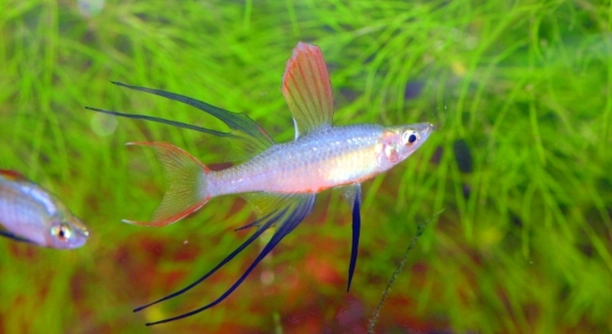
Have you ever noticed your threadfins acting differently during breeding season? Some fish may suddenly stop reproducing, even if their environment seems ideal. These changes can be subtle, making it hard to understand what is happening.
Threadfins may stop breeding due to a combination of environmental stressors, diet deficiencies, hormonal imbalances, and social interactions. Each factor can independently or collectively interfere with reproduction, affecting egg production, spawning behavior, and overall reproductive success in the species.
Understanding these unusual triggers can help maintain a healthy population. We will explore several unexpected factors that might be quietly influencing their breeding habits.
Water Temperature Fluctuations
Threadfins are very sensitive to changes in water temperature. Even small variations can disrupt their internal rhythms and affect spawning cycles. Inconsistent temperatures may prevent them from releasing eggs or displaying mating behaviors. Maintaining a stable environment is crucial, especially during breeding seasons, as sudden shifts can cause stress and suppress reproduction.
Temperature changes can also alter oxygen levels, making the fish less active and reducing energy for breeding.
For threadfins, ideal water temperatures vary slightly by species, but stability matters more than exact numbers. Rapid heating or cooling can shock the fish, sometimes halting reproductive processes entirely. Aquarists often notice that fish stop spawning after a heater malfunction or after cold water influx. Besides physical effects, temperature swings can disrupt hormonal signals that trigger mating behaviors. Ensuring a consistent temperature requires monitoring equipment, checking readings daily, and avoiding sudden adjustments. Using insulated tanks or gradual temperature changes can help maintain optimal conditions. By keeping water stable, breeders increase the chances of successful spawning and healthier offspring, allowing threadfins to resume normal reproductive activity more naturally.
Overcrowding
Too many fish in a tank can stress threadfins and reduce breeding activity. Stress from crowding affects their ability to reproduce.
Overcrowding increases competition for food and space. Aggression may rise, and dominant fish can suppress the weaker ones from spawning. Limited hiding spaces add to stress, causing some individuals to halt reproductive behavior entirely. Maintaining a lower density helps each fish feel secure, encourages natural social interactions, and allows mating rituals to occur without interference. Environmental enrichment such as plants or dividers can reduce tension.
Managing a balanced population in an aquarium or pond ensures each threadfin has sufficient room to thrive. Breeding behavior depends on both physical space and social structure. Providing open swimming areas and reducing stressors can make fish more comfortable and willing to spawn. Regular observation allows early detection of aggressive behavior or stress signs, preventing long-term reproductive issues. Overcrowding doesn’t just stop breeding temporarily; it can lead to long-term declines in egg production and overall health. Correcting density issues restores a natural rhythm and supports reproductive cycles in threadfins, making their environment more conducive to successful breeding.
Poor Water Quality
Dirty or polluted water can quickly stop threadfins from breeding. High ammonia, nitrite, or nitrate levels stress the fish, impacting their reproductive systems and overall health.
Threadfins are highly sensitive to chemical imbalances in their environment. Even minor changes in pH, hardness, or toxin levels can interfere with egg production and mating behavior. Pollutants may come from uneaten food, decaying plants, or insufficient filtration. Regular water testing and partial water changes help maintain a safe environment. Clean, balanced water ensures the fish stay healthy and able to breed naturally.
Long-term exposure to poor water quality can suppress hormone production, reducing spawning readiness. Fish may appear lethargic, lose appetite, or avoid social interactions that normally trigger breeding. Consistently maintaining water conditions allows threadfins to regain normal reproductive behavior. Implementing a structured cleaning schedule and monitoring tank parameters supports sustainable breeding and prevents setbacks that could last for several spawning cycles. Healthy water directly influences both quantity and quality of eggs, giving offspring a stronger start.
Inadequate Nutrition
Threadfins that lack proper nutrients often stop breeding, as their bodies prioritize survival over reproduction. A varied, protein-rich diet supports egg production and energy for mating.
Feeding only a limited selection of food can create deficiencies in vitamins, minerals, or fatty acids, which are essential for reproductive health. Inadequate nutrition can weaken immune systems, reduce vigor, and make fish less responsive to mating cues. Offering live or frozen foods, along with high-quality pellets, ensures balanced nutrition. Regularly rotating food types mimics natural feeding habits and encourages breeding readiness.
Overfeeding certain foods, like only flakes or one type of pellet, may also cause digestive issues, reducing nutrient absorption. Nutrient imbalances affect hormone levels and egg quality, sometimes halting spawning entirely. Providing supplements such as vitamins or specially formulated breeding diets can improve reproductive success. Observing fish for signs of malnutrition, like dull coloration or slow growth, helps correct issues early. A healthy, diverse diet strengthens both adults and future offspring, creating the right conditions for threadfins to reproduce consistently.
Light and Photoperiod Changes
Threadfins rely on consistent light cycles for reproductive cues. Sudden changes in daylight or artificial lighting can interrupt their breeding rhythm.
Extended periods of darkness or overly bright conditions may confuse the fish, suppressing mating behaviors. Maintaining a steady light schedule helps regulate hormones and encourages spawning.
Hormonal Imbalances
Hormonal disruptions can prevent threadfins from producing eggs or engaging in mating behavior. Stress, diet deficiencies, or environmental changes can trigger these imbalances, affecting reproductive cycles. Maintaining optimal conditions and nutrition supports natural hormone regulation and reproductive success.
Social Hierarchy Stress
Dominant fish can intimidate or suppress weaker threadfins, reducing their willingness to breed. Space and structured social interactions help minimize this stress.
FAQ
Why have my threadfins suddenly stopped breeding?
Threadfins can stop breeding for many reasons, including water quality issues, temperature fluctuations, poor nutrition, or stress from overcrowding. Even minor changes in their environment can disrupt reproductive behavior. Observing their tank or pond and adjusting conditions usually helps them resume spawning naturally.
How does water temperature affect threadfin reproduction?
Threadfins are sensitive to even small changes in temperature. Sudden increases or decreases can stress them, suppressing mating behaviors and egg production. Maintaining a stable temperature with gradual adjustments supports normal reproductive cycles and overall fish health.
Can overcrowding really stop threadfins from breeding?
Yes. Overcrowding increases stress and aggression, making fish less likely to spawn. Dominant individuals may suppress weaker ones, and limited space prevents normal mating behaviors. Ensuring enough room and adding hiding areas can improve breeding success.
Does water quality have a big impact?
Absolutely. High ammonia, nitrites, nitrates, or poor pH balance can stress threadfins and prevent spawning. Frequent water testing, proper filtration, and partial water changes are essential to maintain healthy reproductive conditions.
Can diet influence breeding?
Threadfins need a balanced diet rich in proteins, vitamins, and fatty acids for successful reproduction. Poor nutrition can weaken them, lower energy for mating, and reduce egg quality. Providing live, frozen, or high-quality pellet foods encourages breeding readiness.
Do light cycles matter for threadfin reproduction?
Yes. Threadfins use light cycles as cues for mating. Inconsistent daylight or artificial lighting can disrupt hormone production and suppress spawning. A steady light schedule helps maintain natural breeding rhythms.
How does stress affect spawning?
Stress from aggressive tankmates, overcrowding, or sudden environmental changes can prevent threadfins from breeding. Stressed fish may hide, lose appetite, or avoid mating behaviors. Reducing stressors and maintaining stable conditions improves reproductive success.
Can hormonal imbalances be fixed naturally?
Often, yes. Hormonal disruptions caused by poor diet, stress, or environmental instability can improve once conditions stabilize. Providing optimal nutrition, clean water, and low-stress environments helps threadfins regain normal reproductive function.
How can I encourage breeding in my threadfins?
Focus on stable water temperature, high-quality nutrition, clean water, and adequate space. Minimize stress, maintain consistent light cycles, and monitor social dynamics. Small adjustments in these areas often restore breeding behavior effectively.
Are there signs that threadfins are ready to spawn?
Yes. Signs include increased activity, brighter coloration, courtship behaviors, and pairing with a mate. Healthy water, balanced diet, and low stress encourage these behaviors, making breeding more likely to occur naturally.
How long does it take for threadfins to resume breeding after stress?
Recovery depends on the severity of stress or environmental issues. With proper care, stable conditions, and balanced nutrition, threadfins may resume normal breeding within days to a few weeks. Observing behavior and adjusting conditions can speed up recovery.
Can I prevent breeding problems entirely?
Preventing issues requires consistent care: stable water parameters, proper temperature, good diet, controlled population density, and low-stress environments. Regular monitoring and timely adjustments reduce the likelihood of breeding interruptions, keeping threadfins healthy and reproductively active.
Is it normal for threadfins to stop breeding temporarily?
Yes. Threadfins may pause breeding due to seasonal changes, stress, or minor environmental fluctuations. Short pauses are normal, but persistent issues usually indicate a problem with water quality, nutrition, or social dynamics that needs correction.
What should I do if my threadfins are not spawning despite ideal conditions?
Check for hidden stressors like aggressive tankmates, subtle water chemistry issues, or light inconsistencies. Adjust diet, provide hiding spaces, and ensure the environment mimics natural conditions. Patience is key, as threadfins often resume breeding once they feel secure.
Are there signs that water quality is affecting reproduction?
Yes. Fish may appear lethargic, refuse food, or display dull colors. Eggs may fail to develop or mating behaviors may stop. Testing water parameters and performing partial water changes can quickly improve conditions and encourage spawning.
Does age affect threadfin breeding?
Yes. Younger or older fish may be less likely to spawn. Threadfins have peak reproductive periods, and outside of these, breeding may slow or stop. Providing optimal care during prime reproductive years supports consistent spawning.
Can I use supplements to improve breeding?
Supplements can help if diet deficiencies are present. Vitamins, minerals, and fatty acids support reproductive health, improve egg quality, and boost energy for mating. They should complement, not replace, a balanced diet.
How often should I check tank conditions to support breeding?
Daily observation of behavior and weekly testing of water parameters helps maintain a healthy environment. Small issues corrected early prevent long-term breeding problems and support consistent reproductive activity.
Do threadfins need partners to breed successfully?
Yes. Social interactions are crucial. Threadfins often require compatible mates to trigger spawning behaviors. Ensuring proper male-to-female ratios and minimizing dominance conflicts encourages natural reproduction.
Can sudden environmental changes cause permanent breeding issues?
If prolonged or extreme, environmental changes can have lasting effects. However, most threadfins recover once stable conditions, proper nutrition, and low-stress environments are restored. Early intervention is critical to prevent long-term reproductive suppression.
What is the best way to monitor breeding health?
Observe behavior, physical appearance, and egg production. Monitor water quality, temperature, and diet closely. Keeping records of these factors helps identify trends, detect problems early, and maintain consistent breeding success.
How can I reduce stress from social hierarchy?
Provide ample space, hiding spots, and balanced male-to-female ratios. Observe interactions and separate overly aggressive individuals if needed. Reducing stress encourages weaker threadfins to participate in mating and improves overall reproductive success.
Are there seasonal influences on threadfin breeding?
Yes. Many threadfins follow seasonal patterns in the wild. Adjusting tank or pond conditions to mimic natural seasons, like temperature and light changes, can help trigger reproductive behaviors and maintain breeding cycles.
How do I know if diet is affecting spawning?
Signs include poor egg quality, lack of energy, or reduced mating behaviors. Offering a diverse, nutrient-rich diet tailored for reproduction supports egg production, hormonal balance, and overall readiness to spawn.
Can breeding issues affect overall fish health?
Yes. Stress from reproductive suppression can weaken immune systems, lower appetite, and increase vulnerability to disease. Maintaining ideal conditions benefits both health and breeding success.
Is there a difference between captive and wild threadfin breeding?
Captive environments can limit natural cues such as seasonal changes, food variety, or space, which may slow breeding. Replicating natural conditions as closely as possible supports more consistent reproductive behavior.
How long should I wait before intervening with a breeding issue?
If fish show signs of stress, poor health, or halted spawning for more than a few weeks, intervention is warranted. Address environmental, nutritional, and social factors promptly to restore normal reproduction.
What small adjustments make the biggest difference for breeding?
Stabilizing temperature, improving water quality, offering balanced nutrition, controlling population density, and maintaining consistent light cycles are the most effective adjustments. These small changes can quickly encourage threadfins to resume spawning.
Can breeding pauses be beneficial?
Short breaks can allow fish to recover energy, grow, and strengthen immunity. Temporary pauses are natural and may improve long-term reproductive success if conditions remain supportive.
What role does tank enrichment play in breeding?
Plants, rocks, and hiding spaces reduce stress, encourage natural behaviors, and provide security. Enrichment supports courtship, territorial behavior, and overall reproductive activity in threadfins.
How can I prevent future breeding problems?
Consistent monitoring, balanced nutrition, stable water parameters, adequate space, and low-stress conditions help prevent most issues. Observing behavior and reacting quickly to changes ensures ongoing reproductive success.
Are some threadfins naturally less likely to breed?
Yes. Individual temperament, age, and genetics can influence reproductive willingness. Providing optimal conditions maximizes potential, but not all fish will breed equally.
How important is observation in managing breeding success?
Careful, regular observation helps detect stress, illness, or environmental issues early. Noticing changes in behavior or appearance allows for timely interventions that support continuous breeding.
Can environmental mimicry improve breeding?
Yes. Recreating seasonal changes, water flow, lighting, and food variety simulates natural conditions, triggering instinctive reproductive behaviors and improving egg production in captive threadfins.
Is patience necessary when encouraging breeding?
Absolutely. Threadfins may take time to adjust to optimal conditions, recover from stress, or respond to changes. Patience and consistent care are key to restoring natural breeding behavior.
Do all breeding issues require veterinary intervention?
Not usually. Most reproductive problems stem from environmental, dietary, or social factors and can be corrected through management. Veterinary help is needed only for illness or severe hormonal disorders.
Can breeding success vary between tanks or ponds?
Yes. Differences in water quality, space, light, temperature, and social structure affect outcomes. Monitoring and adjusting conditions to each environment improves consistency in breeding results.
How do I balance nutrition for multiple threadfins?
Feed a mix of live, frozen, and high-quality pellets in appropriate portions. Observe eating habits and supplement deficient nutrients to ensure all fish receive enough for reproductive health.
Does handling fish affect breeding?
Excessive handling or disturbances can stress threadfins, suppressing mating behavior. Minimizing handling and providing quiet, stable conditions helps maintain normal reproductive activity.
What is the first step if spawning stops unexpectedly?
Check water parameters, temperature, and diet. Observe social interactions and stress indicators. Correcting environmental and nutritional issues usually restores breeding within days to weeks.
Can breeding behavior return naturally after correction?
Yes. Once conditions stabilize, stress is reduced, and nutrition is adequate, threadfins often resume normal reproductive behaviors without additional intervention.
Are there signs of recovery after breeding issues?
Yes. Fish become more active, display courtship behaviors, regain appetite, and eggs may reappear. Monitoring these signs confirms that adjustments are working and reproductive health is improving.
Do environmental enrichments need to be changed often?
Not frequently. Stable enrichment supports territory establishment and reduces stress. Minor rearrangements can be done carefully, but drastic changes may disrupt breeding behaviors.
How do I track breeding success over time?
Keep a log of spawning events, water parameters, diet, and behavioral observations. This helps identify patterns, predict breeding cycles, and quickly detect any emerging issues affecting reproduction.
Can stress from predators affect captive threadfins?
Yes. Even visual or chemical cues from predators in nearby tanks can induce stress. Providing secure hiding areas and minimizing exposure supports reproductive behavior.
Does tank size influence breeding success?
Yes. Small tanks limit movement, increase aggression, and reduce courtship behavior. Larger, well-structured environments promote natural interactions and improve egg production.
How do I know if eggs are viable?
Viable eggs are usually clear or slightly translucent and adhere to surfaces. Poor-quality eggs may be cloudy, deformed, or fail to develop. Proper water conditions and nutrition improve egg viability.
Is water flow important for breeding?
Moderate, consistent flow simulates natural habitats, encourages healthy activity, and prevents stagnation. Flow patterns should allow swimming space while maintaining oxygenation, supporting reproductive behaviors.
Can temperature swings cause long-term reproductive issues?
If extreme or prolonged, yes. Sudden or repeated swings disrupt hormones and stress the fish. Consistent temperature management helps prevent lasting problems.
What is the ideal male-to-female ratio for breeding?
A balanced ratio reduces dominance stress and improves chances for all individuals to participate in spawning. Typically, slightly more females than males helps prevent aggressive suppression.
How often should breeding conditions be reviewed?
Regularly. Weekly checks of water quality, temperature, diet, and behavior allow early detection of issues, helping maintain continuous reproductive success.
Do threadfins need seasonal cues to breed?
Yes. Simulating seasonal variations in temperature, light, and diet encourages natural reproductive cycles, especially in species adapted to wild seasonal patterns.
Can breeding supplements replace proper diet?
No. Supplements enhance nutrition but cannot replace a balanced, protein-rich, vitamin-fortified diet. Proper diet is essential for hormone regulation, egg quality, and mating behavior.
How can I prevent social stress in mixed groups?
Provide adequate space, hiding spots, and observe interactions. Remove aggressive individuals when necessary. Maintaining harmony supports breeding and reduces reproductive interruptions.
Is continuous observation necessary for breeding success?
Consistent monitoring is important but not intrusive. Observing behavior, feeding, and environment ensures timely adjustments and supports ongoing reproductive activity.
Can breeding issues affect future generations?
Yes. Poor nutrition, stress, or environmental problems can reduce egg quality, fry survival, and overall reproductive potential in subsequent generations. Proper care supports healthy offspring.
Do threadfins show signs of stress before stopping breeding?
Yes. Lethargy, loss of appetite, dull colors, or hiding indicate stress. Addressing these signs promptly can prevent complete reproductive suppression.
Are some environmental changes more harmful than others?
Yes. Sudden temperature drops, chemical spikes, or overcrowding have immediate negative effects, while gradual or minor adjustments are usually tolerated. Early intervention prevents long-term reproductive problems.
How important is tank cleanliness for spawning?
Very. Clean tanks reduce toxins, improve oxygen levels, and support healthy egg development. Neglecting cleaning can quickly halt breeding.
Can incompatible fish species impact threadfin reproduction?
Yes. Aggressive or predatory tankmates create stress and suppress spawning. Housing compatible species or separate tanks ensures safer conditions for breeding.
Are all threadfins equally sensitive to environmental changes?
No. Individual tolerance varies, but most are sensitive to water quality, temperature, and stress. Observing each fish’s behavior helps manage care effectively.
How do I reintroduce breeding conditions after a disruption?
Gradually restore temperature, light cycles, diet, and space. Monitor fish for stress and courtship behaviors. Consistency and patience are key to returning to normal reproduction.
Can overfeeding affect spawning?
Yes. Excess food can pollute water and reduce activity, indirectly impacting reproductive behavior. Balanced feeding supports healthy breeding.
Do threadfins need specific substrates for egg laying?
Some species prefer surfaces for eggs to attach, like plants or rocks. Providing suitable substrates increases spawning success and egg survival.
How long do threadfins typically breed in captivity?
With proper care, they may breed year-round, but environmental stability, nutrition, and low stress are essential to maintain continuous reproduction.
Can breeding behavior differ between males and females?
Yes. Males often display courtship behaviors, while females focus on egg production. Observing both helps identify readiness and any potential issues.
Is stress recovery different for each fish?
Yes. Some individuals rebound quickly, while others may take weeks. Patience and consistent care are crucial for restoring normal breeding behavior.
Do water additives affect reproduction?
Some chemicals, medications, or treatments can stress fish or disrupt hormones. Always check compatibility before using additives in breeding environments.
How important is oxygenation for breeding?
High oxygen levels support energy-intensive mating behaviors and healthy egg development. Aeration and proper water flow are essential for reproductive success.
Can breeding patterns change over time?
Yes. Aging, environmental changes, or repeated stress can alter spawning frequency and egg quality. Maintaining optimal care helps preserve consistent reproduction.
Are there warning signs that breeding will stop soon?
Yes. Reduced courtship, inactivity, poor appetite, and hiding indicate potential reproductive pauses. Early intervention prevents prolonged disruptions and supports recovery.
How do I maintain long-term breeding success?
Focus on stable water, balanced diet, low stress, adequate space, and regular monitoring. Adjust conditions as needed and observe behavior to ensure threadfins remain reproductively active.
Can I predict when threadfins will breed next?
Patterns can emerge from consistent observation of environmental cues, behavior, and seasonal changes. Keeping records helps anticipate future spawning events.
Do stress and diet affect egg viability differently?
Yes. Stress can prevent spawning entirely, while poor diet may reduce egg quality. Addressing both ensures healthy, viable eggs and successful reproduction.
Is it normal for breeding to slow during certain months?
Yes. Some threadfins follow seasonal rhythms. Mimicking natural conditions, like light and temperature changes, encourages continued reproductive activity even in captivity.
How do I identify reproductive readiness in young threadfins?
Watch for increased activity, social interactions, and signs of courtship. Proper nutrition and stable conditions support development and early readiness for spawning.
Can environmental enrichment trigger breeding?
Yes. Adding plants, rocks, or hiding spaces encourages natural behaviors, reduces stress, and promotes mating rituals, improving overall reproductive success.
Are there specific water chemistry levels optimal for breeding?
Stable pH, low ammonia, nitrites, and moderate hardness support reproductive health. Regular testing and careful adjustments prevent disruptions to breeding behavior.
How do I manage aggressive individuals during breeding?
Separate overly aggressive fish or provide more space and hiding spots. Reducing conflict allows weaker or stressed individuals to participate in spawning.
Does temperature influence egg development speed?
Yes. Optimal temperatures support faster, healthier egg development, while fluctuations or extremes can delay hatching or reduce survival rates.
Are breeding supplements necessary for all threadfins?
Not always. They help if diet is deficient but cannot replace proper nutrition. High-quality, varied food is the most important factor for reproduction.
How long should I observe before making major changes to breeding conditions?
A few days to a week is usually sufficient. Watch for behavior, feeding, and courtship cues to guide necessary adjustments without causing additional stress.
Do lighting and temperature need to match natural cycles?
Yes. Mimicking seasonal changes helps regulate hormones and triggers natural reproductive behaviors. Consistency is key for ongoing breeding success.
Can tank mates indirectly prevent spawning?
Yes. Aggressive or overly active species can stress threadfins, suppressing mating behaviors. Providing compatible companions reduces interference and promotes reproduction.
How do I handle failed spawning attempts?
Check water, diet, social dynamics, and stress factors. Correct issues, maintain stable conditions, and give fish time to recover. Failed attempts are common but can be corrected with proper care.
Can threadfins recover from long breeding pauses?
Yes. With consistent environmental stability, balanced nutrition, and low stress, threadfins often resume normal reproductive activity even after extended interruptions.
Is record-keeping important for breeding management?
Yes. Tracking spawning, water parameters, diet, and behavior identifies trends and allows timely adjustments, supporting long-term reproductive success.
What is the most common unnoticed reason breeding stops?
Threadfins are fascinating fish, but their breeding can be sensitive to a range of factors. Environmental conditions, nutrition, social dynamics, and stress all play a role in whether they will reproduce successfully. Even small changes in water temperature, lighting, or water chemistry can influence their reproductive behavior. For many keepers, these fish may stop spawning without an obvious reason, which can be frustrating. Understanding that threadfins respond to both visible and subtle changes helps set realistic expectations. Maintaining consistent conditions and paying attention to small details can make a noticeable difference over time.
Diet is another key element in reproductive success. Threadfins require a balanced intake of protein, vitamins, and fatty acids to support egg production and energy for mating. Offering a variety of foods, such as live, frozen, or high-quality pellets, ensures they receive proper nutrients. Overfeeding or feeding the wrong types of food can create digestive issues or nutritional imbalances, which may also affect breeding. Observing their eating habits and adjusting the diet as needed can improve reproductive readiness. Along with diet, keeping water clean and free of toxins is essential. Poor water quality can stress the fish, disrupt hormone levels, and reduce egg viability, so regular testing and partial water changes are important for maintaining a healthy environment.
Social interactions and stress management are equally important. Overcrowding or aggressive tankmates can prevent weaker fish from spawning, while dominant fish may suppress reproductive behavior in others. Providing adequate space, hiding spots, and monitoring interactions can reduce stress and encourage natural courtship behavior. Additionally, replicating natural cues such as seasonal light cycles or moderate water flow helps threadfins feel secure and triggers reproductive instincts. Patience is necessary, as fish may take time to adjust to improved conditions. By focusing on stable water parameters, proper nutrition, low-stress social environments, and consistent monitoring, keepers can create the right conditions for threadfins to reproduce successfully. Maintaining these factors helps ensure healthy eggs, viable offspring, and a more predictable breeding cycle over the long term.

Hello,
If you enjoy the content that we create, please consider saying a "Thank You!" by leaving a tip.
Every little bit helps us continue crafting quality advice that supports the health, happiness, and well-being of pets around the world, for pets of all shapes, sizes, and species.
We really appreciate the kindness and support that you show us!